Regenerative pain medicine is reshaping the way clinicians address musculoskeletal conditions. Rather than masking symptoms, these therapies aim to stimulate the body’s natural repair mechanisms and promote tissue regeneration that restores healthy structure and function. Exploring regenerative pain treatments such as injection-based options and shockwave therapy enables physicians to evaluate their distinct advantages and decide how each approach may best improve patient outcomes.
How Shockwave Therapy Supports Tissue Repair in Regenerative Pain Medicine
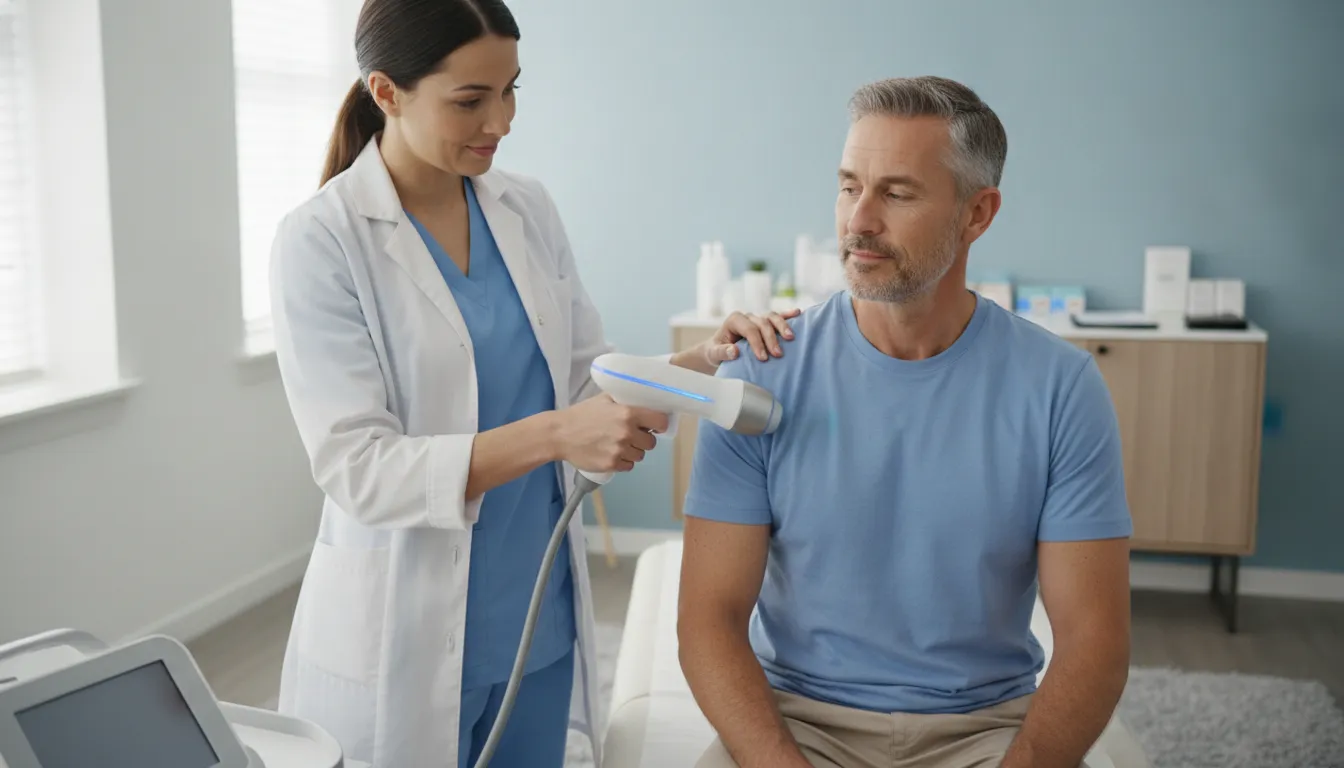
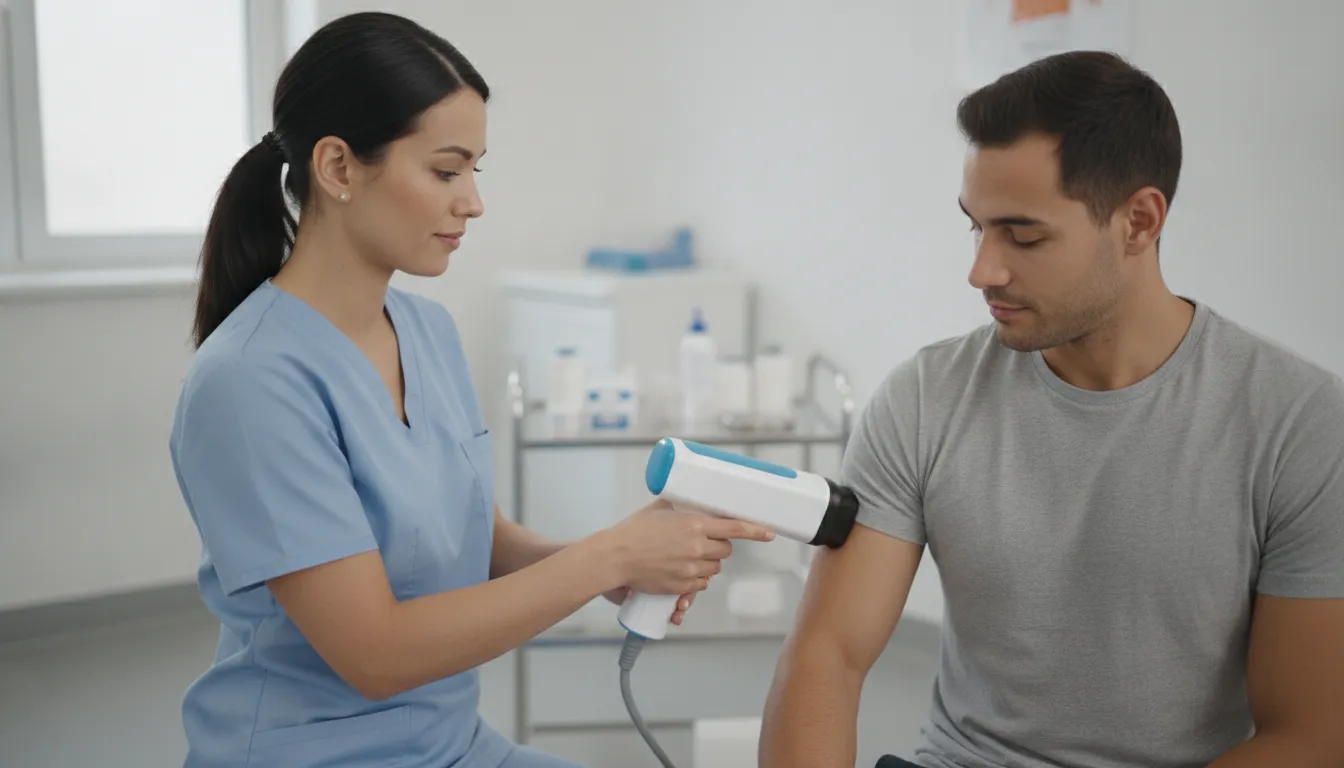
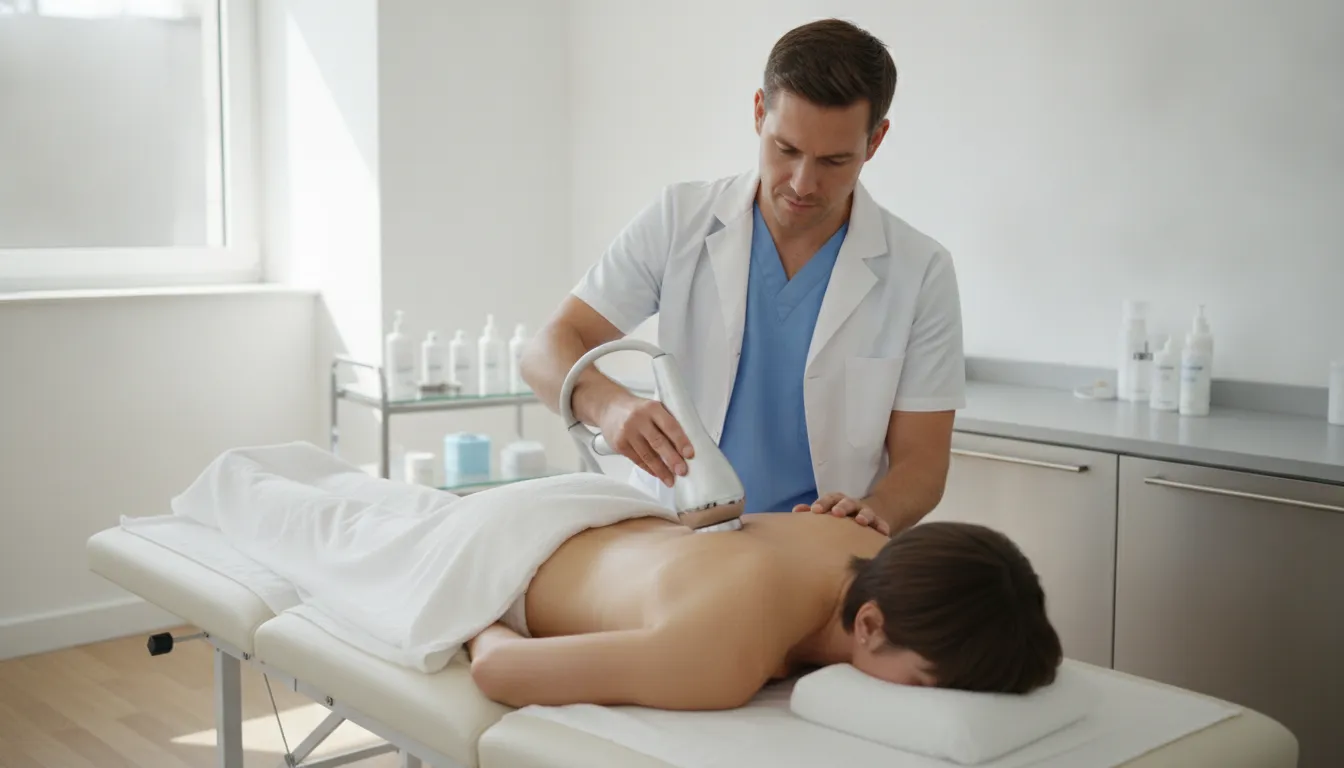
Extracorporeal shockwave therapy (ESWT) delivers shock waves that activate regenerative processes in musculoskeletal tissues. Shockwave devices stimulate angiogenesis, stem cell activity, and growth factor release, leading to enhanced circulation, modulated inflammation and pain, and tissue repair. A meta-analysis of nine RCTs showed ESWT more than doubled success rates in chronic plantar fasciitis, with sustained improvements and no adverse events (Sun et al., 2017).
Recent regenerative pain medicine findings extend to other conditions like osteoarthritis. A meta-analysis demonstrated that extracorporeal shockwave therapy significantly improved pain and physical function in knee osteoarthritis for up to 12 months (Wang et al., 2019). As a regenerative pain treatment approach, shockwave therapy offers reliable functional and symptom benefits while avoiding the risks associated with injections or surgical procedures.
SoftWave Therapy: An Advanced Approach to Regenerative Pain Treatments
SoftWave Therapy offers a broad-focused shockwave solution designed to advance regenerative pain medicine. It uses a patented broad-focused applicator that distributes shockwaves across a wide and deep tissue zone, stimulating angiogenesis, modulating inflammation, and promoting repair without causing microtrauma. With FDA clearances for different musculoskeletal conditions that require regenerative pain approaches, SoftWave is applied across orthopedics, sports medicine, physical therapy, urology, and podiatry. Sessions are quick, comfortable, and non-invasive, giving clinicians an efficient way to expand regenerative treatment options.
Learn more about the Best Shockwave Therapy Machine for Providers.
Injection-Based Therapies in Regenerative Pain Medicine
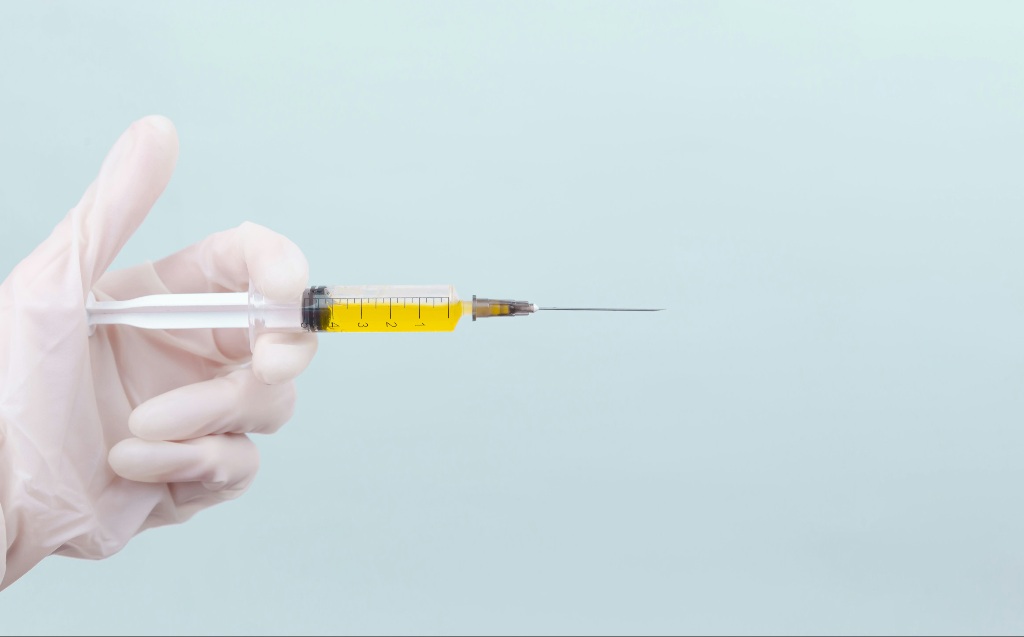
Injection-based therapies deliver biologic agents directly into injured tissues to stimulate healing. The most common approaches include platelet-rich plasma (PRP), bone marrow aspirate concentrate (BMAC), and prolotherapy, each working through different mechanisms but sharing the goal of tissue regeneration.
Platelet-Rich Plasma (PRP)
PRP involves concentrating platelets from a patient’s blood and injecting them into injured tissue, where growth factors promote collagen synthesis, vascular growth, and cellular repair. In regenerative pain medicine, PRP is studied for osteoarthritis, tendon disorders, and ligament injuries. A meta-analysis of randomized trials found PRP improved pain and function in knee osteoarthritis compared with saline and hyaluronic acid (Filardo et al., 2021). Side effects are generally mild, including short-term swelling, stiffness, or localized discomfort.
Bone Marrow Aspirate Concentrate (BMAC)
BMAC is prepared from bone marrow aspirated from the iliac crest, processed, and reinjected to deliver mesenchymal stem/stromal cells, cytokines, and growth factors that contribute to tissue regeneration. Within regenerative pain treatments, BMAC is used for osteoarthritis, cartilage injuries, chronic tendon conditions, and certain spinal disorders. A systematic review found that BMAC improved pain and function in knee osteoarthritis compared with hyaluronic acid injections (Belk et al., 2023). Side effects include temporary soreness or bruising at the donor site and post-injection swelling.
Prolotherapy
Prolotherapy involves injecting an irritant solution, usually dextrose, to trigger localized inflammation and initiate repair in weakened connective tissue. It has been applied in regenerative pain medicine for osteoarthritis, chronic low back pain, sacroiliac dysfunction, and ligament or tendon injuries. A review concluded that prolotherapy improved pain and function in knee osteoarthritis and produced outcomes similar to other injections (Zhao et al., 2022). Reported side effects are typically mild, such as temporary pain, stiffness, or swelling.
How Shockwave Therapy Compares With Injections as Regenerative Pain Treatments
Shockwave therapy and injection-based treatments all belong to regenerative pain medicine, but they differ in several key aspects. Below, we compare these modalities across multiple dimensions to help understand their relative strengths and considerations:
Invasiveness and Convenience
Shockwave therapy is entirely non-invasive, delivered through the skin with no needles or incisions. Injections, on the other hand, require puncturing tissue, whether for drawing blood or marrow or for injecting solutions into joints or tendons. While far less invasive than surgery, injections still involve recovery from needle entry and can cause local bruising or discomfort.
Safety Profile
Shockwave carries a very low risk profile, as it uses only mechanical energy and does not introduce substances into the body. Injections are generally safe but carry known risks such as infection, bleeding, or nerve irritation. Post-procedure pain flares are common after injections, whereas shockwave effects are usually limited to short-lived soreness or mild swelling.
Mechanism and Biological Effects
Shockwave promotes healing through mechanotransduction, stimulating angiogenesis, growth factor release, and collagen remodeling that drive tissue repair. Injections act differently, either by delivering concentrated biologics such as platelets or marrow cells, or by provoking an inflammatory response with agents like dextrose. Both methods seek to activate regenerative pathways but do so through distinct mechanisms.
Efficacy and Conditions Treated
Evidence shows shockwave is effective in tendinopathies, plantar fasciitis, rotator cuff injuries, and some arthritic conditions, while injections are more frequently studied in osteoarthritis, tendon injuries, and spinal pain. Shockwave therapy consistently shows strong outcomes across regenerative pain medicine, while injection results can be more variable depending on patient selection and condition severity.
Patient Experience
Shockwave sessions are brief, often 5 to 10 minutes, with no downtime and minimal discomfort beyond the treatment itself. Injections can require preparation, lab processing, and post-procedure restrictions, with temporary pain or swelling common. For patients, shockwave therapy offers the advantage of no needles and no recovery time, in contrast to the invasiveness and post-procedure discomfort often associated with injections.
Practice Considerations
Shockwave requires investment in a device but has minimal ongoing costs and allows high patient throughput. Injections demand recurring supplies, sterile handling, and often ultrasound guidance, making them more resource-intensive. Both are often patient-pay services due to limited insurance coverage, and clinics choose based on resources, expertise, and patient demand for regenerative pain treatments.
Read: How Shockwave Therapy Compares to Cortisone Injections
Comparative Table: Shockwave Therapy Vs Injections
| Aspect | Shockwave Therapy | Injections |
| Modality | External acoustic pulses through the skin | Needle-based delivery into tissue or joint |
| Invasiveness | Non-invasive | Minimally invasive |
| Recovery time | No downtime | Short activity limits are common |
| Mechanism | Mechanotransduction that stimulates angiogenesis and tissue repair | Biologic addition or provoked inflammation to drive repair |
| Typical regenerative pain conditions | Tendinopathies, plantar fasciitis, rotator cuff pain, osteoarthritis | Osteoarthritis, tendon and ligament injuries, and select spinal pain |
| Onset of effect | Gradual improvement over weeks as healing progresses | Often days to weeks, varies with agent and protocol |
| Session length | About 10 to 15 minutes | About 30 to 90 minutes, including preparation |
| Adverse events | Transient soreness or mild swelling | Injection site pain or swelling, small infection, or bleeding risk |
| Resource needs | Device purchase, low ongoing costs | Kits, sterile supplies, guidance equipment, and staff time |
| Insurance status | Often patient pay | Often patient pay |
In regenerative pain medicine, both pathways aim for biological healing rather than symptom coverage. And some providerers are using combination therapy with great results. However, the needle-free nature, consistent safety, and streamlined delivery of shockwave therapy creates a practical first step for many soft-tissue indications. Clinics can reserve injections for cases that need a direct biologic input or when joint pathology warrants it. Taken together, the balance of invasiveness, throughput, and patient experience often favors shockwave therapy in routine practice.
Take the Next Step in Regenerative Care with SoftWave Therapy
Regenerative pain medicine targets tissue repair through controlled biologic signaling. Shockwave therapy offers a non-invasive path for various soft-tissue indications, with injections reserved for circumstances that call for direct biologic delivery. For clinics seeking a scalable first-line option within this framework, SoftWave Therapy fits naturally into regenerative workflows without disrupting patient throughput.
SoftWave is applied in musculoskeletal pain, joint degeneration, chronic wounds, and pelvic health conditions. These indications are supported by peer-reviewed research from leading clinical institutions, making SoftWave Therapy a practical choice for clinics aiming to expand regenerative treatment capabilities with one device.
Explore how SoftWave Therapy can fit into your practice. Schedule a demo and Become a SoftWave Provider today.