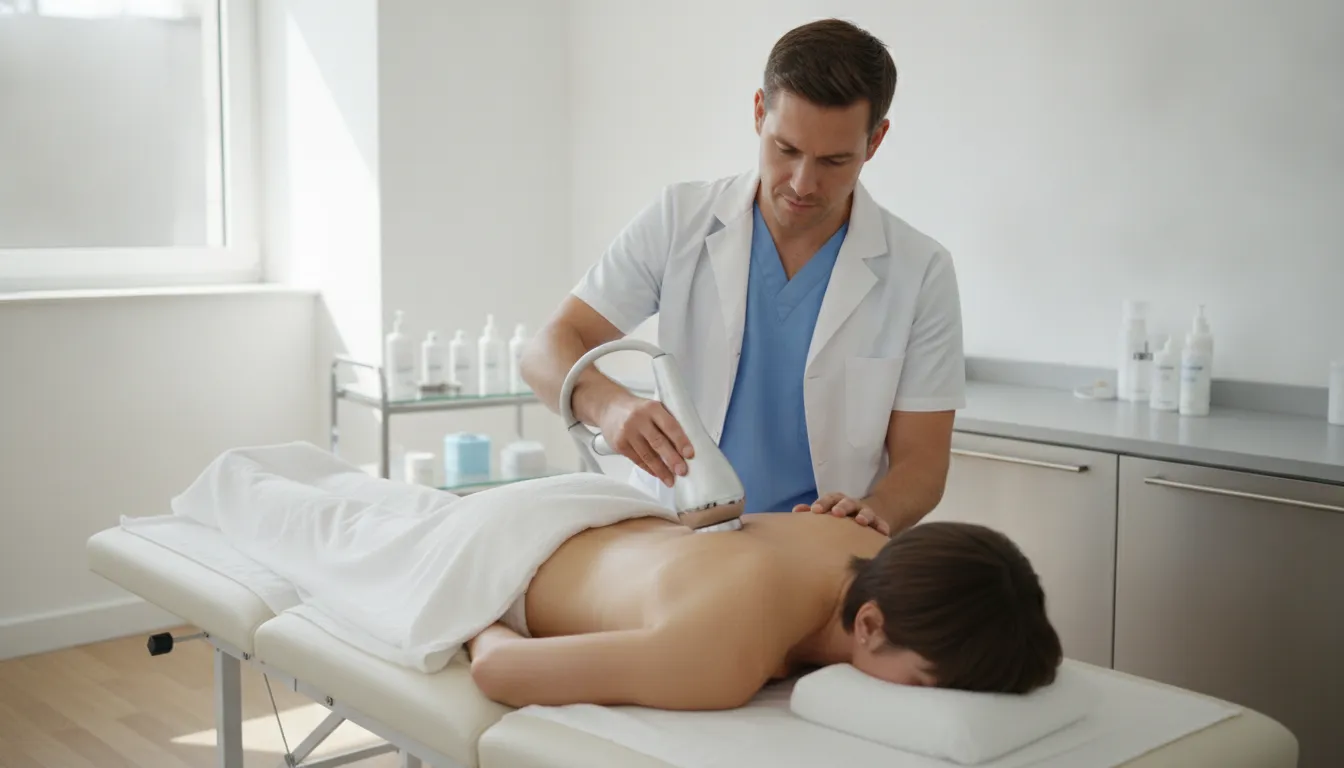
Learn how shockwave therapy for chronic pain works, what research suggests, what SoftWave sessions involve, and how to find a qualified provider.Read More
Shockwave therapy and therapeutic ultrasound are both established acoustic-energy modalities in musculoskeletal and rehabilitation medicine. Despite that shared foundation, they differ significantly in how energy is delivered, how tissue responds biologically, and where each fits within a clinical treatment pathway. Providers across orthopedics, sports medicine, chiropractic, physical therapy, podiatry, and regenerative medicine routinely compare these...Read More
Shockwave therapy continues to expand across orthopedics, sports medicine, podiatry, chiropractic, urology, and rehabilitation practices as clinicians adopt non-invasive technologies that support musculoskeletal healing and tissue regeneration. The StemWave machine is frequently evaluated within that landscape for its clinical utility, cost structure, and role in outpatient regenerative care. For practice owners, evaluating StemWave involves more...Read More
If you’re a chiropractor evaluating shockwave therapy devices, the StemWave vs. SoftWave comparison comes up often. Both are electrohydraulic systems, both are actively marketed to clinical practices, and both treat overlapping musculoskeletal presentations. They differ significantly, though, in wave delivery architecture, FDA regulatory standing, device-specific evidence depth, and day-to-day operational design. For most chiropractic practices,...Read More
Non-healing wounds are among the most resource-intensive challenges in clinical practice. They drive repeat visits, increase complication risk, and represent a significant cost burden across the healthcare system. Extracorporeal shockwave therapy (ESWT) has gained meaningful clinical traction as a non-invasive option that can accelerate wound closure across a wide range of wound types. The acute...Read More
Diabetic foot ulcers (DFUs) are among the most demanding wound care challenges in clinical practice. Current evidence places the lifetime incidence at 19% to 34% among people with diabetes (Armstrong et al., 2017), with recurrence rates of 40% in the first year after healing and up to 65% within three years (Netten et al., 2024)....Read More
Non-surgical podiatry has moved well past orthotics, NSAIDs, and corticosteroid injections. Patients want care that addresses the underlying tissue problem without surgery, and payers are pushing clinics toward outcomes-based, lower-cost pathways. For podiatric practices, the result is a wider non-surgical toolkit covering musculoskeletal pain, tendinopathy, neuropathic symptoms, and chronic wound care. This shift is reshaping...Read More
Shockwave therapy has become an established modality in musculoskeletal care, regenerative medicine, and pain management. As providers evaluate which technology fits their clinical workflow, one of the most common comparison questions involves piezoelectric versus electrohydraulic shockwave systems. Both fall under extracorporeal shockwave therapy (ESWT) and deliver therapeutic acoustic energy designed to stimulate healing, reduce pain,...Read More
Integrating SoftWave is an operational question, not a clinical one. The four structural decisions that determine how a 5-10 minute session fits an existing schedule.Read More
Not a verdict but a fit decision. What each mechanism does, what the pooled head-to-head evidence found, and which one suits the schedule a practice already runs.Read More