Hip pain frequently stems from tendon disorders, degenerative changes, or overload syndromes affecting soft tissues such as the gluteal or hamstring tendons. These conditions often present as chronic lateral or deep hip discomfort, stiffness, and progressive loss of mobility. When left unresolved, they can significantly impair function and delay recovery timelines.
Increasing clinical focus has shifted toward approaches that promote the biological repair of affected tissue. As part of this direction, regenerative treatment for hip pain has gained relevance for musculoskeletal providers seeking to support healing and restore performance in load-bearing activities.
Defining Hip Tendinopathy and Why Traditional Treatments Often Fall Short
Hip tendinopathy involves chronic degeneration of key tendons, such as the gluteus medius, gluteus minimus, and proximal hamstrings, often resulting in persistent pain and reduced functional capacity. Standard care typically includes rest, NSAIDs, physical therapy, or corticosteroid injections. These options may address symptoms, but they do not repair damaged tendon tissue. Tendons have limited vascularity, which restricts their natural healing response and slows recovery from degeneration (Jiang et al., 2023).
In a randomized trial, patients with gluteal tendinopathy who underwent corticosteroid injection experienced early symptom relief, but results deteriorated over time. Even loading exercises, while commonly used, offered incomplete recovery for many patients. This underscores the need for treatment strategies that stimulate biological healing rather than manage symptoms alone (Mellor et al., 2018).
Regenerative Treatment for Chronic Hip Pain and Tendon Disorders
Chronic hip tendinopathy often involves structural changes that do not respond adequately to symptom-focused care. Regenerative therapies offer clinicians ways to influence cellular activity and tissue remodeling in tendon and soft tissue structures that have limited healing capacity. These approaches have become part of the clinical conversation for cases where persistent pain and dysfunction indicate the need for biologic support.
Shockwave Therapy
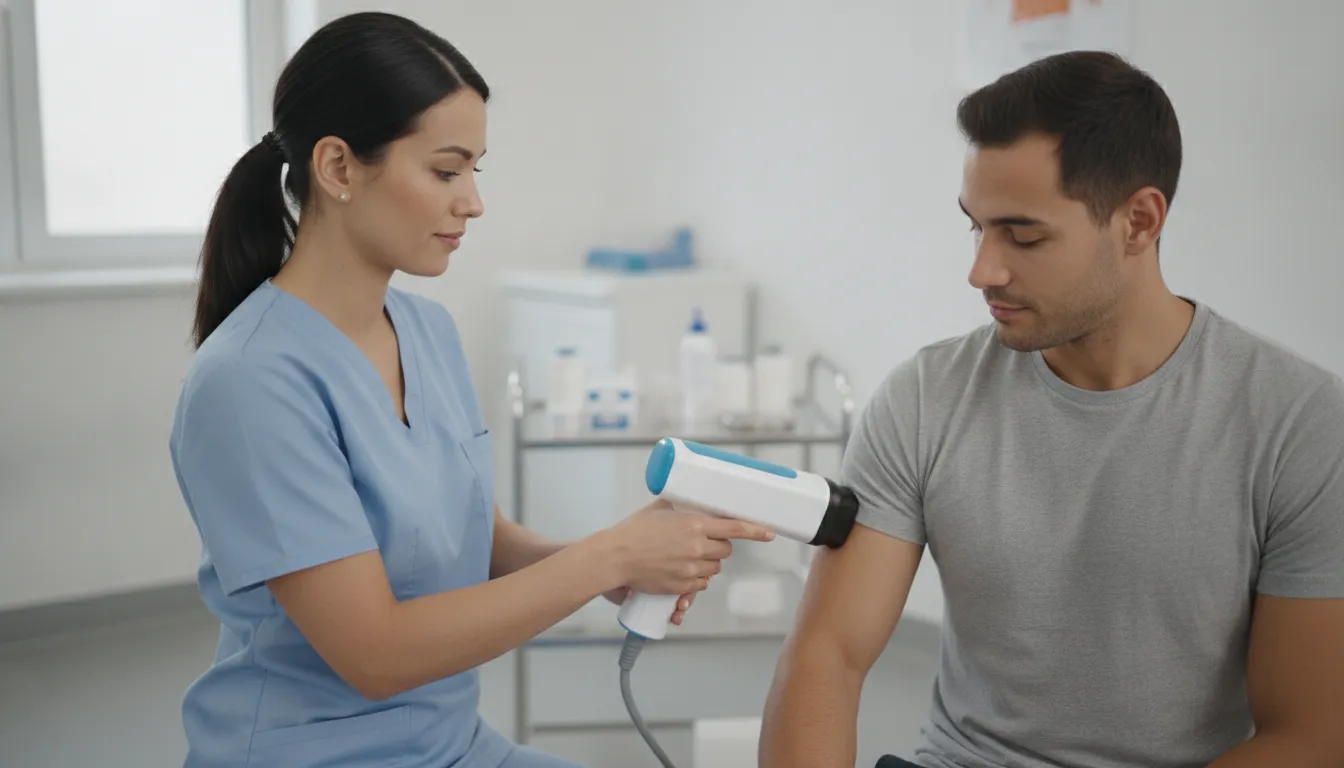
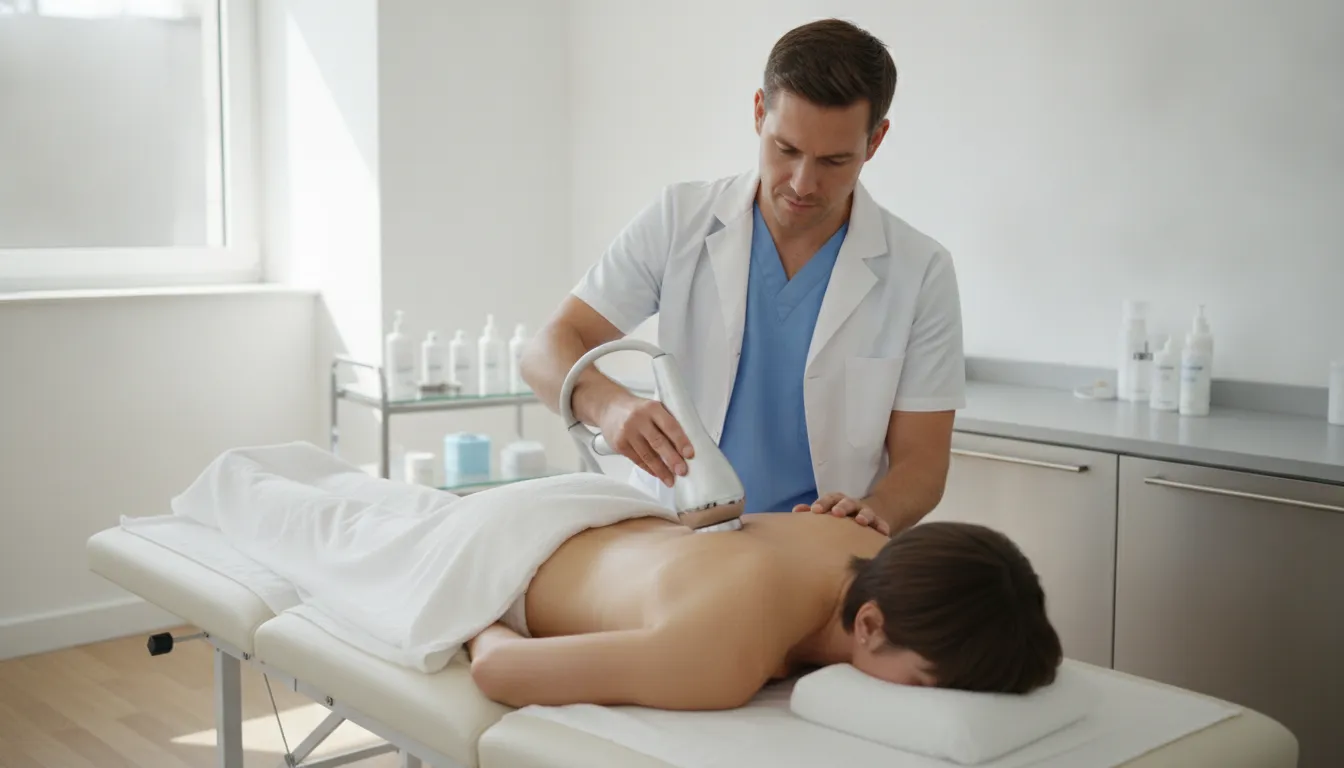
Shockwave therapy (ESWT) delivers acoustic energy to tendons and soft tissues, activating biological pathways involved in repair. The mechanical stimulus influences mechanotransduction pathways, increases local blood flow, promotes neovascularization, modulates inflammatory mediators, and supports collagen reorganization in degenerative tendon tissue. These effects are relevant when addressing chronic lateral hip pain or tendinopathies that do not respond to passive care. In a study of patients with chronic gluteal tendinopathy confirmed by MRI, ESWT produced significant reductions in pain scores and favorable clinical outcomes that persisted during long-term follow-up (Seo et al., 2018).
Read: Revolutionizing Hip Pain Management with Advanced Shockwave Therapy
SoftWave Therapy for Hip Pain and Tendinopathy
SoftWave Therapy represents an advancement in shockwave technology designed for clinicians seeking consistent regenerative outcomes through evidence-based treatment. Its electrohydraulic source and patented parabolic reflector create broad-focused shock waves that reach superficial and deep tissues across a wide treatment zone. This interaction supports angiogenic activity, modulates inflammatory responses, and activates connective tissue, all of which are relevant to chronic hip pain and tendon disorders. SoftWave holds FDA clearances for connective tissue activation and related musculoskeletal uses, supporting its role in regenerative treatment for hip pain within noninvasive clinical workflows.
Learn how clinicians are strengthening treatment protocols through the best shockwave therapy machine for providers.
Platelet Rich Plasma (PRP)
PRP uses concentrated autologous platelets that release growth factors involved in cellular activity, collagen synthesis, and soft tissue remodeling. The approach is applied in musculoskeletal settings where biologic signaling may support tendon structure. In a randomized controlled trial involving chronic gluteal tendinopathy, PRP was associated with measurable changes in pain and function at 12 weeks compared with a corticosteroid injection, reflecting the biologic nature of the platelet-derived factors used in this intervention (Fitzpatrick et al., 2018).
Stem Cell Therapy
Stem cell therapy introduces mesenchymal stem cells or cell-rich preparations to environments with structural degeneration. These cells contribute to regenerative processes through differentiation potential and the release of bioactive molecules that influence local tissue activity. In a Canadian study assessing bone marrow concentrate for chronic hip-related pathology, participants reported reductions in pain and improvements in daily function several months after treatment, demonstrating how cell-based preparations are being evaluated in degenerative musculoskeletal conditions (Burnham et al., 2021).
High Intensity Laser Therapy (HILT)
HILT applies concentrated photonic energy to soft tissue with the intent to influence cellular metabolism, circulation, and tissue activity through photobiomodulation. The technique is used in musculoskeletal care when chronic soft-tissue pain or tendon involvement is present. A meta-analysis of randomized trials reported reductions in pain and improvements in functional measures in patients treated with HILT for chronic orthopedic conditions, indicating that photonic energy can influence tissue-level processes relevant to recovery (Arroyo-Fernández et al., 2023). HILT is commonly used as part of multidisciplinary programs addressing soft-tissue and musculoskeletal disorders.
Advance Your Regenerative Treatment Approach with SoftWave Therapy
Chronic hip pain and tendon disorders often require strategies that influence tissue-level healing when standard care does not produce full recovery. Regenerative modalities offer ways to engage biological pathways involved in soft tissue repair and support functional improvement. Within this context, shockwave therapy has demonstrated value for tendon-related hip conditions, and SoftWave Therapy provides an approach that aligns with the goals of regenerative treatment for hip pain through its broad-focused design.
SoftWave Therapy devices are used across orthopedics, sports medicine, physical therapy, urology, and podiatry, where clinicians apply noninvasive options that activate connective tissue and influence biologic activity. Its mechanisms are supported through ongoing clinical research, which continues to expand understanding of how acoustic stimulation contributes to tissue recovery. This evidence base strengthens its role in practices that integrate regenerative strategies for musculoskeletal conditions.
Become a SoftWave provider today and improve your patient outcomes.