When pain limits movement, sleep, work, or athletic performance, choosing the right treatment matters. The discussion around shock wave therapy vs tens often starts with a simple question: which option addresses the actual problem? TENS may help reduce the sensation of pain during or after stimulation, making daily activities and rehabilitation more manageable. Shock wave therapy takes a tissue-focused approach, using acoustic energy on selected areas such as tendons, fascia, muscles, or other structures. Neither treatment works for every condition, and neither replaces a proper evaluation. This guide compares their energy sources, treatment goals, benefits, limitations, safety considerations, and potential roles in a broader care plan.
Key Takeaways
- Choose based on the treatment goal: Shock wave therapy targets selected tissues with acoustic energy, while TENS primarily helps manage pain signals through electrical stimulation.
- Start with a professional evaluation: Diagnosis, symptom duration, medical history, treatment area, safety factors, and functional goals all influence the most suitable option.
- Measure progress beyond pain relief: Track mobility, strength, activity tolerance, and daily function, and pair treatment with rehabilitation and regular provider follow-up.
What Is Shock Wave Therapy, and How Does It Work?
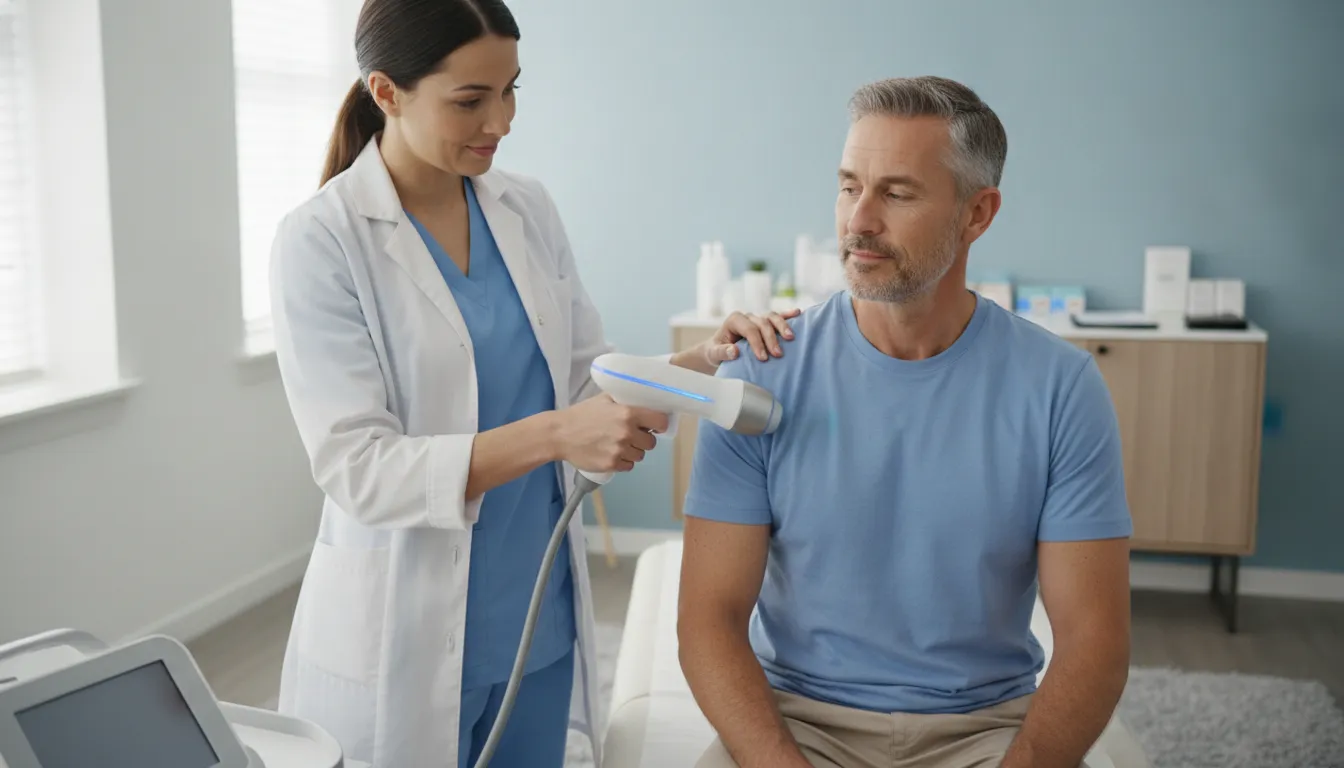
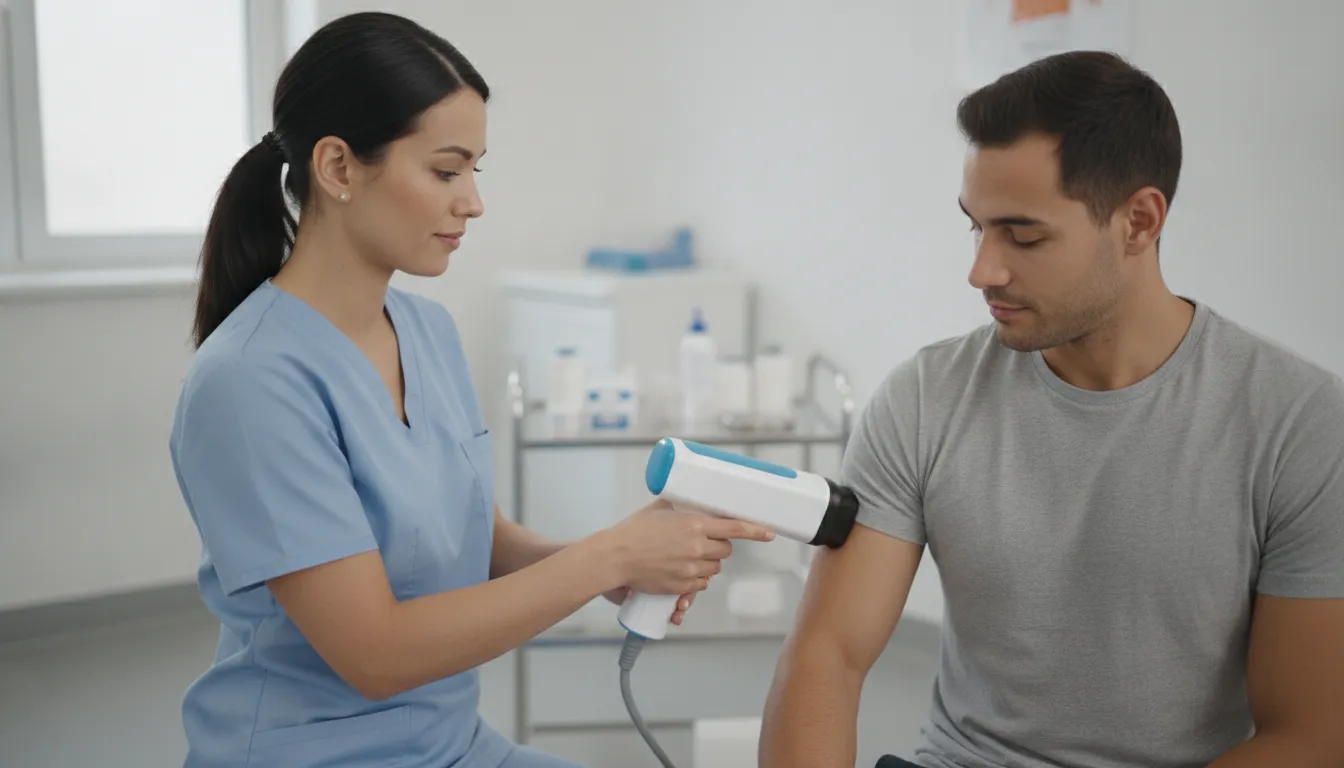
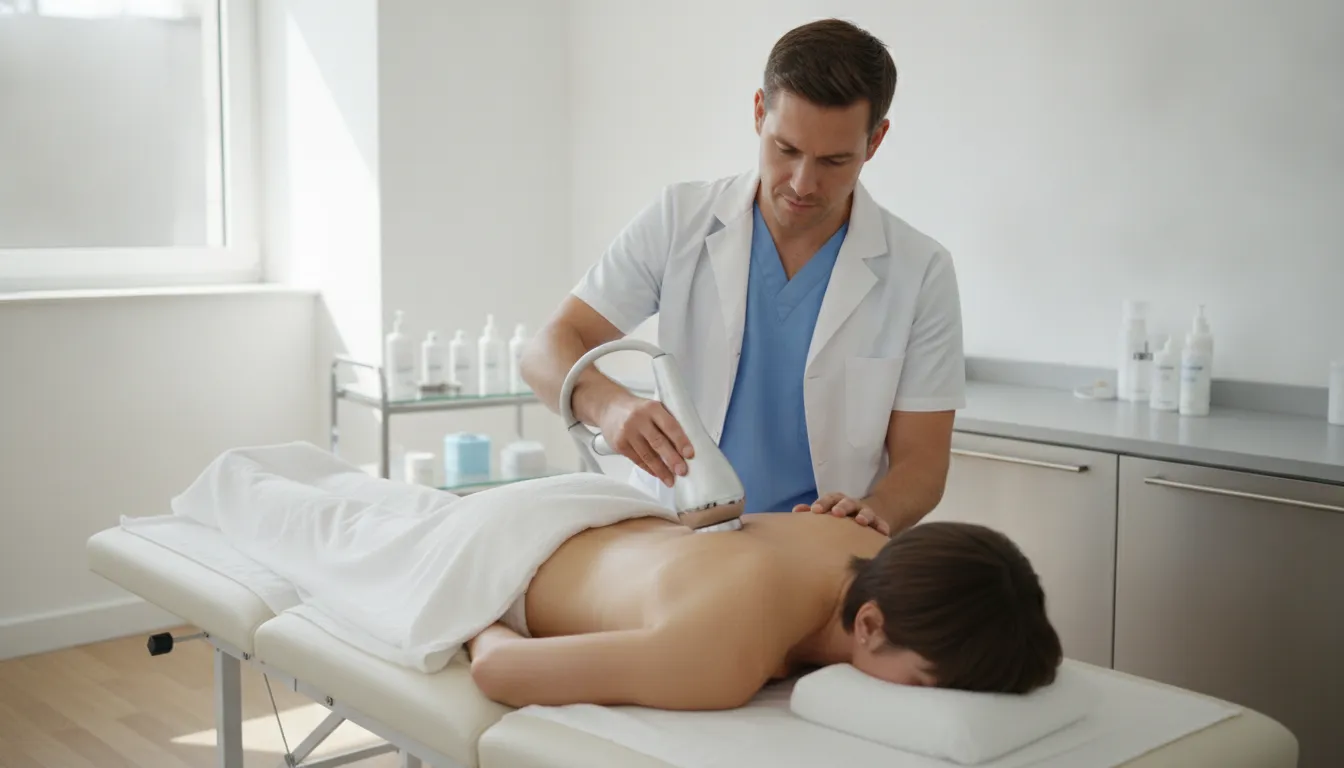
Shock wave therapy is a non-invasive treatment that uses controlled acoustic energy to interact with painful or damaged tissue. During a session, a provider places a handheld applicator against the skin and directs waves into a specific treatment area. The procedure does not require an incision, anesthesia, or medication, although treatment settings and sensations vary by device, condition, and clinical protocol.
The goal is not only to make an area feel better temporarily. Acoustic waves may influence circulation, cellular activity, nerve sensitivity, and the body’s natural repair response. They may also support changes in tendons, fascia, muscle, bone, wounds, and other tissues. Results depend on the diagnosis, the duration of symptoms, overall health, and the treatment approach. A proper evaluation helps determine whether shock wave therapy is appropriate and how it should fit into a broader plan that may include exercise, rehabilitation, wound care, or activity changes.
How Acoustic Waves Target Tissue
Shock wave therapy sends high-frequency acoustic pulses into a selected area of the body. As the waves pass through the skin and soft tissue, they can interact with tendons, fascia, muscle, bone, and other structures. The provider adjusts the treatment location, intensity, and technique based on the tissue involved, the patient’s symptoms, and the clinical goal.
Acoustic waves may support local circulation and encourage the release of signaling molecules involved in tissue repair. They may also affect scar tissue, calcific deposits, and sensitive nerve endings. Since the treatment is non-invasive, it does not create a surgical opening or require incision-related recovery. It remains a clinical procedure, however, and should be performed by a trained professional using an appropriate protocol. SoftWave’s technology overview explains how its non-invasive treatment is used to support pain relief and tissue healing.
Compare Focused, Radial, and Broad Acoustic Waves
Shock wave devices do not all deliver acoustic energy in the same way. Focused waves concentrate energy at a particular depth, which may help a provider target deeper tissue. Radial waves spread outward from the applicator and typically deliver their strongest energy closer to the skin. Providers may use them for superficial muscles, tendons, and soft-tissue areas.
Broad acoustic wave systems distribute energy across a wider treatment field. SoftWave Tissue Regeneration Technology uses a broad, unfocused acoustic wave approach, according to the company’s description of SoftWave TRT. The appropriate approach depends on the diagnosis, tissue depth, treatment objective, and device-specific evidence. Since “shock wave therapy” can describe different technologies, ask which type of wave a provider uses and why it suits the condition being treated.
How Mechanotransduction Signals Tissue Change
Mechanotransduction describes how cells respond to physical forces. During shock wave therapy, acoustic pulses create mechanical stimulation in the treated tissue. Cells can sense that stimulation and respond by changing their activity, communication, and repair signals. This process may influence circulation, metabolic activity, and the local environment around an injury.
Some descriptions refer to this process as controlled microtrauma. That term does not mean the goal is to injure healthy tissue. It describes a carefully delivered mechanical stimulus intended to encourage a biological response. The response may involve changes in inflammation, vascular activity, and tissue remodeling. Improvement is not immediate for everyone, and results can vary based on the condition, symptom duration, general health, and treatment plan. A qualified provider should explain the expected tissue response and how progress will be measured.
How Shock Waves Modulate Pain and Support Recovery
Shock wave therapy may affect pain through several pathways. The acoustic stimulus can influence nerve sensitivity and how pain signals are processed in the treated area. It may also support changes in the underlying tissue when symptoms are associated with tendinopathy, restricted mobility, scar tissue, or another localized musculoskeletal problem.
Pain relief does not always occur during the appointment. Some people notice a change soon afterward, while others experience gradual improvement across several sessions. Pain is only one measure of progress. A provider may also assess range of motion, strength, walking tolerance, work capacity, or the ability to return to sport. Because pain can have several causes, shock wave therapy should complement a complete assessment rather than replace diagnosis, exercise, load management, or other appropriate care.
How SoftWave TRT Supports Non-Invasive Shock Wave Therapy
SoftWave TRT is a non-invasive acoustic wave treatment designed to support pain relief and the body’s healing response. Trained healthcare professionals use the system in orthopedic care, physical therapy, sports medicine, podiatry, wound care, and regenerative medicine. SoftWave’s specialty applications show how providers may incorporate the technology into different clinical settings.
SoftWave TRT does not replace a medical evaluation. A provider still needs to identify the likely source of symptoms, review relevant health information, and decide whether acoustic wave therapy is appropriate. The treatment plan may also include exercise, manual therapy, wound care, activity changes, or other services. Clinics considering the technology can review SoftWave’s device offerings and provider resources before deciding how the system may fit their practice.
Treat Tendons, Fascia, and Calcific Deposits
Shock wave therapy is commonly considered for persistent tendon and soft-tissue conditions. Examples include plantar fasciitis, Achilles tendinopathy, tennis elbow, and selected cases of shoulder pain. Providers may also use it around areas of tight or irritated fascia, particularly when symptoms continue despite appropriate conservative care.
Some protocols address calcific deposits, including calcium buildup associated with calcific shoulder tendinopathy. The purpose is not simply to treat an imaging finding. A clinician should connect imaging results with the patient’s symptoms, movement limitations, and physical examination. Treatment settings and outcomes can vary based on tissue depth, the size and location of the deposit, and the device used. SoftWave’s information on musculoskeletal applications offers examples of conditions healthcare professionals may address with its technology.
Apply Shock Wave Therapy to Wounds, Bone Healing, and Specialty Care
Shock wave therapy has applications beyond common muscle and tendon pain. Some providers use acoustic wave technology as part of care for chronic or non-healing wounds. Others apply it in orthopedic, podiatric, sports medicine, or regenerative medicine settings. When healing is delayed, treatment should be combined with wound assessment, infection management, pressure relief, circulation evaluation, and any other necessary medical care.
Research and clinical use also explore applications related to bone healing and selected specialty conditions. The evidence is not equally strong for every use, and a treatment that may suit one diagnosis may not suit another. SoftWave outlines its specialty treatment areas for providers, while patients should ask about the expected benefits, alternatives, and evidence for their specific condition before beginning treatment.
Understand Treatment Sensations, Sessions, and Recovery
During treatment, patients may feel tapping, pressure, warmth, or brief discomfort as the applicator moves across the area. The sensation can change with the treatment location and intensity. Providers may adjust the settings and applicator position to keep the procedure tolerable while following the planned protocol.
The number and spacing of sessions depend on the condition, symptom duration, treatment area, and device. Some people report improvement after a few visits, while others need more time before noticing changes in pain or function. Mild tenderness or sensitivity may occur afterward. Many patients return to normal activities quickly, but activity recommendations should come from the treating provider, especially when tissue is already irritated or healing from an injury. Track symptoms between visits so the clinician can adjust the plan based on meaningful changes.
Weigh Shock Wave Therapy Benefits and Limits
Potential benefits of shock wave therapy include a non-invasive approach, no surgical incision, and the ability to treat a local area without relying on pain medication. For an appropriate condition, it may support pain reduction, movement, tissue healing, or rehabilitation. The strongest rationale usually comes from a clear diagnosis and a treatment plan that includes rehabilitation rather than treating acoustic waves as a standalone solution.
Limits matter, too. Results can differ between conditions, devices, protocols, and patients. Temporary tenderness, redness, swelling, or bruising may occur. Shock wave therapy may not be appropriate over certain areas or for people with specific medical risks. Before treatment, providers should review medications, bleeding risk, pregnancy, circulation, infection, and other relevant factors. Ask what evidence supports the proposed use, what outcomes will be measured, and which alternatives are available.
What Is TENS, and How Does It Work?
Transcutaneous electrical nerve stimulation, commonly called TENS, is a non-invasive approach to temporary pain management. A small, battery-powered unit connects to adhesive electrode pads placed on the skin near the painful area. When the device is turned on, it sends controlled, low-voltage electrical impulses through the pads and into the surrounding tissues.
TENS is different from shock wave therapy. Shock wave therapy uses acoustic energy to stimulate a treatment area, while TENS primarily affects how the nervous system processes pain signals. TENS may help some people manage discomfort during daily activities or rehabilitation, but it does not directly repair damaged tissue or correct an underlying structural problem.
Results vary based on the diagnosis, electrode placement, device settings, and individual response. Some people experience relief during stimulation, while others notice an effect shortly afterward or receive little benefit. The Cleveland Clinic’s overview of TENS explains how this treatment works and which precautions patients should discuss with a healthcare professional.
Define TENS (Transcutaneous Electrical Nerve Stimulation)
TENS stands for transcutaneous electrical nerve stimulation. “Transcutaneous” means through the skin, describing how the device delivers electrical impulses through adhesive electrode pads. Pads are commonly placed around, rather than directly over, a painful area, although placement depends on the treatment goal and the device instructions.
A handheld controller lets the user or provider adjust settings such as intensity, pulse frequency, and session duration. The stimulation should feel noticeable but comfortable. Depending on the settings, a person may feel tingling, pulsing, buzzing, or gentle tapping.
TENS does not require needles, incisions, or medication, which makes it appealing as part of a broader pain-management plan. Still, electrode placement and settings affect the treatment experience. Venn Healthcare’s comparison of TENS and shock wave therapy explains how the two approaches deliver energy in different ways.
Understand Gate Control and Natural Pain Modulation
TENS is often described using the gate control theory of pain. In simple terms, electrical impulses stimulate sensory nerves that may compete with pain signals traveling toward the brain. This can change how strongly a person perceives pain while the stimulation is active or shortly afterward.
Some TENS settings may also interact with the body’s natural pain-modulating systems. The exact response depends on the treatment frequency, intensity, electrode placement, and type of pain. These effects do not mean TENS repairs a torn tendon, removes a calcific deposit, or closes a wound.
Instead, TENS primarily aims to reduce the perception of pain. A qualified provider can help determine whether that goal fits the suspected pain mechanism and the patient’s rehabilitation plan. If pain comes with weakness, numbness, swelling, or loss of function, an evaluation should come before relying on a portable device.
Set Electrodes, Pulses, and Treatment Times
A TENS session typically begins with clean, intact skin and electrode pads positioned according to the treatment instructions. Pads may be placed on either side of a painful area, along a nerve pathway, or near a muscle. Users should avoid placing electrodes over broken or infected skin, the front or side of the neck, the head, or directly over the chest unless a qualified professional provides specific guidance.
TENS units offer different settings, and stronger stimulation is not always more effective. The current should usually feel strong enough to notice without causing pain, burning, or excessive muscle contraction. Treatment duration varies by device, condition, and care plan.
Research protocols also differ. One randomized trial used 100 Hz stimulation for 15 minutes during weekly treatments, but a study protocol should not automatically become a home-use schedule. Follow the device instructions and any settings recommended by a healthcare professional.
Compare At-Home TENS With Provider-Guided Treatment
Many TENS units are available through pharmacies and online retailers. After receiving appropriate instruction, some people can use a portable unit at home when pain affects sleep, work, exercise, or daily activities. This convenience can make TENS easier to include in a long-term pain-management plan than frequent clinic visits.
Provider-guided treatment offers additional oversight. A physical therapist or another qualified professional can assess the suspected condition, suggest electrode locations, adjust settings, and monitor skin reactions or changes in symptoms. This guidance becomes especially important when pain is severe, persistent, radiating, or associated with weakness.
A TENS unit should support an appropriate care plan, not replace an evaluation. Persistent pain can reflect a tendon injury, nerve problem, fracture, infection, or another condition that requires targeted treatment. Patients should seek professional advice before using TENS for unexplained or worsening symptoms.
Use TENS for Acute, Chronic, Neuropathic, and Rehabilitation Pain
TENS may be considered for several types of discomfort, including back pain, osteoarthritis, fibromyalgia, sports injuries, post-surgical pain, and some neuropathic pain. It is also sometimes used during rehabilitation when discomfort makes therapeutic exercise, stretching, gait training, or strengthening more difficult.
Its usefulness depends on the diagnosis and the individual response. Nerve-related pain may respond differently from muscle soreness or joint pain, and a unit that helps one person may provide little relief for another. TENS should not be used to ignore worsening symptoms or push through an injury without clinical guidance.
The National Center for Complementary and Integrative Health notes that research findings vary across pain conditions. A provider can help weigh the available evidence, the patient’s goals, and other treatment options before recommending TENS.
Understand TENS Sensations and Relief Duration
TENS commonly feels like tingling, buzzing, pulsing, or light tapping beneath the electrode pads. The sensation should remain tolerable throughout the session. Sharp pain, burning, intense cramping, dizziness, or a new change in symptoms is a reason to stop treatment and contact a healthcare professional.
Skin should be checked after each session, particularly when electrodes are used often. Redness that does not settle, blistering, or a rash may indicate irritation from the pads, adhesive, or stimulation settings.
Relief may begin during treatment or shortly afterward. For some people, it lasts minutes or hours. Others notice little change, even after trying different settings or electrode positions. Keeping a record of pain levels, activities, treatment settings, and relief duration can help determine whether TENS provides a meaningful benefit.
Weigh TENS Benefits, Limits, and Adherence
TENS offers several practical benefits: it is non-invasive, medication-free, portable, and relatively easy to use after instruction. It may provide short-term comfort and help some people complete daily tasks or rehabilitation exercises with less discomfort. Home use can also reduce the need for frequent clinic appointments.
There are important limits. TENS does not heal damaged tissue, correct poor biomechanics, remove a structural problem, or guarantee lasting pain relief. Evidence is mixed across conditions, and inconsistent use can make its value difficult to judge. Some people also stop using TENS because the pads irritate their skin or the sensation feels uncomfortable.
A realistic treatment schedule, comfortable electrode placement, and clear instructions can support adherence. If pain continues, worsens, or affects strength and function, the next step should be a clinical assessment rather than simply increasing the stimulation intensity.
Shock Wave Therapy vs. TENS: Key Differences
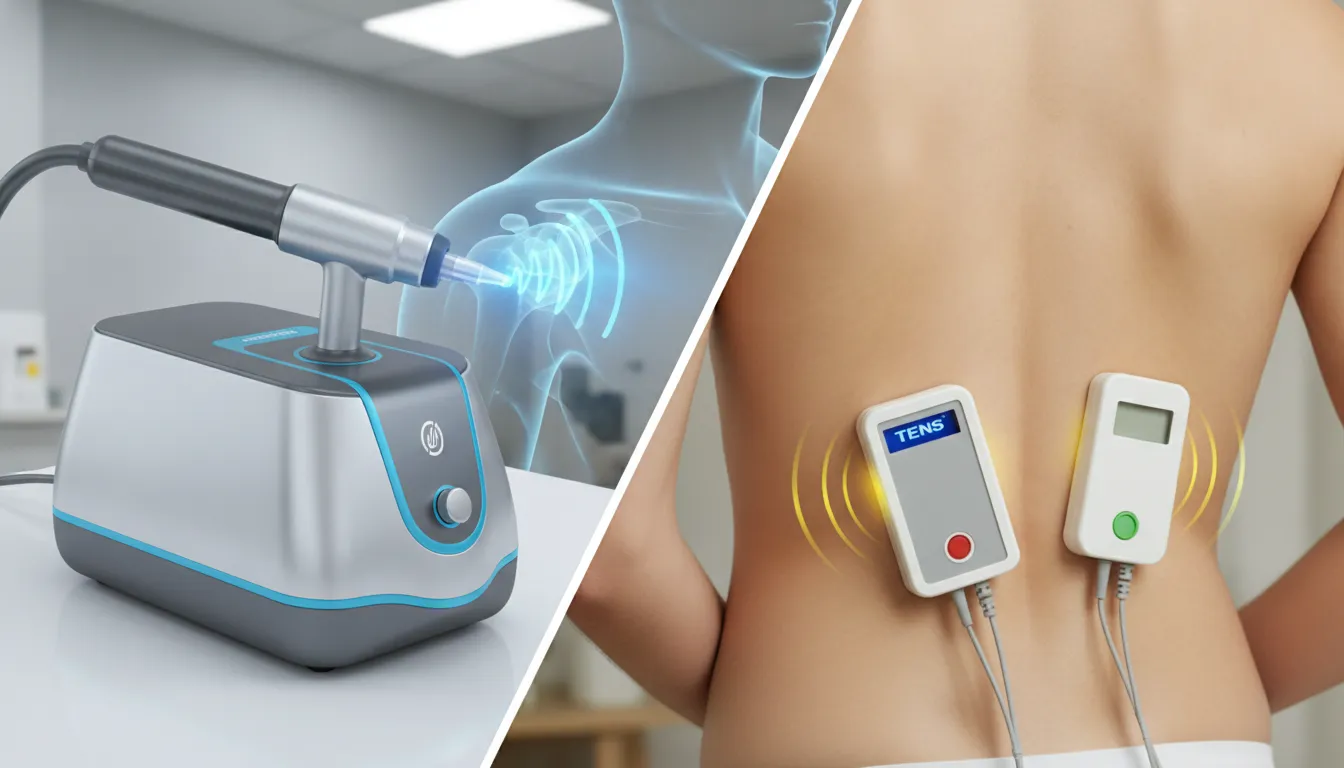
Shock wave therapy and transcutaneous electrical nerve stimulation (TENS) can both support pain care, but they work in different ways. Shock wave therapy delivers mechanical acoustic energy to a selected area of the body. TENS uses mild electrical impulses delivered through electrodes placed on the skin.
This difference affects the treatment goal. Shock wave therapy is generally used as a tissue-focused treatment for selected musculoskeletal conditions. Depending on the device and protocol, it may support local biological responses related to tissue repair, circulation, and remodeling. TENS primarily affects sensory nerve activity and pain perception. It can make discomfort easier to manage, but it does not directly treat every structural problem contributing to pain.
Neither option is automatically the better choice. The right approach depends on the diagnosis, the patient’s symptoms, the treatment goal, safety considerations, and the available evidence for that condition. A provider may recommend one therapy, the other, or both as part of a broader rehabilitation plan.
Compare Energy Sources and Biological Targets
Shock wave therapy uses acoustic waves, which are mechanical pulses that travel through the body and interact with targeted tissue. A provider selects the treatment area and adjusts the device settings according to the condition, tissue sensitivity, and intended clinical goal. The treatment is not simply an electrical current applied to the skin.
TENS uses low-voltage electrical impulses delivered through adhesive electrode pads. These impulses primarily affect sensory nerves near the skin and may influence how the nervous system transmits and processes pain signals. They do not deliver acoustic energy to a tendon, fascia, or other deeper structure. SoftWave’s technology overview explains its non-invasive, acoustic-energy approach to musculoskeletal care.
Compare Tissue Treatment With Pain-Signal Modulation
The main difference is the treatment target. Shock wave therapy is tissue-focused. A provider applies the device to a specific area with the goal of supporting local responses that may contribute to tissue recovery and remodeling. This approach may be considered when pain is associated with a persistent tendon, fascia, muscle, or other soft-tissue problem.
TENS is primarily focused on pain-signal modulation. It may reduce the intensity of discomfort and help a patient move, sleep, or participate in physical therapy, but it does not directly repair a damaged tendon or remove a calcific deposit. This distinction does not make TENS less useful. It means the therapy serves a different purpose. A clinical comparison of shock wave therapy and TENS provides additional context.
Compare Gradual Responses With Relief During Stimulation
TENS often provides relief during treatment or shortly afterward. The duration of relief varies according to the person, diagnosis, electrode placement, device settings, and treatment schedule. Some patients experience benefits after stimulation ends, while others notice that discomfort returns when the device is removed.
Shock wave therapy may produce a more gradual response. Some patients notice changes after an early session, while others require a series of treatments before they recognize meaningful improvement. Benefits may continue to develop after the treatment series as the body responds to the mechanical stimulus. Research comparing radial extracorporeal shock wave therapy with TENS also shows why results should be interpreted according to the condition studied.
Compare In-Clinic Shock Wave Therapy With Portable TENS
Shock wave therapy is generally delivered in a clinic by a trained healthcare professional. The provider evaluates the painful area, identifies the treatment site, selects the device settings, and monitors the patient’s response. Treatment can also be combined with exercise, movement education, activity guidance, and other rehabilitation services.
TENS units are usually portable and may be used at home after a provider explains safe operation. Patients can often use them while resting or completing selected activities, depending on the treatment plan. Portability makes TENS convenient, but it does not replace a clinical assessment. A patient should understand the likely source of pain and know when symptoms require further evaluation. Clinics can review SoftWave’s devices and clinical applications when considering a professional treatment program.
Compare Treatment Dose, Intensity, Comfort, Frequency, and Convenience
Shock wave therapy is prescribed using treatment parameters such as energy level, number of pulses, application area, and session frequency. A provider may adjust these factors according to the condition, tissue sensitivity, and response to care. Patients may feel tapping, pressure, or brief discomfort over tender areas. Mild soreness after treatment is possible.
TENS uses settings such as pulse frequency, intensity, duration, and electrode position. Patients typically feel tingling or pulsing, but stimulation should not be painful or cause skin injury. Because TENS can be used at home, sessions may be more flexible. However, convenience depends on correct electrode placement and consistent use. A higher setting or longer session is not automatically more effective. The treatment dose should fit the diagnosis and the patient’s tolerance.
Assess Device Quality, Provider Expertise, and Treatment Consistency
The device is only one part of a shock wave therapy program. Patient selection, provider training, treatment location, dose, and follow-up all affect how consistently care is delivered. A qualified provider should connect treatment to a clinical assessment and explain what the therapy can and cannot reasonably accomplish. SoftWave’s provider resources and specialty applications outline how treatment may be used across areas such as physical therapy, podiatry, orthopedics, and sports medicine.
TENS outcomes can also vary. Electrode placement, skin contact, settings, treatment time, and adherence all matter. A unit may be easy to purchase, but incorrect use can reduce its value or cause skin irritation. Patients should receive clear instructions and should not assume that more stimulation will produce better results. Consistent use within an appropriate care plan is more important than simply owning a device.
Compare Shock Wave Therapy and TENS
A direct comparison can clarify how the two therapies differ:
- Energy source: Shock wave therapy uses mechanical acoustic waves. TENS uses low-level electrical impulses.
- Primary target: Shock wave therapy targets selected tissues. TENS primarily influences sensory nerve activity and pain perception.
- Typical delivery: Shock wave therapy is usually administered by a trained provider. TENS is often used independently after instruction.
- Treatment setting: Shock wave therapy generally takes place in a clinic. TENS can be used at home or during supervised rehabilitation.
- Expected response: Shock wave therapy may produce gradual changes over a treatment series. TENS often provides relief during or soon after stimulation.
- Clinical role: Shock wave therapy may support tissue-focused care. TENS may support symptom management and participation in activity.
- Follow-up: Both require appropriate assessment. Shock wave therapy requires provider-led application and dosing, while TENS requires safe electrode placement and device use.
These are general distinctions, not guarantees. Results depend on the diagnosis, device, protocol, patient, and wider care plan.
Review Systematic Reviews and Randomized Trials
Research can help providers compare shock wave therapy and TENS, but it does not identify one universal winner. Studies may differ in diagnosis, shock wave type, energy settings, TENS parameters, treatment frequency, comparison groups, and follow-up periods. A result from research on post-stroke spasticity may not apply to plantar fasciitis, chronic tendon pain, or another condition.
One systematic review found that radial extracorporeal shock wave therapy was associated with greater improvements than TENS for certain measures of spasticity and upper-limb function after stroke. That finding is relevant to the population studied, but it does not show that shock wave therapy is superior for every painful condition. The systematic review and meta-analysis illustrates why study design and diagnosis matter when interpreting results.
Understand How Condition, Protocol, and Patient Factors Affect Evidence
A treatment may perform well in a study because researchers used a carefully defined protocol for a specific condition. In practice, patients may have different levels of tissue damage, symptom duration, activity demands, medications, and coexisting conditions. These differences can affect both response and tolerance.
Research may also distinguish between focused and radial devices, while TENS studies may use different pulse patterns, intensities, electrode placements, and treatment durations. Those details matter when applying evidence to clinical care. Providers should look for research that matches the patient’s diagnosis and treatment goal instead of relying on broad claims about either therapy. Sleep, strength, movement patterns, rehabilitation participation, and workload can also affect recovery.
Combine Shock Wave Therapy and TENS to Support Rehabilitation
Shock wave therapy and TENS may have complementary roles when used within a carefully planned program. A provider may use shock wave therapy as a tissue-focused intervention while recommending TENS to help manage discomfort between visits or during selected exercises. Better symptom control may make it easier for a patient to complete strengthening, mobility, or gait work.
Combination treatment should be based on an assessment, not improvised. The provider should identify the diagnosis, establish functional goals, review safety considerations, and track changes in pain and movement. TENS should not be used to hide symptoms while a patient repeatedly overloads an injured area. Shock wave therapy should also be paired with appropriate activity guidance rather than treated as a replacement for rehabilitation. SoftWave’s musculoskeletal applications provide further information for providers considering tissue-focused treatment within a broader clinical program.
Which Conditions Suit Shock Wave Therapy or TENS?
Shock wave therapy and TENS can both play a role in pain care, but they serve different purposes. Shock wave therapy delivers acoustic energy to a targeted area and may be considered when a tendon, fascia, wound, bone, or other localized structure needs focused treatment. TENS, or transcutaneous electrical nerve stimulation, uses mild electrical pulses to influence how the nervous system processes pain. It may help reduce discomfort during movement, rest, or rehabilitation.
The right option depends on the diagnosis, pain mechanism, symptom duration, and treatment goals. A clinician may also consider tissue health, mobility, medications, healing status, and whether the patient needs in-clinic care or a portable home treatment. SoftWave’s musculoskeletal applications include conditions commonly evaluated by orthopedic, physical therapy, sports medicine, and regenerative care providers.
Use Shock Wave Therapy for Tendons, Fascia, and Localized Musculoskeletal Pain
Shock wave therapy may suit pain connected to a specific tendon, fascia, joint, or soft-tissue region. Providers commonly consider it for chronic tendon problems, plantar fascia pain, muscle issues, and other localized musculoskeletal conditions that have not improved with basic care. The treatment is applied to a defined area, allowing the provider to focus on the tissues identified during the assessment.
This approach is different from general pain relief because it targets a particular region rather than only changing how the nervous system perceives symptoms. However, localized pain does not always come from the tissue that feels sore. Nerve irritation, referred pain, joint problems, and movement limitations can create similar symptoms. A careful evaluation helps determine whether shock wave therapy fits the diagnosis. SoftWave explains its approach to shock wave technology and its clinical applications for providers.
Treat Plantar Fasciitis, Achilles Tendinopathy, Tennis Elbow, and Calcific Shoulder
Shock wave therapy is often considered for persistent tendon or fascia conditions, including plantar fasciitis, Achilles tendinopathy, tennis elbow, and selected cases of calcific shoulder. These conditions may involve repeated loading, reduced tissue tolerance, degeneration, inflammation, or calcium deposits around a joint or tendon.
The diagnosis still matters. Heel pain may result from plantar fascia irritation, nerve involvement, a stress injury, or another condition requiring a different plan. Pain near the Achilles tendon may involve the tendon, its surrounding tissue, or a partial tear. Providers may combine shock wave therapy with progressive strengthening, mobility work, activity changes, and other rehabilitation strategies. The aim is to address the affected tissue while helping the patient return to walking, work, exercise, or sport.
Address Sports Injuries, Persistent Load-Related Pain, and Selected Orthopedic Conditions
Athletes and active patients may be considered for shock wave therapy when pain continues after repeated training, competition, or a sports injury. Providers may use it as part of care for selected tendon, fascia, muscle, and joint conditions, particularly when symptoms interfere with performance or daily activities.
Shock wave therapy is not limited to elite athletes. It may also suit people whose work or routines place repeated stress on a body region. Before treatment, the provider should determine whether the injury is acute, chronic, stable, or associated with structural damage that requires another intervention. Treatment may be most useful alongside load management and a gradual return to activity. SoftWave’s specialty applications describe how providers may use the technology across sports medicine, orthopedics, physical therapy, and related disciplines.
Apply Shock Wave Therapy to Bone Healing, Wound Care, Podiatry, Urology, and Other Specialties
Shock wave therapy has applications beyond common tendon complaints. Depending on the device, indication, and provider training, shock wave technology may be used in wound care, bone healing, podiatry, urology, orthopedic care, regenerative medicine, and other specialties. Each area requires specific protocols, patient screening, and outcome measures.
The treatment goal can differ considerably by specialty. Wound care may focus on tissue repair and wound progress, while orthopedic care may focus on pain, movement, and function. Podiatry may involve foot and ankle conditions, whereas urology involves different anatomy and clinical considerations. Providers should follow device clearance, labeling, training requirements, and clinical protocols. SoftWave’s devices provide more information for clinics evaluating technology for specialty care.
Use TENS for Back Pain, Osteoarthritis, Fibromyalgia, and Post-Surgical Pain
TENS may be useful when the immediate goal is to reduce the experience of pain during movement, rest, or rehabilitation. Clinicians and patients commonly consider it for back pain, osteoarthritis, fibromyalgia, and discomfort after surgery. Research and clinical guidance indicate that results can vary, so TENS should be viewed as one part of a broader plan rather than a treatment for every pain condition. Clinical guidance on TENS also emphasizes the importance of matching treatment to the person’s needs.
TENS does not repair a tendon or directly treat a wound. Instead, electrical stimulation may affect how pain signals are processed by the nervous system. A patient may use TENS in a clinic or with a portable unit at home, depending on provider guidance. Electrode placement, pulse settings, session length, and skin tolerance all influence the experience. Some people feel relief during stimulation, while others notice little change.
Use TENS for Neuropathic Pain and Rehabilitation Discomfort
TENS may also be considered for neuropathic pain, which can feel like burning, tingling, electric shocks, or increased sensitivity. It may help some patients manage discomfort during rehabilitation, particularly when pain makes it difficult to complete exercises or daily tasks.
A clinician should still investigate the source of nerve-related symptoms. Neuropathic pain can result from compression, injury, metabolic conditions, or medication effects, and TENS may reduce symptoms without addressing the underlying cause. A provider might recommend TENS before or during exercise if it helps the patient move more comfortably. However, new weakness, worsening numbness, poor coordination, or changes in bladder or bowel control require prompt medical assessment rather than self-treatment.
Match Treatment to Acute Injuries or Persistent, Load-Related Conditions
Timing matters when comparing shock wave therapy and TENS. A new injury may involve swelling, bleeding, instability, or tissue damage that requires protection and assessment before any device-based treatment. Immediate priorities may include identifying the injury, changing activity, and following an appropriate acute-care plan.
Persistent, load-related pain raises a different set of questions. If symptoms have continued for weeks or months and appear connected to a tendon, fascia, or other localized structure, a provider may evaluate whether shock wave therapy fits the diagnosis. TENS may be considered when the immediate goal is symptom control during activity or rehabilitation. Pain duration alone does not determine the best treatment. The injury mechanism, tissue status, functional limitations, and factors maintaining the symptoms also matter.
Match Treatment to Diagnosis, Pain Mechanism, and Timing
A useful treatment decision starts with the source and mechanism of pain. Localized tendon or fascia pain may call for a tissue-focused assessment, while burning or electric pain may require a neurological evaluation. Widespread pain, post-surgical discomfort, and pain related to joint degeneration each involve different clinical considerations.
Two people with similar pain scores may respond differently because their underlying conditions are not the same. A provider may review medical history, examine movement and strength, check for warning signs, and order imaging or other tests when appropriate. The resulting plan may include shock wave therapy, TENS, exercise, medication, surgery, or a combination of approaches. Choosing based on diagnosis is more reliable than selecting a device based only on convenience or popularity.
Understand Why Results Differ by Condition
No treatment works equally well for every condition or patient. Outcomes may depend on the tissue being treated, symptom duration, disease severity, treatment settings, provider technique, and participation in rehabilitation. Expectations also matter. Shock wave therapy may involve a series of in-clinic sessions and a gradual response, while TENS may provide relief mainly during or shortly after stimulation.
Sleep, activity levels, smoking, diabetes, medication use, previous surgery, and adherence to exercise can also affect pain and recovery. Providers should track meaningful changes, including walking tolerance, strength, range of motion, work capacity, and daily function, instead of relying on pain scores alone. If a treatment is not helping, the plan should be reassessed. Reviewing the diagnosis, treatment settings, and rehabilitation strategy can help determine the next appropriate step.
What Results, Side Effects, and Safety Should You Expect?
Results from shock wave therapy and TENS depend on the diagnosis, treatment settings, symptom duration, and the rest of the care plan. Neither treatment produces the same response for every person. A qualified provider should explain the expected timeline, describe what treatment may feel like, and set goals that are specific to your condition.
Before beginning, record your baseline. Include pain intensity, range of motion, strength, sleep quality, work tolerance, walking distance, and any activity that has become difficult. Repeating the same measures throughout treatment gives you and your provider a clearer picture than pain scores alone. The FDA’s guidance on TENS devices also recommends following device instructions and discussing questions with a healthcare professional.
Shock wave therapy and TENS serve different purposes. Shock wave therapy delivers acoustic energy to a treatment area, while TENS uses electrical stimulation to influence pain signals. Your provider may recommend one approach, the other, or a broader rehabilitation plan that includes exercise, activity changes, and other care.
Track Shock Wave Therapy Results for Pain, Mobility, and Function
Shock wave therapy is often included in care plans for persistent tendon, fascia, muscle, and other musculoskeletal conditions. Results may develop gradually rather than immediately. Some people notice a change in pain or movement early in treatment, while others need several sessions before they can identify a meaningful improvement.
Track more than your pain score. Note how far you can walk, whether stairs feel easier, how much weight you can place through the affected area, and whether a specific movement has improved. Someone with plantar fasciitis might record morning pain and walking tolerance. An athlete might track running, jumping, or sport-specific drills. SoftWave describes its tissue regeneration technology as a non-invasive approach used in musculoskeletal and specialty applications.
Symptoms can fluctuate during recovery. Mild, temporary tenderness does not necessarily indicate that treatment has failed, but worsening or persistent symptoms should be reported. Your provider can review the treatment settings and rehabilitation plan based on your response.
Track TENS Results During and After Stimulation
TENS commonly provides pain relief while the device is operating, although some people continue to feel a benefit after the session ends. The response can depend on the pain mechanism, electrode placement, pulse settings, treatment duration, and individual sensitivity. TENS may make movement or therapeutic exercise more comfortable, but it does not address every underlying cause of pain.
Record your pain before, during, and after stimulation. Also note how long relief lasts and whether you can complete an activity that was previously difficult. These details help a clinician decide whether to adjust the settings, reposition the electrodes, or consider another approach. NHS Inform’s TENS guidance explains that TENS is generally used for temporary pain relief and should follow professional or manufacturer instructions.
Do not automatically increase the intensity or treatment time if relief is brief. Even short-term relief may be useful when it helps you participate in exercise or rehabilitation, but ongoing pain still warrants a broader assessment.
Recognize Shock Wave Side Effects: Tenderness, Redness, Swelling, and Bruising
Shock wave therapy is non-invasive, so it does not require an incision or injection. However, the treated area may feel tender during or after a session. Temporary redness, swelling, bruising, tingling, or soreness may also occur, depending on the treatment area, energy settings, and individual response.
Your provider should explain which effects are expected and how long they may last. Follow the aftercare instructions for your specific treatment. Your clinician may recommend temporarily reducing strenuous activity, but do not add medication, ice, or heat unless you have been advised to do so.
Contact your provider if discomfort is severe, lasts longer than expected, or continues to worsen. Also report extensive bruising, increasing swelling, skin changes, or new symptoms. SoftWave provides information about its FDA-cleared devices, but device clearance does not predict an individual result or replace a clinical assessment.
Recognize TENS Side Effects: Skin Irritation and Uncomfortable Stimulation
The most common TENS concerns involve skin irritation and an unpleasant stimulation sensation. Redness, itching, dryness, or soreness may develop beneath the electrodes, particularly when patches are used repeatedly or placed on damp, broken, or sensitive skin. Remove the electrodes and contact a healthcare professional if the reaction is severe or does not improve.
TENS should feel noticeable but tolerable. You may feel tingling, pulsing, or rhythmic tapping, but sharp pain or burning is not expected. Lower the intensity or stop the session if the sensation becomes uncomfortable. Check the electrode position, lead wires, battery, and device instructions before using the unit again.
Use electrodes as directed and replace worn patches when they no longer adhere properly. Poor contact can create uneven stimulation and increase skin discomfort. A clinician or physical therapist can help you choose a comfortable setting and demonstrate proper electrode placement for your condition.
Screen for Medications, Bleeding Risk, Pregnancy, and Treatment Sites Before Shock Wave Therapy
Share your complete medical history before shock wave therapy. Include prescription and over-the-counter medications, recent procedures, pregnancy, bleeding or clotting conditions, circulation problems, neurological conditions, implanted devices, and changes in sensation. Your provider may need to consider blood-thinning medication or other factors that could increase bruising or affect treatment suitability.
The treatment site also matters. A clinician may avoid areas with active infection, certain open wounds, tumors, impaired sensation, or other conditions that could increase risk. Do not stop prescribed medication on your own. Ask your prescribing clinician and treatment provider to review your situation together.
A qualified provider should determine whether the treatment fits your diagnosis, body area, and goals. SoftWave outlines musculoskeletal applications for several care settings, but the appropriate treatment plan remains patient-specific.
Check TENS Precautions for Implanted Devices, Pregnancy, Skin, Sensation, and Electrode Placement
Tell your clinician about pacemakers, implanted defibrillators, neurostimulators, insulin pumps, or other implanted electronic devices before using TENS. TENS may not be appropriate for everyone with an implant, and electrode placement can affect safety. Get individualized guidance instead of relying only on general device instructions.
Avoid placing electrodes on broken, infected, inflamed, or numb skin unless a qualified clinician specifically directs you to do so. Do not place pads across the front or sides of the neck, over the eyes or head, directly over the heart, or in another restricted area listed in the instructions. Pregnancy also calls for professional guidance, particularly when considering abdominal, pelvic, or lower-back placement.
Use TENS only when you can recognize and describe the sensation. Reduced sensation may make it harder to notice excessive stimulation or skin injury. Review the NHS guidance on TENS safety and ask a clinician to demonstrate electrode placement if you are unsure.
Track Pain, Strength, Mobility, and Daily Function
A complete outcome review should include pain, strength, mobility, and daily function. Pain ratings are useful, but they do not tell the whole story. You may have the same pain score while standing longer, sleeping better, walking farther, or returning to an activity that had become difficult.
Choose two or three measures that relate directly to your goals. You might record walking distance, grip strength, range of motion, sitting tolerance, stair climbing, or the ability to complete a work task. Use the same test conditions each time, and note factors such as poor sleep, unusual activity, or a symptom flare that could affect the result.
Your provider may use questionnaires, movement assessments, strength tests, or condition-specific measures. Share improvements and setbacks at every visit. If TENS makes exercise more comfortable, record whether that benefit helps you complete rehabilitation. If shock wave therapy changes local tenderness or movement, note when the change appears and how long it lasts.
Identify Red Flags That Require Professional Evaluation
Seek prompt medical advice for severe or rapidly worsening pain, marked swelling, spreading redness, fever, drainage, new weakness, progressive numbness, loss of coordination, or a significant change in limb color or temperature. These symptoms may require evaluation rather than another treatment session.
After TENS, stop using the device and seek guidance if you develop a burn, persistent skin reaction, chest discomfort, palpitations, dizziness, shortness of breath, or unusual muscle contractions. After shock wave therapy, report intense or persistent pain, extensive bruising, increasing swelling, or symptoms that do not match the aftercare instructions you received.
Sudden weakness, loss of bladder or bowel control, severe unexplained pain, or numbness affecting a large area requires urgent medical attention. Do not use either treatment to postpone an assessment of a new injury or serious symptom. A qualified healthcare professional can determine whether treatment should continue, change, or pause while the underlying cause is evaluated.
How Do You Choose Between Shock Wave Therapy and TENS?
Choosing between shock wave therapy and transcutaneous electrical nerve stimulation, or TENS, starts with understanding what each treatment is designed to do. Shock wave therapy uses acoustic energy directed at a treatment area, while TENS uses mild electrical impulses delivered through electrodes on the skin. Neither treatment is the right choice for every person, diagnosis, or stage of recovery.
A provider will consider your symptoms, medical history, pain mechanism, tissue involvement, treatment goals, and current level of function. They may also recommend exercise, manual therapy, activity changes, medication, or other interventions alongside either treatment. A clinical assessment matters because the same symptom, such as heel pain or low back pain, can have several possible causes.
For patients, the decision often comes down to whether the priority is tissue-focused care, temporary symptom relief, or a combination of both. For clinics, the decision also includes device quality, provider training, patient selection, clinical evidence, treatment protocols, and workflow. SoftWave provides information about its musculoskeletal applications for providers considering where non-invasive shock wave therapy may fit within a broader care plan.
Choose Shock Wave Therapy for Tissue-Focused Treatment
Shock wave therapy may be considered when pain is associated with a specific tendon, fascia, ligament, muscle, bone, or other tissue. Instead of placing electrodes over the skin, a provider applies acoustic waves to a selected treatment area. The treatment is intended to support a local biological response and address tissue-related factors that may contribute to pain.
Providers may consider shock wave therapy for conditions such as plantar fasciitis, tendinopathy, calcific deposits, and selected orthopedic or sports injuries. It does not replace a diagnosis, and results may differ based on the condition, how long it has been present, tissue health, and the rehabilitation plan. Reviewing SoftWave technology can help providers understand how the system is designed for clinical use.
Choose TENS for Short-Term or At-Home Pain Management
TENS may be useful when the immediate goal is temporary pain relief during rest, movement, or rehabilitation. A TENS unit sends controlled electrical impulses through electrodes placed on the skin. These impulses may influence pain signaling and the nervous system’s pain-modulation processes, but they do not directly address every underlying tissue problem.
Many TENS devices are portable, so patients may use them at home after receiving guidance from a qualified professional. Relief may occur during stimulation or continue for a short time afterward, although responses vary. TENS can be a practical addition to care when pain makes movement or exercise difficult. Persistent, worsening, or unexplained pain still requires appropriate clinical evaluation.
Consider Goals, Diagnosis, Timing, Cost, Access, and Convenience
Start by identifying what you want treatment to help you do. If pain is preventing you from sleeping, moving comfortably, or completing exercises, temporary TENS relief may make rehabilitation easier. If an evaluation identifies a persistent, localized tissue problem, a provider may consider shock wave therapy as part of a tissue-focused treatment plan.
Timing also matters. A recent injury, long-standing tendinopathy, post-surgical pain, and nerve-related symptoms may call for different strategies. Cost, insurance coverage, travel, treatment frequency, and access to a trained provider can affect the practical choice. Discuss these factors with your care team rather than relying only on advertised device features. Clinics can review SoftWave device options as one part of evaluating available treatment systems.
Pair Either Treatment With Clinical Assessment and Rehabilitation
Shock wave therapy and TENS are generally most useful when they support a broader clinical plan. An assessment can identify the likely source of pain, measure movement or strength limitations, and reveal factors that may delay recovery. Those findings help a provider determine whether to use one treatment, both treatments, or neither.
Rehabilitation may include progressive strengthening, mobility work, balance training, load management, footwear changes, or movement retraining. TENS may make exercises more comfortable, while shock wave therapy may be included alongside a plan to restore tissue capacity gradually. Providers should monitor pain, function, range of motion, strength, and activity tolerance instead of judging progress by pain intensity alone.
Combine Shock Wave Therapy and TENS When Appropriate
Some patients may use both treatments because they serve different purposes. A provider could use shock wave therapy as part of a plan for a localized tissue condition, then recommend TENS for temporary comfort between visits or during rehabilitation exercises. This approach may help when pain limits participation in activities that support recovery.
The treatments should not be combined automatically. A provider should consider skin condition, sensation, implanted devices, medications, bleeding risk, pregnancy, the treatment site, and the suspected diagnosis. TENS electrode placement also requires care, and patients should follow instructions for their specific device. Any combined plan should have a clear purpose, measurable goals, and regular review to determine whether each treatment is helping.
Ask a Qualified Provider These Questions
Before starting either treatment, ask:
- What is the likely cause of my pain?
- Is the goal to influence pain signals, address a tissue problem, improve function, or support all three?
- What evidence supports this treatment for my diagnosis?
- How many sessions or how much home use might I need?
- What should I feel during and after treatment?
- What side effects or warning signs should I report?
- What exercises or activity changes should I follow?
- How will we measure whether treatment is helping?
- Are there safer or more suitable alternatives for my situation?
For shock wave therapy, ask which device and treatment protocol the provider uses, how they were trained, and whether the treatment fits your condition. For TENS, ask where to place the electrodes, how long to use the unit, and when to stop. A qualified care team can personalize the decision instead of relying on a general recommendation.
Assess These Factors Before Adding Shock Wave Therapy to Your Clinic
Clinics should assess more than a device’s energy settings or purchase price. Start with the patient populations you serve and the conditions you commonly treat. An orthopedic practice may focus on tendinopathy and joint-related applications, while a podiatry, wound-care, sports-medicine, or physical therapy clinic may have different priorities.
Review the device’s intended use, safety information, treatment flexibility, service support, training, and documentation. Consider room setup, treatment time, staff availability, patient comfort, and how the system will fit into existing workflows. Establish screening procedures, informed-consent practices, treatment documentation, and follow-up measures before adding a new treatment service.
Providers can review SoftWave’s specialty applications to see how the technology is presented across disciplines, including orthopedic care, physical therapy, podiatry, sports medicine, wound care, and regenerative medicine.
Evaluate FDA Clearance, Clinical Evidence, Provider Training, and SoftWave TRT Resources
When comparing shock wave therapy systems, verify the device’s FDA-cleared indications. Do not assume that clearance for one use applies to every condition or treatment protocol. Review the clinical evidence for the diagnosis you intend to treat, including the study population, treatment settings, outcome measures, and follow-up period. Evidence for one shock wave approach may not apply directly to another device.
Provider training is also important. Appropriate care depends on patient selection, treatment-site identification, safety screening, energy delivery, and integration with rehabilitation. Ask whether the manufacturer provides structured education, clinical support, treatment guidance, and research resources. SoftWave describes its technology and provider resources for clinics evaluating how SoftWave Tissue Regeneration Technology may fit into their services.
A thorough review should include total ownership cost, maintenance, staff education, documentation requirements, and patient communication materials. These details help a clinic make a responsible decision based on clinical fit and patient care rather than marketing claims alone.
Frequently Asked Questions
Is shock wave therapy the same as TENS?
No. Shock wave therapy uses acoustic energy directed at a specific area of tissue, while TENS sends mild electrical impulses through skin electrodes to influence pain signals. Shock wave therapy is generally used for tissue-focused care, whereas TENS is often used for short-term symptom relief.
Which treatment is better for pain relief, shock wave therapy or TENS?
Neither treatment is universally better. TENS may be helpful when you need temporary relief during rest, movement, or rehabilitation. Shock wave therapy may be more appropriate when an evaluation identifies a persistent, localized problem involving a tendon, fascia, muscle, bone, or another target tissue.
Can shock wave therapy and TENS be used together?
They may be combined when a qualified provider believes each treatment serves a useful purpose. For example, shock wave therapy may address a localized tissue condition, while TENS may help manage discomfort between appointments or during exercises. Your provider should review your diagnosis, medications, skin condition, implanted devices, and treatment goals first.
What does shock wave therapy feel like compared with TENS?
Shock wave therapy may feel like tapping, pressure, warmth, or brief discomfort as the applicator moves over the treatment area. TENS usually feels like tingling, pulsing, or buzzing beneath the electrode pads. Neither treatment should cause severe pain, burning, or a concerning change in symptoms.
How can I tell whether either treatment is working?
Track changes that relate to your daily goals, such as walking distance, range of motion, strength, sleep, exercise tolerance, or work activities. TENS may provide relief during or soon after use, while shock wave therapy may produce gradual changes over several sessions. Report worsening symptoms, persistent side effects, or a lack of meaningful progress to your healthcare provider.
Continue exploring: Find a SoftWave provider | SoftWave clinical research.