Shockwave technologies are used across varied clinical settings, yet the devices themselves differ substantially in energy generation, treatment field, and intended application.
Storz Modulith systems are positioned as focused shockwave devices and are most commonly associated with urologic lithotripsy, with more limited investigation in select cardiovascular applications. The device-specific, peer-reviewed literature for Modulith platforms remains concentrated in urinary stone disease rather than in musculoskeletal or regenerative care, where protocol design often depends on predictable soft-tissue dosing characteristics.
Positioning Storz Modulith within the broader, focused shockwave category helps outline how its marketed features relate to existing shockwave science and where further validation would assist clinical decision-making.
What Storz Modulith Claims To Be
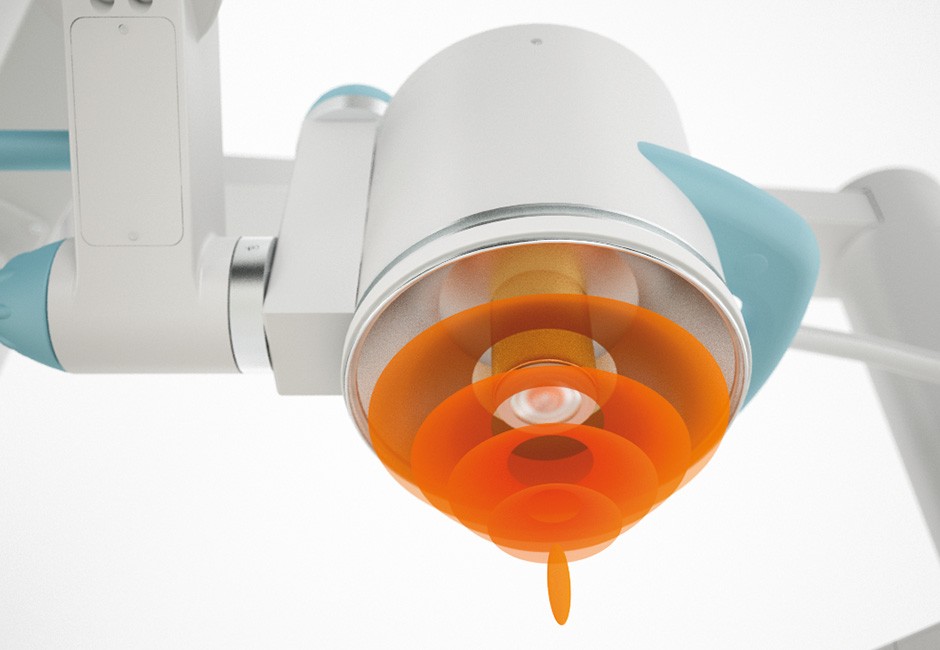
Storz Modulith systems are presented as focused extracorporeal shockwave devices. In manufacturer descriptions, they use electromagnetic energy generation with reflector-based focusing intended to concentrate shockwaves into a defined focal region. These platforms are primarily promoted for stone fragmentation in urology and, in some cases, for cardiac shockwave applications involving low-energy delivery to ischemic tissue. The mechanisms described are consistent with focused shockwave concepts, although device-specific, peer-reviewed studies have not validated their performance outside lithotripsy.
Only a few points about Modulith systems can be stated confidently:
- Published urologic literature describes Modulith devices in extracorporeal shock wave lithotripsy for renal and ureteral stones, including studies of Modulith units that report stone fragmentation and acceptable safety in routine stone treatment (Faragher et al., 2016; Bhojani et al., 2015).
- These data address urinary stone disease and stone-related outcomes rather than musculoskeletal or regenerative indications.
- There are no Modulith-specific, peer-reviewed clinical trials in musculoskeletal or regenerative applications, so any expectations in those areas are extrapolated from broader, focused ESWT literature rather than from studies naming these devices directly.
This places Modulith within the focused shockwave category while underscoring that device-specific evidence remains concentrated in lithotripsy and urologic care instead of broad regenerative applications.
Read: Storz Masterpuls Machines: Cost, Efficacy, & Alternatives
Clinical Evidence Supporting Focused Shockwave Therapy
Although Storz Modulith systems have limited device-specific evidence in musculoskeletal or regenerative care, focused extracorporeal shockwave therapy has been studied extensively as a technology class. Research describes mechanical and cellular responses relevant to tissue repair.
Key observations from focused ESWT literature include:
- Focused ESWT increased microvascular density and collagen remodeling in soft tissue models (Alshihri et al., 2020).
- Studies identify modulation of nociceptor activity and inflammatory mediators such as substance P (Ryskalin et al., 2022).
- Meta-analyses report improved pain and function in chronic plantar fasciopathy, with focused devices included in pooled effects (Sun et al., 2017; Lippi et al., 2024).
- A randomized controlled trial showed that focused ESWT improved pain and upper limb function in patients with lateral epicondylitis compared with ultrasound (Król et al., 2024).
- Focused ESWT has demonstrated clinical improvements in rotator cuff tendinopathy, including calcific forms (Brindisino et al., 2024).
- High-energy focused ESWT has been used for delayed unions and bone stress injuries with documented radiographic or symptomatic improvement (Dahm et al., 2022; Beling et al., 2023).
These findings represent the broader focused ESWT field rather than any one manufacturer. They do not confirm performance, dosing characteristics, or field geometry for a specific focused device, such as a Modulith system, unless that device is explicitly identified in the study methods.
Focused ESWT also carries inherent operational constraints.
- The focal zone is small and requires precise targeting.
- Therapeutic dosing can produce discomfort when energy is concentrated into a narrow region.
- Reproducible outcomes depend on operator technique
- Limited coverage can be challenging in conditions involving multiple structures or diffuse fascial involvement.
These considerations influence how clinicians interpret focused ESWT evidence when evaluating device options for real-world patient presentations.
Where Storz Modulith Fits in Clinical Practice and What Remains Unclear
Storz Modulith is positioned within the focused ESWT category, yet several meaningful gaps in device-specific evidence limit what clinicians can determine about its performance outside lithotripsy.
1. Limited Device Specific Clinical Trials
Published studies naming Modulith devices focus mainly on extracorporeal shock wave lithotripsy for kidney and ureteral stones, with single-center and retrospective cohorts reporting stone-free rates and safety for Modulith systems (Chandrapal et al., 2014; Erdoğan et al., 2025). Evidence for musculoskeletal or regenerative applications is not available in peer-reviewed literature, so performance in these areas remains undefined.
2. Unclear Validation of Non-Lithotripsy Mechanisms
Manufacturer descriptions outline electromagnetic focusing and reflector-based energy delivery, but independent studies confirming tissue effects or biologic responses in soft tissue and regenerative contexts have not been published. How these devices interact with tendon, fascia, or dermal structures remains uncertain.
3. Regulatory Scope That Does Not Cover Broad Indications
Modulith platforms hold regulatory clearance for lithotripsy, with limited use in select cardiovascular applications. Urologic indications, such as noninvasive fragmentation of renal and ureteral calculi, are defined, while broader musculoskeletal or regenerative uses mentioned in marketing are not reflected in documented regulatory pathways.
4. Limited Multidisciplinary Clinical Data
There is no robust evidence base for Modulith devices across orthopedics, sports medicine, wound care, neurology, or podiatry. Without specialty-specific trials, dosing parameters, response rates, and workflow implications in these fields remain unclear, limiting confidence when extending a lithotripsy-oriented device into regenerative or soft-tissue care.
These observations place Modulith within the focused shockwave category while underscoring the need for additional validation before extending expectations beyond lithotripsy and narrow cardiovascular applications.
Why Broad-Focused Shockwave Design Is Gaining Clinical Recognition
Broad-focused shockwave systems are designed to distribute therapeutic energy across a wider field, allowing engagement of both superficial and deep tissues in a single application. This approach has gained attention as clinicians manage conditions involving multiple structures, layered anatomy, or diffuse soft tissue involvement.
Key features of broad-focused design include:
- The ability to influence a larger biological environment rather than a single focal point
- Reduced dependence on pinpoint targeting, which may support consistency across providers
- Improved patient tolerance due to lower peak pressure at any single location
- Efficiency when treating regions where symptoms arise from interconnected tissues
- Coverage that supports protocols involving complex joints, tendinous chains, or broad fascial patterns
- Applicability across diverse clinical areas, such as orthopedics, sports medicine, physical therapy, podiatry, urology, regenerative medicine, and wound care, where multiple tissues contribute to the presentation
These attributes reflect why many clinicians examine broad-focused systems when addressing regenerative indications that extend beyond a localized lesion.
SoftWave Therapy as a Broad Focused Shockwave System With Multidisciplinary Use
SoftWave Therapy is a patented broad-focused shockwave system designed to deliver energy across a wide therapeutic field. Its electrohydraulic source and parabolic reflector generate parallel shockwaves that engage both superficial and deep tissues within a treatment zone measuring approximately 7cm by 12cm. This configuration allows clinicians to address interconnected anatomical structures in a single application.
SoftWave’s technology triggers biological activity relevant to tissue repair, including modulation of inflammation, activation of connective tissue, and angiogenic signaling, while maintaining high patient tolerance. Its wide field design supports use across orthopedics, podiatry, sports medicine, physical therapy, urology, and wound care.
SoftWave holds FDA 510(k) clearances for activation of connective tissue, chronic diabetic foot ulcers, acute second-degree burns, temporary increase in local blood flow, and temporary relief of minor muscle aches and pains. These clearances align with clinical workflows that require treatment of both superficial and deeper structures.
Treatment coverage is a key distinction. Focused systems such as Storz Modulith deliver energy to a small focal region with limited reach beyond the target site. SoftWave’s broad focused field engages a wider anatomical zone, which is important for regenerative indications that require stimulation of multiple tissue layers.
Clinical Factors Used to Evaluate Shockwave Systems
Clinicians typically evaluate shockwave systems through criteria that influence treatment reliability, patient tolerance, and workflow integration. These considerations help determine how a device fits within musculoskeletal, regenerative, or procedural care.
Common evaluation factors include:
- Therapeutic Field Size and Geometry: Field size influences the volume of tissue reached in a single application and how easily complex or layered regions can be treated.
- Depth of Penetration at Therapeutic Dosing: Energy must reach the intended tissue layer without excessive discomfort in superficial structures.
- Patient Tolerance at Clinically Meaningful Energy Levels: Adequate dosing is important for biological response, making comfort a practical concern during protocol development.
- Regulatory Clearances and Indication Scope: FDA or Health Canada authorizations guide how a system can be used within clinical standards.
- Device Specific Clinical Evidence: Trials or reports that name the device provide clearer expectations for dosing, outcomes, and reproducibility.
- Suitability for Multidisciplinary Use: Systems used across orthopedics, sports medicine, podiatry, wound care, neurology, or urology may offer broader clinical utility.
- Workflow and Operational Efficiency: Factors such as treatment duration, handpiece ergonomics, and maintenance needs influence daily integration.
These criteria help clinicians compare focused devices like Modulith with broad-focused systems, clarifying how each design supports different types of clinical presentations and practice needs.
Choosing the Right Shockwave System for Clinical Use
Storz Modulith fits within the focused ESWT category, with established use in lithotripsy but limited device-specific data for musculoskeletal or regenerative care. Focused ESWT can be effective for select conditions, though its small focal zone, higher discomfort at therapeutic dosing, and dependence on precise targeting may limit its efficiency in broader tissue presentations.
Broad-focused systems such as SoftWave reach a wider anatomical region in one application, engaging both superficial and deep layers important for regenerative indications. These design features align with FDA-cleared uses that extend beyond single point targets.
Clinicians select a platform based on treatment field characteristics, regulatory status, and available evidence, matching device design to their patient population and workflow needs.
Learn more about the Best Shockwave Therapy Machine for Providers.
Integrate SoftWave Therapy Into Multidisciplinary Care
SoftWave applies a patented, broad-focused shockwave design that supports high patient tolerance and consistent engagement of both superficial and deep tissues during the same application. Its wide treatment field and electrohydraulic architecture allow clinicians to address complex presentations across multiple specialties. FDA-cleared indications for connective tissue activation, wound management, and tissue-level repair further support its integration into multidisciplinary workflows.
Clinicians who want to review how SoftWave protocols perform in real clinical environments can explore published data, examine specialty-specific use cases, or evaluate the system through a guided demonstration.
Learn more about SoftWave clinical research.