Adopting a new clinical technology is not only a purchasing decision. It is an operational decision: how the technology fits into patient flow, which clinicians are responsible for care decisions, what staff training is required, how appropriate patients are identified, and how outcomes are documented over time.
For orthopedic, physical therapy, podiatry, regenerative medicine, sports medicine, chiropractic, and other outpatient practices, the goal is not to rebuild an established workflow around a device. The goal is to create a repeatable process that fits the practice’s current standards for patient evaluation, informed consent, treatment planning, supervision, documentation, and follow-up.
A successful implementation usually begins with four practical questions:
- Where will treatment take place, and how will the room be prepared between visits?
- Which licensed clinician establishes the treatment plan, and which team members may participate under applicable supervision requirements?
- Which initial patient cohort is appropriate for a measured rollout?
- Which clinical and functional outcomes will the team track from baseline through follow-up?
Answering those questions before scheduling the first session helps turn adoption into a structured clinical workflow rather than an add-on that creates uncertainty for staff or patients.
What It Takes to Integrate SoftWave Into Your Practice
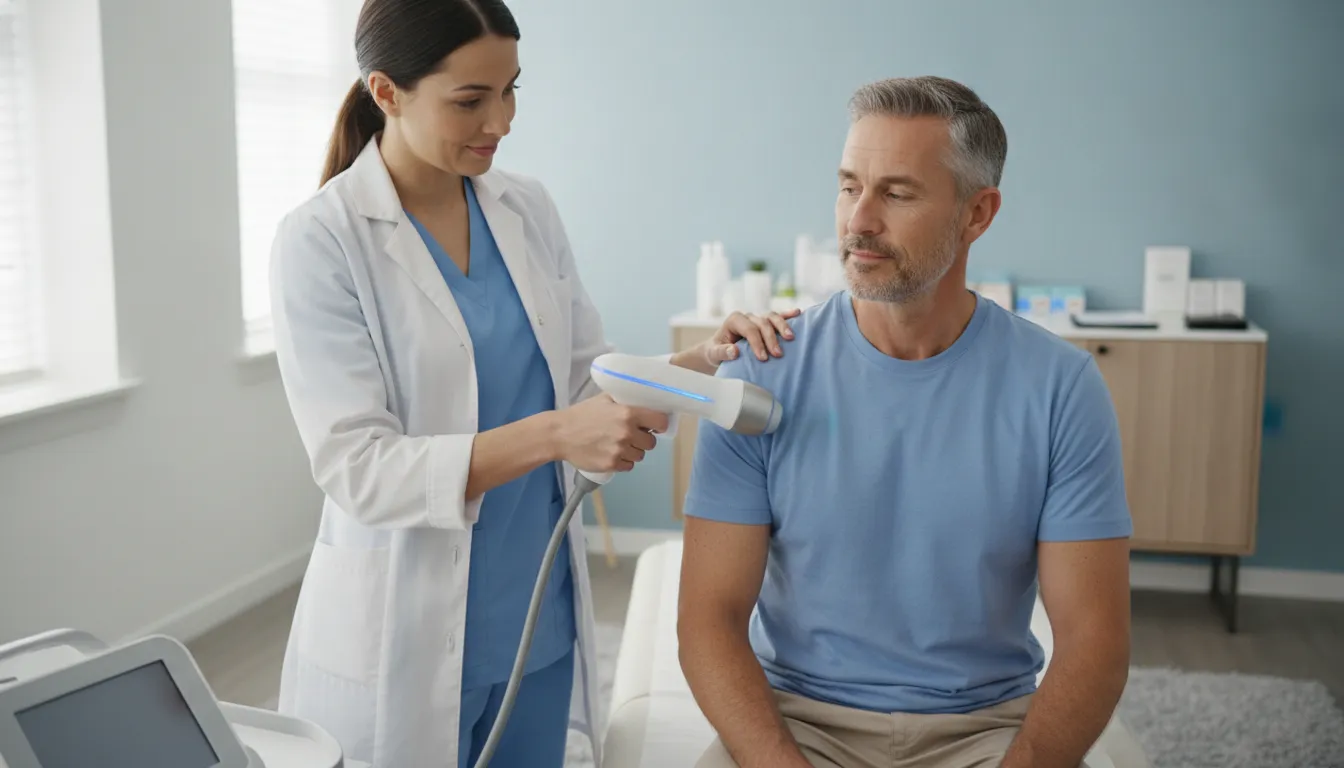
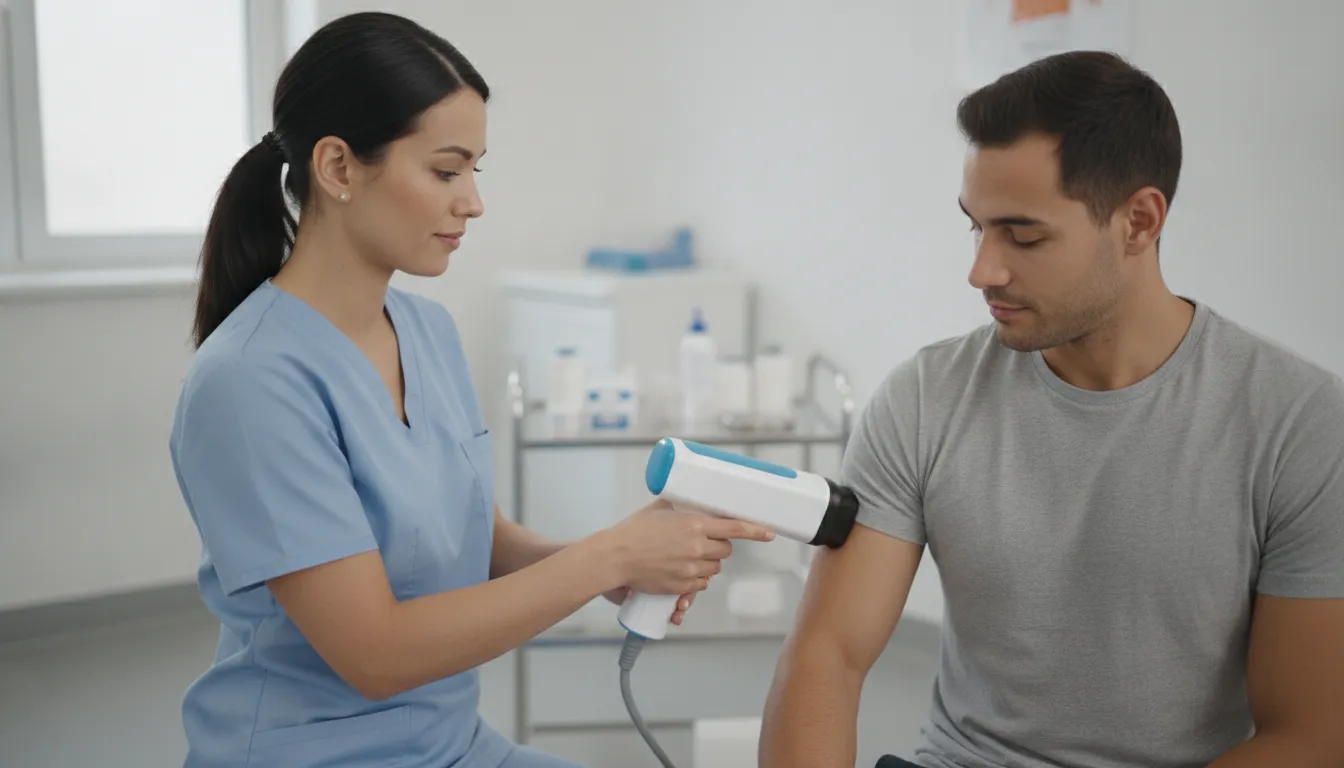
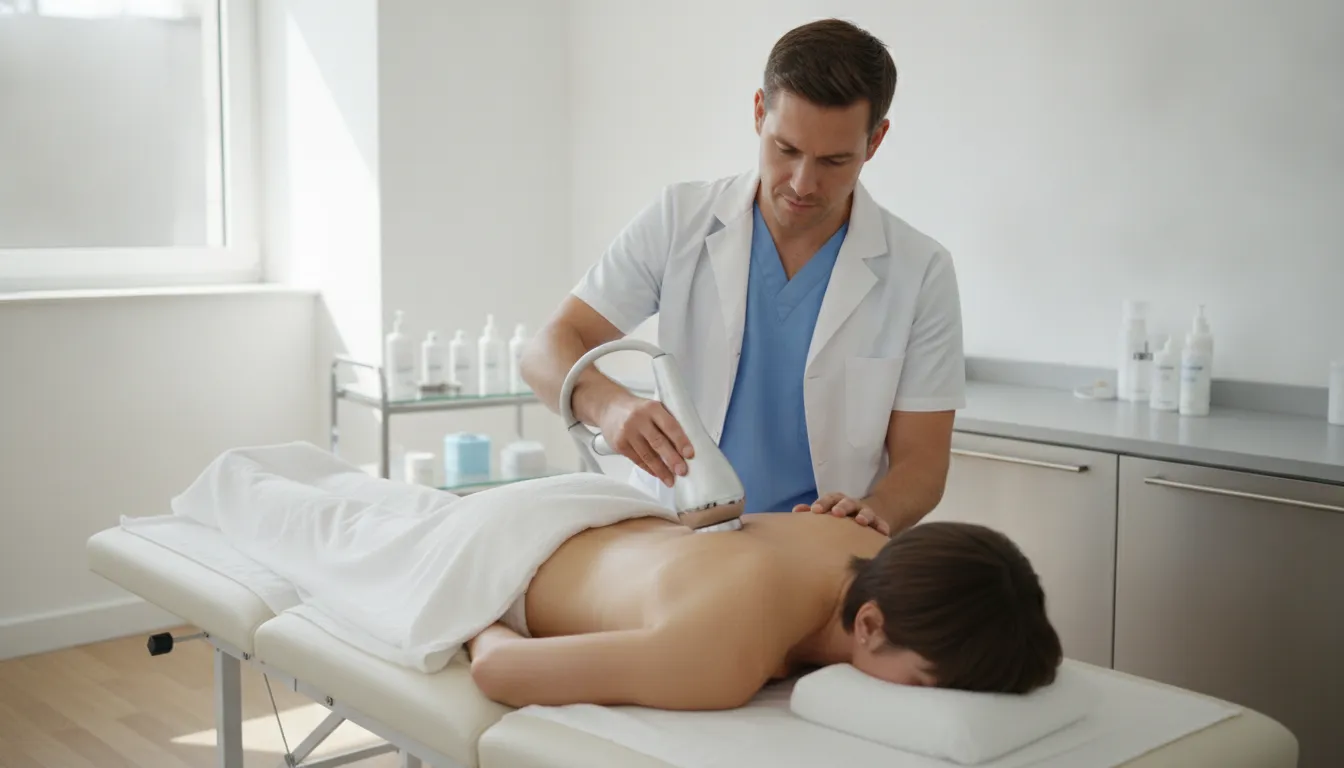
SoftWave uses electrohydraulic extracorporeal shockwave technology with a broad-focused applicator design. SoftWave describes its technology as generating acoustic shockwaves through an electrical discharge in water and distributing energy across superficial and deeper tissue areas through its patented reflector design.
In the United States, practices should ground patient-facing and provider-facing use discussions in the device’s specific FDA-cleared intended uses and the labeling for the exact device they operate. SoftWave’s published U.S. FDA clearance information includes relief of minor muscle aches and pains, temporary increase in local blood circulation, activation of connective tissue, and specified wound-care indications for chronic diabetic foot ulcers and superficial partial-thickness second-degree burns in adults.
Operationally, integration often involves adapting existing treatment space, training the appropriate team members, establishing a consistent clinical workflow, and documenting outcomes in a way that supports patient care and practice quality. A typical SoftWave treatment session may take approximately 5–10 minutes, although timing depends on the clinical protocol, treatment area, and individual patient circumstances.
Four Decisions Before the First Session
First, determine where treatment fits in the patient flow. Identify the room, table, and time block that can support the session without disrupting evaluations, procedures, rehabilitation, adjustments, or follow-up appointments already on the schedule.
Second, define clinical roles before staff training begins. The licensed provider should establish the patient’s diagnosis, determine whether treatment is appropriate, set the plan of care, and reassess progress. Whether staff may assist with or deliver elements of treatment depends on the device labeling, state law, professional scope-of-practice rules, supervision requirements, and the practice’s own policies.
Third, begin with a narrow and clinically consistent patient cohort. Initial implementation is easier when the team starts with patients who are evaluated through a familiar care pathway and for whom baseline symptoms and functional limitations can be documented consistently. This gives clinicians and staff the opportunity to refine scheduling, patient education, documentation, and follow-up before expanding use more broadly.
Fourth, decide how progress will be measured before treatment starts. Select an outcome measure that matches the condition and the goals of care, document a baseline, and use the same measure at planned reassessment points. Pain scores can be useful, but pain alone rarely captures the full clinical picture. Functional measures, activity tolerance, range of motion, wound measurements where applicable, and patient-reported goals may provide a more complete record of change.
When these four decisions are made in advance, SoftWave can be integrated into an existing outpatient workflow with greater consistency. The practice retains its established approach to evaluation, clinical decision-making, documentation, and follow-up while creating a defined process for treatment delivery.
Room and Workflow Placement
Where Treatment Fits Into an Existing Room
The device may not require a dedicated procedure suite. In many outpatient settings, treatment can be incorporated into an existing exam room, therapy room, rehabilitation space, treatment bay, or other appropriate clinical area, provided the space supports patient privacy, safe positioning, device access, infection-control procedures where relevant, and efficient clinician or staff movement.
The best location is usually the one that fits naturally into the existing patient journey. For example, a physical therapy practice may place treatment near rehabilitation space; an orthopedic or podiatry practice may incorporate it into a procedure or follow-up room; and a sports medicine, regenerative medicine, or chiropractic practice may use an established treatment room. The right placement depends on the practice’s schedule, staffing model, and clinical protocols; not on a single specialty template.
How the Room Turns Between Patients
Typical SoftWave sessions may take approximately 5–10 minutes, with the total appointment time varying according to the treatment plan, patient positioning, documentation needs, and the size of the treatment area. Rather than treating the session length as the entire workflow, plan for the steps around the session: patient check-in, clinical review, positioning, treatment, post-treatment instructions, documentation, and room turnover.
Who Delivers Treatment and What Training That Requires
Establish the Provider’s Role
Integration should begin with a clear distinction between clinical decision-making and operational support. The licensed provider is responsible for evaluating the patient, determining whether treatment is appropriate, establishing the plan of care, and reassessing the patient’s response. The exact role of assistants, technicians, therapists, nurses, athletic trainers, or other personnel depends on the applicable jurisdiction, professional license, workplace setting, and the device’s labeling.
Because delegation and supervision requirements differ across states and healthcare professions, practices should confirm their intended workflow with the relevant licensing board, organizational compliance personnel, and qualified healthcare counsel as appropriate. A prescription device must be used in accordance with its labeling and applicable requirements for authorized practitioners. (See 21 CFR 801.109.)
Build Training Around the Actual Workflow
Training should extend beyond operating the device. A complete implementation plan should address:
- The practice’s patient-screening and clinical decision process
- Device setup and safety procedures
- Patient positioning and communication
- The approved treatment protocol and who may establish or adjust it
- Documentation standards and outcome tracking
- Escalation procedures for clinical questions, intolerance, unexpected findings, or contraindication concerns
- Device cleaning, storage, maintenance, and manufacturer-required training
SoftWave’s published FDA-clearance page identifies its U.S. intended uses, including certain pain, circulation, connective-tissue, diabetic-foot-ulcer, and burn indications. Practices should verify the exact labeling and training requirements for the specific model in their facility and ensure that all clinical use remains consistent with those requirements.
Selecting the First Patients
Start With a Defined Clinical Cohort
The first phase of implementation should prioritize consistency over volume. Select a narrow group of clinically appropriate patients who are evaluated through a familiar pathway and whose baseline status can be documented reliably.
The purpose of a limited initial rollout is not to promise a particular outcome. It is to ensure that the practice can deliver treatment consistently, communicate expectations clearly, document appropriately, and reassess patients using the same standards from one visit to the next.
This approach can be adapted across specialties:
- Orthopedic and sports medicine practices may align treatment with established injury-evaluation and return-to-activity workflows.
- Physical therapy practices may integrate treatment with functional testing, exercise progression, and rehabilitation milestones.
- Podiatry practices may coordinate treatment planning with gait, footwear, offloading, and foot-and-ankle assessment protocols.
- Chiropractic and regenerative medicine practices may incorporate treatment into an established conservative-care pathway, provided use remains within applicable clinical and regulatory requirements.
- Wound-care workflows require particular attention to the device’s specific cleared indication, patient eligibility criteria, standard-of-care requirements, and documentation needs.
For relevant wound-care use, review the parameters and standard-of-care context described on SoftWave’s FDA Clearances page.
Documenting and Measuring Change
What to Record and How to Measure Change
Documentation should support continuity of care, clinical reasoning, and reassessment. At minimum, record the date of service, the condition or treatment area addressed, the protocol or device settings used as permitted by the practice’s procedures, the treating clinician or authorized staff member, the patient’s response, and the planned follow-up.
Choose outcome measures before treatment begins. The most useful measures depend on the patient population and practice type, but may include:
- Numeric pain ratings
- Condition-specific patient-reported outcome measures
- Functional activity tolerance
- Range-of-motion or strength findings where clinically appropriate
- Return-to-work, return-to-sport, or activity goals
- Wound dimensions and standard wound-care documentation when treating within an applicable wound-care indication
For patients with low back pain receiving physical therapy, one multicenter study found that a 2-point change on the Numeric Pain Rating Scale exceeded measurement error and represented clinically meaningful change. That finding is useful for low-back-pain documentation, but it should not be treated as a universal continuation, discontinuation, or success threshold for every condition or specialty. See Childs, Piva, and Fritz (2005).
Use pain scores as one component of reassessment—not the sole measure of clinical progress. A patient may report reduced pain without meaningful functional improvement, or may have short-term discomfort changes while making meaningful gains in activity tolerance or function.
Coverage varies by payer and plan. Review SoftWave reimbursement information and confirm coverage, coding, medical-necessity requirements, and patient financial responsibility with the relevant payer before treatment.
A Measured Path to Implementation
SoftWave integration works best when it is approached as a clinical and operational process rather than a stand-alone device purchase. Establish the treatment setting, define provider and staff responsibilities, begin with a consistent patient cohort, and document outcomes from baseline through follow-up.
That framework can be adapted for orthopedic, physical therapy, podiatry, regenerative medicine, sports medicine, chiropractic, and other eligible clinical settings. It also helps practices preserve the workflows that already work well—while adding a structured process for patient education, treatment delivery, reassessment, and ongoing quality improvement.
If you have decided to bring SoftWave into your practice, you can work through the process of becoming a provider directly. Before implementation, confirm the current labeling for the exact device, complete manufacturer training, verify all delegation and supervision requirements, and review payer-specific coverage and coding rules.
To discuss room placement, training, onboarding, and workflow planning for your practice, schedule a call.