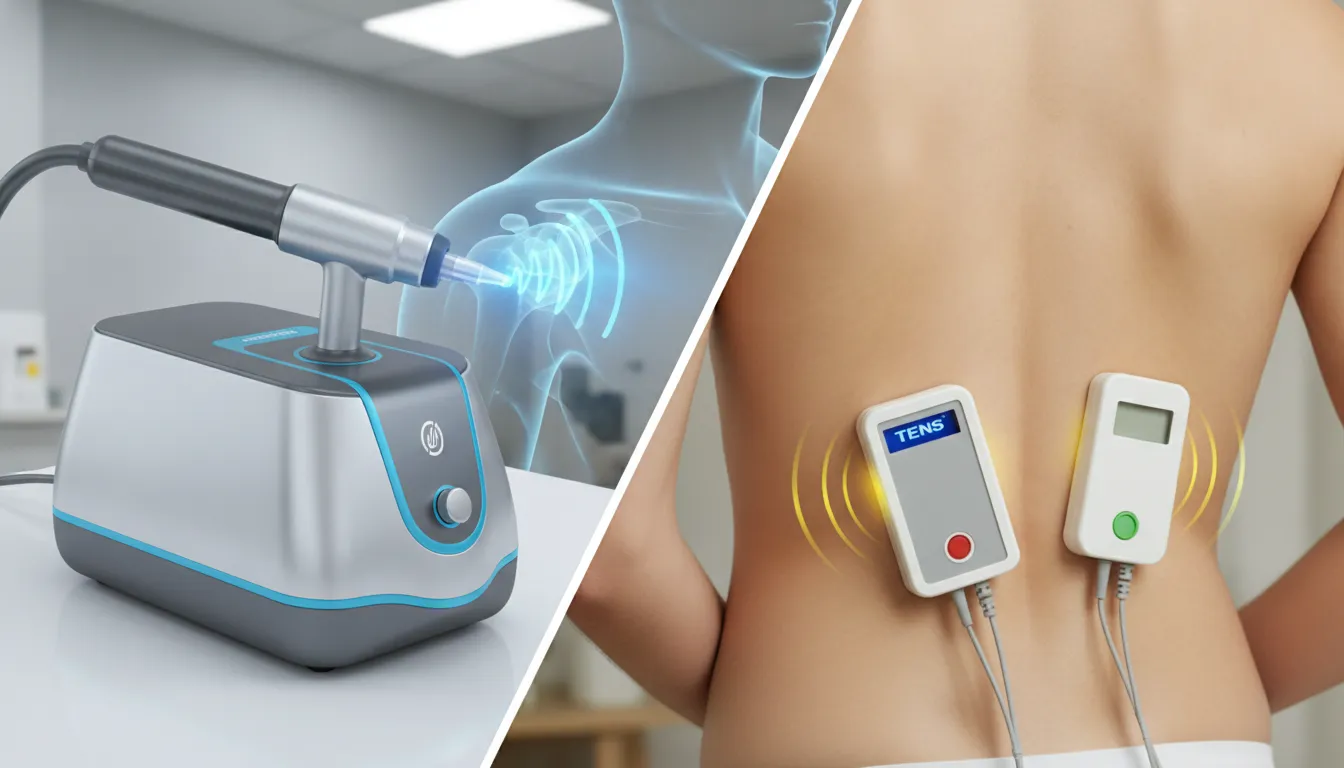
Persistent pain can make every training session feel uncertain. You may want relief, but you also need a treatment plan that protects your long-term function. Shockwave therapy offers a non-invasive option that some healthcare providers use for conditions such as plantar fasciitis, Achilles tendinopathy, tennis elbow, patellar tendinopathy, and certain shoulder problems. The provider you choose plays an important role in deciding whether the treatment suits your condition. To find a shockwave therapy provider for sports injuries, look for a licensed professional with relevant clinical experience and device-specific education. A responsible provider should examine your injury, discuss risks and alternatives, set realistic expectations, and connect treatment with rehabilitation and return-to-sport planning.
Key Takeaways
- Start with an accurate evaluation: A qualified healthcare professional should confirm the injury, review your health history, and determine whether shockwave therapy fits your condition.
- Compare provider qualifications carefully: Verify the clinician’s active license, sports-injury experience, shockwave education, and training with the specific device used at the clinic.
- Include therapy within a recovery plan: Pair treatment with appropriate rehabilitation, strength work, activity adjustments, and gradual return-to-sport milestones, while tracking pain, mobility, strength, and function.
What Is Shockwave Therapy for Sports Injuries?
Shockwave therapy is a non-invasive treatment that delivers acoustic pressure waves to a targeted area of painful or injured tissue. Healthcare providers may use it as part of a broader care plan for tendon, ligament, muscle, and other musculoskeletal conditions, particularly when symptoms continue despite rest, activity changes, or rehabilitation.
The treatment is not a substitute for a diagnosis or a complete recovery plan. Instead, it may support the body’s repair response while you work on strength, mobility, movement quality, and a gradual return to sport. A provider may combine shockwave therapy with physical therapy, exercise, manual therapy, or other conservative approaches based on your condition and goals.
SoftWave Tissue Regeneration Technology is designed for non-invasive care across several musculoskeletal applications. The right treatment approach depends on the injured structure, the cause of your symptoms, how long they have lasted, and your overall health. A qualified healthcare professional should determine whether this type of therapy is appropriate for you.
How pressure waves affect injured tissue
During treatment, a provider moves a handheld device over the skin near the affected area. The device sends acoustic energy into the tissue. Depending on the technology and treatment settings, these pressure waves may influence local blood flow, cellular activity, collagen production, and tissue remodeling.
These effects do not mean the waves repair every injury on their own. They are intended to support the body’s healing response, which can also depend on the injury type, training demands, sleep, nutrition, and rehabilitation. You can learn more about SoftWave’s approach through its overview of Tissue Regeneration Technology.
How treatment supports pain relief and tissue repair
Shockwave therapy may help reduce pain by influencing the local pain response and supporting changes in the affected tissue. It may also improve circulation, encourage cellular activity, and support tissue repair and remodeling. Some patients notice changes after an early appointment, while others need several treatments before they experience meaningful improvement.
Pain relief is only one way to measure progress. Your provider may also track range of motion, strength, swelling, walking or running tolerance, and your ability to perform sport-specific movements. These measures can show whether treatment is helping you return to your goals. Results vary, and shockwave therapy should not be presented as a guaranteed cure.
Why treatment offers drug-free, non-invasive care
Shockwave therapy does not require an incision, anesthesia, or an injection into the injured area. A typical appointment involves applying coupling gel to the skin, positioning the device, and delivering pressure waves to the selected tissue. Many people return to regular activities soon afterward, although your provider may recommend temporary limits on impact or strenuous exercise.
This approach may appeal to athletes and active people who want to discuss options beyond medication, injections, or surgery. It may also complement physical therapy, strength training, and other conservative care. SoftWave describes its technology as a drug-free and non-surgical option for several clinical specialties, including sports medicine and orthopedic care.
Why providers assess injuries first
A qualified provider should evaluate your injury before recommending treatment. The assessment may include a review of your symptoms, medical history, training load, previous injuries, and current activity. The provider may also examine your movement, strength, tenderness, joint function, and the specific tasks that cause discomfort.
Additional testing or imaging may be appropriate when the diagnosis is uncertain or when symptoms could indicate a fracture, complete tendon tear, nerve problem, infection, or another condition requiring different care. This process helps determine whether shockwave therapy is suitable and where treatment should be applied. It also gives you time to discuss potential benefits, risks, alternatives, and rehabilitation before treatment begins.
What shockwave therapy cannot guarantee
Shockwave therapy cannot guarantee pain relief, tissue healing, faster performance, or a specific return-to-sport timeline. Treatment response differs from person to person. Improvement may depend on the diagnosis, injury duration, training demands, general health, and how consistently you follow the recommended rehabilitation plan.
Be cautious of clinics that promise a cure, quote the same timeline for every patient, or recommend treatment without a clear diagnosis. A responsible provider should explain what is known about the technology, what remains uncertain, and how progress will be measured. Ask how many visits may be appropriate, when your plan will be reassessed, and what other care may be needed if your symptoms do not improve.
Which Sports Injuries Can Shockwave Therapy Treat?
Shockwave therapy may be used as part of a broader care plan for persistent tendon, fascia, and other soft-tissue injuries. Sports medicine, orthopedic, physical therapy, podiatry, and regenerative medicine providers may consider it when pain continues despite activity changes, rehabilitation exercises, or other conservative treatments.
The treatment is not based on the body part alone. Your provider should consider your diagnosis, symptom duration, training demands, medical history, and previous care. A physical examination, and sometimes imaging or other diagnostic testing, can help confirm whether the pain comes from a tendon, muscle, fascia, joint, bone, nerve, or another structure.
SoftWave’s musculoskeletal applications include conditions that affect active adults and athletes. Depending on the injury, treatment may be combined with progressive strengthening, mobility work, load management, technique changes, and a gradual return to sport. Your provider should explain why the treatment may be appropriate, what results are realistic, and how progress will be measured.
Shockwave therapy is not suitable for every injury. Acute trauma, fractures, tendon ruptures, infections, and serious neurological symptoms may require different or urgent care. An evaluation should come before treatment, particularly when pain started suddenly or is affecting your ability to walk, bear weight, or use the injured area.
Plantar fasciitis and ongoing heel pain
Plantar fasciitis causes pain along the band of tissue beneath the foot, often near the heel. Athletes may feel the most discomfort with their first steps after waking, after sitting, or during running and jumping. A sudden increase in training, limited ankle mobility, repetitive impact, and footwear changes may contribute to symptoms.
Shockwave therapy is commonly considered for persistent or treatment-resistant plantar fasciitis and chronic heel pain. A provider may combine it with calf stretching, foot-strengthening exercises, activity changes, and footwear adjustments. The goal is to support recovery and improve function, rather than simply cover up pain.
Before treatment, ask whether your symptoms match plantar fasciitis or another condition, such as a stress injury, nerve irritation, or heel fat-pad problem. This clinical overview of shockwave therapy also lists chronic plantar fasciitis and heel pain among potential treatment applications.
Achilles tendinopathy
Achilles tendinopathy affects the tendon connecting the calf muscles to the heel bone. Symptoms may occur near the heel or higher up the tendon and can include stiffness, tenderness, and pain while running, jumping, or pushing off. Changes in mileage, hill running, sprinting, or recovery time may increase stress on the tendon.
Shockwave therapy may be considered when Achilles symptoms persist despite a structured rehabilitation program. Treatment is usually paired with progressive calf loading, mobility work, and temporary changes to high-impact activities. It should follow a careful evaluation, especially when symptoms began suddenly.
Your provider should check for a partial or complete tendon tear, significant swelling, or another injury that needs different treatment. Ask how progress will be assessed, including changes in morning stiffness, walking tolerance, calf strength, and sport-specific function. Achilles tendinopathy is included among the chronic conditions described in this shockwave therapy resource.
Tennis and golfer’s elbow
Tennis elbow, also called lateral elbow tendinopathy, causes pain on the outside of the elbow and forearm. Golfer’s elbow, or medial elbow tendinopathy, affects the inside of the elbow. Despite their names, either condition can affect people who do not play tennis or golf. Repeated gripping, throwing, lifting, typing, and manual work may also irritate the tendons.
Shockwave therapy may be discussed when ongoing elbow pain has not improved with activity changes, exercise therapy, bracing, or other conservative care. A complete plan may address grip strength, forearm loading, technique, and the activities that trigger symptoms.
Your provider should rule out nerve compression, joint problems, or referred pain from the neck. Ask whether the treatment settings will be adjusted for the location and sensitivity of your symptoms. This clinical treatment information includes tennis elbow and golfer’s elbow among potential applications.
Patellar tendinopathy and jumper’s knee
Patellar tendinopathy affects the tendon between the kneecap and shinbone. It is often called jumper’s knee because repeated jumping and landing place considerable stress on the tendon. Basketball, volleyball, track, soccer, and other sports involving explosive leg movements may trigger or worsen symptoms.
Shockwave therapy may be considered for persistent patellar tendon pain when progressive strengthening and training adjustments have not provided enough improvement. Rehabilitation may include controlled quadriceps loading, hip and ankle exercises, landing mechanics, and a gradual return to jumping.
A clinician should assess the knee before treatment because similar symptoms can come from a joint problem, cartilage injury, bursitis, a growth-related condition, or a more serious tendon injury. Treatment goals should be specific, such as improving stair tolerance, squat depth, single-leg strength, or jumping ability. Patellar tendinopathy is among the conditions listed in this shockwave therapy reference.
Rotator cuff-related shoulder pain
Rotator cuff-related shoulder pain may make reaching overhead, serving, throwing, lifting, or sleeping on the affected side difficult. It can involve tendon irritation, reduced shoulder strength, or changes in how the shoulder blade and upper arm move. Athletes who perform repeated overhead movements may face greater demands on these tissues.
Shockwave therapy may be discussed for rotator cuff tendinopathy and certain persistent tendon-related shoulder conditions. A treatment plan may also include rotator cuff and shoulder-blade strengthening, mobility exercises, throwing or lifting adjustments, and changes to training volume.
Shoulder pain can also result from a significant tendon tear, instability, arthritis, nerve involvement, or referred pain from the neck. Your provider may recommend imaging or a specialist referral if the examination suggests one of these concerns. SoftWave explains its technology and treatment approach for patients and providers considering tissue-focused care.
Other tendon and overuse injuries
Athletes can develop overuse injuries affecting tendons, muscles, fascia, and other soft tissues. Examples may include shin splints, selected cases of chronic neck or back pain, and tendon injuries linked to repetitive loading. Shockwave therapy may be considered for some of these conditions after a provider identifies the source of pain.
The treatment decision should reflect more than the location of your symptoms. A clinician may review your training schedule, footwear, strength, mobility, technique, recovery habits, and recent changes in activity. Addressing these factors can reduce repeated stress on the injured tissue and support a more complete rehabilitation plan.
Not every overuse injury responds to the same care. Shin pain, for example, may result from muscle irritation, a stress reaction, or a stress fracture. These conditions require different approaches. This sports medicine resource describes possible uses for soft-tissue problems while emphasizing the importance of clinical evaluation.
How injury type and duration affect treatment
Shockwave therapy is often considered for pain lasting longer than six weeks, particularly when standard treatments have not helped enough. A longer symptom history does not automatically make you a candidate. Your diagnosis, injury severity, affected tissue, previous treatment, and current level of function all influence the decision.
Treatment may not be the right first step when symptoms began recently or involve an acute tear, fracture, major instability, or another condition requiring protection. Depending on the findings, your provider may recommend rest, imaging, immobilization, medication, surgery, or referral to another specialist.
Ask how the clinic will define improvement and when it will reassess your plan. Useful measures may include pain during sport, range of motion, strength, walking or running tolerance, and sport-specific movements. Your provider should explain how shockwave therapy fits with rehabilitation rather than presenting it as a standalone solution. This clinical guidance describes persistent symptoms and limited response to standard care as factors providers may consider.
When injuries need urgent or different care
Seek prompt medical evaluation after severe pain caused by a fall, collision, or sudden force. An obvious deformity, inability to bear weight, rapidly increasing swelling, sudden loss of strength, numbness, or a loud pop followed by difficulty using the limb may indicate a fracture, dislocation, tendon rupture, or nerve injury.
Shockwave therapy should not delay emergency care or diagnosis. You should also tell a provider about fever, redness, warmth, drainage, an open wound, or unexplained swelling. These symptoms may signal an infection or another condition that needs immediate attention. Persistent pain at rest, unexplained weight loss, or quickly worsening symptoms also require careful medical assessment.
A qualified provider should perform a clinical examination and order or review diagnostic testing when appropriate. The SWSNA training guidance emphasizes examination and diagnostic confirmation when developing a treatment plan. Be cautious of any clinic that promises to treat every injury without reviewing your history or examining the affected area.
How Do I Find a Shockwave Therapy Provider?
Finding the right shockwave therapy provider involves more than choosing the closest clinic. Look for a licensed healthcare professional who evaluates your injury, explains whether shockwave therapy is appropriate, and uses equipment suited to your condition and treatment goals. The provider should also discuss expected results, possible risks, alternative treatments, and how therapy may fit into your rehabilitation plan.
Start by searching for clinics that regularly treat athletes and active adults. Sports-medicine practices, orthopedic clinics, physical therapy offices, and podiatry practices may offer shockwave therapy as part of a broader care plan. When comparing providers, ask who performs the treatment, what training they have completed, which device the clinic uses, and how they assess progress. This guide to choosing a shockwave therapy provider can help you prepare questions for your first call.
Search sports-medicine, orthopedic, physical therapy, and podiatry clinics
Begin with clinics that treat tendon, ligament, muscle, joint, foot, and ankle conditions. Sports-medicine and orthopedic practices may offer care for persistent overuse injuries, while physical therapists can combine shockwave therapy with exercises that address strength, flexibility, and movement patterns. Podiatry clinics may be a practical option for plantar fasciitis, Achilles pain, or other foot and ankle concerns.
Use search terms that describe both the treatment and your injury, such as “shockwave therapy for Achilles pain” or “sports-medicine clinic shockwave therapy.” Review each clinic’s website for provider credentials, treatment information, and the conditions it commonly manages. The clinic should identify the healthcare professional responsible for your care and explain the role of shockwave therapy within the overall treatment plan.
Use local searches and trusted directories
Search engines, map listings, and healthcare directories can help you create a list of nearby providers. Treat these results as a starting point, not a recommendation. Check each clinic’s official website, confirm its address and phone number, and look for information about the provider’s license, clinical background, and shockwave training.
Specialized directories may make it easier to find relevant practices than a general healthcare search. For example, Shockwave Therapy Near Me focuses on providers that offer this type of treatment. Before booking, call the clinic to confirm that it treats your specific injury, uses the advertised technology, accepts new patients, and provides care from a licensed healthcare professional.
Ask doctors, therapists, trainers, and sports professionals
Your primary care doctor, physical therapist, orthopedic specialist, or podiatrist may know which local clinics treat sports injuries with shockwave therapy. A strength coach, athletic trainer, or sports professional may also have experience with providers who work with active patients. These recommendations can be especially helpful if you are unsure which type of practice to contact.
Use referrals as a way to identify options, then evaluate each provider yourself. Ask whether the referring professional knows the provider’s clinical background and whether the clinic treats injuries like yours. You can also ask prospective providers about their license, experience, treatment approach, and typical patient goals. A responsible practitioner should answer clearly and explain when shockwave therapy may not be appropriate.
Review SoftWave provider and clinic resources
If you are specifically looking for SoftWave Tissue Regeneration Technology, start by reviewing SoftWave’s musculoskeletal applications. This can help you understand how providers may use the technology in orthopedic, physical therapy, sports-medicine, and other musculoskeletal settings. You can then contact clinics directly to ask whether they offer SoftWave treatments for your condition.
Confirm the details with the clinic before scheduling. Ask which SoftWave device is available, who will perform the treatment, and whether the provider has completed device-specific instruction. SoftWave’s information about its devices and technology can also help you prepare for a more productive conversation about treatment, assessment, and follow-up.
Match the clinic to your injury and recovery goals
Choose a provider with experience treating your type of injury, not simply a clinic that advertises shockwave therapy. A provider who works with runners may have a different treatment and rehabilitation approach from one who primarily treats chronic foot pain, shoulder conditions, or post-surgical recovery.
Explain your goals during the consultation. You may want to reduce pain, return to training, improve movement, or support a broader rehabilitation plan. Ask how the provider measures progress and whether treatment will include exercise, activity changes, manual therapy, or other care. The provider should review your diagnosis and medical history rather than promise the same result for every patient.
Confirm location, scheduling, and accessibility
Practical details matter when treatment involves multiple appointments or follow-up assessments. Confirm the clinic’s location, parking, accessibility, appointment availability, and typical session length. Ask whether the same provider will evaluate and treat you, or whether care is shared among several clinicians.
Before booking, ask about consultation fees, treatment costs, cancellation policies, and whether the clinic provides a written care plan. Find out what happens if your symptoms do not improve or if the provider recommends a different treatment. Clear communication before your first visit can help you understand the process and decide whether the clinic is a good fit for your care.
What Should I Look for in a Qualified Provider?
Choosing a shockwave therapy provider involves more than finding the closest clinic or the first available appointment. Look for a licensed healthcare professional with relevant clinical experience, shockwave-specific education, and a clear understanding of sports injuries. The provider should assess your condition before recommending treatment, explain your options, and create a plan based on your symptoms, diagnosis, activity level, and recovery goals.
Before scheduling, ask who will evaluate you, who will deliver the treatment, which device the clinic uses, and how the team will track your progress. A qualified provider should answer these questions clearly and explain what shockwave therapy can and cannot do. Be cautious of anyone who promises a guaranteed cure, recommends treatment without an examination, or pressures you to purchase a large package before discussing your condition.
Your consultation should also cover possible risks, alternatives, expected sensations, session frequency, and the role of rehabilitation. Shockwave therapy may be one part of a broader care plan, particularly when your goal is to return to running, training, competition, or everyday activity safely.
Verify an active healthcare license
Start by confirming that the person evaluating or treating you holds an active healthcare license. Depending on your condition and location, this may be a medical doctor, physical therapist, chiropractor, podiatrist, nurse practitioner, physician assistant, or another professional authorized to provide care under state law.
You can usually check a license through your state’s professional licensing board. Look for the provider’s full name, license status, expiration date, and any public disciplinary information. A job title or clinic website description does not confirm that someone is qualified to assess an injury or deliver treatment. If you are unsure which type of professional should manage your condition, ask the clinic before booking an appointment.
Check relevant clinical credentials
The provider’s clinical background should fit your injury and treatment needs. A sports medicine physician may be appropriate for a complex injury or uncertain diagnosis. A physical therapist may focus on movement, strength, and rehabilitation, while a podiatrist may have specialized experience with persistent heel, foot, or ankle pain.
Licensure is only one part of a provider’s qualifications. They should also understand anatomy, injury assessment, rehabilitation, contraindications, and when another type of care may be more appropriate. The clinical training considerations for shockwave therapy include indications, contraindications, wave selection, and treatment dosing. Ask how the provider’s background applies to your specific injury rather than relying on a credential alone.
Confirm shockwave training and continuing education
Shockwave therapy involves more than learning how to operate a device. Training should address patient selection, treatment indications, contraindications, tissue response, treatment parameters, and safety precautions. It should also prepare providers to adjust care when a patient has a complex medical history or does not respond as expected.
Ask when the provider completed shockwave training and whether they pursue continuing education. This can show whether they keep up with changes in clinical research, treatment methods, and device technology. You can also ask whether the clinic follows written protocols and keeps current training records. A knowledgeable provider should be able to explain how they choose treatment settings, what they monitor during appointments, and when they would change the plan.
Verify device-specific instruction
Training should include the specific shockwave system used at the clinic. Devices vary in how they deliver acoustic energy, how settings are adjusted, and which applications are supported. Experience with one system does not automatically demonstrate competence with another.
Ask for the device manufacturer and model, then ask what instruction the treating professional completed. SoftWave explains its Tissue Regeneration Technology and treatment approach, including how providers use the technology across different applications. Your provider should explain why the system may be appropriate for your condition, how treatment will be individualized, and what follow-up care will involve.
Review professional-society credentials
Membership or certification through a respected professional organization can provide another point of comparison. Organizations focused on shockwave medicine may offer education, publish clinical resources, or maintain directories of trained professionals. These credentials should complement an active healthcare license and relevant clinical experience, not replace them.
Check the organization’s website to understand what a designation means. Does it reflect course completion, an examination, supervised training, or membership alone? The International Society for Medical Shockwave Treatment provides education and information related to medical shockwave treatment. If the organization has a public directory, confirm that the provider’s name appears in its records and that the credential is current.
Confirm training and certification claims
Be cautious with phrases such as “certified expert” or “advanced specialist” unless the clinic can explain who issued the credential and what the training included. Ask for the certifying organization, completion date, course details, and renewal requirements. You can then verify the information directly with that organization.
Certification requirements may differ by state, profession, facility, and treatment application. Completing a course does not automatically authorize someone to practice beyond their legal scope. The Shockwave Academy’s certification guidance notes that providers are responsible for confirming additional qualifications required in their location and practice setting. A transparent provider should be comfortable explaining these limits and answering questions about their role.
Look for sports-injury experience
A provider who regularly works with athletes may understand the demands of training, competition, and return-to-sport decisions. Ask how often they treat conditions such as Achilles tendinopathy, plantar fasciitis, tennis elbow, rotator cuff-related shoulder pain, or patellar tendinopathy. Recreational athletes should receive the same consideration as competitive players, so describe your normal activity level and goals.
Experience should involve more than delivering treatment sessions. The provider should understand load management, strength deficits, movement patterns, footwear or equipment factors, and the risks of returning to activity too soon. Ask how shockwave therapy fits with exercise and rehabilitation. A provider may have broad clinical experience but limited familiarity with your sport, so explain your training schedule, performance demands, and target timeline.
Identify who evaluates and treats you
Find out whether the person who examines you will also deliver your treatment. Some clinics have one professional create the plan while another staff member administers sessions. That arrangement may be appropriate, but you should know who is responsible for each part of your care.
Ask about each person’s license, role, and shockwave training. You should know who reviews your medical history, confirms the diagnosis, selects treatment settings, monitors your response, and changes the plan when needed. SoftWave’s specialty applications include areas such as orthopedics, physical therapy, podiatry, sports medicine, and wound care. The clinic should explain how its team structure applies to your injury.
Expect a thorough assessment and informed consent
A qualified provider should assess your injury before recommending shockwave therapy. This may include questions about when symptoms began, which activities aggravate them, previous injuries, medications, health conditions, and treatments you have tried. The provider may also examine your strength, range of motion, tenderness, gait, or movement patterns.
Before treatment begins, the provider should explain the working diagnosis, why shockwave therapy may be appropriate, and which alternatives are available. They should discuss expected sensations, possible side effects, the likely treatment schedule, and signs that may require another evaluation. Focused shockwave therapy should be used for an appropriate clinical indication, not simply because a patient requests it. Ask questions before signing consent or paying for a treatment package.
Use patient reviews as one comparison factor
Patient reviews can help you assess communication, scheduling, cleanliness, and the general clinic experience. Look for patterns across several platforms rather than relying on one unusually positive or negative comment. Reviews that mention clear explanations, respectful care, and consistent follow-up may offer useful insight into how the clinic treats patients.
Reviews cannot confirm a provider’s license, training, diagnostic skill, or treatment quality. Results also vary according to the injury, how long symptoms have been present, overall health, rehabilitation, and adherence to aftercare instructions. Treat claims of guaranteed results with caution. Use reviews alongside verified credentials, a thorough consultation, transparent pricing, and the provider’s willingness to answer specific questions about your sports injury.
How Does Shockwave Technology Support Individualized Care?
Shockwave therapy should not follow a one-size-fits-all protocol. A qualified provider considers your diagnosis, symptoms, affected tissue, activity level, health history, and recovery goals before selecting a device and treatment plan. This helps keep care focused on the problem you want to address, whether you are working toward a return to sport, improved daily movement, or better management of persistent pain.
Individualized care also means reviewing your progress throughout treatment. Your provider may adjust the treatment area, intensity, timing, or supporting exercises based on how your body responds. Before starting, ask questions about the technology, expected results, possible risks, and other treatment options.
Confirm FDA-cleared technology and intended uses
Ask which device the clinic uses and what it is cleared or intended to treat. FDA clearance applies to a specific device and its stated indications, so a provider should explain how the technology relates to your condition instead of making broad claims about every type of pain. You can review SoftWave’s Tissue Regeneration Technology and ask the clinic to discuss the device’s intended use, treatment area, and role in your care.
FDA clearance does not mean treatment will work for every person or condition. It also does not replace a diagnosis from a qualified healthcare professional. A clear explanation of the technology, its purpose, and its limits gives you a stronger basis for deciding whether treatment fits your needs.
Compare radial, focused, and other acoustic-wave systems
Clinics may use different types of acoustic-wave devices, and the terminology can be confusing. Radial systems generally deliver energy from an applicator across a broader area, while focused systems direct energy toward a more specific depth. Other systems, including SoftWave, use their own waveforms, delivery methods, and treatment protocols. These technologies should not be treated as interchangeable.
Ask the provider which system they use, how it delivers energy, and why it may suit your injury. The appropriate option can depend on the tissue involved, the depth of the affected area, your sensitivity, and the device’s intended applications. A qualified provider should explain these differences clearly without claiming that one system is best for every patient.
Learn about SoftWave Tissue Regeneration Technology
SoftWave Tissue Regeneration Technology is a non-invasive acoustic-wave approach used by healthcare providers in areas such as musculoskeletal care, sports medicine, physical therapy, podiatry, and regenerative medicine. SoftWave describes its technology and treatment applications in its musculoskeletal care resources, which can help you understand how providers may include it in a broader plan.
If you are considering SoftWave treatment, ask whether the clinic has experience with your specific injury and whether the provider has completed device-specific instruction. The technology is only one part of care. A careful examination, appropriate treatment settings, communication during the session, and follow-up all contribute to a thoughtful treatment experience.
Match treatment settings to your injury and tissue
Treatment settings should reflect your condition, the tissue involved, and how you respond during and after a session. A provider may adjust the application area, energy level, number of pulses, treatment time, or session schedule. These decisions should follow an assessment rather than a standard setting used for every patient.
Tell your provider where you feel pain, which movements aggravate it, and whether your symptoms have changed since your last appointment. Discomfort during treatment does not automatically mean the therapy is working, and severe or unusual pain should be reported promptly. Your feedback helps the provider make appropriate adjustments and recognize when another type of care may be more suitable.
Review research, evidence, and treatment limits
Ask what research supports the proposed use of shockwave therapy and whether it relates to your diagnosis. Evidence can differ by condition, device, treatment protocol, and patient population. A responsible provider should explain what is known, what remains uncertain, and how shockwave therapy fits with exercise, rehabilitation, medication, or other options.
SoftWave provides research and clinical resources for people who want to learn more about its approach. Use these materials as a starting point, then discuss how the information applies to you. Be cautious of claims that promise guaranteed healing, immediate results, or treatment for unrelated medical problems.
Confirm your diagnosis, candidacy, and goals
Before treatment begins, confirm that you understand your diagnosis and why shockwave therapy has been recommended. Sports injuries can involve tendons, muscles, joints, bones, nerves, or several structures at once. Similar symptoms can have very different causes, so your provider may review your history, assess movement and strength, or recommend imaging or referral when appropriate.
Share what you want to accomplish, such as walking without pain, completing specific exercises, or returning to a sport. These goals give your provider practical measures for tracking progress. Shockwave therapy may be considered as part of care, but it should not delay evaluation of a serious injury or replace treatment your condition requires.
Discuss session frequency and reassessment points
Ask how many sessions your provider expects, how far apart they will be, and when your progress will be reviewed. The schedule can vary based on your condition, symptom duration, treatment response, and the rest of your rehabilitation plan. More frequent or more intense treatment is not automatically better, so follow a schedule based on your assessment and response.
Set clear reassessment points before you begin. Your provider may track pain during specific movements, range of motion, strength, walking tolerance, or sport-specific tasks. If your symptoms remain unchanged or worsen after an appropriate trial, the plan should be reconsidered rather than continued automatically.
Coordinate exercise, rehabilitation, and return-to-sport plans
Shockwave therapy should fit within a broader plan that addresses strength, mobility, training load, technique, and recovery. Ask how treatment will work alongside physical therapy, home exercises, stretching, or activity changes. Your provider may recommend temporarily modifying certain movements while helping you remain active in ways that do not aggravate the injury.
A return-to-sport plan should use clear milestones instead of relying on a calendar date alone. These may include comfortable daily movement, restored strength, sport-specific drills, and the ability to tolerate gradually increasing training demands. SoftWave’s specialty applications include sports medicine and physical therapy, so ask how the clinic connects treatment with your activity and performance goals.
Ask about the device, dosage, results, and follow-up
Before your first session, ask the provider to explain the device, treatment area, planned dosage, and sensations you may experience. Also ask when changes might be noticeable, how results will be measured, and what happens if you do not improve. Specific answers are more useful than broad promises.
Confirm who will deliver the treatment and who will handle follow-up questions. You should know which activities to avoid or continue, what symptoms are expected afterward, and when to contact the clinic. A provider who welcomes questions and documents your response can make appropriate changes as your recovery develops.
What Happens During a Shockwave Therapy Session?
A shockwave therapy session typically starts with an evaluation, not immediate treatment. Your provider reviews your symptoms, examines the affected area, and determines whether acoustic-wave therapy fits your diagnosis, activity level, and recovery goals. This process also helps identify when imaging, another treatment, or a referral may be more appropriate.
If SoftWave Tissue Regeneration Technology is being considered, ask how the provider plans to apply it to your injury and which outcomes they will measure. SoftWave explains its technology and treatment approach for musculoskeletal care and other clinical applications. Your appointment may differ from another patient’s because treatment settings and care plans depend on the condition being treated.
Review your history and examine the injury
Your provider should ask when the injury began, how it happened, and which activities make it worse. They may also ask about your training schedule, footwear, work demands, previous injuries, and treatments you have already tried. Be specific about changes in pain, strength, movement, swelling, and daily function.
During the physical examination, the provider may assess tenderness, range of motion, muscle strength, balance, and movement patterns. Imaging or additional testing may be appropriate if the diagnosis is uncertain or symptoms suggest a more serious injury. The Shockwave Therapy Society of North America emphasizes the importance of evaluating the underlying condition before treatment.
Discuss medications, conditions, procedures, and goals
Tell your provider about all medications and supplements you take, including blood-thinning medication and anti-inflammatory drugs. Also mention allergies, chronic conditions, pregnancy, infections, bleeding concerns, cancer, implanted devices, recent injections, and surgery. This information helps the provider decide whether treatment should be delayed, adjusted, or avoided.
Discuss what you want to accomplish, such as walking comfortably, returning to running, improving shoulder movement, or resuming a specific sport. Clear goals make progress easier to measure. Ask which clinician will evaluate you, operate the device, and oversee your care. Shockwave therapy should be provided by a qualified healthcare professional with training relevant to your condition and the technology used.
Position the treatment area and apply coupling gel
You will usually sit or lie in a position that gives the provider access to the injured tissue. You may need to remove clothing or equipment covering the area. The provider can then identify tender points and position the applicator based on your examination and treatment plan.
A coupling gel is applied to the skin to help the device maintain consistent contact. The provider places the applicator against the treatment area and delivers acoustic energy in a controlled pattern. Depending on the injury, treatment may focus on a specific tendon, muscle, joint region, or other soft tissue. SoftWave describes its Tissue Regeneration Technology as a non-invasive treatment approach used across several clinical disciplines.
Adjust pressure waves for comfort
During treatment, you may feel tapping, pulsing, pressure, or brief sharp sensations. The experience can vary based on the treatment area, tissue sensitivity, device settings, and how irritated the injury is that day. Tell your provider if the sensation becomes too intense, changes suddenly, or feels different from what you expected.
The provider may adjust the intensity, applicator position, pace, or treatment area when appropriate. The highest setting is not automatically the best setting. Treatment should follow the device instructions, clinical judgment, and your response during the appointment. Clear communication helps your provider keep the session tolerable while addressing the intended tissue.
Discuss appointment length and treatment timeline
The treatment portion of many shockwave therapy visits takes less than 30 minutes. Your first appointment may take longer because it can include a medical history, physical examination, movement testing, education, and exercise planning. Ask whether you should bring imaging, medical records, or a list of medications.
Your provider should explain how often you may need treatment and when progress will be reviewed. Some patients receive several appointments spaced over a few weeks, while others need a different schedule. Improvement may be gradual, and results vary by condition and individual. Ask what will happen if your symptoms do not improve as expected.
Follow aftercare and activity guidance
After treatment, your provider may recommend light activity, specific exercises, or a temporary reduction in training. Instructions depend on your injury, treatment area, sport, and other care you are receiving. Feeling better does not necessarily mean the tissue is ready for full-intensity activity, so follow the progression your provider recommends.
Ask whether you should temporarily avoid intense exercise, heat, ice, massage, or certain medications. Do not assume the same aftercare instructions apply to every patient. Your provider should explain which symptoms are expected and which should prompt a call to the clinic. If you also work with a physical therapist, athletic trainer, or coach, share the plan so your recovery remains consistent.
Track pain, mobility, strength, and function
Pain is useful information, but it should not be the only measure of progress. Depending on your injury, your provider may track range of motion, strength, walking tolerance, balance, swelling, jumping, throwing, or other sport-specific tasks. These measures can show functional changes even when pain varies from day to day.
Keep a simple record between appointments. Note your pain during rest and activity, exercise tolerance, sleep, training time, and any reaction after treatment. Bring these observations to your follow-up visits. They help your provider decide whether the current plan is appropriate and whether treatment should continue, change, or stop. Your response should be considered alongside examination findings and overall function.
Attend follow-up visits and adjust your plan
Follow-up visits allow your provider to reassess the injury and review your response. The plan may include continued treatment, different settings, a change in the treatment area, rehabilitation exercises, or a longer interval between appointments. If progress is limited, your provider may recommend imaging, another treatment, or evaluation by a different specialist.
A well-rounded plan should also address factors that contributed to the injury, such as training changes, strength deficits, limited mobility, footwear, technique, or workload. Ask which milestones you should meet before returning to full sport and how the provider will test them. SoftWave’s information about its clinical disciplines and provider network can help you learn which practices work with sports medicine and related areas of care.
What Are the Safety Risks and Precautions?
Shockwave therapy is non-invasive, but that does not mean it is risk-free or suitable for everyone. The treatment applies acoustic energy to a specific area of the body, so safety depends on your diagnosis, the treatment site, the device, and the provider’s clinical judgment. A qualified healthcare professional should assess your injury, review your medical history, and decide whether shockwave therapy belongs in your care plan.
Before scheduling treatment, ask which device the clinic uses, what training the provider has completed, and whether the technology is cleared for its intended use. For example, SoftWave describes its Tissue Regeneration Technology as a non-invasive option used across musculoskeletal and specialty applications. FDA clearance applies to specific device indications and uses, not every condition or patient.
You should receive clear information about expected sensations, possible side effects, alternatives, and warning signs. Treatment may form part of a broader recovery plan that includes rehabilitation, activity changes, strength work, or other medical care. It should not replace an evaluation for a serious injury or delay urgent treatment.
Understand why non-invasive care still carries risks
Non-invasive treatment does not involve an incision, but it still applies energy to the body. Some people experience temporary tenderness or soreness. Others may not be appropriate candidates because of their medical history, medications, or the location of the injury. Risks may also increase when treatment begins without a confirmed diagnosis or is provided by someone without appropriate clinical training.
Choose a licensed healthcare professional who can evaluate your injury and explain why shockwave therapy may be appropriate. Ask about the provider’s experience with sports injuries and the specific device used at the clinic. SoftWave’s provider resources offer background on the company and its treatment approach, but your provider should still make an individualized clinical decision based on your needs.
Expect possible soreness, redness, swelling, or bruising
Temporary soreness, tenderness, redness, or mild swelling can occur after treatment. Some patients may also notice bruising, particularly when the treatment area is sensitive or already irritated. These effects are generally short-lived, but your provider should explain what you may experience based on the body area, treatment settings, and condition being addressed.
Ask when you can resume running, lifting, practice, or competition. Your instructions may differ from another patient’s, especially if you have an active tendon injury or a recent flare-up. Do not assume that post-treatment discomfort means the treatment caused damage. However, contact the clinic if symptoms become severe, continue to worsen, or fail to improve as expected.
Report discomfort so the provider can adjust treatment
Shockwave therapy may feel like tapping, pressure, or a series of pulses over the treatment area. Some discomfort can occur, but the session should remain tolerable and you should be able to communicate with the provider throughout. Tell the provider if the sensation becomes sharp, intense, or difficult to tolerate.
Your feedback can help the provider adjust the treatment settings, location, or pace when appropriate. Do not stay silent because you believe significant pain is necessary for treatment to work. A careful provider should explain the sensation before beginning, check in during the appointment, and stop or reassess if your symptoms suggest that treatment is not appropriate.
Disclose health conditions, medications, and recent procedures
Give the provider a complete health history before treatment. Mention current medications, allergies, recent injections or surgery, implanted devices, bleeding or clotting concerns, pregnancy, cancer history, skin conditions, and any recent change in symptoms. Also explain whether you have numbness or reduced sensation in the treatment area, since this may affect how you recognize discomfort.
Include supplements and over-the-counter medications in the discussion. Do not stop a prescribed medication to prepare for shockwave therapy unless the clinician who prescribed it tells you to do so. This information helps the provider identify precautions, coordinate with your healthcare team, and decide whether another evaluation should come first.
Screen for infections, wounds, pregnancy, malignancy, and implants
The provider should inspect the treatment area and ask about open wounds, active skin infections, unexplained swelling, and other changes. Treatment over compromised skin or an area affected by infection may be inappropriate. A known or suspected tumor requires medical evaluation before any treatment is considered.
Tell the provider if you are pregnant or may be pregnant, or if you have an implant near the proposed treatment site. Safety can depend on the device, the body area, and the manufacturer’s instructions. Ask the clinic to review the device’s intended uses and safety information before your first session, especially when treatment involves a complex condition or a sensitive area.
Discuss clotting concerns and other precautions
Share any history of blood clots, bleeding disorders, easy bruising, or treatment with anticoagulant or antiplatelet medication. These details do not automatically determine whether you can receive treatment, but they require careful clinical review. The same applies to recent trauma, severe swelling, suspected fracture, or symptoms that have not yet been diagnosed.
A provider should perform an examination and order or review appropriate testing when needed. Do not use shockwave therapy as a substitute for urgent assessment after a major injury. Sudden loss of strength, a visible deformity, inability to bear weight, or rapidly increasing swelling may indicate a problem that needs a different type of care.
Review consent, alternatives, and realistic expectations
Before treatment, ask the provider to explain the purpose of therapy, the area being treated, the expected number of sessions, and how progress will be measured. You should also understand possible side effects, alternatives, and what may happen if you choose not to proceed. A consent form should support this conversation, not replace it.
Be cautious of anyone who guarantees a cure, promises immediate results, or suggests that shockwave therapy works for every sports injury. Recovery depends on the diagnosis, how long the injury has been present, your activity level, and the rest of your rehabilitation plan. SoftWave’s musculoskeletal applications provide general information, but your clinician should explain how the technology relates to your specific condition.
Recognize warning signs that need medical attention
Contact your provider if you develop severe or worsening pain, significant swelling, spreading redness, unusual warmth, persistent numbness, weakness, drainage, fever, or symptoms that concern you. These signs do not always indicate a serious complication, but they should not be ignored. Your provider can decide whether you need an examination or another type of care.
Seek urgent medical attention for difficulty breathing, chest pain, fainting, sudden severe weakness, or signs of a serious allergic reaction. Also seek prompt evaluation after a sports injury if you cannot use the affected limb, notice a deformity, or hear a sudden pop followed by major loss of function. Shockwave therapy should never delay emergency care.
Follow provider and device aftercare instructions
After treatment, follow the clinic’s guidance about exercise, stretching, heat, ice, massage, and pain medication. Your instructions may include a temporary change in training volume or a gradual return to sport. Ask which activities are appropriate between sessions and which movements may irritate the injury.
Use the aftercare instructions provided by your healthcare professional and the device manufacturer. Keep follow-up appointments so the provider can review pain, mobility, strength, and function, then adjust the plan if needed. A clinic that explains aftercare clearly and tracks your response can provide more organized support throughout your recovery.
How Much Does Shockwave Therapy Cost?
The cost of shockwave therapy for sports injuries varies by provider, treatment area, injury severity, location, and the number of sessions recommended. Some clinics charge separately for the initial consultation, while others include the assessment in the first treatment fee. Providers may also set different prices based on their clinical experience, the equipment they use, and the services included in each appointment.
Before you book, ask for the estimated cost of the complete treatment plan, not just the price of one session. A qualified provider should explain the recommended approach, possible alternatives, expected follow-up, and what each fee covers. Shockwave therapy should follow a clinical evaluation of your injury, and imaging or other diagnostic testing may be appropriate in some cases. Reviewing SoftWave’s musculoskeletal applications can help you prepare questions for your appointment.
Compare consultation, session, and package fees
Ask whether the quoted price includes the initial examination, treatment session, follow-up visits, or related services. A consultation may include a medical history review, physical examination, movement assessment, and discussion of your activity goals. Some providers bill this visit separately from treatment.
Compare the cost of a single session with any package pricing. A package may reduce the per-session fee, but it only makes sense when the recommended visits are appropriate for your injury. Do not feel pressured to purchase multiple sessions before an evaluation. Ask how long each appointment lasts, whether reassessments are included, and whether the clinic offers single-session pricing.
Estimate the full treatment cost
Your total cost may include more than shockwave sessions. Depending on your injury, you may also need an evaluation, imaging, physical therapy, exercise programming, bracing, or follow-up care. Ask your provider which services are necessary, which are optional, and whether they are included in the initial quote.
The number of sessions can vary based on your diagnosis and response to care. Your provider may adjust the plan after reviewing pain levels, mobility, strength, and activity tolerance. A reputable clinic should monitor your progress rather than promise a fixed result after a specific number of treatments. SoftWave provides information about its technology that can help you ask more specific questions about the treatment approach.
Check insurance, HSA, and FSA coverage
Insurance coverage for shockwave therapy depends on your plan, diagnosis, provider, and billing method. Some insurers may consider certain forms of treatment investigational or exclude them from coverage. Contact your insurer before treatment and ask whether prior authorization, a specific diagnosis, or particular provider credentials are required. Request written confirmation when possible.
You can also ask whether the clinic accepts health savings account or flexible spending account payments. Eligibility depends on your plan rules and the documentation required. A provider may supply an itemized receipt, diagnosis code, or other paperwork, but it cannot guarantee reimbursement. Confirm the details with your insurer or benefits administrator before using HSA or FSA funds.
Request a detailed treatment quote
A written quote makes it easier to compare providers and identify unexpected charges. Ask the clinic to list the consultation fee, cost per session, recommended number of visits, reassessment fees, supplies, imaging, and related rehabilitation services. If the quote is based on a package, request the individual session price for comparison.
The quote should also identify who will evaluate you and who will provide treatment. Ask whether a licensed healthcare professional with sports-injury experience will oversee your care. You can also review the types of clinical settings that use SoftWave through its specialty applications, then ask whether the provider’s experience matches your injury and recovery goals.
Compare value, not just price
The lowest session fee may not represent the best value if it includes limited assessment, little follow-up, or no rehabilitation plan. Compare what each clinic provides before choosing based on cost alone. Consider the provider’s credentials, experience with your injury, device-specific training, treatment time, communication, and approach to tracking progress.
Ask how the clinic will measure your response to care. Useful measures may include pain during a specific movement, range of motion, strength, walking or running tolerance, and sport-specific function. When appropriate, shockwave therapy should support a broader recovery plan that includes exercise and a gradual return to sport. A clinic that coordinates these services may offer more complete care than one focused only on repeated treatments.
Review cancellation, refund, financing, and package terms
Read the clinic’s terms before paying for a package. Find out whether unused sessions expire, whether packages are refundable, and whether you can pause or transfer appointments if your condition changes. Ask about cancellation deadlines, missed-appointment fees, financing charges, and payment schedules.
Clarify what happens if the provider decides that shockwave therapy is not appropriate after your evaluation. The clinic should explain your options rather than treat a package purchase as a requirement. If financing is available, review the total amount you will pay, including interest and fees, instead of focusing only on the monthly payment. Keep copies of the quote, consent form, receipts, and treatment plan.
Watch for cure guarantees, pressure, and hidden fees
Be cautious of clinics that guarantee a cure, promise a specific outcome, or claim that shockwave therapy works for every sports injury. Results vary, and treatment may not suit every person or condition. A qualified provider should discuss potential benefits, risks, alternatives, limitations, and the possibility that another type of care may be more appropriate.
Watch for pressure to pay immediately, vague package pricing, unexplained add-ons, or claims based only on testimonials. Ask which device will be used, who is trained to operate it, and how the treatment relates to your diagnosis. SoftWave explains its devices and FDA-cleared technology, but your provider must still determine whether treatment is suitable for your specific injury.
Shockwave Therapy Provider Checklist
Choosing a shockwave therapy provider involves more than finding the closest clinic or the lowest advertised price. You want a qualified healthcare professional who can evaluate your injury, determine whether treatment is appropriate, and explain how therapy fits into your recovery plan.
Start by checking the provider’s license, sports-injury experience, and training with the specific device used at the clinic. A reputable provider should also ask about your symptoms, medical history, activity level, medications, and treatment goals before recommending a session. They should explain potential benefits, risks, alternatives, expected discomfort, and how progress will be assessed.
This checklist can help you compare sports-medicine clinics, orthopedic practices, physical therapy offices, podiatry clinics, and other healthcare providers. Use it as a starting point for questions, not as a substitute for medical advice. If a clinic cannot clearly explain who will treat you, why the treatment is appropriate, or what happens if you do not improve, consider consulting another provider.
Choose a licensed provider with sports-injury experience
Confirm that the person evaluating and treating you has an active healthcare license appropriate to their role. Depending on the clinic and your location, this may include a physician, physical therapist, chiropractor, podiatrist, or another qualified professional. Your state licensing board can usually confirm a provider’s credentials.
Ask whether the provider regularly treats sports injuries such as tendinopathy, plantar fasciitis, muscle strains, and overuse conditions. Experience with athletic movement and training demands can help the provider connect treatment with load management, strengthening, and return-to-sport planning. The American Medical Society for Sports Medicine provides information about sports-medicine professionals and their areas of care.
Also ask who performs the evaluation, who applies the therapy, and whether a licensed clinician supervises treatment.
Verify the device and manufacturer training
Ask which device the clinic uses, who manufactured it, and whether the treating provider completed device-specific instruction. Acoustic-wave systems may differ in energy delivery, treatment settings, supported uses, and safety precautions. Training should cover device operation, patient selection, contraindications, treatment parameters, and appropriate dosing.
Be specific when a clinic claims that its staff are “certified.” Ask who provided the certification, what topics it covered, and whether the provider completes continuing education. A trustworthy clinic should identify the device model rather than using “shockwave” as a broad, undefined label.
If the clinic uses SoftWave Tissue Regeneration Technology, ask how the provider’s education relates to the SoftWave technology and treatment approach. Manufacturer instruction should support clinical decision-making, not take the place of a medical assessment.
Expect a complete assessment and tailored plan
A qualified provider should examine your injury and review your health history before recommending treatment. The evaluation may include movement and strength testing, palpation, a discussion of symptom patterns, and a review of previous imaging or procedures. Additional testing or imaging may be appropriate when the diagnosis is unclear or another condition needs to be ruled out.
Your plan should account for the injury type, symptom duration, activity level, training schedule, and recovery goals. Treatment for a runner with persistent Achilles pain may differ from care for someone with heel pain during everyday walking. Ask what the provider believes is causing your symptoms, why shockwave therapy may help, and which alternatives are available.
The provider should also explain when treatment will be reassessed and what will happen if your symptoms do not improve. SWSNA training guidance emphasizes clinical examination and appropriate diagnostic support before extracorporeal shock wave therapy.
Review risks, alternatives, expectations, and outcome measures
Before your first session, ask about common side effects and risks related to your health history. Temporary soreness, tenderness, redness, swelling, or bruising may occur. Your provider should explain what is expected, how long it may last, and which symptoms require a call to the clinic.
Ask about alternatives too. Depending on your diagnosis, options may include exercise therapy, activity changes, medication, injections, surgery, or referral to another specialist. Shockwave therapy should be presented as one part of a care plan, not as a guaranteed solution for every injury.
Be cautious if a clinic promises a cure or guarantees results after a fixed number of sessions. Ask how progress will be measured instead. Useful measures may include pain, range of motion, strength, walking or running tolerance, sport-specific tasks, and validated questionnaires. The FDA’s medical device resources explain why device clearance does not guarantee a particular outcome.
Confirm rehabilitation and return-to-sport support
Shockwave therapy may work alongside rehabilitation when your injury requires strengthening, mobility work, load management, or changes to training. Ask whether the clinic provides rehabilitation or coordinates care with a physical therapist, athletic trainer, strength coach, or sports-medicine specialist.
Your provider should explain which activities are appropriate between sessions. You may need to modify running, jumping, lifting, or repetitive movements while your symptoms improve. A sound plan should include gradual progression rather than simply giving you a date to resume full activity.
Return-to-sport decisions should consider strength, movement quality, function, and your ability to tolerate sport-specific demands. Ask which milestones you need to meet and who will make the final recommendation. A movement assessment and customized program can help connect treatment with the physical demands of your sport.
Compare pricing, communication, and access
Request a written estimate that separates the initial evaluation, treatment sessions, follow-up visits, and related rehabilitation. Ask whether the clinic sells packages, whether unused sessions expire, and what happens if your diagnosis changes or treatment ends early. You can also ask your insurer whether any part of care may qualify for coverage, and check whether your HSA or FSA can be used.
Price is important, but it should not be your only comparison point. Consider credentials, sports-injury experience, the assessment process, equipment, communication, location, and appointment availability. A clinic that answers questions clearly may be a better choice than one offering a low price without explaining what the fee includes.
Patient reviews can provide context about scheduling, communication, and follow-up, although they cannot confirm clinical quality by themselves. The Prime Spine provider-selection guide also recommends reviewing qualifications, equipment, experience, and patient feedback.
Watch for reasons to choose another provider
Consider another clinic if staff refuse to identify the treating clinician, device manufacturer, or training completed. Be cautious if they recommend treatment without examining you, overlook your medical history, or cannot explain why the therapy fits your diagnosis.
Other warning signs include guaranteed cures, pressure to purchase a large package immediately, unclear fees, and claims that shockwave therapy replaces every other form of care. A qualified provider should discuss contraindications, alternatives, expected discomfort, and the next step if you do not improve.
Ask how the clinic screens patients with recent surgery, infection, open wounds, clotting concerns, pregnancy, malignancy, or implanted devices. Shockwave therapy is not appropriate for every person or injury, and some conditions require different care. Training should address indications, contraindications, wave selection, and dosing protocols, not only basic device operation.
Related Articles
- Shockwave Therapy for Physical Therapists
- ESWT Benefits in Sports Medicine
- Shockwave Therapy for Muscle Pain Relief
- Shockwave therapy in stress fractures – SoftWave
- Shockwave Therapy Contraindication: When Not to Use It
Frequently Asked Questions
Is shockwave therapy appropriate for every sports injury?
No. Shockwave therapy may be considered for certain persistent tendon, fascia, and soft-tissue conditions, but it is not suitable for fractures, complete tendon ruptures, infections, or some acute injuries. A qualified healthcare professional should confirm the diagnosis and review your medical history first.
How many shockwave therapy sessions might I need?
The number of sessions depends on your injury, symptom duration, treatment response, and rehabilitation plan. Some people receive several appointments over a few weeks, while others need a different schedule. Your provider should reassess your progress instead of automatically continuing treatment.
Can I return to sports immediately after treatment?
You may be able to continue some regular activities, but your provider may temporarily limit running, jumping, lifting, or other high-impact movements. Return to sport should depend on your strength, mobility, symptoms, and ability to tolerate sport-specific activity, not only on the number of sessions completed.
Does shockwave therapy replace physical therapy or surgery?
Usually, shockwave therapy is one part of a broader care plan. It may be paired with strengthening, mobility work, activity changes, and movement retraining. Surgery or another treatment may still be necessary when an injury is severe or does not respond to conservative care.
How can I choose a qualified provider?
Look for a licensed healthcare professional with experience treating your type of sports injury and training with the specific device used at the clinic. Before booking, ask how the provider will assess your condition, measure progress, explain risks, and coordinate treatment with rehabilitation.