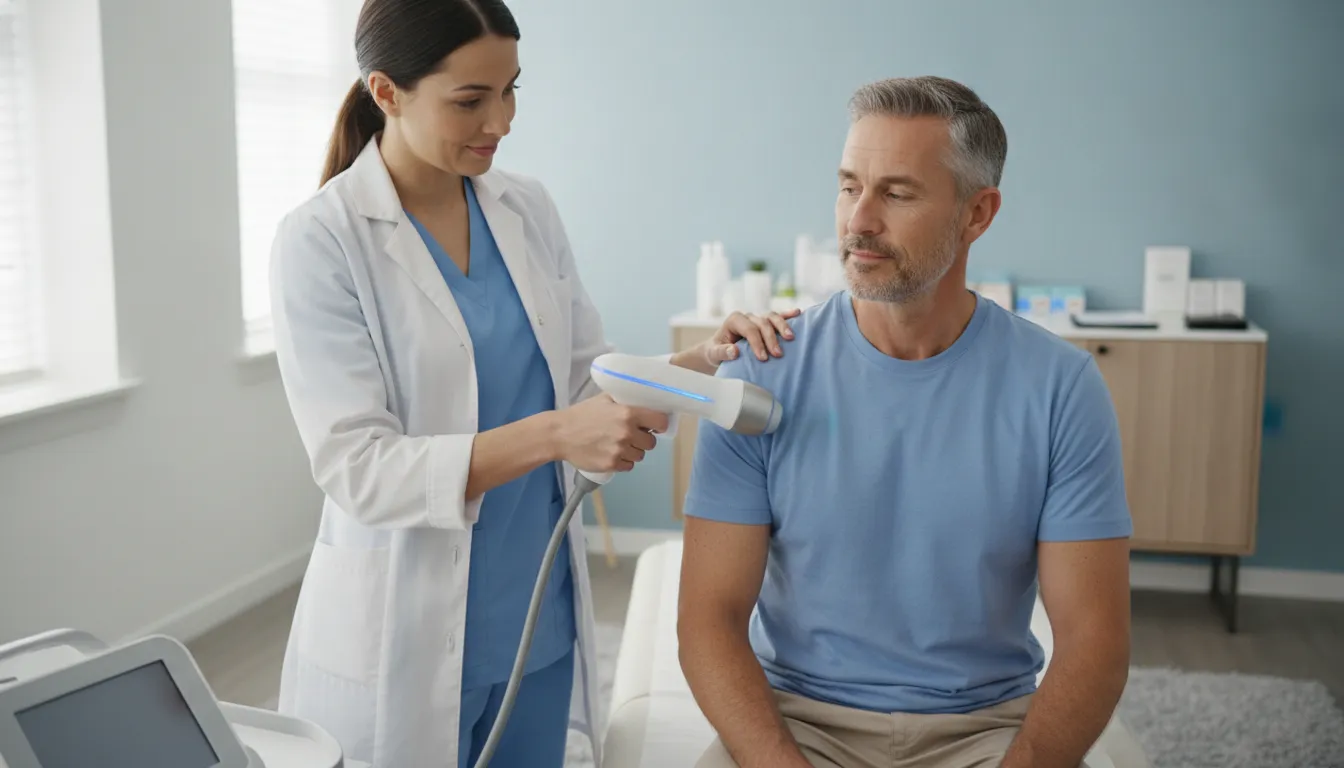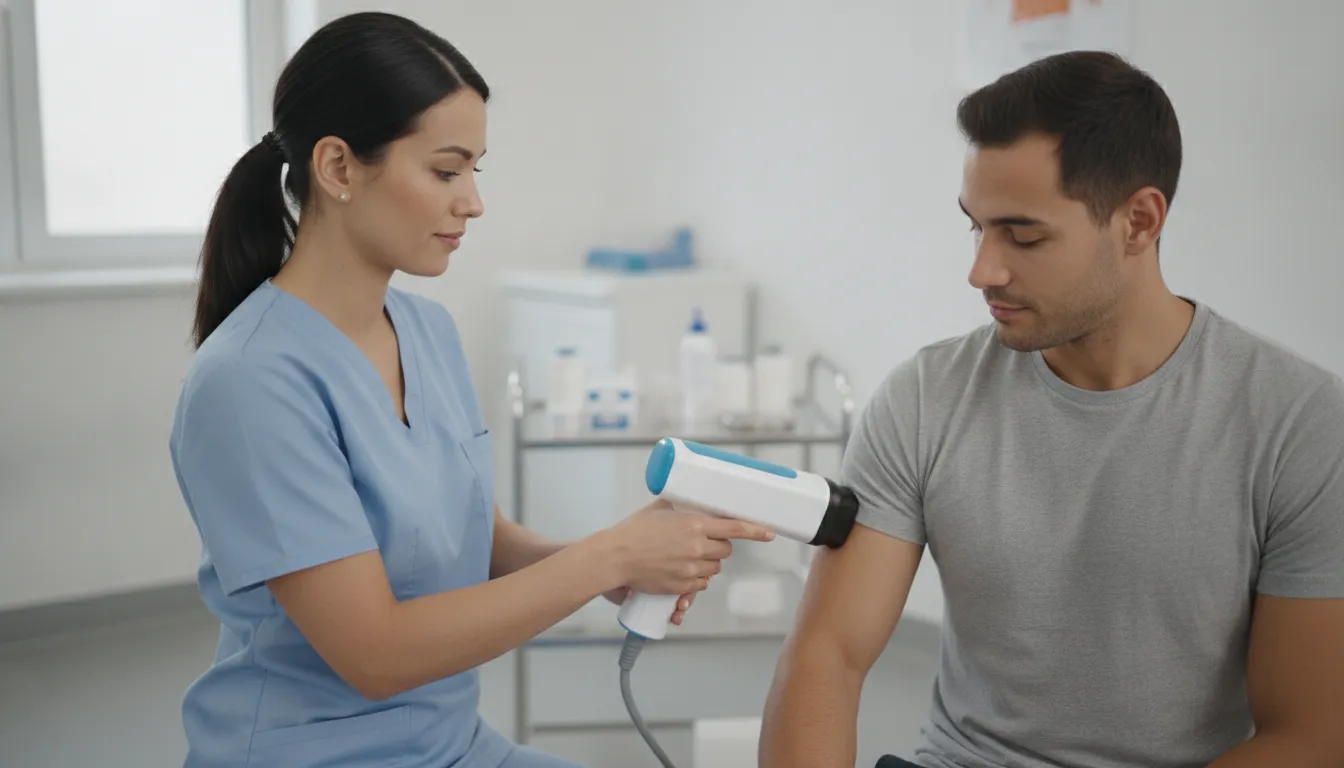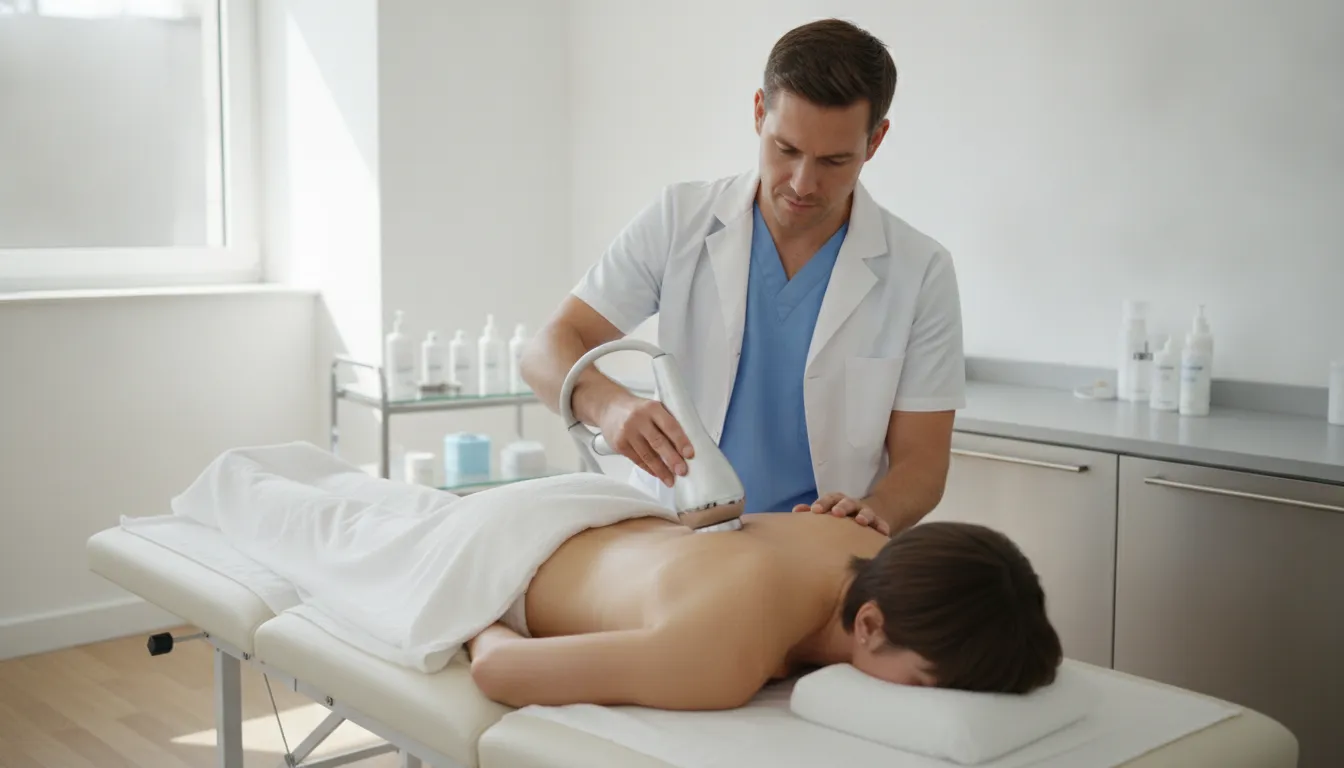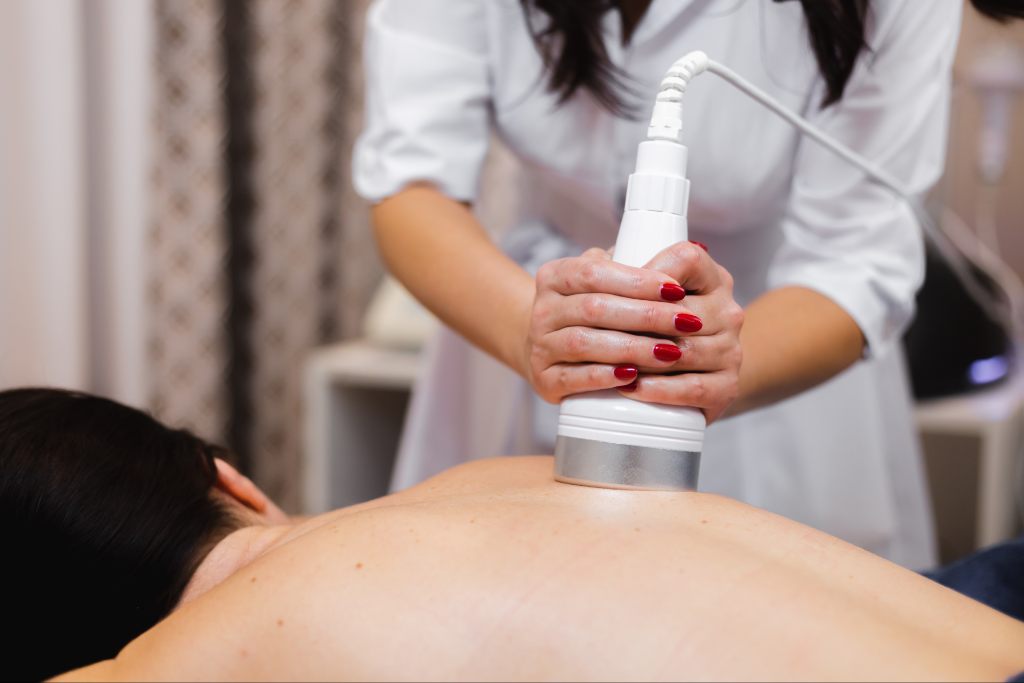
Extracorporeal Shockwave Therapy (ESWT) is a non-invasive modality employed across various medical disciplines, including orthopedics, sports medicine, and physical therapy. It utilizes acoustic waves to stimulate healing, promote tissue regeneration, and alleviate pain in musculoskeletal tissues. While ESWT offers numerous therapeutic benefits, understanding its contraindications is paramount to ensure patient safety and optimize treatment outcomes.
What Is Shockwave Therapy and How Does It Promote Healing
ESWT involves the application of acoustic waves to targeted tissues, stimulating biological responses that facilitate healing. There are three primary types of shockwave therapies: focused, radial, and broad-focused. Focused shockwaves concentrate energy at a specific depth, making them suitable for deep-seated conditions. Radial shockwaves disperse energy over a broader area with less depth penetration, and are often used for superficial musculoskeletal issues. Broad-focused shockwaves, such as those delivered by SoftWave Therapy, combine the advantages of both, allowing for treatment of superficial and deeper tissues without causing microtrauma.
The therapeutic effects of ESWT are attributed to mechanotransduction, where mechanical stimuli are converted into biochemical signals, promoting neovascularization, modulating inflammation, and stimulating cellular repair processes. These mechanisms contribute to pain reduction and tissue regeneration, making ESWT a valuable tool for managing musculoskeletal conditions.
Read more: Radial or Focused Shockwave Therapy? When to Use Each in Clinical Practice
Clinical Indications for Shockwave Therapy
ESWT has demonstrated efficacy across multiple medical specialties, addressing a range of conditions:
- Sports Medicine: Lateral epicondylitis, commonly known as tennis elbow, benefits from ESWT by reducing pain and improving grip strength. A randomized controlled trial by Rompe et al. (2004) supports its effectiveness in chronic cases.
- Urology: Low-intensity ESWT has been explored for erectile dysfunction, with studies indicating improvements in erectile function scores. Vardi et al. (2010) conducted a pilot study showing positive outcomes in men with vasculogenic erectile dysfunction.
- Podiatry: Chronic plantar fasciitis, characterized by heel pain, responds well to ESWT. A meta-analysis by Gerdesmeyer et al. (2008) concluded that ESWT significantly reduces pain and improves function in affected patients.
- Orthopedics: Non-union fractures, where bone healing is delayed, have been treated with ESWT to stimulate osteogenesis. Schaden et al. (2001) reported successful bone healing in a significant number of cases using ESWT.
- Physical Therapy: Calcific tendinitis of the shoulder, involving calcium deposits in tendons, shows improvement with ESWT. A study by Daecke et al. (2002) demonstrated pain reduction and increased shoulder function post-treatment.
These indications underscore the versatility of ESWT in clinical practice, offering non-invasive solutions for conditions that often resist conventional therapies.
Shockwave Therapy Contraindications: When Should It Be Avoided?
While ESWT is generally safe, certain conditions necessitate caution or complete avoidance to prevent adverse effects.
Pregnancy
ESWT is contraindicated in pregnant patients, particularly over the abdominal and pelvic regions, due to potential risks to the developing fetus. Although treatment of distal extremities may pose less risk, it is generally advised to avoid ESWT during pregnancy.
Coagulation Disorders
Patients with bleeding disorders or those on anticoagulant therapy are at increased risk of hematoma formation and prolonged bleeding following ESWT. Caution is advised, and thorough coagulation status assessment is essential before treatment.
Presence of Pacemakers or Other Electronic Implants
The mechanical energy from shockwaves may interfere with the function of implanted electronic devices such as pacemakers. ESWT should be avoided in areas proximal to such devices to prevent potential malfunctions.
Malignancies in the Treatment Area
Applying ESWT over malignant tumors is contraindicated, as the therapy may stimulate tumor growth or metastasis through increased vascularization and cellular activity.
Risks and Adverse Effects Clinicians Should Monitor
While ESWT is generally safe, clinicians should be aware of potential side effects:
- Localized Pain: Some patients may experience discomfort during or after treatment, typically resolving within a few days.
- Swelling: Transient swelling at the treatment site can occur due to increased blood flow and inflammatory responses.
- Bruising: Minor bruising may develop, especially in areas with thinner skin or less subcutaneous tissue.
- Redness: Erythema at the application site is a common, temporary reaction.
- Numbness or Tingling: Rarely, patients might report transient sensory changes, which usually resolve without intervention.
To mitigate these risks, thorough patient assessment and adherence to appropriate treatment protocols are essential. Notably, advancements in shockwave technology, such as SoftWave Therapy, have been associated with reduced incidence of adverse effects due to their unique energy delivery mechanisms.
Introducing SoftWave Therapy and Its Pioneering Approach
SoftWave Therapy stands out in ESWT due to its patented parabolic reflector applicator, which produces broad-focused shock waves. This design allows treating larger and deeper tissue areas without causing microtrauma, enhancing patient comfort and safety. The therapy stimulates biological responses such as increased blood flow, modulation of inflammation, and activation of resident stem cells, promoting tissue regeneration and healing. Unlike traditional focused or radial shockwave devices, SoftWave’s technology offers a more comprehensive treatment approach suitable for various clinical applications in medical fields like orthopedics, sports medicine, physical therapy, urology, and podiatry.
SoftWave Therapy has received FDA 510(k) clearance for indications including the activation of connective tissue, treatment of chronic diabetic foot ulcers, and acute second-degree burns. Additionally, it is licensed by Health Canada for conditions such as tendinopathies, plantar fasciitis, and stress fractures. These clearances underscore SoftWave’s commitment to providing safe and effective treatment options across multiple medical disciplines.
Learn more about the best shockwave therapy machine for providers.
Transform Your Practice with SoftWave Therapy
Understanding the contraindications of shockwave therapy is key for safe and effective patient care. SoftWave Therapy addresses these concerns by offering a broad-focused treatment modality that minimizes risks associated with traditional ESWT. Its unique technology allows for the treatment of a wider range of conditions, enhancing patient outcomes and expanding clinical capabilities.
For healthcare providers seeking to integrate advanced therapeutic options into their practice, SoftWave Therapy presents an opportunity to improve patient care and clinic efficiency. With its ease of use, quick treatment times, and proven clinical benefits from research, SoftWave stands out as a valuable addition to modern medical practices.