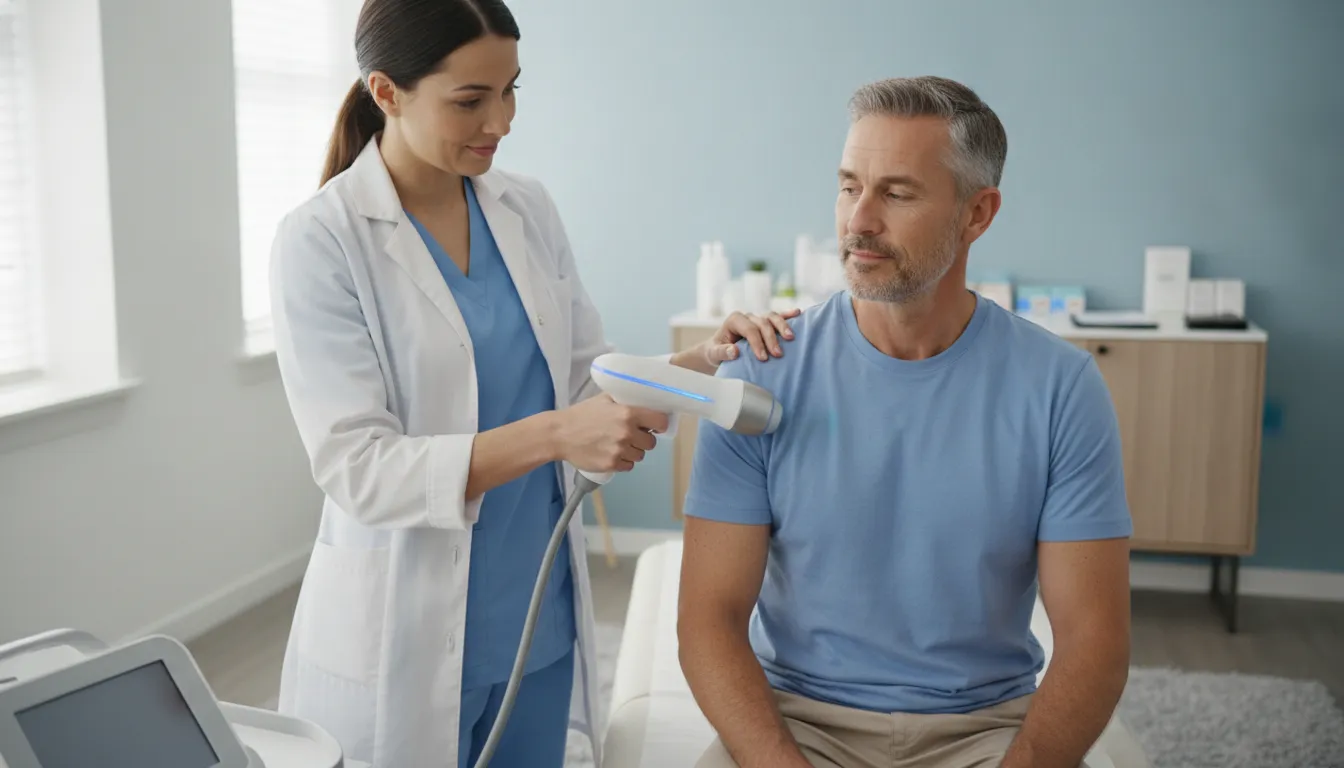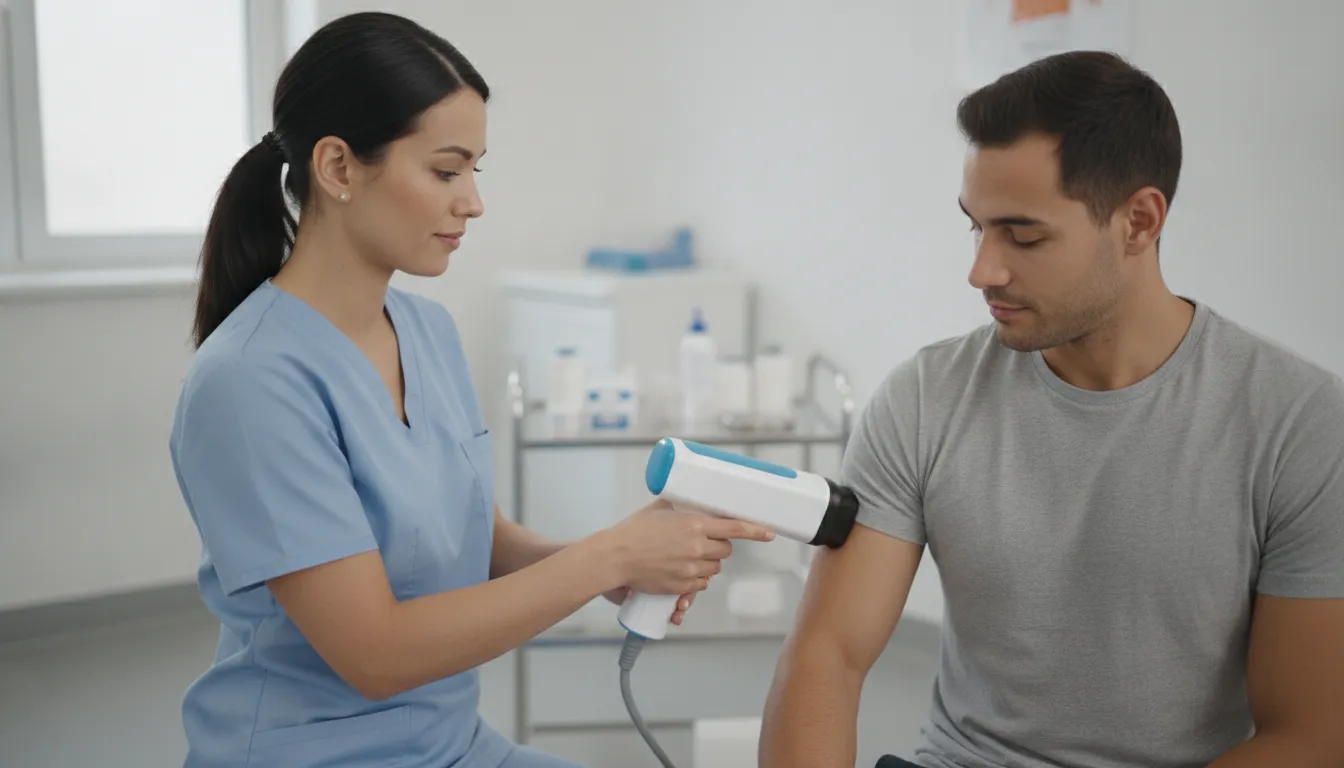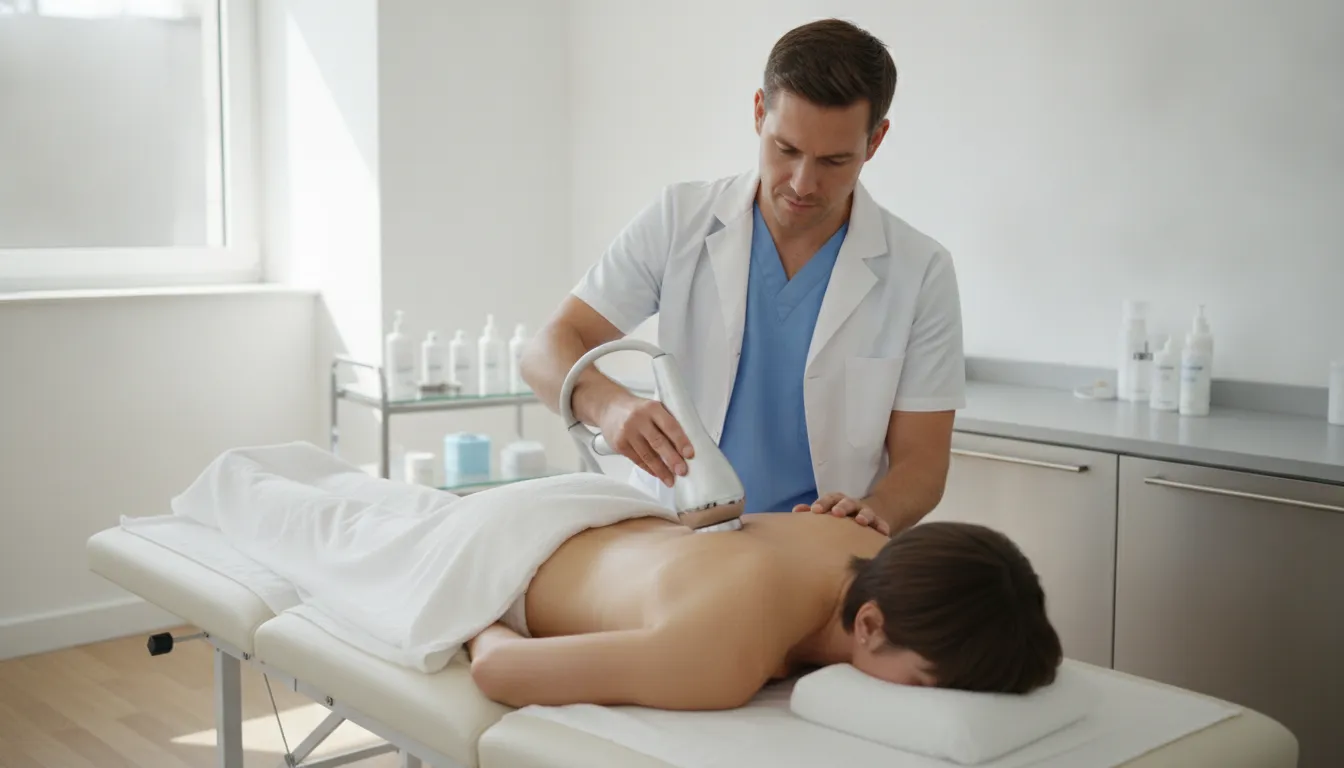
The field of physical therapy has undergone significant advancements, with clinics increasingly integrating medical devices to enhance patient care. These physical therapy devices improve diagnostic precision, treatment effectiveness, and patient adherence to therapy regimens. Implementing such devices in clinical settings is instrumental for optimizing therapeutic outcomes, streamlining clinical operations, and ensuring comprehensive patient rehabilitation.
How Physical Therapy Devices Support Recovery and Improve Outcomes
Medical devices play a vital role in physical therapy by aiding tissue repair, reducing inflammation, and improving mobility. Their precision enables targeted treatment, while patient monitoring features support personalized care and consistent progress tracking.
In clinical settings, these tools are essential for treating chronic tendinopathies, musculoskeletal conditions, and aiding post-surgical recovery. They offer non-invasive alternatives to medication, helping improve outcomes with fewer side effects.
A systematic review and meta-analysis by Majidi et al. (2024) found that extracorporeal shockwave therapy (ESWT) significantly reduced pain in patients with conditions such as plantar fasciitis, lateral epicondylitis, Achilles tendinopathy, and rotator cuff tendinopathy. Similarly, Chon et al. (2014) demonstrated that pulsed radiofrequency under ultrasound guidance effectively treated tarsal tunnel syndrome, highlighting the benefit of combining imaging and stimulation technologies in practice.
Clinicians can deliver more effective, patient-specific therapy that accelerates recovery by integrating these tools.
Top Physical Therapy Devices Clinics Must Have
Incorporating a range of physical therapy devices into clinical practice enhances the ability to address diverse patient needs. Below are essential devices that support effective rehabilitation and recovery.
Shockwave Therapy Devices
Shockwave therapy devices deliver acoustic waves to targeted tissues, promoting healing and reducing pain, playing a key role in physical therapy recovery. They are used to treat conditions such as tendinopathies, plantar fasciitis, and musculoskeletal disorders. These devices aid tissue regeneration and pain relief by stimulating cellular activity and improving blood flow.
SoftWave Therapy: Advancing Tissue Regeneration
SoftWave Therapy utilizes patented electrohydraulic shockwave technology with a broad-focused applicator design. This approach allows for treating both superficial and deep-seated tissues without causing microtrauma. FDA-cleared indications include diabetic foot ulcers, second-degree burns, and musculoskeletal pain. SoftWave Therapy is applied across various disciplines, including orthopedics, sports medicine, physical therapy, urology, and podiatry. Clinicians benefit from non-invasive treatments, quick session times, and high patient satisfaction rates.
Learn more about the best shockwave therapy machine for providers.
Electrical Stimulation Devices (TENS Units)
Transcutaneous Electrical Nerve Stimulation (TENS) devices deliver electrical impulses to nerves, helping to manage pain and stimulate muscle activity. They are commonly used for neuropathic pain, muscle re-education, and post-operative recovery. TENS therapy can reduce pain through two mechanisms: By diminishing the transmission of pain signals to the brain and by increasing the production of natural opioids or endorphins. This dual action makes TENS a valuable tool in physical therapy for enhancing patient comfort and facilitating rehabilitation.
Therapeutic Ultrasound Machines
Therapeutic ultrasound machines use sound waves to promote tissue healing and reduce inflammation. They are effective in treating soft tissue injuries, tendonitis, and bursitis. The mechanical vibrations generated by ultrasound increase blood flow to the targeted area, accelerating the healing process and decreasing pain. Additionally, the deep heating effect of ultrasound therapy can enhance tissue extensibility, making it easier for patients to perform stretching and strengthening exercises during rehabilitation.
Laser Therapy Devices
Low-level laser therapy (LLLT) devices emit specific wavelengths of light to reduce pain and inflammation. They are used in managing conditions like arthritis, soft tissue injuries, and neuropathic pain. LLLT works by stimulating cellular activity, leading to increased ATP production and enhanced tissue repair. This non-invasive therapy can be an effective adjunct to other physical therapy modalities, aiding faster recovery and improved patient outcomes.
Pneumatic Compression Therapy Devices
Pneumatic compression devices enhance blood flow and reduce edema by applying controlled pressure to limbs. They are utilized in post-operative recovery, lymphedema management, and athletic rehabilitation. The intermittent compression helps to move lymphatic fluid and blood through the vessels, reducing swelling and promoting the removal of metabolic waste products. This can lead to decreased muscle soreness and a quicker return to activity for patients undergoing physical therapy.
Bring the Power of SoftWave Therapy to Your Practice
Integrating advanced physical therapy devices enhances patient care and clinic efficiency. Among these, SoftWave Therapy stands out for its ability to promote tissue regeneration and modulate pain. By adopting SoftWave Therapy, clinicians can offer non-invasive treatments that stimulate the body’s natural healing processes, leading to improved patient outcomes and satisfaction.
Discover how SoftWave Therapy can transform patient care in your clinic. Schedule a personalized demo today to see the technology in action and learn how it can benefit your patients and physical therapy outcomes.