Persistent pain can affect movement, sleep, work, and confidence. Understanding the treatment being considered is an important part of making a thoughtful care decision.
Find a SoftWave provider to discuss your chronic pain and treatment options.
Shockwave therapy for chronic pain uses mechanical energy to interact with targeted tissue and may support pain management and recovery for some musculoskeletal conditions. It is a treatment modality, not a diagnosis or a guaranteed solution, so candidacy and expectations should be determined by a qualified healthcare professional.
SoftWave Tissue Regeneration Technology is an electrohydraulic shockwave platform designed for non-invasive clinical applications. The condition, evidence, and broader care plan all matter when evaluating whether it may be appropriate. Start with what this therapy is and how it fits into chronic-pain care.
What Is Shockwave Therapy for Chronic Pain?
Shockwave therapy for chronic pain is a non-invasive treatment approach that uses mechanical energy to address certain musculoskeletal conditions. The clinical term often used is extracorporeal shock wave therapy. Or ESWT. “Extracorporeal” means that the energy is generated outside the body and delivered through the skin to a treatment area. Unlike a diagnosis, ESWT describes a treatment modality. It does not, by itself, identify the source of pain or determine whether the treatment is appropriate.
Shock waves are high-intensity mechanical waves with a rapid positive phase followed by a negative phase. This physical pattern is different from a simple massage or a general warming treatment. In clinical care, the provider selects the device settings, treatment location, and overall plan based on the person’s symptoms, examination, health history, and working diagnosis. ESWT has been used for sub-acute and chronic musculoskeletal pain conditions since 2000, although research findings can vary by condition and protocol. Read the review of shock wave therapy in musculoskeletal medicine for additional scientific context.
What chronic pain means in this context
Chronic pain is pain that persists or recurs over an extended period. It may be associated with tendons, muscles, joints, connective tissue, or other structures, but the label alone does not explain why the pain is present. A persistent symptom can reflect an overuse injury, degenerative change, an unresolved acute injury, nerve involvement, referred pain, or another medical issue. That is why an evaluation comes before choosing a treatment.
For some patients, a qualified healthcare professional may consider ESWT as one part of a broader plan. The plan may also include activity modification, therapeutic exercise, rehabilitation, medication, imaging, or another intervention when clinically appropriate. The goal is not to treat every source of pain with the same device or protocol. Instead, the provider considers whether the suspected condition and the available evidence support this option.
Where SoftWave fits
SoftWave Tissue Regeneration Technology is a medical technology platform manufactured by SoftWave Tissue Regeneration Technologies, LLC. The company manufactures FDA 510(k)-cleared electrohydraulic shockwave therapy devices. This regulatory description applies to specific device indications and should not be read as clearance for every chronic pain condition. A device clearance also does not replace a clinician’s diagnosis or establish that a particular patient will have a particular result.
SoftWave is designed for use by trained healthcare professionals in appropriate clinical settings. Its applications may include selected musculoskeletal concerns, but candidacy depends on the condition, patient factors, treatment plan, and provider assessment. The technology should be considered alongside standard medical care, not as a substitute for urgent evaluation, surgery when indicated, wound care, or rehabilitation. To learn more about the platform without confusing the device with a diagnosis, review how SoftWave technology works. A discussion with a qualified healthcare professional can help determine whether shockwave therapy belongs in an individualized plan for persistent pain.
How Does SoftWave Technology Work?
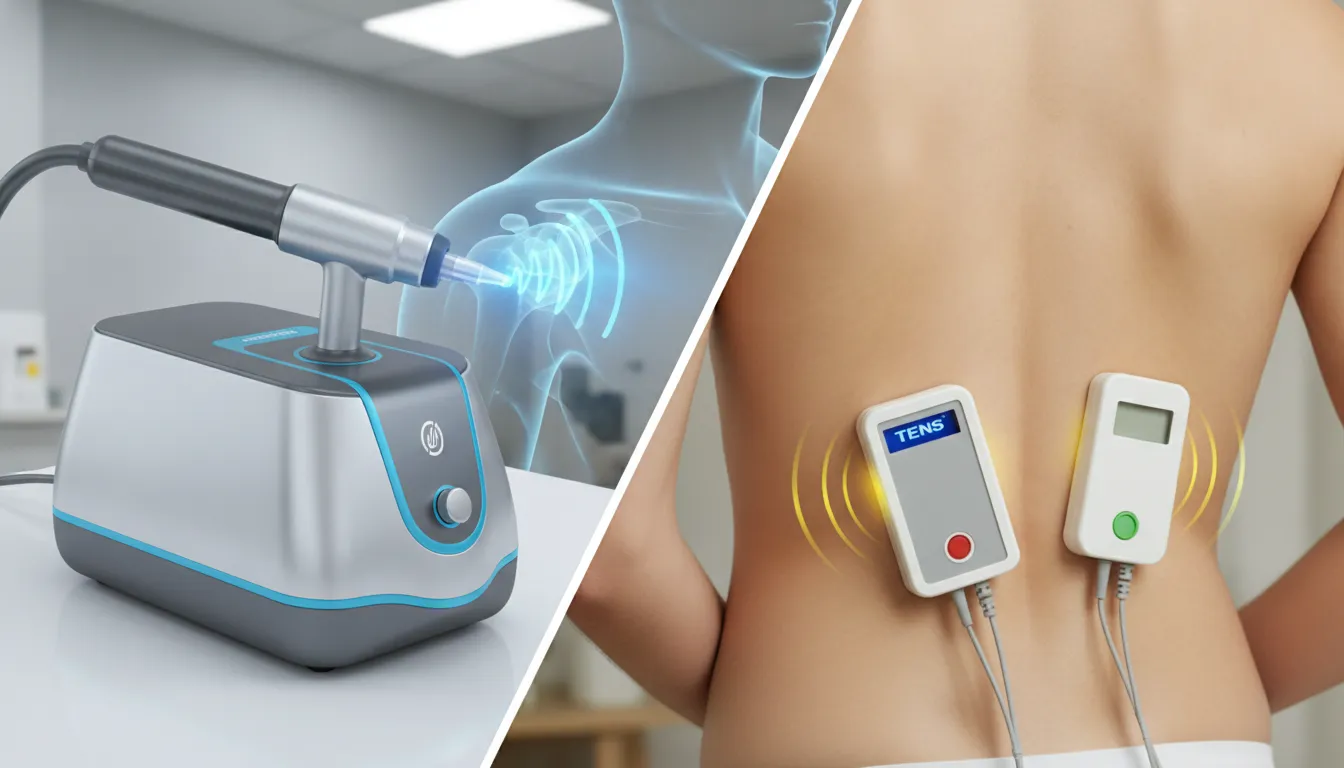
SoftWave Tissue Regeneration Technology uses an electrohydraulic approach to create mechanical shockwaves outside the body and deliver them to a selected treatment area. In practical terms, the device converts electrical energy into a pressure wave that can be applied to musculoskeletal tissue by a trained provider. The technology is designed to support a treatment plan, not to replace a diagnosis or establish a single explanation for every chronic pain condition.
From electrical discharge to pressure wave
The process begins with a high-energy electrical discharge inside the applicator. That discharge creates a small plasma bubble, which rapidly expands and produces a pressure wave. The wave is then directed toward the treatment area. This is different from simply warming the skin or applying a passive vibration. It is a controlled mechanical stimulus delivered through the body surface.
SoftWave’s electrohydraulic devices are manufactured by SoftWave TRT and are FDA 510(k)-cleared for specific uses. Clearance language is indication-specific. It should not be interpreted as approval for every use of shockwave therapy for chronic pain. A qualified healthcare professional can explain how a proposed use fits the patient’s condition and treatment plan.
Why the treatment zone matters
The applicator uses patented parabolic reflector technology to create a broad-focused therapeutic zone. SoftWave describes that zone as approximately 7 centimeters wide and up to 12 centimeters deep. Rather than concentrating energy into a very small point, this design is intended to cover a broader area of tissue in a treatment pass. The exact location, energy settings, number of impulses, and treatment pattern remain clinical decisions based on the area being evaluated.
That distinction matters when people compare shockwave treatments. Devices and protocols can differ in wave generation and focus. They can also differ in energy, impulse count, treatment frequency, and analgesia use. Research on extracorporeal shockwave therapy therefore should not be transferred to every device or condition without considering those differences. The relevant question is not only whether a therapy is called shockwave therapy, but also which device and protocol were studied.
How mechanical energy may influence tissue response
One proposed mechanism is mechanotransduction, which means converting mechanical energy into cellular signals. Researchers and SoftWave materials discuss possible relationships between this signaling and processes such as angiogenesis, inflammation modulation, and tissue regeneration. These mechanisms help explain why mechanical stimulation is being studied in musculoskeletal care, but they do not guarantee healing or pain relief for an individual.
For that reason, a provider should connect the technology to an examination, a working diagnosis, and appropriate rehabilitation or other care when indicated. To review the device design in more detail, see how SoftWave technology works. The technology may be one component of a broader plan for managing persistent pain, with expected benefits and limitations discussed before treatment begins.
Which Chronic Pain Conditions May Be Considered?
Persistent pain can arise from different tissues, injury patterns, and underlying conditions, so a provider begins with the diagnosis rather than the device. The SoftWave Gold Li-Series Musculoskeletal platform is designed for applications that include plantar fasciitis, back pain, knee pain, stress fractures, tendinopathies, and rotator cuff injuries. These categories describe situations a clinician may evaluate, not a promise that shockwave therapy will be appropriate or effective for every person. A broader overview of SoftWave musculoskeletal applications can help readers understand the intended scope.
Foot, tendon, joint, and muscle-related pain
Plantar fasciitis is one example associated with the tissues supporting the bottom of the foot. Tendinopathies can affect areas such as the heel, elbow, shoulder, or other tendon structures. Research literature has reported beneficial effects of extracorporeal shockwave therapy in conditions including plantar fasciitis, calcific tendinopathy, and lateral epicondylosis. Those findings should be interpreted carefully because studies may use different devices, energy levels, impulse counts, treatment schedules, and pain-management approaches.
Back and knee pain may also prompt a discussion about whether this modality belongs in a broader care plan. The same is true for shoulder pain, including some rotator cuff-related problems, and sports-related injuries or overuse conditions. A listing on a device platform does not replace a clinical assessment. Similar symptoms can reflect different diagnoses. Treatment decisions may change when pain is caused by a fracture, nerve involvement, systemic illness, or a structural problem requiring another form of care.
Why the evaluation matters
A qualified healthcare professional may consider the location and suspected tissue involved. They may review symptom duration, pain severity and pattern, relevant imaging or examination findings, and effects on function. Health history also matters. Previous injuries, medications, circulation concerns, bone or connective-tissue conditions, recent procedures, and other treatments can influence candidacy and sequencing. Rehabilitation context is important as well. Exercise, mobility work, load management, footwear changes, activity modification, or other standard care may be part of a plan rather than something to abandon.
For this reason, shockwave therapy for chronic pain should be viewed as one treatment modality within an individualized plan. It is not a diagnosis or a universal solution. Device design and clinical protocol differences also mean that results from one study or condition cannot automatically be transferred to another. Outcomes vary by condition, patient factors, treatment plan, and provider assessment.
Seek prompt medical evaluation for red flags. New or worsening weakness, loss of coordination, spreading numbness, or loss of bladder or bowel control may require urgent assessment. Severe pain after significant trauma, fever with severe pain, unexplained weight loss, or rapidly escalating pain also warrant prompt attention. Do not delay standard medical care while researching non-invasive options, and do not use this article to self-diagnose. A clinician can determine whether further testing, another treatment, or a referral is needed before discussing SoftWave as one possible component of care.
What Does the Evidence Say About Shockwave Therapy?
The most useful way to assess shockwave therapy for chronic pain is to look at the condition studied, the treatment protocol, and the outcomes measured. Evidence for one diagnosis should not be presented as proof that the same results will occur for every chronic pain condition. Research can help inform a conversation with a qualified clinician, but it does not replace an examination, diagnosis, or individualized treatment plan.
One relevant example is a systematic review and meta-analysis focused specifically on chronic low back pain. It included 12 randomized controlled trials involving 632 patients. In the pooled analysis, extracorporeal shockwave therapy (ESWT) was associated with greater pain relief than the comparator interventions at both four weeks and 12 weeks. The analysis also reported improved lumbar dysfunction scores at those time points. These findings are relevant to the population studied. They are low-back-pain evidence, not a universal conclusion about all chronic pain.
The same review reported no serious adverse effects in its pooled results. That finding is encouraging, yet it does not mean every person will experience treatment in the same way or that risk assessment is unnecessary. A provider still needs to consider the underlying diagnosis, medical history, the body area being treated, and whether another form of care is more appropriate.
| Evidence question | What the research suggests | Important caution |
|---|---|---|
| What has been studied most directly? | A meta-analysis evaluated 12 randomized controlled trials with 632 patients who had chronic low back pain. | The findings apply to the studied chronic low-back-pain population. They do not establish identical effects for tendon, joint, nerve, or other pain conditions. |
| What outcomes were reported? | The review found greater pain relief and better lumbar dysfunction scores at four and 12 weeks compared with the included comparator interventions. | Statistical improvement in a study group does not guarantee a specific outcome for an individual patient. The size and practical meaning of improvement should be discussed with a clinician. |
| What was reported about safety? | No serious adverse effects were found in the pooled chronic low back pain results. | Individual suitability still requires medical review. A pooled result cannot rule out discomfort, temporary reactions, or risks related to a particular diagnosis or health history. |
| Why do studies vary? | ESWT research includes differences in energy flux density, impulse count, frequency, device type, treatment sessions, and use of analgesia. | Results from one device or protocol should not automatically be transferred to another device, setting, schedule, or condition. |
Protocol variation is a central reason to avoid treating the label “shockwave therapy” as if it describes one identical intervention everywhere. Reviews note differences between focused and radial devices. They also note differences in energy levels, impulse counts, treatment frequency, sessions, and analgesia. Those details may affect how a study compares with a treatment plan offered in a particular clinic. They also make it harder to combine results across conditions without careful interpretation.
For readers evaluating shockwave therapy for chronic pain, the practical question is not simply whether a study reported a positive result. Ask which diagnosis was studied and what device and settings were used. Ask how many sessions were provided, what comparison group was used, and how long participants were followed. A clinician can explain whether the evidence applies to your pain. They can also explain how the approach fits with rehabilitation or other standard care.
For additional context, review the SoftWave research library. You can also read the peer-reviewed meta-analysis on chronic low back pain at PMC. A broader review discusses ESWT protocols and clinical applications at PMC. These sources support an evidence-aware discussion, not a promise of a particular result.
What Happens During a SoftWave Therapy Session?
A SoftWave visit is typically structured around an evaluation, a targeted treatment, and a plan for assessing progress. The exact experience depends on the condition being addressed, the area involved, your medical history, and the provider’s clinical judgment. If you are exploring shockwave therapy for chronic pain, view the appointment as part of a broader care plan. It is not a stand-alone procedure with a guaranteed result.
-
Assessment and treatment planning come first
Your provider will review your symptoms, relevant history, functional limitations, and any available examination or imaging findings. This step helps determine whether the painful area is appropriate for treatment and whether another evaluation or intervention should come first. It also gives you an opportunity to discuss medications, previous treatments, recent injuries, and what activities you want to resume. A clinician determines candidacy and sets expectations, so the plan should be individualized rather than based only on a generic session schedule.
-
Preparation is usually simple
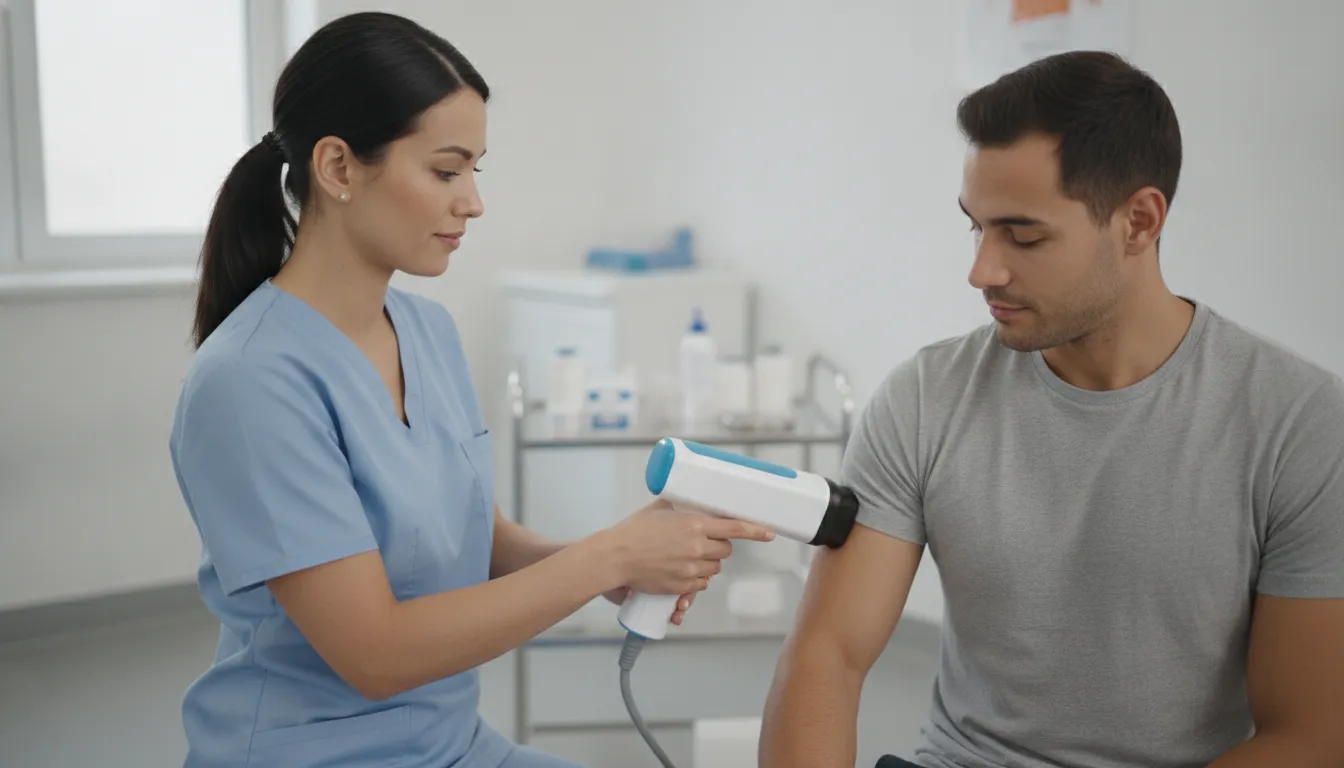
For a musculoskeletal appointment, the provider generally positions the body so the treatment area is accessible. Coupling gel may be applied to help the device contact the skin and deliver mechanical energy to the selected region. SoftWave materials describe the treatment as non-invasive and typically performed without anesthesia. Even so, tell the provider if the area is unusually sensitive or if you have concerns about discomfort. A tolerability discussion allows the clinician to adjust the approach within the treatment plan and helps you understand what sensations may occur.
-
The treatment is brief, but the visit is not a race
SoftWave describes typical musculoskeletal treatment sessions as taking approximately 5 to 10 minutes. During application, the provider moves the device over or around the selected area according to the clinical approach. You may notice pressure, tapping, or other sensations, and comfort can vary by body region and individual sensitivity. The short application time does not mean every patient should receive the same settings, treatment area, or number of visits. Device type, treatment parameters, diagnosis, and response all matter when a provider builds a plan.
-
Follow-up focuses on function and response
After treatment, your provider may discuss activity modification, exercise, physical therapy, or other rehabilitation that supports the underlying care plan. Progress can be monitored through pain reports, range of motion, strength, walking tolerance, work or sport activities, and other measures relevant to your goals. A chronic condition may take more time to show its full response, and improvement is not guaranteed for every person. A clinical practice source notes that chronic conditions may require more time to show their full response. That observation is not a promise or a universal timeline.
Some providers may use a schedule of approximately one visit per week for 4 to 6 weeks. SoftWave identifies this as a possible average approach while noting individual variability. Your provider may recommend fewer, more, or differently spaced visits based on your assessment and progress. Ask what will be measured, when the plan will be reviewed, and what would prompt a change in treatment. For additional practical questions about session length and treatment planning, review the SoftWave therapy FAQs.
Following up does not require waiting for a fixed milestone before speaking with your care team. Report unexpected or worsening symptoms promptly, and keep other recommended medical or rehabilitation appointments. SoftWave therapy is intended to complement appropriate clinical care, not replace diagnosis, standard treatment, surgery, or rehabilitation when those are needed.
Is SoftWave Therapy Appropriate for Everyone?
SoftWave therapy is not automatically appropriate for every person, pain pattern, or diagnosis. Candidacy depends on what is causing the symptoms, how long they have been present, relevant medical history, current treatment, and the clinician’s assessment. Outcomes can vary by condition, patient factors, treatment plan, and provider evaluation. A consultation should therefore begin with understanding the problem, not with assuming that a particular device or procedure is the right answer.
For people researching shockwave therapy for chronic pain, it is important to distinguish a device’s regulatory clearance from claims about every use of the technology. SoftWave holds FDA clearances related to connective tissue activation, minor muscle aches and pains, temporary increases in local blood circulation, and specific Class II wound indications. The wound indications include chronic diabetic foot ulcers and second-degree burns, with limitations. Those specific indications should not be generalized to all chronic pain conditions.
Why the diagnosis and indication matter
Pain is a symptom, not a diagnosis. Similar pain in the back, shoulder, foot, knee, or another area can have different causes and may require different care. A qualified clinician can determine whether the symptoms fit an application for which SoftWave may be considered. They can also determine whether testing is needed and how treatment fits within a broader plan. FDA clearance is indication-specific, and the details of a patient’s condition, the treatment area, and the provider’s protocol all matter.
SoftWave Tissue Regeneration Technology is designed to complement clinical care. It does not replace a diagnosis, standard medical care, surgery when surgery is indicated, wound care, or rehabilitation. A patient may need medication, physical therapy, activity modification, wound management, imaging, specialist referral, or another intervention alongside or instead of a shockwave treatment. A provider should explain the reasoning behind the recommendation rather than presenting SoftWave as a universal solution.
Questions to ask before treatment
- What is the likely cause of my symptoms, and what findings support that assessment?
- Is SoftWave being considered for my specific diagnosis and treatment area?
- Which FDA-cleared indication, if any, applies to this recommendation in the United States?
- What other treatments, rehabilitation, or follow-up should be part of my plan?
- What factors in my medical history, medications, wounds, or current symptoms could affect candidacy?
- How will we measure progress, and when will we reconsider the plan if my symptoms do not improve?
There is no responsible universal contraindication list that can replace an individual review. Tell the clinician about relevant diagnoses, medications, recent procedures or injuries, wounds, pregnancy if applicable, and any change in symptoms. Ask directly about precautions that apply to your situation and whether another clinician should be involved.
When symptoms need prompt medical assessment
Do not delay urgent assessment while searching for a non-invasive treatment. Seek care if pain follows a serious injury, or if it is accompanied by new weakness, significant numbness, or loss of bladder or bowel control. Seek prompt medical attention for severe or rapidly worsening pain. Also seek care if you have fever, feel acutely unwell with a hot, red, or swollen area, or have an open or worsening wound. Follow any other urgent-care guidance from your clinician. In an emergency, contact local emergency services. Once urgent causes have been addressed, a qualified provider can discuss whether SoftWave belongs in a safe, diagnosis-led care plan.
How Can Patients Find a Qualified SoftWave Provider?
Choosing a provider is an important part of evaluating shockwave therapy for chronic pain. SoftWave therapy should begin with an individualized clinical discussion, not a promise that one device or protocol is right for every person. A qualified healthcare professional can review your symptoms, medical history, prior care, and goals before deciding whether this approach belongs in your treatment plan.
Start with a complete evaluation
Ask how the provider will determine the source of your pain. The evaluation may include questions about when symptoms began, what activities affect them, previous injuries, relevant diagnoses, medications, and treatments you have already tried. You should also be able to ask what findings would make SoftWave inappropriate or indicate that you need another type of care first.
This distinction matters because a treatment modality does not replace diagnosis. Persistent pain can have multiple causes, and similar symptoms may require different approaches. A responsible provider should explain what is known about your condition and what remains uncertain. They should also explain whether SoftWave is being considered alongside rehabilitation, medication, surgery, wound care, or another standard treatment. It should not replace those options when they are indicated.
Questions to ask before treatment
- What diagnosis or clinical problem are you evaluating?
- Why might SoftWave be appropriate for my situation?
- What are the goals of treatment, and how will we measure progress?
- What training and experience do you have with SoftWave and with my condition?
- Which device and treatment approach would you use, and why?
- What alternatives should I consider, including continuing or adjusting my current care?
- What follow-up will be provided if my symptoms do not change or become worse?
Look for clear expectations, not guarantees
Outcomes can vary with the condition, patient factors, treatment plan, and provider assessment. Be cautious of language that guarantees pain relief, promises identical results, or presents a fixed number of sessions as appropriate for everyone. Instead, ask how the clinician will reassess you and when the plan might change. A thoughtful provider should discuss expected benefits and limitations in clear terms. They should explain whether rehabilitation or home care is part of the broader plan.
You can use the find a SoftWave provider directory as a starting point for locating providers. Then contact a practice to confirm that it evaluates your specific concern and can answer questions about clinical training, candidacy, alternatives, and follow-up. SoftWave also provides a patient guide to SoftWave therapy for general orientation, but your healthcare professional remains the right source for an individualized recommendation.
Choose a provider who treats the technology as one part of evidence-aware care. The provider should take time to understand your symptoms and help you make an informed decision without pressure.
Frequently Asked Questions
How long does a SoftWave therapy session take?
A typical musculoskeletal session is described as approximately 5 to 10 minutes. A provider first evaluates the area, applies coupling gel, delivers treatment with the device, and discusses tolerability and follow-up. The full appointment may take longer because assessment and care planning are part of responsible treatment.
How many sessions might I need?
There is no universal schedule. Some providers may use a once-weekly plan for 4 to 6 weeks. The appropriate number and spacing depend on your condition, symptoms, goals, and clinical assessment. Your provider should explain how progress will be measured and when the plan should be reconsidered.
Does SoftWave therapy hurt, and are there side effects?
Sensation varies by treatment area, condition, and individual tolerance. The treatment is non-invasive and typically does not require anesthesia, but you should tell the provider if the intensity is uncomfortable. Ask about expected short-term effects, relevant health conditions, medications, and any symptoms that should prompt follow-up.
Can SoftWave therapy replace a diagnosis or other care?
No. A clinician should determine whether the treatment is appropriate after evaluating the cause of persistent pain. It is not a substitute for diagnosis, standard care, surgery, wound care, or rehabilitation. FDA clearance is indication-specific, so a device clearance should not be interpreted as approval for every chronic pain condition.
How can I find a qualified SoftWave provider?
Start by discussing your persistent pain with a qualified healthcare professional. Ask about their experience with your condition, how they assess candidacy, what outcomes they will track, and how treatment fits with rehabilitation or other care. You can also use the SoftWave provider directory to identify a nearby practice.
Discuss Your Chronic Pain With a Qualified Provider
A qualified healthcare professional can help you discuss persistent pain, review your symptoms, and determine whether SoftWave therapy belongs in a broader care plan. When you are ready to explore local options, find a SoftWave provider through the verified directory. Bring questions about your condition, treatment goals, and how therapy may fit alongside evaluation, rehabilitation, or other recommended care.