Understanding the role of alternatives to back surgery empowers clinicians to broaden therapeutic strategies before making surgical referrals. Emphasizing minimally invasive and regenerative options helps optimize patient outcomes, mitigate surgical risk, and improve recovery timelines. Among these, SoftWave Therapy, radiofrequency ablation, and physical therapy offer evidence‑based pathways worth considering.
When Is Back Surgery Necessary and What Are the Best Alternatives?
Surgery for degenerative spinal conditions, such as lumbar spinal stenosis, disc herniation, or spondylolisthesis, is generally reserved for patients who exhibit progressive neurologic deficits, marked radicular pain, or neurogenic claudication that persists despite adequate conservative management. A randomized trial of 94 patients with symptomatic lumbar spinal stenosis showed that surgical decompression improved function and vitality more than non‑operative care, although pain relief did not significantly differ in the short and medium term, and complication risks were higher with fusion (Kats et al. 2022).
However, evidence suggests surgical advantage is often limited to moderate-to-severe cases where conservative measures fail. A review of five RCTs involving 643 participants found mixed data: while surgical groups reported short-term symptom relief (10–24%), long-term differences between surgery and structured non-operative care were minimal, and conservative treatments carried virtually no risk of adverse events (Zaina et al. 2016). This underscores the importance of considering alternatives to back surgery in patients without urgent surgical indications.
Evidence‑Based Alternatives to Back Surgery
Randomized trials and prospective studies demonstrate that even in conditions commonly considered surgical, such as degenerative disc herniation and spinal stenosis, structured non-operative care, including education, physical therapy, and interventional modalities, often yields equivalent long-term outcomes to surgery, without sacrificing safety or effectiveness.
In a prospective study, surgical patients experienced early relief, yet by one- and two‑year follow-up, those managed conservatively had equivalent pain and function levels (Gugliotta et al., 2016). Similarly, Försth et al. (2016) reported no added benefit from adding fusion to decompression at five years for patients with stenosis, indicating that conservative or decompression-alone approaches can provide enduring improvement. These observations affirm the value of early investment in alternatives to back surgery without understating surgical utility when appropriate.
Let’s explore several clinically validated, non‑operative options for spinal conditions commonly considered for surgery. Each is supported by peer‑reviewed literature and optimized for clinical application.
1. SoftWave Therapy
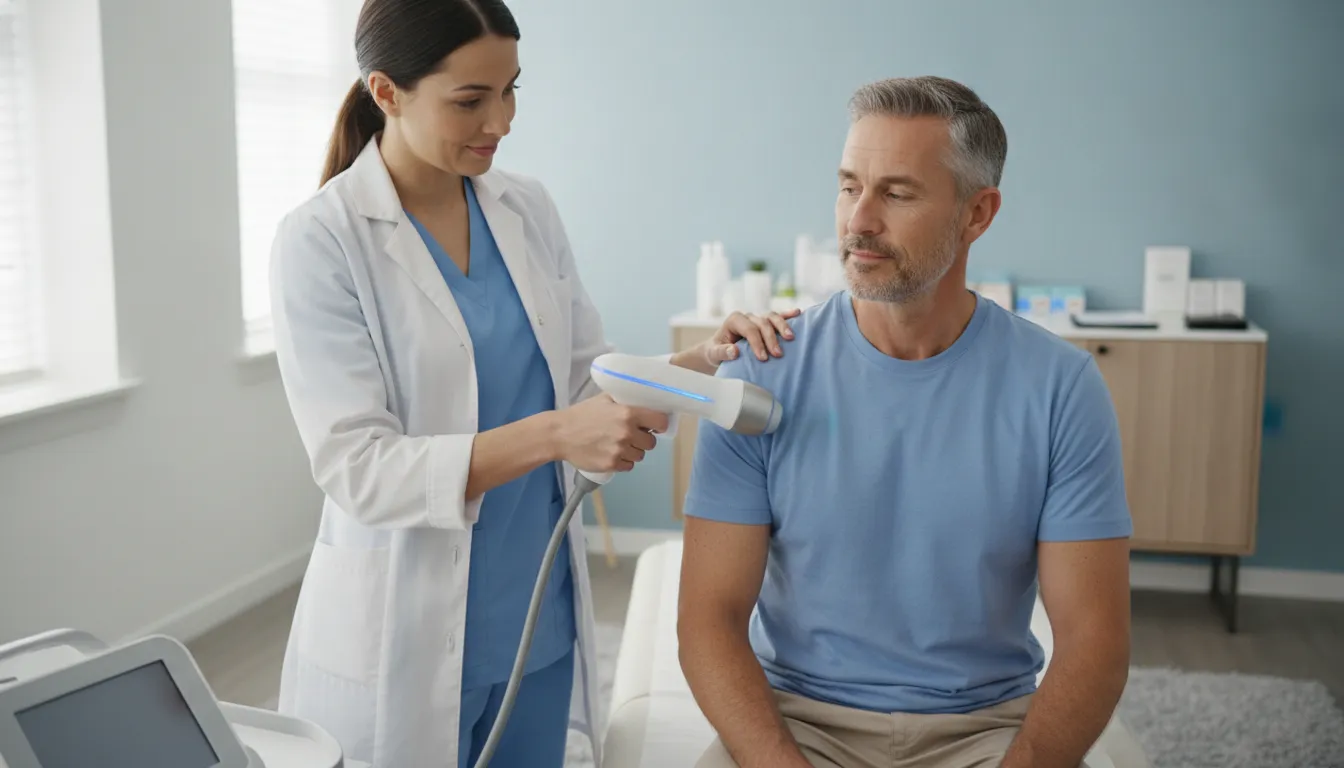
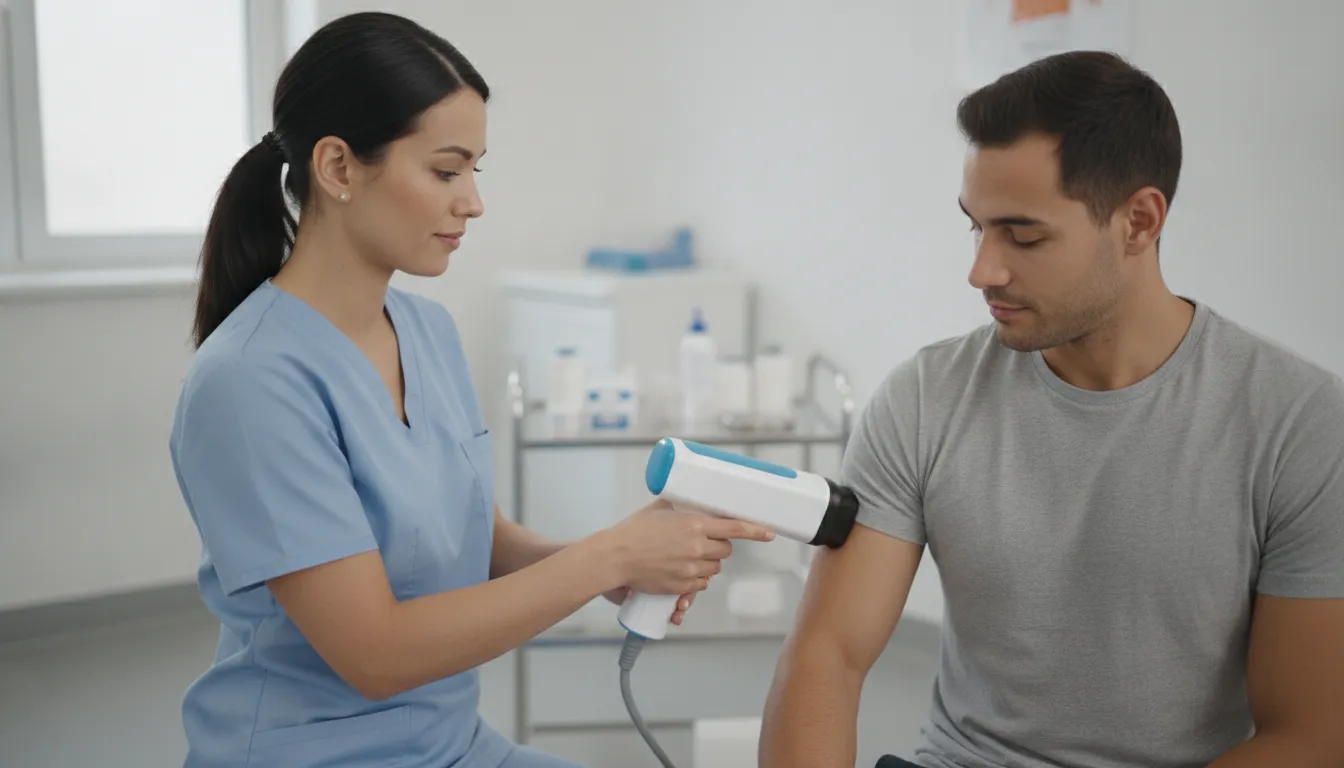
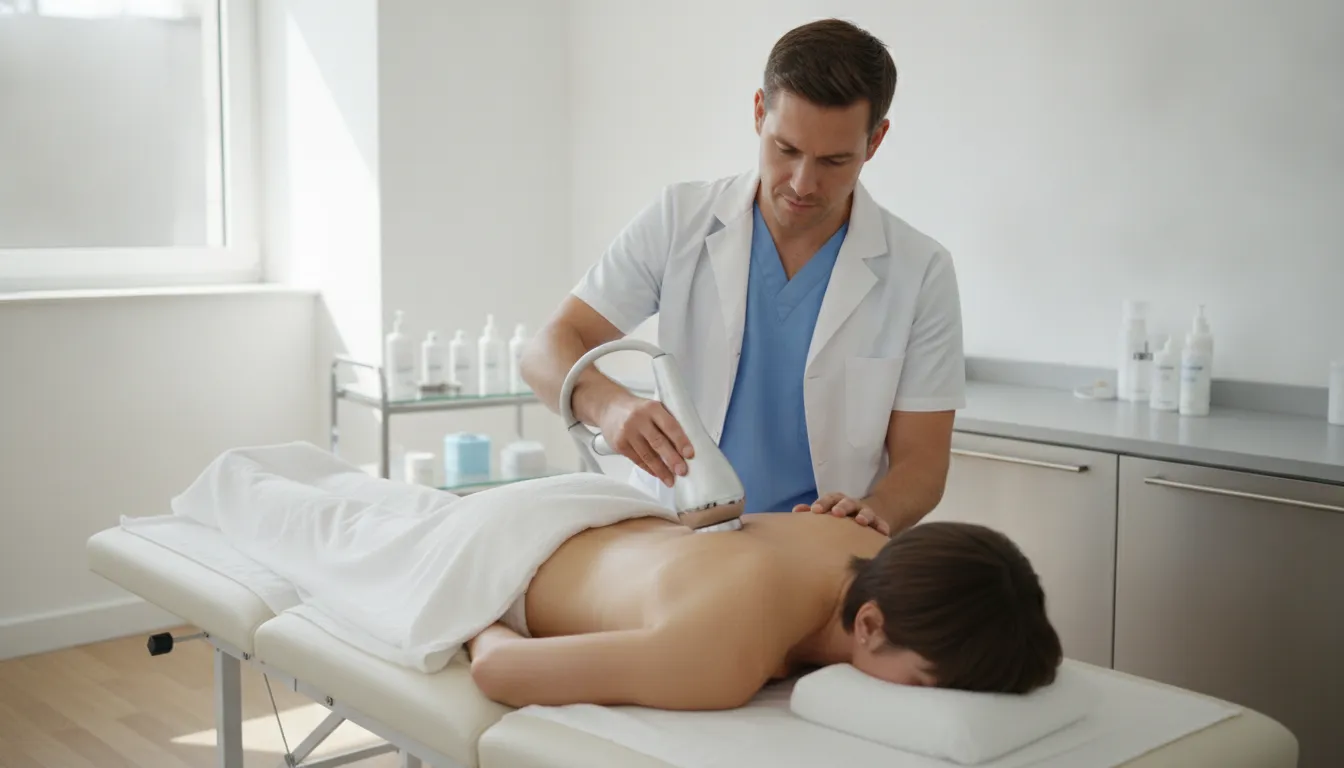
SoftWave delivers a mechanical stimulus deep into spinal tissues using its patented, broad-focused parabolic applicator, which uniformly covers both superficial and deep spinal tissues. This activation of cellular pathways promotes tissue repair, collagen synthesis, and improved vascularity, all of which support back healing and pain modulation.
ESWT stimulates angiogenesis, cytokine release, and tissue regeneration (Yue et al., 2021). A randomized controlled trial by Sun et al., (2022) comparing broad‑focused ESWT to standard focused ESWT found that the broader modality produced more substantial reductions in pain and functional disability at twelve weeks in patients with chronic low back pain, without any increase in adverse events. Compared with standard ESWT, SoftWave’s applicator design enhances volumetric coverage, making it uniquely suited for diverse spinal and paraspinal pathologies in outpatient settings.
For a detailed comparison on wave types, device specs, treatment efficiency, and FDA clearances, explore the Best Shockwave Therapy Machine For Providers.
2. Radiofrequency Ablation (RFA)
RFA uses targeted thermal energy to coagulate medial branch nerves and disrupt pain signals from the facet joints along the spine, including cervical, thoracic, and lumbar regions. In a pragmatic randomized trial by McCormick et al., (2023) comparing cooled RFA to corticosteroid facet joint injections in patients confirmed by diagnostic nerve blocks, cooled RFA outperformed injections: approximately 70% of patients achieved at least 50% pain relief at three months, compared to just 25% with injections, showing the efficacy of RFA as an alternative to back surgery.
3. Platelet‑Rich Plasma (PRP)
PRP delivers concentrated autologous platelets into degenerated discs to modulate inflammation and encourage tissue repair. In a prospective RCT involving patients with discogenic low back pain, higher platelet concentrations in PRP correlated with meaningful reductions in pain and disability at three and six months (Jain et al., 2020). Additionally, a recent systematic review concluded that intradiscal PRP is safe and associated with pain relief in over half of treated patients, although further large-scale trials are needed (Schneider et al., 2022).
4. Targeted Therapeutic Injections
Epidural corticosteroid and anesthetic injections are commonly used to alleviate radicular and facet-mediated back pain. Armon et al.’s, 2025 systematic review found that these injections offer modest pain and disability relief for up to three months in cases of lumbar radiculopathy and spinal stenosis. A meta‑analysis by Manchikanti et al., (2021) concluded that combined anesthetic and steroid injections provide strong evidence of short- and medium-term efficacy. While not curative, these injection therapies remain a practical component of non-surgical spinal pain management and can help stabilize patients while exploring adjunctive treatments.
Expand Your Non‑Surgical Back Options with SoftWave Therapy
Structured conservative care can effectively defer or even replace surgery for degenerative spinal conditions such as herniation, stenosis, and spondylolisthesis. Among these, SoftWave Therapy distinguishes itself as an advanced regenerative and pain-modulating modality, ideally suited for non-invasive treatment pathways.
With FDA clearance for increasing local circulation, modulating aches and pains, and activating connective tissue, SoftWave Therapy seamlessly integrates into clinical workflows across orthopedics, sports medicine, physical therapy, urology, and podiatry.
For clinicians seeking to expand their non-operative spine care and explore alternative treatments before referring patients to surgery, SoftWave offers research-based regenerative treatments, complete with comprehensive training, support, and financing options. Become a SoftWave Provider and elevate your practice today.