Orthopedic surgery can be life-changing for some patients, but many musculoskeletal conditions respond well to non-invasive therapies that reduce risk, cost, and recovery time. Outpatient rehabilitation settings now offer evidence-based alternatives that help physicians delay or avoid surgery altogether. These options can improve healing, reduce pain, and enhance quality of life when carefully selected.
Why Consider Alternatives to Orthopedic Surgery?
Conservative therapies are often the first step in managing musculoskeletal pain and dysfunction, especially in outpatient settings. Guidelines from the American Academy of Orthopaedic Surgeons recommend exhausting non-surgical methods before considering procedures like arthroscopy or joint replacement for common conditions such as osteoarthritis and rotator cuff injuries.
Many studies also support this stepped approach. For example, a randomized trial by Katz et al. (2013) showed that physical therapy was as effective as arthroscopic surgery for meniscal tears in osteoarthritic knees. Similarly, observational research has found that comprehensive rehab programs can delay surgery by improving function and reducing pain (Delitto et al., 2015). Providers adopting non-surgical care pathways may improve outcomes while lowering procedural risks.
Evidence-Based Alternatives to Orthopedic Surgery
Outpatient rehabilitation settings now incorporate a range of non-invasive therapies that demonstrate promising outcomes in musculoskeletal recovery. The following modalities are supported by clinical research and serve as effective alternatives to orthopedic surgery in many cases.
SoftWave Therapy
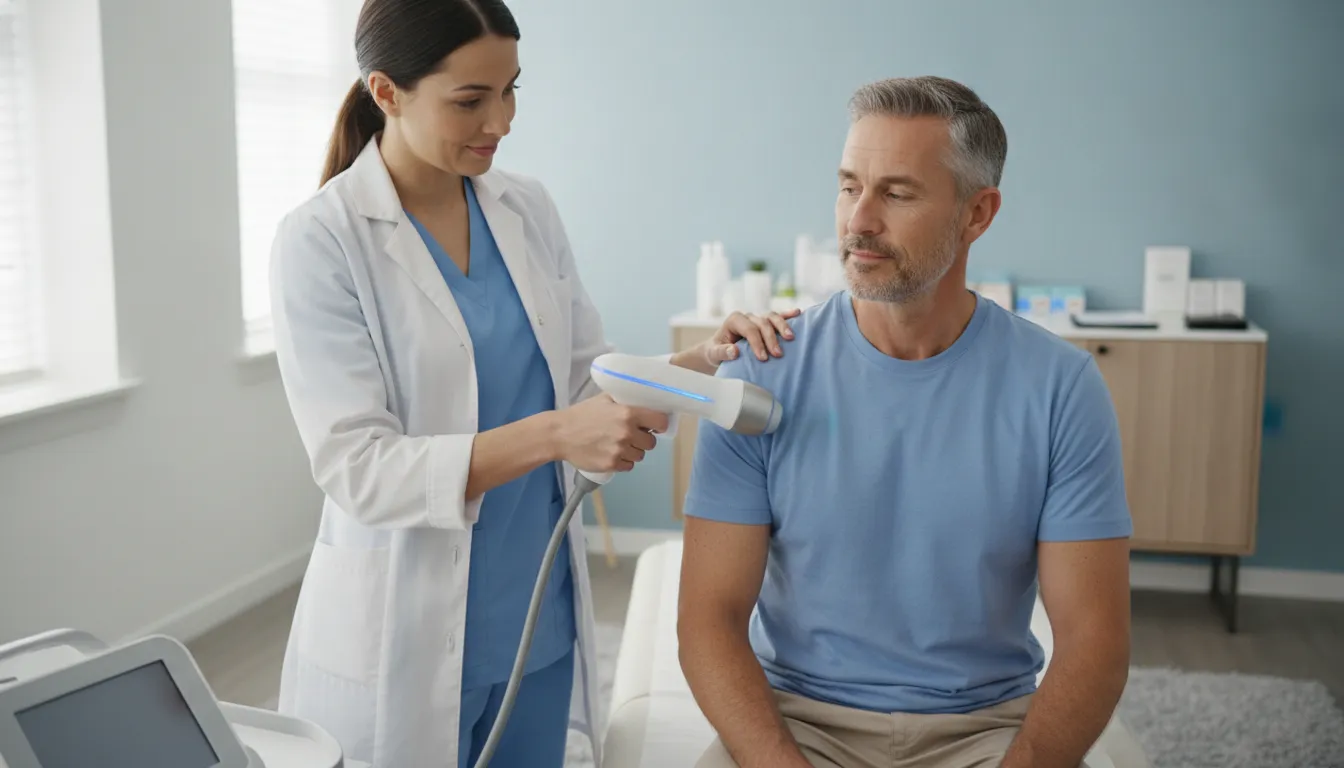
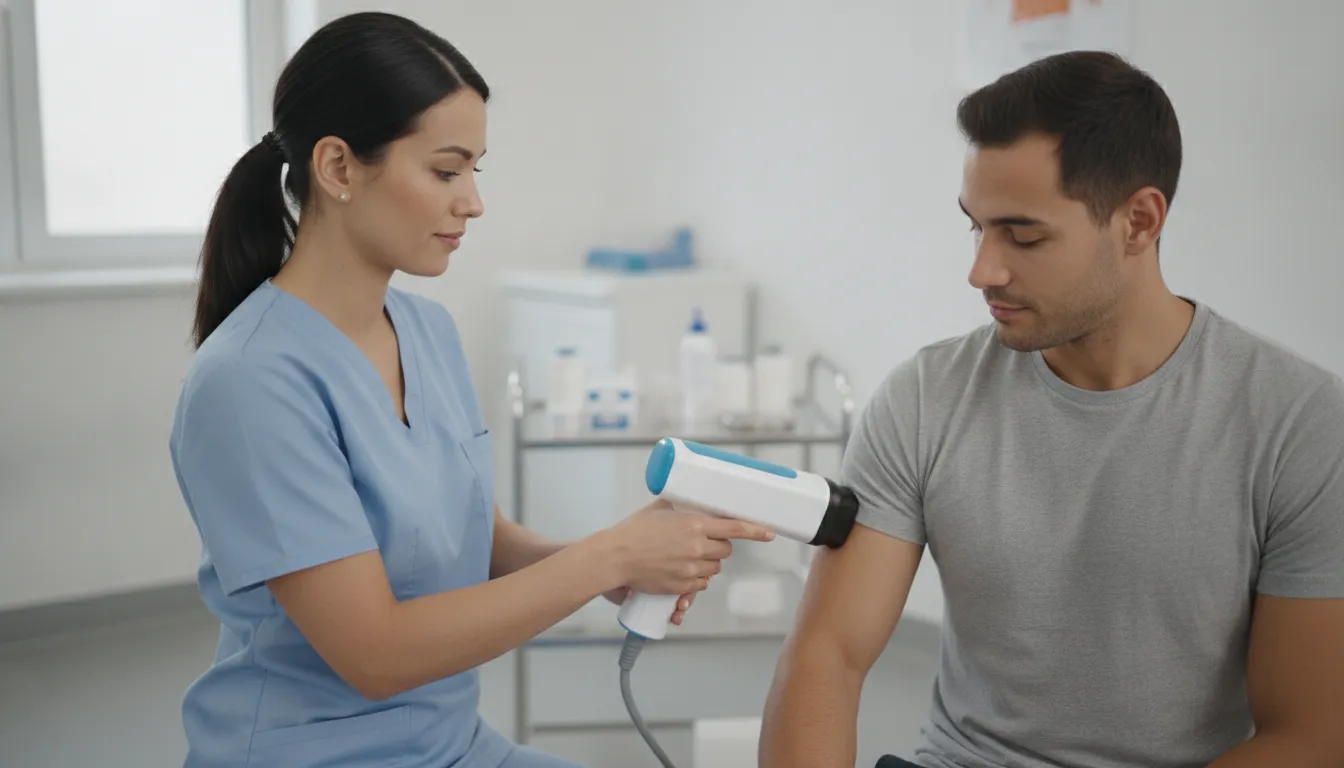
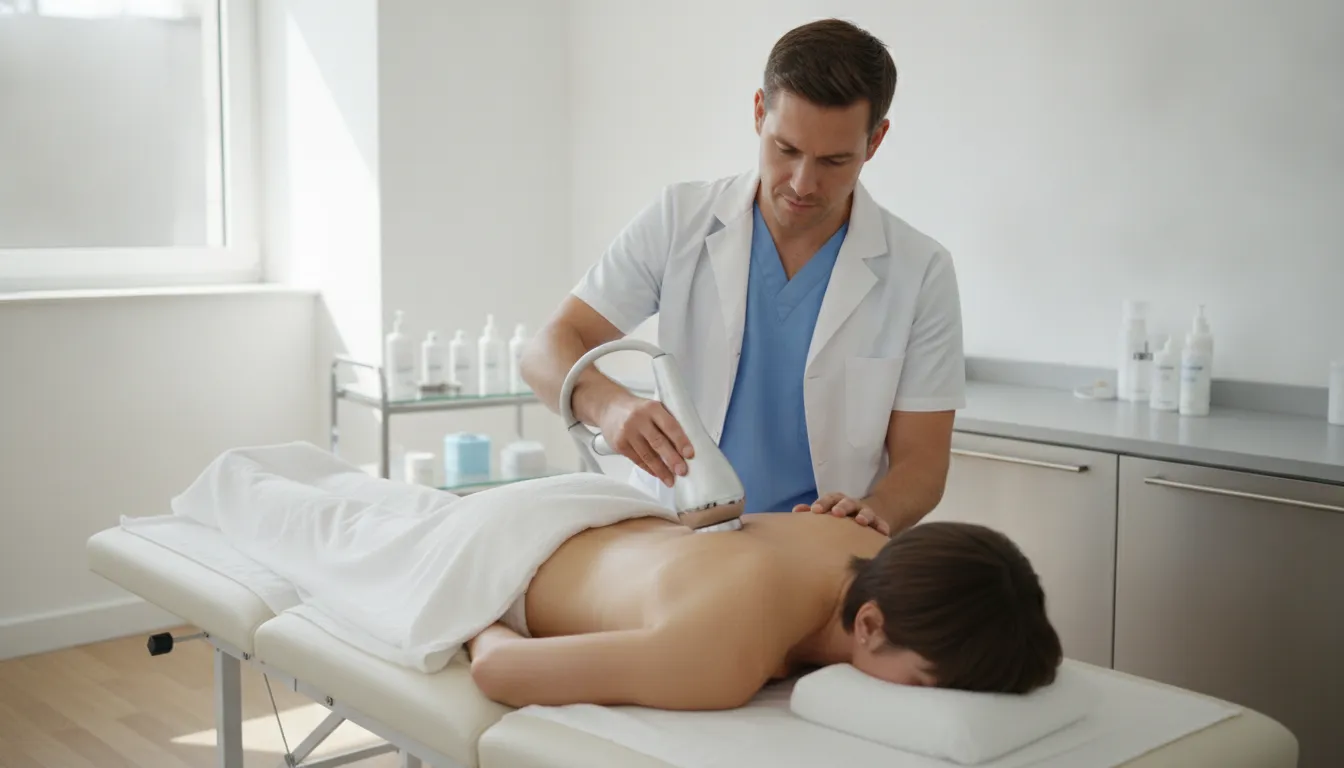
SoftWave Therapy addresses common orthopedic indications such as chronic tendinopathy, nonunion fractures, joint degeneration, and delayed tissue healing using non-invasive, broad-focused electrohydraulic shockwaves. This modality activates connective tissue, promotes angiogenesis, and modulates inflammatory signaling without disrupting surrounding structures or requiring anesthesia.
The parabolic reflector applicator delivers energy across a treatment zone up to 7 cm wide and 12 cm deep, enabling effective coverage of superficial and deep tissues. These biologic effects align with the goals of surgical intervention in many chronic cases, allowing SoftWave to serve as a first-line or adjunctive option within conservative care protocols. A systematic review by Mani-Babu et al. (2015) found that ESWT significantly improved pain and function in lower limb tendinopathies. The analysis supports shockwave therapy as an effective non-surgical treatment for chronic musculoskeletal conditions.
FDA-cleared indications include activation of connective tissue, increased local blood flow, and temporary relief of musculoskeletal pain.
Learn more about the Best Shockwave Therapy Machine For Providers.
Structured Physical Therapy and Exercise
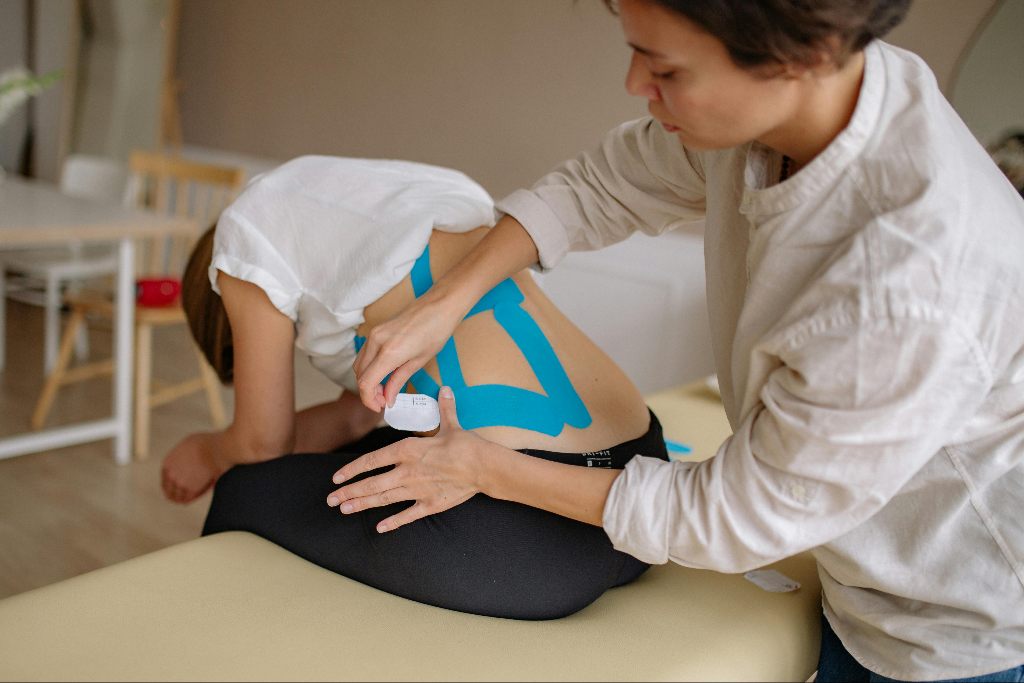
Therapeutic exercise is a supported approach for managing musculoskeletal conditions without surgery. Structured rehabilitation programs can improve strength, mobility, and neuromuscular coordination, leading to functional recovery in many cases.
Delitto et al. (2015) reported that physical therapy was as effective as surgical intervention in lumbar spinal stenosis for many patients. Similarly, Kise et al. (2016) showed that exercise therapy was comparable to arthroscopic surgery for degenerative meniscal tears. These outcomes reinforce PT’s role as a good treatment in outpatient settings.
Platelet-Rich Plasma (PRP) Injections
PRP therapy involves injecting autologous platelets to deliver growth factors that modulate inflammation and promote tissue regeneration. It is widely used in tendinopathies and early joint degeneration.
A systematic review by Fitzpatrick et al. (2017) found that PRP improved pain and function in knee osteoarthritis compared to placebo and hyaluronic acid. In chronic lateral epicondylitis, Mishra et al. (2014) reported sustained improvement up to 24 weeks post-injection in a multicenter trial involving over 200 patients, suggesting PRP can serve as a regenerative alternative to surgical debridement.
Corticosteroid and Hyaluronic Acid Injections
Corticosteroid injections reduce localized inflammation and provide short- to medium-term pain relief, particularly in cases of joint arthritis and bursitis. Hyaluronic acid supplements synovial fluid, improving joint lubrication and function.
According to McAlindon et al. (2017), repeated steroid injections over two years did not accelerate cartilage loss and provided symptom relief in knee OA. Bannuru et al. (2015) found that HA injections were effective in reducing pain and improving function, particularly in patients with mild to moderate arthritis.
Bracing and Orthotic Devices
Orthopedic bracing offers mechanical support to reduce joint loading and pain. These devices help correct biomechanics and delay disease progression in conditions like unicompartmental knee osteoarthritis or spinal instability.
A prospective study by Moyer et al. (2015) found that unloader knee braces significantly improved pain and mobility in medial knee OA, delaying the need for total knee arthroplasty. Similarly, Weinstein et al. (2013) demonstrated that bracing in adolescent idiopathic scoliosis reduced the progression of the disease and the need for surgery.
Support Orthopedic Recovery Without Surgery Through SoftWave Therapy
Incorporating alternatives to orthopedic surgery into outpatient rehabilitation enhances treatment flexibility and aligns with evidence-based care. Modalities like SoftWave Therapy are well-supported by research and help delay or avoid invasive procedures in appropriate cases.
Offering SoftWave Therapy in your clinic expands the ability to treat chronic orthopedic conditions using a non-invasive approach. This approach aligns with the growing demand for effective, low-risk treatments that integrate seamlessly into outpatient care in medical specialties such as sports medicine, physical therapy, urology, and podiatry, in addition to orthopedics.
Become a SoftWave Provider to position your practice at the forefront of modern orthopedic care.