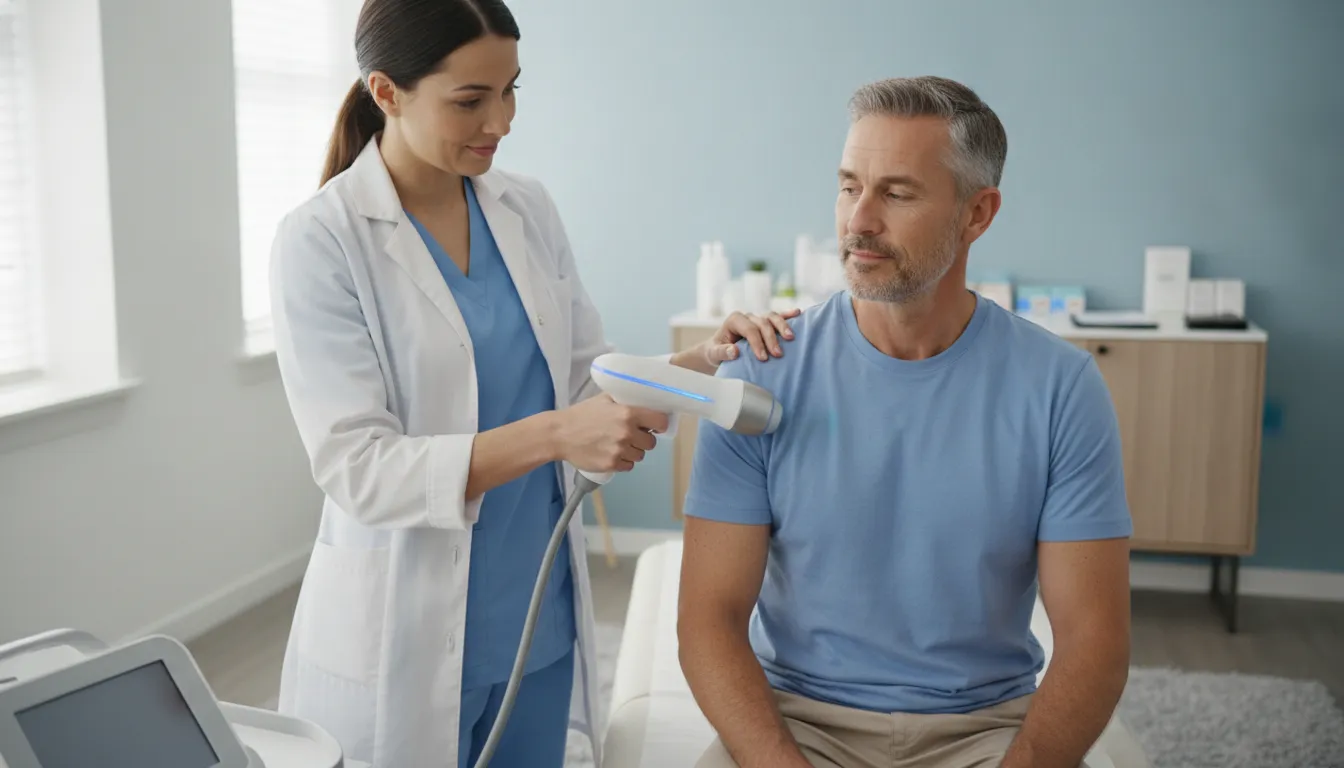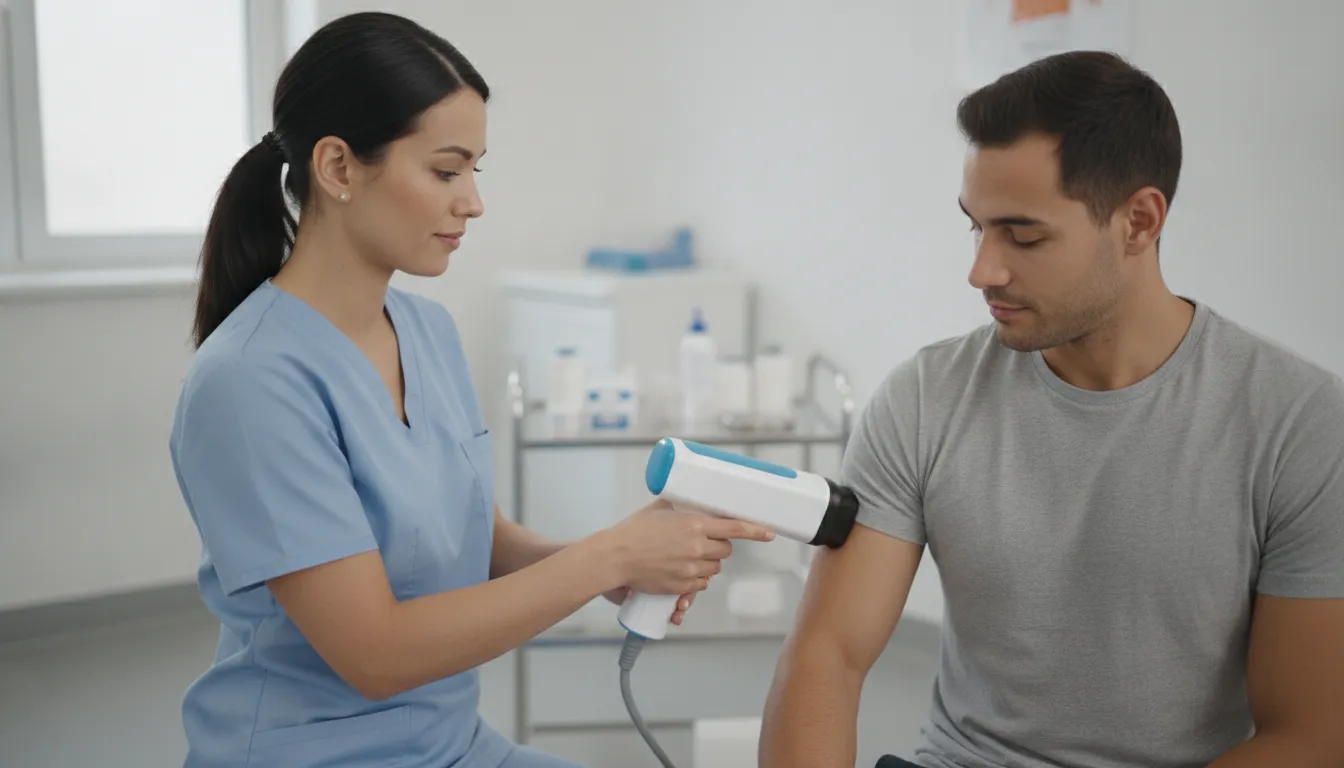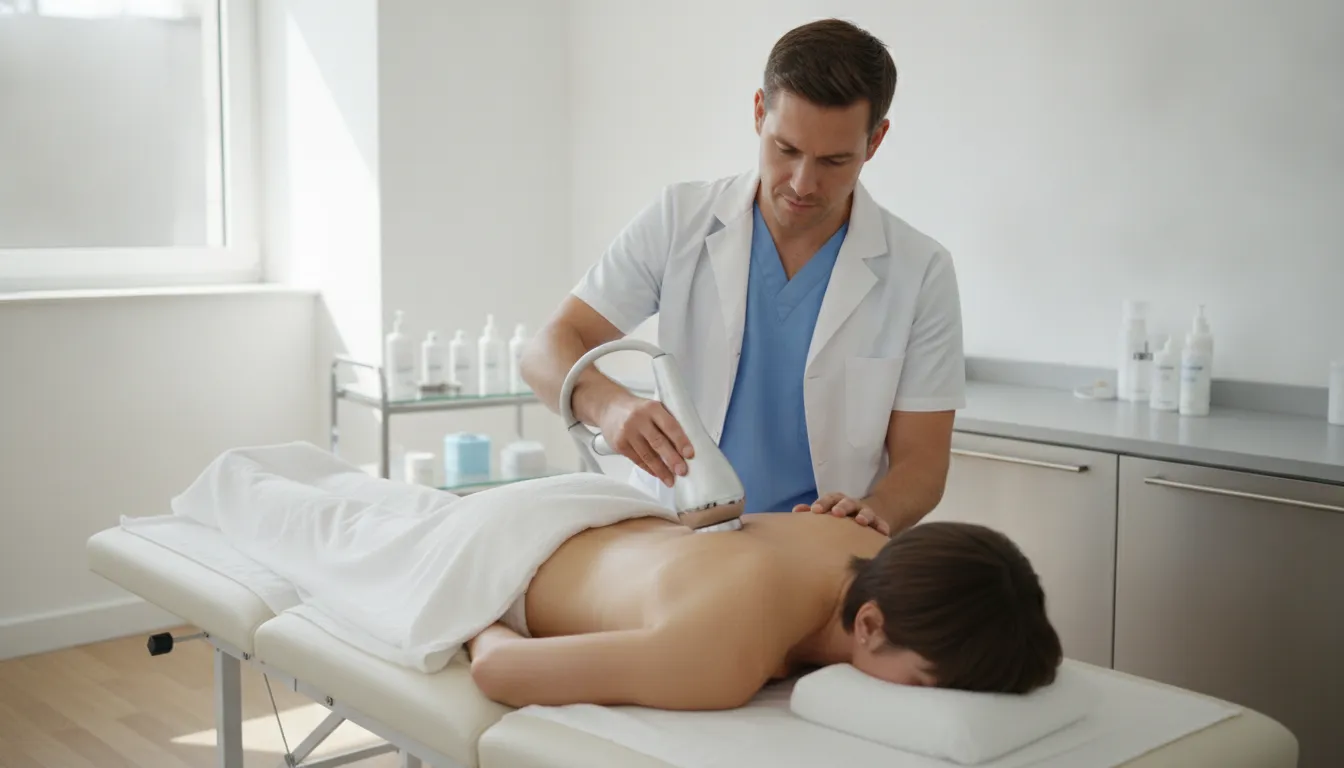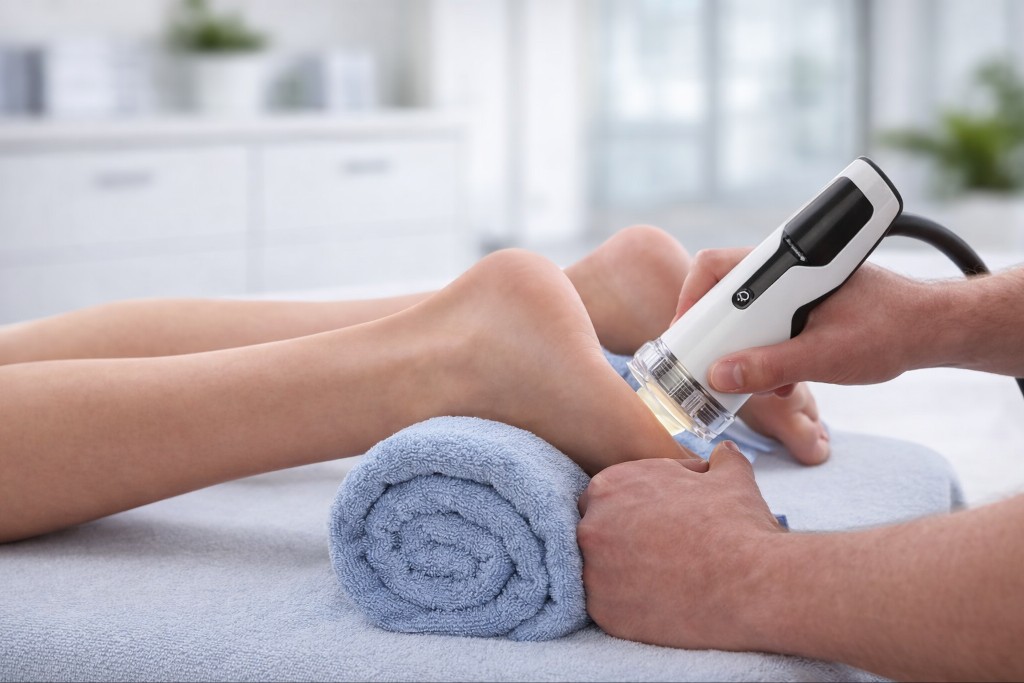
Shockwave therapy has expanded across orthopedic, sports medicine, rehabilitation, and regenerative care, yet devices differ in energy generation, treatment field size and shape, and dosing reproducibility. Many platforms are discussed as if they deliver comparable biological effects, even when depth profile, tissue coverage, and output stability differ across designs.
Chattanooga shockwave systems are commonly used in outpatient settings and include both focused shockwave and radial pressure wave options for musculoskeletal care. For clinicians, clarifying which Chattanooga modality is being referenced, where the device-named literature is most developed, and where assumptions rely on broader category evidence helps define realistic parameters for protocol selection, documentation, dosing strategy, and integration across service lines.
What Chattanooga Shockwave Devices Claim To Be
Chattanooga shockwave is marketed as an extracorporeal shockwave option used in outpatient rehabilitation and musculoskeletal care. The portfolio is typically grouped into two delivery types: radial pressure wave systems and focused shockwave systems, depending on the platform and handpieces used.
In manufacturer materials, their radial systems are described as pneumatic ballistic devices that generate a dispersive pressure wave with the strongest effect near the applicator surface and attenuation with depth, while focused systems are described as shockwave devices intended to concentrate energy within a smaller focal zone at a selected depth. Chattanooga positioning commonly highlights presentations such as plantar heel pain, tendinopathies, and shoulder pain patterns across orthopedics, sports medicine, podiatry, physical therapy, and rehabilitation clinics.
Only a few points can be stated with confidence when talking about the Chattanooga shockwave devices:
- A small set of peer-reviewed reports explicitly name Chattanooga systems in defined cohorts, including chronic plantar fasciopathy, carpal tunnel syndrome, and calcifying shoulder tendinopathy protocols. Wheeler et al. (2022), Rashad et al. (2020), Simeonova et al. (2022).
- Across these device-named studies, outcomes are most often reported through pain and function measures, while longer follow-up and objective tissue-level endpoints appear less frequently.
- Methods sections do not consistently characterize the treated field for the specific Chattanooga configuration used, including practical details such as field geometry, depth behavior, and estimated tissue volume exposure, which can complicate protocol carryover across different service lines and patient presentations.
Comparing Chattanooga Shockwave Devices for Clinical Practice
Chattanooga shockwave includes focused and radial shockwave technologies, and these approaches differ in field pattern, depth behavior, and practical dosing. A brief device-level comparison can help clinicians separate what each platform is marketed to do from what is supported in publicly available research, making it easier to judge where validation is strongest when aligning protocols with real-world practice.
| Chattanooga device | Energy delivery | Field geometry and depth profile | Marketed for | Output and workflow notes |
|---|---|---|---|---|
| Intelect RPW 2 | Radial pressure wave, pneumatic ballistic | Divergent field with the highest intensity near the applicator and attenuation with depth | Marketed for regional MSK pain patterns, tendinopathy-style presentations, and connective tissue workflows | Multiple transmitter options can shift contact area and perceived depth targeting, dosing remains technique dependent |
| Intelect RPW Shockwave | Radial pressure wave, pneumatic ballistic | Divergent field with surface-weighted peak and progressive falloff | Marketed for outpatient MSK clinics seeking broader area treatment passes | Dual handpiece connection supports quick switching between transmitters and treatment areas |
| Intelect RPW Lite | Radial pressure wave, pneumatic ballistic | Divergent field with shallow dominant intensity and depth decay | Marketed for entry-level RPW workflows in common soft tissue pain presentations | Simplified interface, fewer advanced features, prioritizes straightforward RPW delivery |
| Intelect Focus Shockwave | Focused ESWT, electromagnetic | Small focal zone with depth selectable through applicator setup and targeting | Marketed for localized indications, commonly heel pain due to chronic proximal plantar fasciitis | Focused application favors point targeting, protocol success depends on localization and tolerance at higher energy settings |
Where Radial and Focused Shockwave Have Evidence in the Literature
In shockwave research, the strongest signals usually sit at the modality level rather than at the level of any single manufacturer name. Across musculoskeletal care, radial and focused protocols have both been evaluated, with outcomes that often depend on how cohorts are defined and how dosing is delivered.
Recent peer-reviewed work helps show where the literature is concentrated:
- Chronic plantar fasciopathy trial that contrasted a higher dose radial ESWT protocol with a minimal dose approach, reporting improvement over time without a clear separation between groups. Wheeler et al. (2022)
- Lateral epicondylitis randomized controlled trial comparing focused shockwave with ultrasound therapy, reporting changes in pain and functional outcomes. Król et al. (2024)
- Rotator cuff tendinopathy systematic review with meta-analysis assessing ESWT outcomes across varied shoulder cohorts and protocol designs. Brindisino et al. (2024)
- Plantar fasciopathy systematic review with meta-analysis and meta-regression that evaluated efficacy and tolerability while emphasizing protocol-driven variability. Lippi et al. (2024)
- Focused shockwave reported in runners with bone stress injury in a clinical series oriented to return-to-run outcomes after focused shockwave use. Beling et al. (2023)
These findings reflect the broader radial and focused shockwave evidence base. They do not, on their own, establish how any specific Chattanooga configuration performs in terms of output stability, treatment field geometry, or tissue volume exposure unless that exact hardware and setup are independently characterized and reported.
Common factors that can limit straightforward protocol carryover across clinics and anatomical regions include:
- Outcomes can vary with energy settings, pulse counts, session cadence, imaging guidance, and concurrent rehabilitation, even within the same diagnosis.
- Many reports list dose variables but provide limited detail on field geometry or estimated tissue-volume exposure, which can complicate translation across regions or service lines.
- Endpoints are often centered on pain and function measures, while objective tissue-level endpoints and imaging correlates are less consistently included.
- Follow-up often remains short to mid-term, which supports near-term interpretation while leaving longer-term durability less consistently described.
Read: Focused vs Radial Shockwave Therapy Machines Explained
Chattanooga Shockwave Devices in Clinical Context and What Is Missing
Chattanooga shockwave is used in many outpatient musculoskeletal settings. When clinicians evaluate a platform for broader protocol standardization, several evidence and reporting gaps matter in day-to-day implementation.
1. Device-Named Evidence Is Concentrated In Narrow Cohorts
Publicly available device-named research tends to cluster within a limited set of presentations rather than spanning the full range of conditions commonly treated in multidisciplinary clinics. This can narrow how confidently protocols generalize across service lines.
2. Technical Characterization Is Often Incomplete
Many reports describe treatment settings, yet fewer translate those parameters into practical descriptions of field geometry, depth behavior, or the estimated tissue volume exposed for the exact configuration used. This can limit protocol portability across anatomical regions.
3. Endpoints Favor Symptoms Over Tissue Correlates
Outcomes are commonly centered on pain and function instruments, while objective tissue-level correlates and longer follow-up are less consistently included. This can leave durability and biologic response less clearly defined for some cohorts.
4. Protocol Generalization Depends on the Configuration
Chattanooga platforms span radial and focused configurations, and these delivery types can behave differently in tissue. Findings linked to one configuration or preset protocol may not carry over directly to another Chattanooga setup, even when the diagnosis label is the same.
These limitations do not negate outcomes described in studied populations. They mostly shape how confidently settings translate to other regions, how reproducible tissue exposure is in multifocal pain patterns, and whether additional technical characterization is needed for clinic-wide adoption.
Why Broad Focused Shockwave Design Matters for Regenerative Care
Many musculoskeletal pain and function complaints reflect regional tissue involvement that spans superficial and deeper layers within the same symptomatic area. Tendon and enthesis pathology often presents alongside peritendinous connective tissue sensitivity, fascial load intolerance, myofascial contributors, and perineural interfaces, especially in chronic cases where movement strategy and load distribution have shifted.
Broad-focused shockwave design fits that clinical reality through a large therapeutic field that reaches clinically relevant depth while covering a wider region during each application. Rather than separating superficial, dispersive exposure from deeper, localized exposure across different device types, a broad, focused field supports regional coverage across tissue layers within a single treatment plan. This supports consistent protocol delivery when symptoms are multifactorial and anatomy is complex.
Clinical relevance that clinicians commonly weigh includes:
- Coverage of superficial and deeper tissue layers within the same session.
- Reduced dependence on exact handpiece placement when symptom generators are regional.
- Consistent exposure across a treatment region, supporting reproducibility across providers.
- Practical efficiency for larger anatomical regions and multi-site presentations.
- Higher patient tolerance that supports repeatable dosing across a full course of care.
- One platform that delivers wide regional coverage and depth of reach that clinics otherwise address with separate radial and focused systems.
- Suitability for multidisciplinary integration across orthopedics, sports medicine, podiatry, rehabilitation, wound care, and other regenerative service lines.
SoftWave Therapy: A Broad Focused Shockwave System With Multidisciplinary Validation
SoftWave Therapy is a patented, broad-focused shockwave system designed for in-office clinical use. It uses an electrohydraulic source and parabolic reflector to deliver a broad therapeutic field measuring roughly 7 cm by 12 cm, supporting engagement of superficial and deeper tissues within the same application zone.
This electrohydraulic architecture is associated with biologic responses relevant to tissue repair, including modulation of inflammation, activation of connective tissue, and promotion of neovascularization. SoftWave protocols are commonly implemented with high patient tolerance, supporting completion of multi-session care plans in busy outpatient workflows.
SoftWave has FDA 510(k) clearances for the following indications:
- Activation of connective tissue
- Treatment of chronic diabetic foot ulcers
- Treatment of acute second-degree burns
- Temporary increase in blood flow
- Temporary pain relief
SoftWave is designed exclusively for clinical settings and is not intended for home use. Its broad-focused field and indication profile support integration across orthopedics, podiatry, sports medicine, physical therapy, urology, wound care, and related regenerative service lines where regional tissue coverage and workflow consistency matter.
For clinicians, the distinction centers on treatment zone coverage and platform efficiency. Focused and radial systems typically emphasize either point targeting or surface weighted dispersion, which requires more repositioning across a region when symptoms are multifocal. SoftWave is designed to engage a wider surrounding tissue environment within the same session using a single system aligned with FDA-cleared indications and device-specific validation.
How Clinicians Compare Shockwave Devices When Selecting a Platform
Selecting a shockwave platform usually starts with clinical fit rather than brand familiarity. Device type influences how tissue is exposed, how protocols are documented, and how consistently dosing is delivered across providers and service lines.
Key factors clinicians commonly use include:
- Therapeutic field size and shape relative to the anatomy treated
- Depth reach and depth behavior across the treated zone
- Patient tolerance at dosing levels used in published protocols
- Regulatory status and indication alignment with the clinic’s service lines
- Quantity and quality of device-named clinical evidence
- Output consistency and whether technical claims are independently characterized
- Operator dependence, training burden, and inter-provider reproducibility
- Workflow considerations such as session time, room turnover, and protocol cadence
- Ability to standardize across multiple specialties using one platform
Taken together, these criteria help clinicians distinguish systems built around localized targeting or surface-weighted dispersion from platforms designed for wider field engagement. This supports selection that matches a clinic’s most common presentations, staffing model, documentation standards, and day-to-day workflow.
Selecting the Right Shockwave Platform for Multidisciplinary Regenerative Practice
Chattanooga shockwave platforms are marketed across outpatient musculoskeletal practices and span both radial pressure wave and focused shockwave delivery types. Device-named publications exist, though they tend to cluster in defined cohorts rather than across the full range of presentations often associated with Chattanooga shockwave in broader positioning.
Radial and focused ESWT as categories have supportive evidence in selected musculoskeletal indications, with outcomes shaped by protocol design, dosing parameters, and follow-up duration. Broad-focused electrohydraulic systems such as SoftWave are designed to engage larger tissue volumes with clinically relevant depth reach using a single in-office platform, supporting multidisciplinary integration when protocols require regional coverage, patient tolerance, and consistent delivery across providers, aligned with FDA 510(k) clearances and device-specific validation. These distinctions help clinicians select technology that fits regenerative goals and workflow needs.
Learn more about the Best Shockwave Therapy Machine for Providers.
Explore SoftWave for Clinical Practice
SoftWave combines a patented broad-focused shockwave design with an electrohydraulic source and parabolic reflector that supports regional tissue coverage with clinically relevant depth reach in an in-office setting. Its wide treatment field and FDA 510(k) cleared indications support protocol development across multidisciplinary service lines where dosing consistency, patient tolerance, and workflow efficiency matter.
Clinicians who want to review clinical evidence and see how broad-focused protocols fit into multiple specialties can review published research, explore specialty-specific use cases, or schedule a guided demonstration.
Learn more about SoftWave clinical research.