Shockwave therapy use continues to expand across orthopedic and regenerative care, yet device design differences can affect tissue engagement and clinical reproducibility. Many platforms are presented as if they generate similar biological responses, even when energy-generation and treatment-field characteristics vary in depth, width, and distribution.
Zimmer enPuls systems are marketed in the radial pulse shockwave category and are commonly discussed for relatively superficial outpatient musculoskeletal presentations. For clinicians, understanding where enPuls device-named evidence is concentrated, what remains drawn from broader radial shockwave literature, and which technical elements are still sparsely described in publications, such as treatment zone geometry, depth profile, and exposed tissue volume, helps set realistic expectations for protocol planning.
What Zimmer enPuls Systems Claims to Be
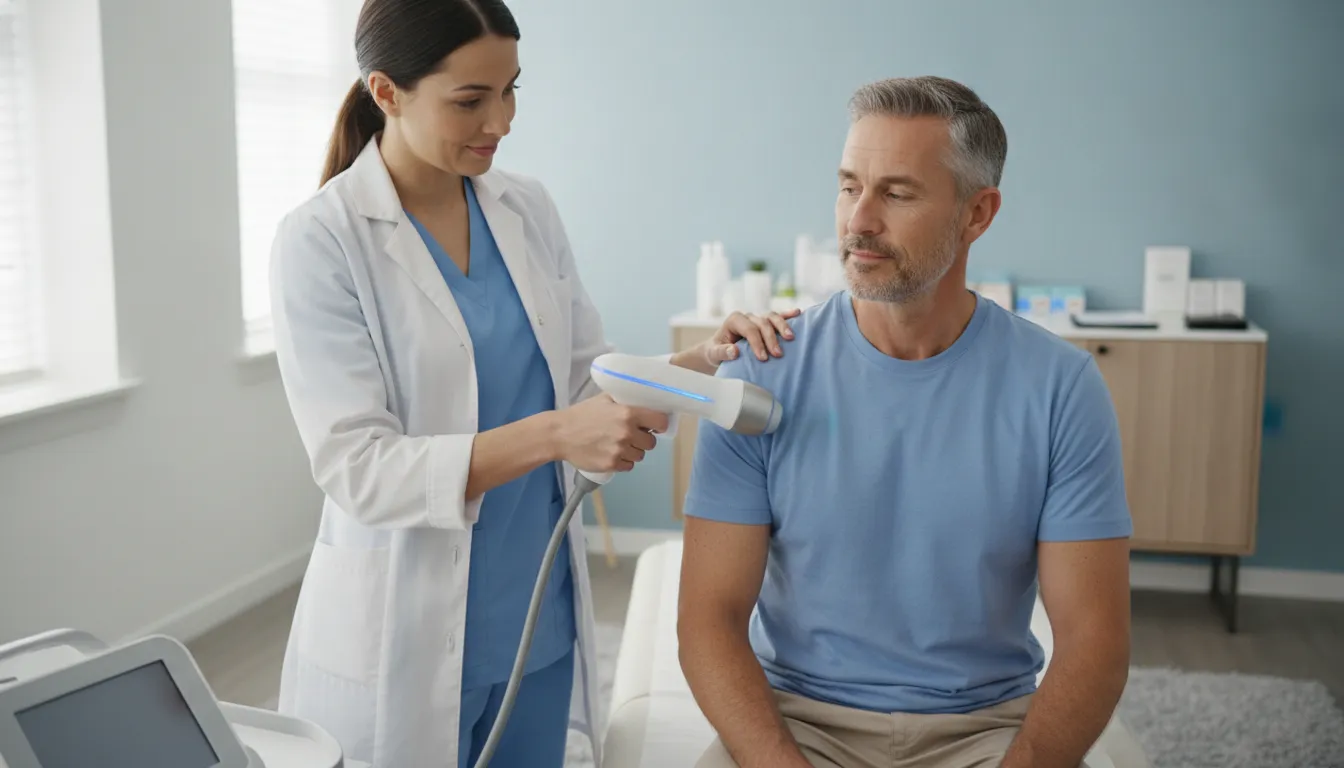
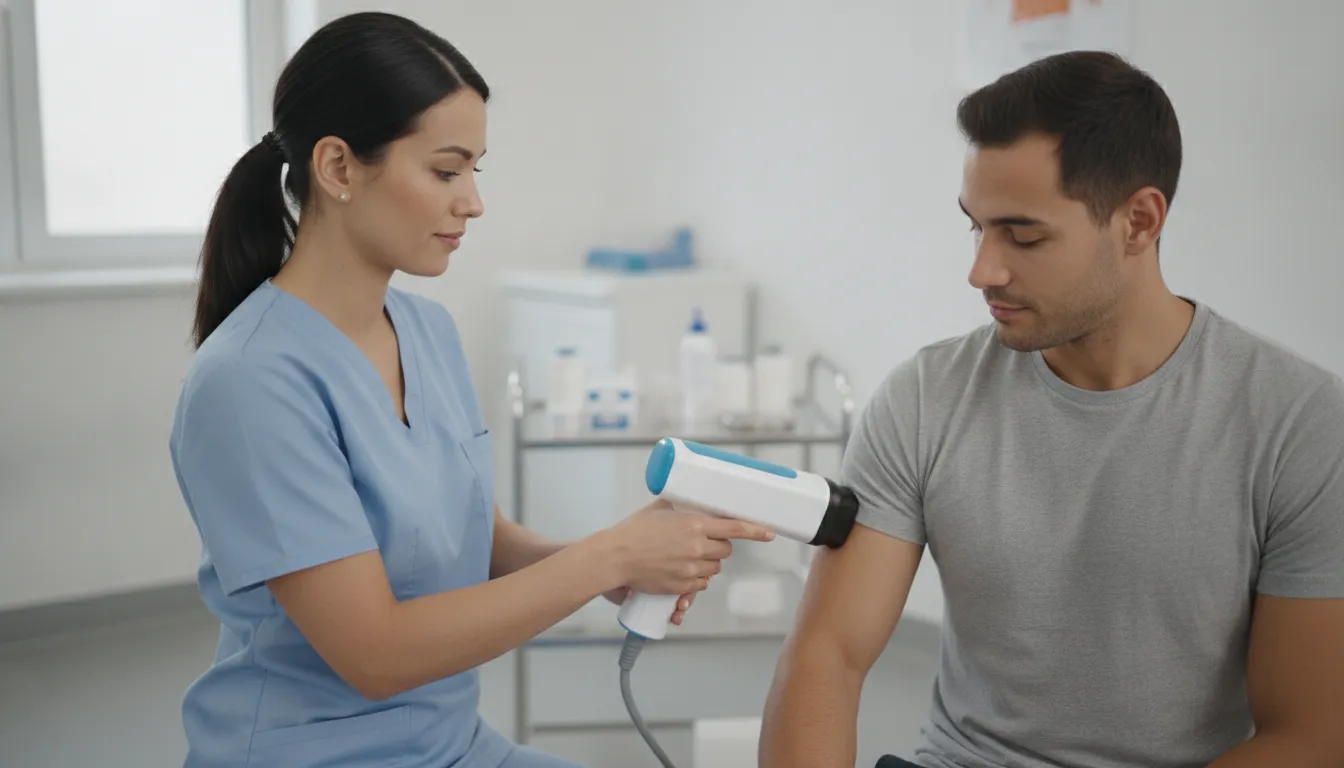
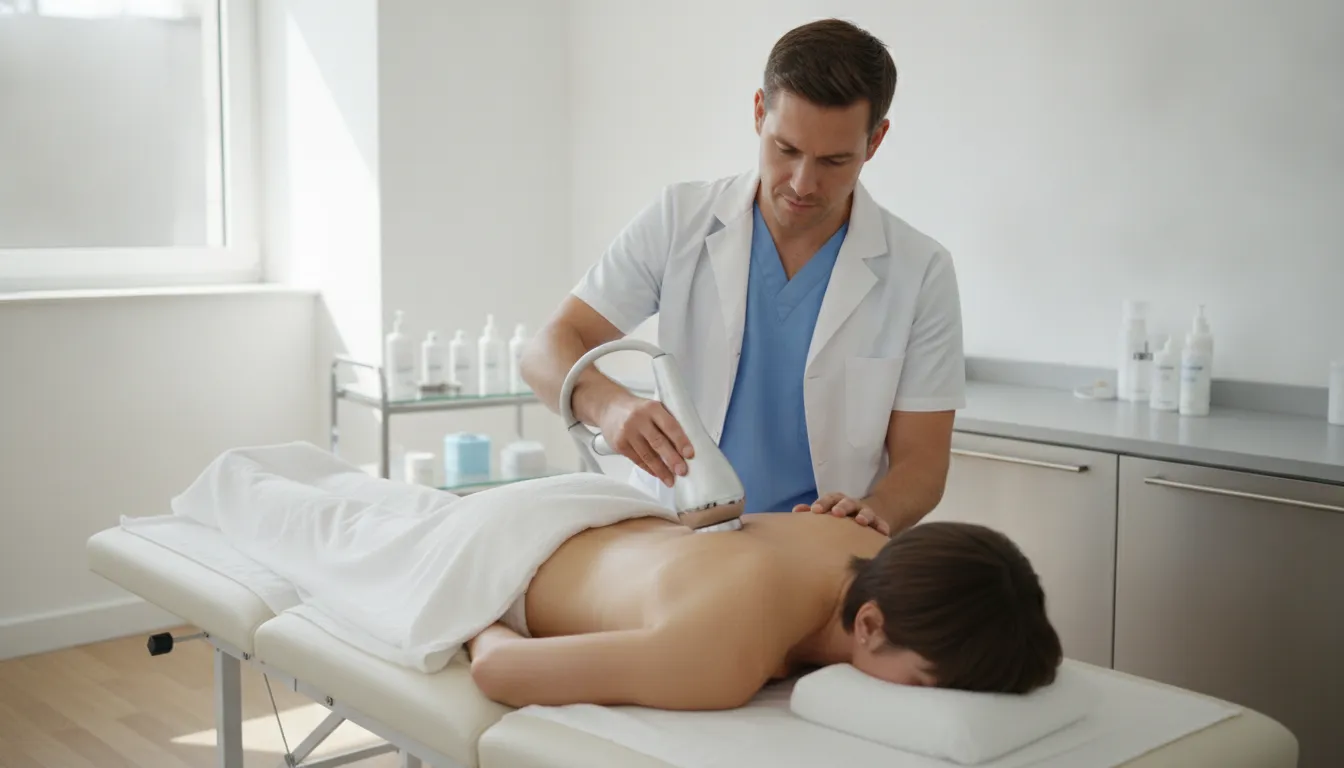
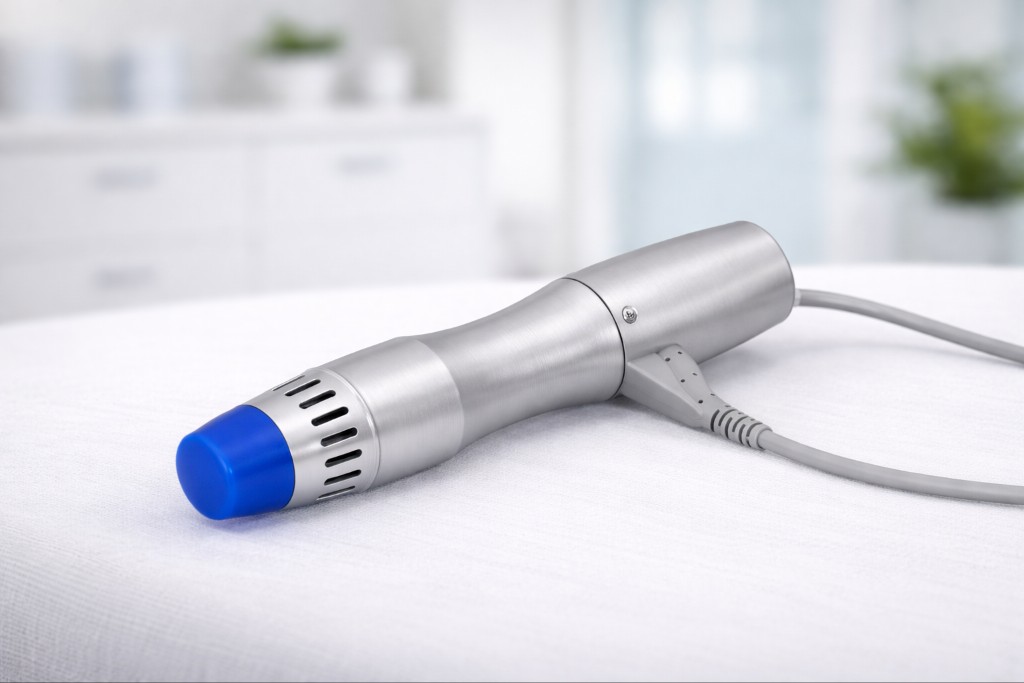
Zimmer enPuls systems are marketed within the radial pulse shockwave category used in outpatient musculoskeletal and rehabilitation settings. This category is generally described as a handheld ballistic applicator approach that delivers dispersive mechanical pulses, with the strongest effect closer to the applicator and progressive attenuation as depth increases.
Zimmer positioning commonly aligns enPuls with superficial pain and function presentations seen in orthopedics, sports medicine, podiatry, chiropractic, and physical therapy workflows. Device-named clinical publications exist, though they tend to focus on a limited set of cohorts and typically report outcomes through pain and function scales rather than longer follow-up or objective tissue-level endpoints.
Only a few points can be stated with confidence when discussing Zimmer enPuls systems:
- A small set of peer-reviewed reports explicitly name enPuls or enPulsPro in defined cohorts, including chronic low back pain protocols, plantar fasciitis cohorts, and a sexual medicine cohort treated with enPuls in an erectile dysfunction protocol. Chen et al. (2022), Saxena et al. (2017), Brandeis (2019)
- Across these device-named studies, endpoints most often center on pain scores and functional scales, while imaging, biologic markers, and extended durability assessment appear less frequently
- Methods sections do not consistently characterize the treated field for the specific enPuls configuration used, including practical details such as treatment zone geometry, depth behavior, and estimated tissue volume exposure, which can complicate protocol carryover across different service lines and multifocal presentations.
Comparing Zimmer enPuls Systems for Clinical Practice
Zimmer’s enPuls product family sits within the radial pulse shockwave category, and the platforms differ in intended setting and workflow emphasis. A brief device-level comparison helps clinicians separate how each system is positioned from what is confirmed in publicly available technical documents.
| Zimmer device | Energy delivery | Field geometry and depth profile | Marketed for | Output and workflow notes |
|---|---|---|---|---|
| enPuls 2.0 | Radial pulse, electromagnetic projectile | Divergent field, surface weighted peak, depth attenuation | Orthopaedics and physiotherapy MSK use cases | Compact clinic system designed for straightforward radial protocols |
| enPulsPro | Radial pulse, electromagnetic projectile | Divergent field with depth decay, non-focal delivery | Outpatient MSK and rehab protocols | Positioned for higher throughput clinics and repeated treatment sessions |
| Z Wave Q | Radial pulse system | Radial spread | Aesthetic workflows in marketing materials | Designed around quieter operation and routine maintenance checks |
Read: Radial Shockwave Therapy Machines Compared
Where Radial Shockwave Has Evidence in the Literature
Radial extracorporeal shockwave therapy has been investigated across several musculoskeletal indications. Research describes mechanical stimulation of superficial soft tissue, modulation of pain pathways, and responses consistent with tendon and fascia-related remodeling. These findings characterize the radial modality as a category rather than as an individual system, such as Zimmer enPuls or enPulsPro.
These clinical responses have been documented in the literature.
- In plantar fasciopathy, a four-arm randomized sham-controlled trial found no added improvement in heel pain when radial ESWT was added to standard care at six months. (Heide et al., 2024).
- In Achilles tendon injury, a sham-controlled study reported short-term improvements in functional performance measures after three radial ESWT sessions. (Joo et al., 2024).
- In insertional Achilles tendinopathy, a randomized trial reported no added effect of radial ESWT over sham when combined with exercise and education across early follow-up. (Alsulaimani et al., 2024).
- In lateral epicondylitis, a comparative study reported short-term changes in pain and function outcomes after ESWT protocols, with early assessment timing. (Akınoğlu et al., 2025).
- In subacromial shoulder pain, a randomized sham-controlled trial reported no broad additive effect for radial ESWT added to supervised exercise, with a subgroup signal reported in patients with calcific rotator cuff findings. (Kvalvaag et al., 2017).
These findings reflect the broader radial shockwave evidence base. They do not, on their own, establish how any specific Zimmer enPuls configuration performs in terms of output stability, treatment field geometry, or tissue volume exposure unless the exact hardware and setup are independently characterized and reported.
Common factors that can limit straightforward protocol carryover across clinics and anatomical regions include:
- Outcomes can vary with energy settings, pulse counts, session cadence, and concurrent rehabilitation, even within the same diagnosis.
- Many reports list dose variables but provide limited detail on field geometry or estimated tissue volume exposure, which can complicate translation across regions or service lines.
- Endpoints often emphasize pain and function, while imaging correlates and objective tissue-level endpoints are less consistently included.
- Follow-up often remains short to mid-term, which supports near-term interpretation while leaving longer-term durability less consistently described.
Zimmer enPuls Systems in Clinical Context and What Is Missing
Zimmer enPuls systems are positioned within radial pulse shockwave workflows, and device-named publications exist. For clinicians, the practical question is how confidently those publications support protocol decisions across different anatomical regions and service lines, versus where expectations still rely on general radial shockwave evidence.
Several gaps commonly remain when interpreting enPuls in a device-specific way:
1. Limited Device Named Evidence Across Specialties
Device-named studies tend to cluster in a narrow set of cohorts rather than mapping performance across the full range of musculoskeletal presentations where radial shockwave is used in practice.
2. Outcomes Often Emphasize Pain and Function Measures
Published outcomes frequently rely on symptom and functional scales, which are clinically meaningful but offer less detail on tissue-level response, imaging correlates, and longer durability.
3. Treatment Zone Geometry Is Rarely Specified in a Transferable Way
Dose variables may be reported, yet practical details such as treatment zone size at the tissue level, depth behavior, and estimated tissue volume exposure are not consistently characterized in a way that supports cross-clinic standardization.
4. Protocol Interpretation Depends on the Full Care Pathway
Radial shockwave protocols are often delivered alongside rehabilitation components such as exercise, education, orthoses, or manual therapy. This can make it harder to translate outcomes directly when the surrounding care pathway differs across providers or service lines.
This evidence and reporting limits do not dismiss reported results in the populations studied. They shape how reliably parameter settings carry over across indications, how reproducible regional tissue exposure is in day-to-day practice, and what additional characterization supports scaling protocols across providers.
Why Broad Focused Shockwave Design Matters for Regenerative Indications
Radial shockwave protocols are commonly used for superficial musculoskeletal targets, in which energy delivery is surface-weighted and treatment is delivered via regional passes over symptomatic tissue. In many regenerative presentations, symptom drivers extend beyond a superficial structure and involve layered tissues across a broader anatomical region. When that occurs, treatment field geometry becomes a primary factor that determines how consistently a clinic can expose both superficial and deeper tissue layers during the same course of care.
Broad-focused shockwave designs deliver wide regional coverage with depth reach during a single application. This field profile supports reproducible exposure across larger treatment regions, reduces dependence on pinpoint placement when symptom maps are regional, and supports efficient care pathways when multi-site or multi-structure involvement is present.
Key clinical implications of broader field coverage include:
- Coverage of superficial and deeper tissue layers within the same session
- Reduced dependence on exact handpiece placement when symptom generators are regional
- Consistent exposure across a treatment region, supporting reproducibility across providers
- Practical efficiency for larger anatomical regions and multi-site presentations
- Higher patient tolerance that supports repeatable dosing across a full course of care
- One platform approach that supports wide regional coverage and depth reach within a single in-office system
- Suitability for multidisciplinary integration across orthopedics, sports medicine, podiatry, rehabilitation, wound care, urology, dermatology, and other regenerative service lines
Introducing SoftWave Therapy: A Broad Focused Shockwave System With Multidisciplinary Validation
SoftWave Therapy is a patented, broad-focused shockwave system designed for in-office clinical use. It uses an electrohydraulic source with a parabolic reflector to deliver a broad therapeutic field measuring roughly 7 cm by 12 cm, engaging superficial and deeper tissues within the same application zone.
This electrohydraulic architecture is associated with biologic responses relevant to tissue repair, including modulation of inflammation, activation of connective tissue, and promotion of neovascularization. Clinical protocols are commonly implemented with high patient tolerance, supporting completion of multi-session care plans within outpatient workflows.
SoftWave has FDA 510(k) clearances for the following indications:
- Activation of connective tissue.
- Treatment of chronic diabetic foot ulcers in conjunction with standard ulcer care.
- Treatment of acute second-degree burns in conjunction with standard burn care.
- Temporary increase in local blood circulation.
- Temporary pain relief.
SoftWave is designed exclusively for clinical settings and is not intended for home use. Its broad-focused field and cleared indication profile align with integration across orthopedics, podiatry, sports medicine, physical therapy, urology, wound care, and related regenerative service lines where regional tissue coverage and workflow consistency matter.
For clinicians, the distinction centers on treatment zone coverage and platform efficiency. Radial systems emphasize surface-weighted dispersion, and focused systems emphasize localized point targeting, which requires more repositioning across a region when symptoms are multifocal. SoftWave engages a wider surrounding tissue environment within the same session using a single clinical platform aligned with FDA-cleared indications and device-specific validation.
How Clinicians Compare Shockwave Devices When Selecting a Platform
When clinicians evaluate shockwave platforms, comparison starts with characteristics that influence tissue exposure, dosing consistency, and workflow execution. Device labels, such as the radial help frame expected field behavior, yet platform selection usually depends on whether technical output and indications align with the clinic’s most common presentations.
A practical comparison framework includes:
- Therapeutic field size and shape at the target region, including regional coverage needs
- Depth profile relative to the clinic’s typical indications, including layered tissue involvement
- Patient tolerance at clinically used dosing levels, including completion of full care plans
- FDA clearance status and indication breadth, including alignment with offered services
- Quality and scope of device-named clinical evidence, including follow-up durability windows
- Reproducibility across providers and operator dependence, including training demands
- Treatment time per region and protocol cadence requirements, including throughput constraints
- Maintenance expectations and long-term reliability, including uptime in high utilization clinics
- Fit across multiple clinical disciplines, including use across orthopedics, sports medicine, podiatry, rehabilitation, wound care, and related regenerative service lines
This approach keeps decision-making anchored to measurable performance and regulatory alignment, thereby supporting consistent protocol development across providers and reducing reliance on marketing terminology.
Choosing the Right Shockwave Platform for Multispecialty Regenerative Workflows
Zimmer enPuls systems are marketed within the radial shockwave category used in outpatient musculoskeletal care, often aligned with superficial pain and function presentations delivered through regional passes. Device-named publications exist, though they remain concentrated in defined cohorts rather than spanning the full range of presentations often associated with radial shockwave positioning across broader clinic offerings.
Radial shockwave therapy, as a category, has supportive evidence for selected musculoskeletal indications, with outcomes shaped by protocol design, dosing parameters, and follow-up duration. Broad-focused electrohydraulic systems such as SoftWave deliver a large treatment field with clinically relevant depth reach using a single in-office platform, supporting regional coverage, patient tolerance, and consistent delivery across providers, aligned with FDA 510(k) clearances and device-specific validation.
Learn more about the Best Shockwave Therapy Machine for Providers.
Evaluate SoftWave for Clinical Practice
SoftWave supports in-office regenerative workflows that require wide regional coverage with depth reach, strong patient tolerance across multi-session care plans, and consistent delivery across providers. Clinics that seek to standardize shockwave protocols across service lines often prioritize a platform with FDA 510(k)- cleared devices and device-specific validation that align with day-to-day clinical demands.
Providers seeking a closer look at clinical data and real-world protocol implementation across specialties can review published research, evaluate specialty use cases, or schedule a guided demonstration.
Learn more about SoftWave clinical research.