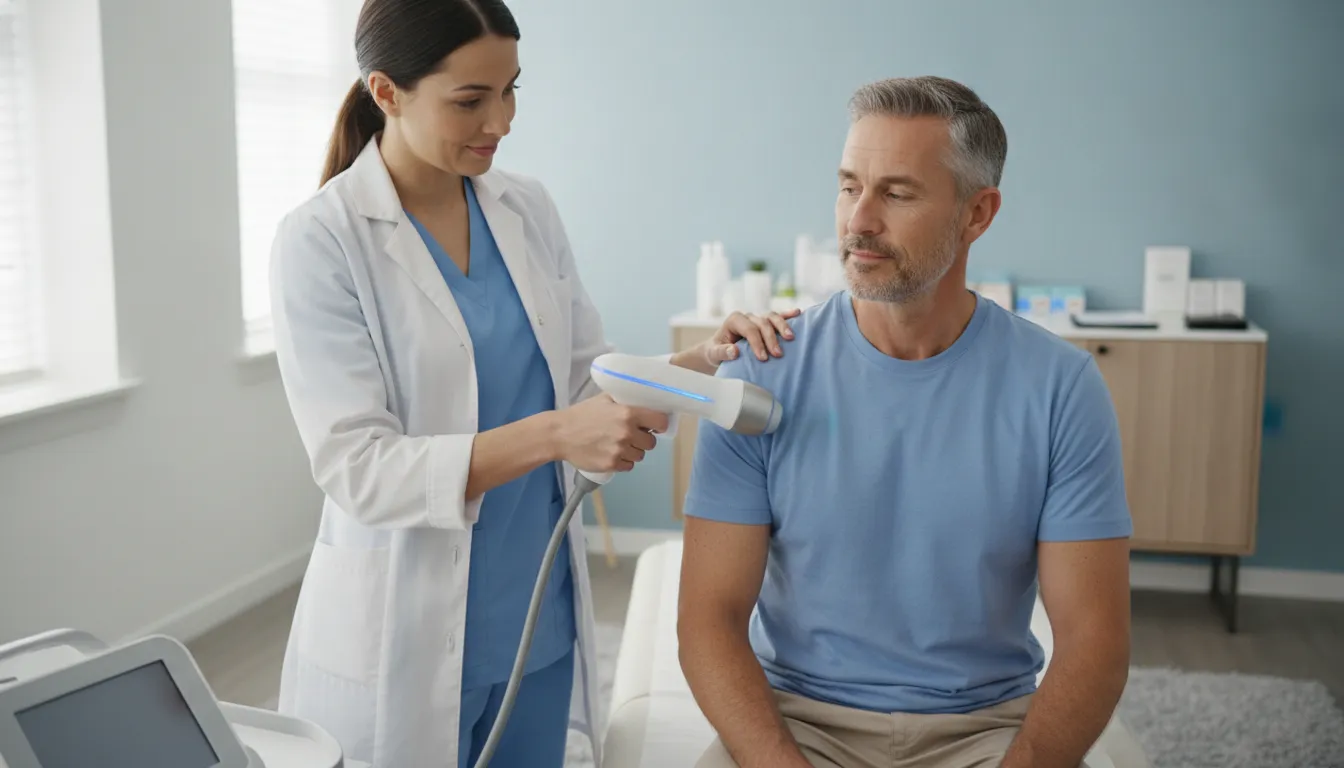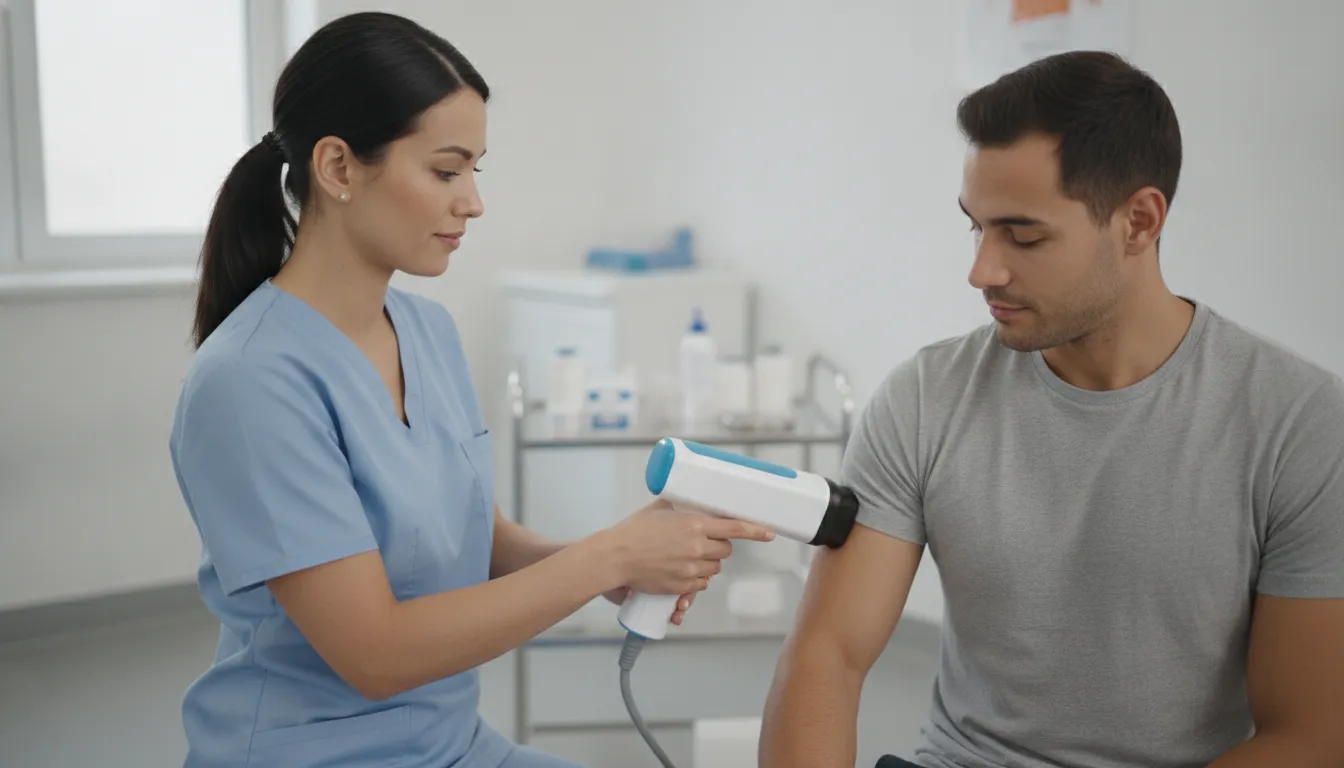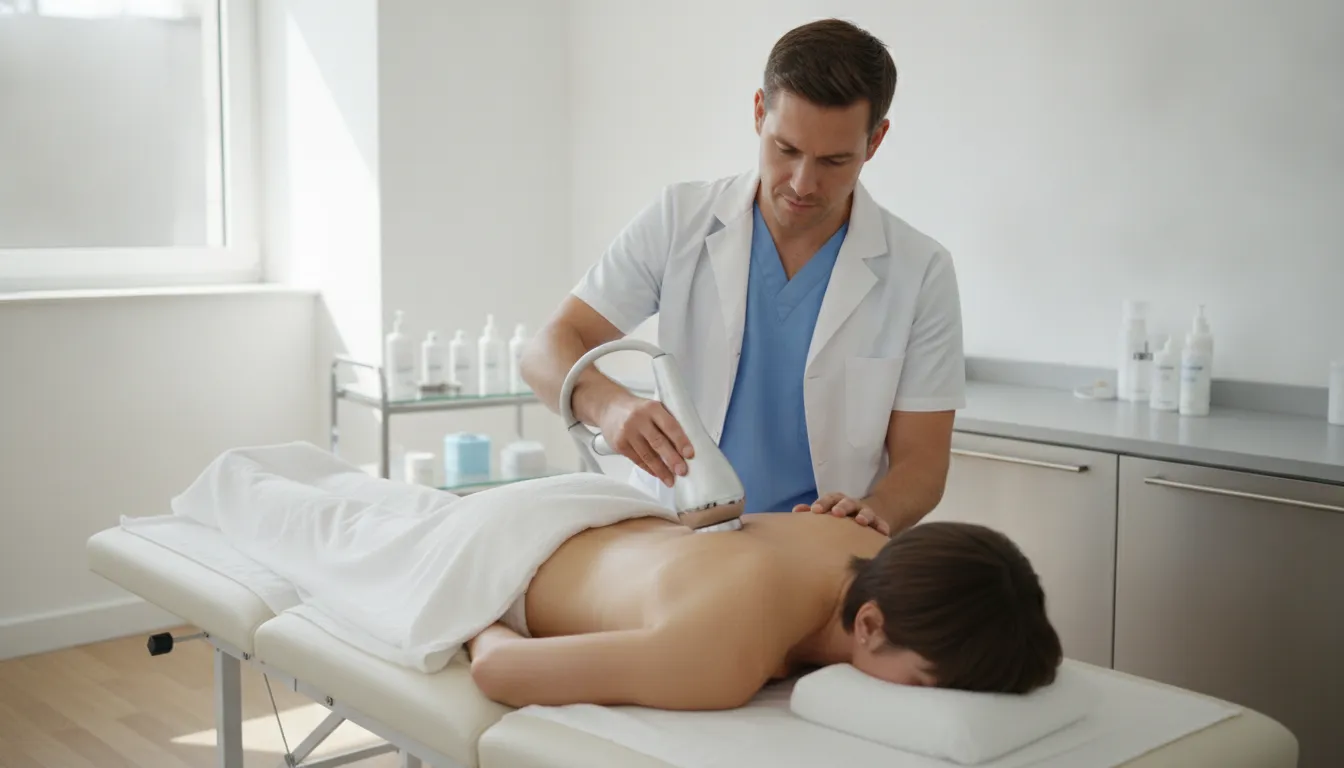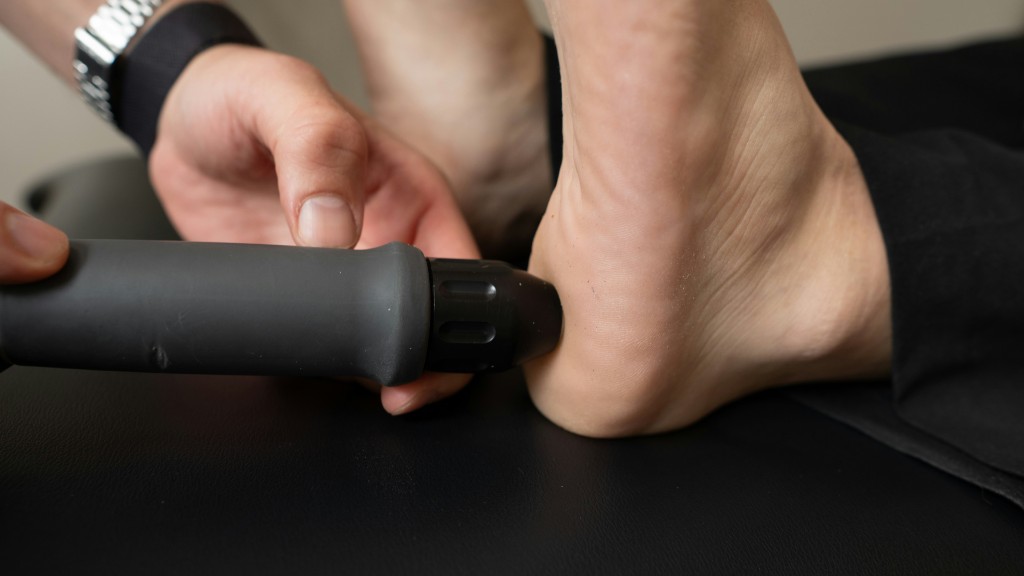
Focal shockwave therapy often refers to focused extracorporeal shockwave therapy, where energy is concentrated into a small treatment zone at a defined depth. The focused ESWT literature includes substantial musculoskeletal research, yet clinical translation can vary because devices differ in energy generation, focal zone geometry, and output stability across contact and coupling quality.
For clinicians, the practical question often sits with device-specific performance. Many studies discuss focused shockwave therapy as a modality without consistently reporting field geometry, output verification, or system-level parameters. This can make it harder to judge how closely a platform aligns with reported dosing, especially in presentations that are multifactorial, regionally diffuse, or limited by comfort at therapeutic settings.
What Focal Shockwave Therapy Claims To Be
Focal shockwave therapy is typically presented as a focused extracorporeal shockwave approach where energy is concentrated into a small focal region at a selected tissue depth. Manufacturer descriptions generally frame this design as suited for discrete targets, such as enthesis-related pain, tendinopathy insertions, calcific deposits, or other localized soft-tissue presentations where precise localization is feasible.
Focused ESWT platforms commonly use one of three generator architectures:
electrohydraulic, electromagnetic, or piezoelectric. Across these designs, dosing is usually expressed through parameters such as energy flux density, pulse count, frequency, and session cadence. How a device shapes its focal zone and how stable that output remains across real-world coupling and positioning can vary across systems, even when the label focal is used.
Only a few points about focal shockwave therapy can be stated with confidence at the device level:
- Many published studies evaluate focused ESWT as a modality and do not consistently report device-specific field geometry or output verification.
- Marketing terms such as focal and focused do not confirm focal zone size, depth distribution, or tissue volume engaged in clinical use.
- When device-specific data are limited, clinical expectations for a specific platform are often extrapolated from the broader focused ESWT literature rather than confirmed for that exact system.
Evidence Supporting Focal Shockwave Therapy in the Literature
Focused ESWT has an extensive research base in musculoskeletal care, particularly in presentations with a localized tendon or enthesis pain generator. Recent systematic reviews and randomized trials continue to report improvements in pain and function across common indications, while also showing meaningful variability in dose selection, session cadence, comparators, and follow-up windows. Another recurring theme in the literature is that many publications evaluate focused shockwave as a modality but do not consistently document device-level output characteristics, focal zone geometry, or field mapping, which can limit direct translation to a specific platform.
These clinical effects have been described in the literature:
- Meta-analysis of randomized trials reported pain relief in plantar fasciitis, with outcomes varying across focused and radial protocols Sun et al. (2017).
- Systematic review with meta-analysis and meta regression found plantar fasciopathy improvements, with protocol variability across studies Lippi et al. (2024).
- Randomized trial in lateral epicondylitis comparing focused shockwave therapy with ultrasound, with pain and function outcomes tracked by Król et al. (2024).
- Systematic review and meta-analysis reported pain and function improvements in rotator cuff tendinopathy across included ESWT trials, Xue et al. (2024)
- Clinical study reported radiographic and symptom outcomes after high-energy focused ESWT in humeral delayed union and non-union cases, Dahm et al. (2022)
- Mechanistic review discussed fascia nociceptor signaling and inflammatory mediator pathways relevant to ESWT dosing concepts, Ryskalin et al. (2022)
These findings represent the focused ESWT evidence base at a modality level. They support focused protocols across defined indications, yet they do not automatically verify device-specific claims related to focal zone size, depth distribution, or tissue volume engagement.
Clinical considerations associated with focal designs include:
- Small treatment field that concentrates the dose within a limited focal zone
- Greater reliance on precise localization and consistent coupling, which can vary across operators and patient anatomy
- Comfort limits at higher dosing levels in some patients, which can influence achievable settings and session cadence
- Heterogeneous protocols across trials, which can make direct comparisons between clinics and devices less straightforward
Read: Focused vs Radial Shockwave Therapy Machines Explained
Focal Shockwave Therapy in Clinical Context and What Is Missing
Focused ESWT research supports the modality across multiple musculoskeletal indications, yet clinicians often still face uncertainty when evaluating a specific focal shockwave platform. The gap is rarely the concept of focused delivery. The gap is whether a given device has published, independently verifiable characteristics that match how protocols are described in the literature.
1. Limited Device Named Evidence Across Indications
Many studies describe focused ESWT without consistently naming the commercial platform. When the device is not identified, linking outcomes to generator type, applicator design, or output stability becomes difficult.
2. Incomplete Published Characterization of Focal Zone Geometry
Focal zone size and depth distribution can vary across platforms and may shift with coupling quality and anatomy. Peer-reviewed literature does not consistently include field mapping or verification data that enables direct device comparisons.
3. Limited Confirmation of Treatment Zone Claims
Marketing often references focal precision or penetration, while trials typically report dose variables such as energy flux density and pulse counts. Published work less often confirms the treated tissue volume for a named system under clinical conditions.
4. Multispecialty Extrapolation Without Matched Datasets
Focused ESWT evidence is strongest in selected localized musculoskeletal indications. When platforms are applied broadly across specialties, the supporting datasets for that exact device and indication are often narrower.
These observations place focal shockwave therapy within the focused ESWT category while highlighting that, for many commercial platforms, device-named clinical data and independently reported field characteristics can be limited. For clinicians, that often means confidence is highest when focal use aligns with well studied localized indications, while broader multispecialty expectations may depend on careful due diligence around device performance and indication-specific evidence.
Why Broad Focused Shockwave Design Is Increasingly Used in Regenerative Care
Broad-focused shockwave design delivers therapeutic energy across a large treatment field rather than concentrating the dose into a small focal point. In regenerative care, this matters because musculoskeletal and soft-tissue presentations often reflect layered pathology and regional tissue involvement, not a single isolated lesion.
A broad-focused approach engages the surrounding connective tissue environment that contributes to pain and function limits, including adjacent fascia, peri-tendon structures, and periarticular soft tissues. Since delivery is not restricted to a pinpoint focal zone, the application relies less on the exact localization of one anatomic point and supports more consistent coverage across complex regions such as shoulders, hips, and plantar soft tissue chains.
Clinically relevant characteristics associated with broad focused designs include:
- Engagement of superficial and deeper tissue layers within the same application
- Patient tolerance that supports delivery of biologically active dosing
- Reduced reliance on exact handpiece placement, supporting reproducible application across providers
- Practical coverage for multifocal or regionally distributed presentations across multiple service lines, such as orthopedics, sports medicine, rehabilitation, podiatry, urology, regenerative practices, and wound care, where presentations often involve more than one tissue layer or structure
Taken together, these features explain why broad-focused platforms are often evaluated when treatment goals extend past a single localized lesion and require coverage of a wider tissue environment.
SoftWave Therapy as a Broad Focused Shockwave Platform for Multispecialty Care
SoftWave Therapy is a patented, broad-focused shockwave system designed for in-office clinical use. It uses an electrohydraulic source with a parabolic reflector to generate a broad therapeutic field measuring roughly 7 cm by 12 cm, enabling simultaneous engagement of superficial and deeper tissues in a single application.
This broad-focused field is associated with biologic responses relevant to regenerative care, including modulation of inflammation, activation of connective tissue, promotion of neovascularization, and temporary increases in local blood flow. Delivery across a larger zone avoids concentrating energy into a single focal point, supporting consistent patient tolerance across sessions and practical application across larger anatomical regions.
SoftWave has FDA 510(k) clearances that include:
- Activation of connective tissue
- Temporary increase in local blood flow
- Temporary pain relief
- Treatment of chronic diabetic foot ulcers
- Treatment of acute second-degree burns
The system is used in multidisciplinary settings, including orthopedics, podiatry, sports medicine, physical therapy, urology, and wound care.
For clinicians, the distinction is treatment coverage. Focused or focal shockwave approaches concentrate energy into a small target zone, while broad focused delivery engages a wider surrounding tissue environment during the same session, aligning with protocols that address interconnected tissue systems rather than a single localized lesion.
How Clinicians Compare Shockwave Devices When Selecting a Platform
Selecting a shockwave platform usually starts with matching tissue engagement to the clinic’s most common indications. Focused, radial, and broad-focused systems can each align with different presentation types, so comparison tends to work best when it stays tied to anatomy, dosing targets, and workflow realities.
Key criteria clinicians often use include:
- Therapeutic field size and shape relative to the treated region.
- Depth distribution and consistency across contact quality and tissue contour.
- Patient comfort at dosing levels used in published protocols.
- Regulatory clearances aligned with the clinic’s documentation needs.
- Device named clinical evidence, including study quality and follow-up duration.
- Operator dependence and training demands across the care team.
- Fit for multispecialty use across orthopedics, sports medicine, rehabilitation, podiatry, wound care, urology, and pelvic health.
- Workflow factors such as treatment time per region, typical session count, and scheduling throughput.
Using these factors, clinicians can sort through shockwave platforms in a structured way and connect device design to practical questions such as tissue coverage, reproducibility across staff, patient tolerance at clinically used doses, and fit with the clinic’s primary service lines.
Choosing the Right Shockwave Platform for Clinical Use
Focal shockwave therapy is generally used to describe focused ESWT, with substantial modality-level evidence across localized musculoskeletal indications. For platform selection, one practical limitation is that many publications report clinical protocols without consistent device identification or technical characterization of field geometry and output behavior, so expectations for a specific system often rely on the broader focused ESWT literature.
Broad-focused electrohydraulic systems such as SoftWave are designed to engage larger tissue volumes within a single application and support multidisciplinary workflows where presentations involve more than one tissue layer or structure. SoftWave holds FDA 510(k) clearances relevant to regenerative and wound care practice.
When clinicians compare shockwave platforms, common decision factors include regulatory alignment, quality of evidence, therapeutic field characteristics, patient tolerance at clinically used dosing, and workflow compatibility with the clinic’s service lines.
Learn more about the best Shockwave Therapy machine for providers.
Integrate SoftWave Into Multispecialty Practice
SoftWave is a patented broad-focused shockwave system developed for in-office delivery in clinics treating regional and multifactorial presentations. Its electrohydraulic architecture and wide therapeutic field support engagement of superficial and deeper tissues within the same application, aligning with regenerative care workflows across multiple specialties.
Clinicians assessing how SoftWave fits into orthopedics, sports medicine, physical therapy, podiatry, chiropractic practice, wound care, or urology commonly review published clinical data, compare protocol structure to their service lines, and evaluate operational fit through a guided demonstration.
Learn more about SoftWave clinical research.