Pain after lifting, running, stretching, or changing direction quickly does not always mean the injury is minor. A muscle strain can range from a few overstretched fibers to a complete muscle or tendon tear. Symptoms may include tenderness, bruising, swelling, spasms, weakness, and limited movement. Since other injuries can cause similar signs, an accurate assessment matters before you return to normal activity. This guide breaks down muscle strain treatment, including early home care, warning signs that call for medical attention, and the role of physical therapy in restoring strength and function. You’ll also learn how qualified providers may consider non-invasive shockwave therapy, including SoftWave Tissue Regeneration Technology, as part of an individualized musculoskeletal care plan.
Key Takeaways
- Muscle strains can develop suddenly or over time: Sudden force, repetitive movements, fatigue, limited flexibility, and earlier injuries may place excess stress on muscle tissue.
- Early care focuses on reducing stress and controlling symptoms: Stop aggravating activities, use rest, ice, compression, and elevation, then reintroduce comfortable movement as pain and swelling improve.
- Recovery should follow a professional care plan when symptoms are serious or persistent: Seek evaluation for severe pain, swelling, bruising, weakness, numbness, or limited movement; treatment may include physical therapy and, when appropriate, SoftWave TRT as part of broader musculoskeletal care.
What Causes a Muscle Strain?
A muscle strain, often called a pulled muscle, occurs when muscle fibers are overstretched or torn. The injury may involve the muscle itself or the tendon that connects it to bone. A strain can happen during one sudden movement, such as lifting a heavy object, or after repeated activity, such as scrubbing, typing, or performing the same motion at work. As Harvard Health explains, strains can range from mild overstretching to more significant tears.
Sudden force is one of the most common causes. Sprinting, jumping, twisting, changing direction quickly, or lifting a heavy load can place more stress on a muscle than it can handle. Everyday accidents and forceful movements can cause strains, too. Starting a new workout too intensely or increasing activity before your body has adapted may also raise your risk.
Repetitive movements can lead to a strain over time, especially when the same muscle does not get enough rest. Overtraining, long work shifts, and recreational activities that involve repeated motion may all contribute. The Cleveland Clinic identifies sudden sports movements, repetitive activity, inadequate warmups, and overuse as common triggers.
Certain physical factors can make muscles more vulnerable. Tightness, limited flexibility, weakness, and imbalances between opposing muscle groups may reduce the body’s ability to handle stress. A previous muscle injury can also increase the chance of another strain if strength and movement have not fully returned. Muscles that cross more than one joint may face additional strain because they work across multiple areas of the body.
Not warming up before exercise can contribute as well. A gradual warmup prepares the body for movement, while increasing intensity too quickly gives muscles less time to adapt. Fatigue is another concern because tired muscles may have less strength and coordination, making sudden or repeated movements harder to control. Recognizing these risk factors can help you adjust your training, work habits, and recovery routine before a minor strain becomes a recurring problem.
How to Recognize Muscle Strain Symptoms and Grades
A muscle strain, often called a pulled muscle, occurs when muscle fibers or the attached tendon are overstretched or torn. It may happen during sports, lifting, a sudden change in direction, or a routine movement. Symptoms can appear immediately, although some become more noticeable over the next several hours.
Common muscle strain symptoms include:
- Pain, tenderness, or soreness in the affected area
- Muscle spasms or cramping
- Swelling or bruising
- Weakness when using the muscle
- Limited range of motion
- A popping or tearing sensation at the time of injury
Mild soreness after exercise often improves within a few days. Pain that continues to worsen, substantial swelling, or difficulty using the affected muscle may indicate a more serious injury. The Cleveland Clinic’s guide to muscle strains offers additional information about symptoms and when to seek medical evaluation.
Understanding the Three Grades of Muscle Strain
Healthcare professionals commonly classify muscle strains according to the extent of tissue damage:
- Grade I: A mild strain involving a small number of muscle fibers. You may experience tenderness and discomfort, but strength and movement are usually only slightly affected. Recovery may take several days to a few weeks.
- Grade II: A partial tear involving more muscle fibers. This injury often causes moderate to severe pain, swelling, bruising, weakness, and reduced movement. Recovery may take several weeks or longer.
- Grade III: A complete tear of the muscle or tendon. Severe pain, significant swelling, bruising, and an inability to use the muscle are common. Some Grade III injuries require surgery.
The severity of an injury does not always correspond to its pain level, so avoid relying on symptoms alone. A healthcare provider can evaluate your strength, movement, tenderness, and overall function. They may also recommend imaging to clarify the diagnosis, especially when a complete tear or another type of injury is possible.
For more information about recovery timelines and treatment considerations, read Harvard Health’s guidance on recovering from a muscle strain. An accurate assessment helps determine which care steps are appropriate and when it is safe to resume normal activity.
What to Do After a Muscle Strain
After a muscle strain, stop the activity that caused the pain and protect the injured area from further stress. Avoid movements that increase your pain, but do not keep the muscle completely still longer than necessary. Light activities, such as walking short distances or getting dressed, may be appropriate if they feel comfortable and do not worsen your symptoms.
During the first day or two, monitor the area for swelling, bruising, weakness, and changes in your ability to move. Avoid aggressive stretching, deep massage, or a quick return to exercise while the injury is still painful. These actions may place additional stress on irritated or damaged tissue. The Cleveland Clinic’s guidance on muscle strains offers more information about early care and typical recovery.
You may use an over-the-counter pain reliever if it is safe for you, but ask a healthcare professional or pharmacist for guidance if you take other medications or have an existing health condition. Seek medical care if you felt or heard a pop, cannot use the affected body part, notice a visible deformity, or develop severe pain or swelling. A tendon injury, fracture, or more serious muscle tear can cause similar symptoms and may need a different treatment plan.
Use R.I.C.E. to Control Early Pain and Swelling
R.I.C.E. stands for rest, ice, compression, and elevation. These steps can help manage discomfort and swelling during the first 24 to 72 hours after a mild muscle strain:
- Rest: Stop the activity that caused the injury and avoid placing unnecessary stress on the muscle. Continue gentle movement as tolerated rather than remaining completely inactive.
- Ice: Apply an ice pack wrapped in a thin towel for 15 to 20 minutes at a time. Repeat every few hours while awake during the first two to three days, and never place ice directly on your skin.
- Compression: Wrap the injured area with an elastic bandage to help limit swelling. The wrap should feel snug, not tight. Remove or loosen it if you notice numbness, tingling, increased pain, or changes in skin color.
- Elevation: Raise the injured area above heart level when sitting or lying down, if possible. This may help reduce fluid buildup around the injury.
As pain and swelling settle, gradually return to comfortable movement. Harvard Health’s muscle strain recovery guidance provides additional advice on cold therapy and resuming activity safely.
Treat a Muscle Strain at Home
Many mild muscle strains improve with careful home treatment, particularly during the first few days. Start by stopping the activity that caused the injury and resting the affected muscle. Avoid movements that increase pain, but do not remain completely still longer than necessary. Rest allows the tissue to settle without adding more stress. MedlinePlus recommends rest for a strained muscle during the early stage of recovery.
The R.I.C.E. method can also help manage early discomfort and swelling:
- Rest: Avoid running, lifting, stretching, or other activities that aggravate the injury for the first day or two.
- Ice: Wrap an ice pack in a thin towel and apply it for 15 to 20 minutes at a time. Repeat every few hours while awake during the first two to three days. Never place ice directly on your skin.
- Compression: Use an elastic bandage to apply gentle pressure and limit swelling. It should feel supportive, not tight. Loosen or remove it if you notice numbness, tingling, increased pain, or skin discoloration.
- Elevation: If the injury affects an arm or leg, prop it on pillows so it rests above the level of your heart. This may help reduce swelling while you rest.
As pain and swelling improve, begin gentle movement instead of immediately returning to your usual activities. The Cleveland Clinic’s muscle strain guidance recommends starting with comfortable range-of-motion exercises, followed by light stretching and gradual strengthening. Stop if the pain becomes sharp or continues to worsen. A physical therapist can recommend exercises based on the muscle involved and the severity of the injury.
Do not return to sports, physically demanding work, or heavy exercise simply because the pain has eased. A muscle may feel better before it has regained its strength. If swelling, bruising, weakness, or pain continues, contact a healthcare provider for an evaluation. Further assessment can help determine whether you need professional treatment or a structured rehabilitation plan.
When to Seek Medical Care
Many mild muscle strains improve with rest, ice, compression, and gradual movement. However, some injuries need professional evaluation. Contact a healthcare provider if you have severe pain, swelling, or bruising, particularly when the symptoms seem out of proportion to the injury. Rapid swelling or extensive bruising may indicate a deeper tear or another type of injury. The Cleveland Clinic’s guidance on muscle strains recommends medical attention when these symptoms are severe.
You should also seek care if you cannot move the affected muscle or put weight on the injured limb. A significant tear may require immobilization, rehabilitation, or, in some cases, surgery. If the injury affects your ability to walk, grip, lift, or use the body part normally, do not try to push through the pain. Harvard Health recommends medical help for severe muscle pain and a major loss of function.
Certain symptoms may suggest nerve involvement or a more complex injury. Seek prompt medical attention if you notice:
- Numbness, tingling, or sudden weakness
- Increasing pain despite rest and home care
- A cold, pale, or unusually discolored limb
- Trouble walking or using the affected body part
- An open wound near the injury
- A visible dent, gap, or change in the muscle’s shape
A popping or snapping sensation when the injury occurs also deserves evaluation. It can accompany a more substantial muscle or tendon tear. Seek immediate care for severe pain, sudden weakness, or loss of movement after a pop or snap. Guidance from Alberta Health Services also identifies new tingling, weakness, or numbness as warning signs that need medical attention.
If your symptoms do not start improving after several days, or if pain continues for three days to one week, schedule an appointment. A clinician can examine the area and determine whether the problem is a muscle strain, sprain, tendon injury, fracture, or another condition. Depending on the findings, they may recommend imaging, physical therapy, or other care to support a safe recovery.
How Professionals Treat Muscle Strains
A healthcare professional starts by identifying the affected muscle, estimating the injury’s severity, and evaluating how the strain affects your movement. The assessment may include questions about how the injury happened, when the pain began, and whether you heard or felt a pop. Your provider may also check for swelling, bruising, tenderness, muscle strength, and range of motion.
Mild strains often improve with activity modification, gentle mobility exercises, and a gradual return to normal movement. More serious injuries may require physical therapy to rebuild strength, flexibility, balance, and coordination. If the diagnosis is unclear or the injury appears severe, your provider may recommend imaging, such as an ultrasound or MRI.
A complete treatment plan addresses more than pain. It may also focus on factors that contributed to the strain, including muscle weakness, restricted mobility, poor exercise technique, or a sudden increase in training intensity. A physical therapist or sports medicine provider can develop a progressive rehabilitation plan and adjust it as your strength and function improve. Learn more about SoftWave’s musculoskeletal applications and the conditions providers may address with its technology.
Contact a healthcare professional if you cannot use the affected muscle, develop significant swelling or bruising, feel a sudden pop during the injury, or continue to experience pain after rest and home care. These symptoms may indicate a more serious injury that requires a detailed evaluation. Prompt care can also help you receive the right guidance before returning to work, exercise, or sports.
How SoftWave TRT Supports Non-Invasive Musculoskeletal Care
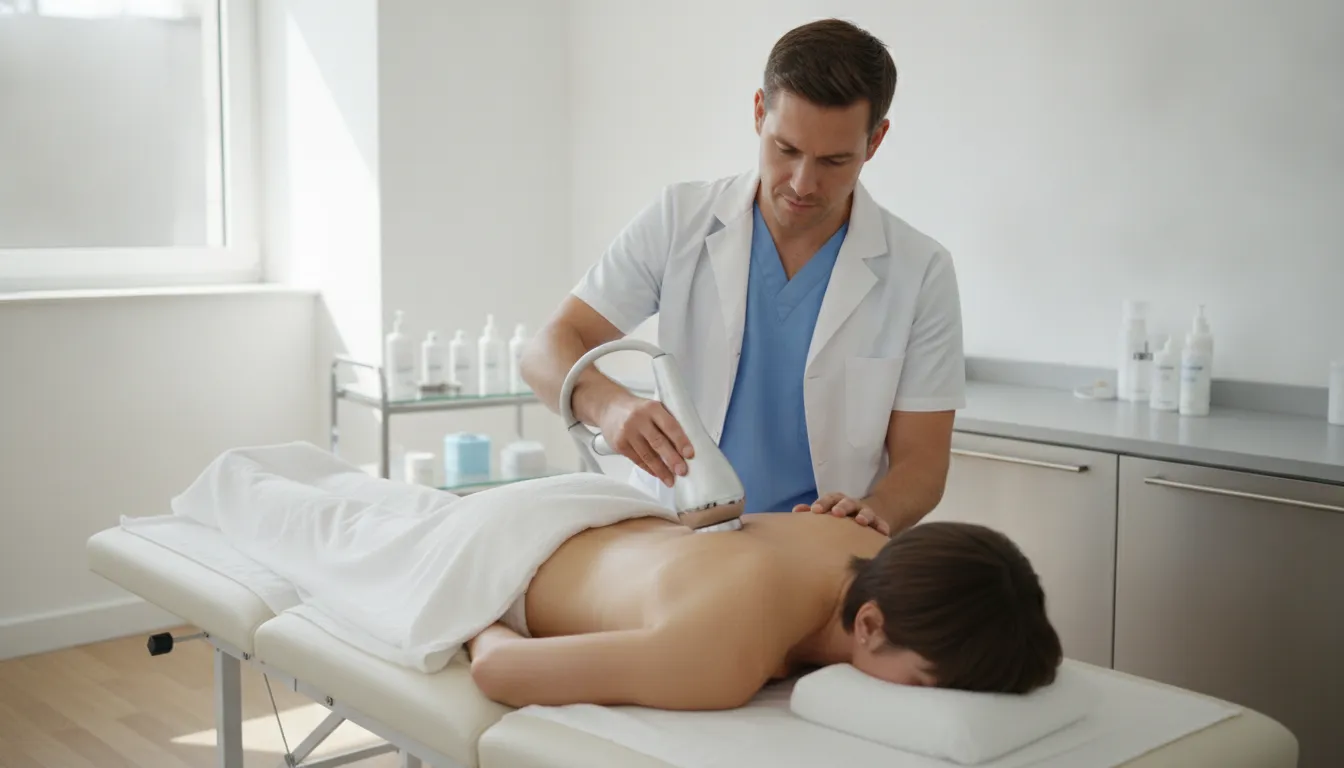
SoftWave Tissue Regeneration Technology is a non-invasive shockwave therapy platform that providers may include in a broader musculoskeletal care plan. The system delivers acoustic waves to the treatment area to support the body’s natural healing response and tissue remodeling. For patients with muscle pain or strains, a provider may consider SoftWave alongside rehabilitation, movement therapy, and other appropriate treatments.
Sessions are typically brief and do not involve an incision or extended recovery period. A qualified provider must first evaluate the injury, determine whether SoftWave is appropriate, and explain what to expect. SoftWave TRT does not replace diagnosis or rehabilitation, but it may serve as one part of an individualized plan for improving comfort and function. The Mayo Clinic discusses shockwave treatment as a non-invasive option for certain musculoskeletal conditions, while SoftWave offers information about its tissue regeneration technology.
How to Rehabilitate and Prevent Muscle Strains
Rehabilitation should help you restore comfortable movement, rebuild strength, and return to your usual activities without rushing the process. The right pace depends on the muscle involved, the severity of the strain, and how your symptoms change. A mild strain may improve with home care, while a more serious injury may require support from a healthcare provider or physical therapist.
Begin by limiting activities that cause pain, then reintroduce movement as your symptoms allow. Gentle motion can help reduce stiffness and weakness, while prolonged inactivity may contribute to muscle loss and slower strength recovery. A review of skeletal muscle injury treatment supports a gradual progression from protected movement to strengthening and functional activity.
Prevention starts with the way you exercise. Warm up before physical activity, increase intensity and duration gradually, and avoid sudden changes to your training routine. Fatigue can also affect coordination and form, so schedule rest and stop when your technique begins to break down. Strengthening the injured area, along with the surrounding muscle groups, can improve control and reduce unnecessary stress during movement.
A physical therapist can develop a rehabilitation plan around your injury, work demands, sport, or daily activities. Contact a qualified provider if pain returns, limits movement, or fails to improve as expected. Depending on your diagnosis, a provider may also consider non-invasive options such as SoftWave’s musculoskeletal applications as part of a broader care plan.
Start with Gentle Exercises and Return to Activity Gradually
Once the initial pain and swelling settle, begin with gentle, pain-free movement. Light stretching may help the muscle return to its normal length, but avoid forcing the stretch or holding a position that causes sharp pain. If discomfort increases during or after stretching, reduce the intensity and allow more recovery time. Harvard Health recommends gentle stretching instead of aggressive techniques while a strain heals.
As movement becomes easier, add low-intensity exercises before progressing to strengthening. Increase one factor at a time, such as repetitions, resistance, distance, or speed. Return to normal workouts only when you can complete the required movements without pain, limping, or compensating with another part of your body. Alberta Health Services’ care instructions recommend avoiding activities that trigger symptoms while resuming normal activity step by step.
Frequently Asked Questions
How long does a muscle strain take to heal?
Healing time depends on the injury’s severity, location, and your overall health. A mild strain may improve within several days to a few weeks. A partial or complete tear can take several weeks or longer and may require physical therapy or additional medical care.
Should I stretch a strained muscle?
Avoid stretching during the painful, swollen stage. Once symptoms begin to settle, gentle, comfortable movement may help restore mobility. Do not force a stretch or continue if you feel sharp or worsening pain. A physical therapist can recommend safe exercises for your specific injury.
How can I tell if a muscle strain is serious?
Severe pain, rapid swelling, extensive bruising, a popping sensation, visible changes in the muscle’s shape, numbness, or major weakness may indicate a more serious injury. Seek medical evaluation if you cannot use the affected body part, walk normally, or bear weight.
When can I return to exercise after a muscle strain?
Return gradually after you can move the area comfortably and complete daily activities without pain, limping, or weakness. Start with light activity, then increase resistance, distance, speed, or duration one step at a time. Stop if symptoms return or worsen.
Can SoftWave TRT be used for a muscle strain?
A qualified provider may consider SoftWave Tissue Regeneration Technology as part of an individualized musculoskeletal care plan. It is a non-invasive shockwave therapy platform that may be used alongside rehabilitation and other appropriate treatments. A professional evaluation is necessary to confirm the diagnosis and determine whether it is suitable for you.