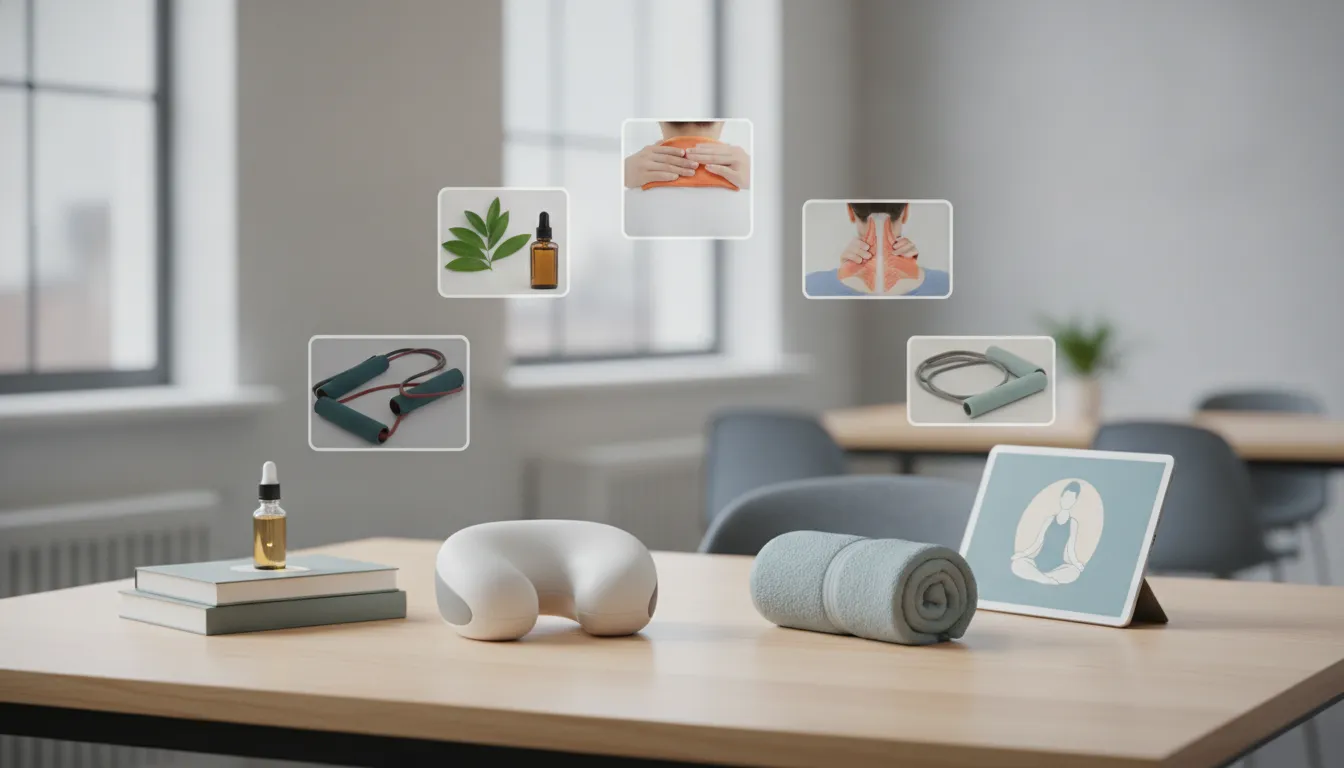
The right neck ache treatment starts with understanding your symptoms instead of pushing through them. Did the pain appear after an accident, or did it build slowly during long hours at a computer? Does it improve when you move, or does movement make it worse? Does the ache stay in one spot, or travel into your shoulder and arm? These details can help guide your next step. Learn how to care for mild neck discomfort at home, avoid common treatment mistakes, recognize symptoms that need prompt attention, and discuss professional options with a qualified healthcare provider.
Key Takeaways
- Pay attention to symptom patterns: Strain, posture, screen use, and sleep position may cause mild neck ache, while trauma, arm pain, numbness, weakness, fever, or severe headaches call for prompt medical care.
- Use gentle self-care: Apply heat or ice safely, change positions often, support your neck during sleep, and practice comfortable movement without forceful stretching or manipulation.
- Get professional guidance for ongoing pain: Persistent, worsening, or recurring symptoms may require an evaluation, physical therapy, imaging, or provider-guided SoftWave TRT for appropriate musculoskeletal conditions.
What Causes Neck Ache, and Which Symptoms Matter?
Neck ache can result from a strained muscle, an awkward sleeping position, prolonged screen use, or changes involving the joints, discs, or nerves in the cervical spine. An injury, such as whiplash after a collision or fall, can also cause sudden pain and stiffness.
Notice what triggers your symptoms, how long they last, and whether they improve with gentle movement. A mild ache that settles after changing position may have a different cause than pain that travels into the arm or appears with weakness. Cleveland Clinic’s overview of neck pain covers several possible causes, including muscle strain, poor posture, osteoarthritis, spinal stenosis, herniated discs, and pinched nerves.
Muscle strain, posture, and overuse
Muscle strain is one of the most common causes of neck ache. It can follow repetitive lifting, an unfamiliar workout, prolonged driving, or work that keeps your head in one position. Poor posture may place extra demand on the muscles supporting your neck, shoulders, and upper back. Over time, these muscles can become tired, tight, and tender.
Your daily routine may offer useful clues. Pain that appears after a long workday, improves when you change position, or feels sore when you touch the surrounding muscles may relate to strain or overuse. Even so, discomfort that continues despite rest, keeps returning, or limits normal movement should not be ignored. A healthcare professional can assess your posture, muscle strength, range of motion, and other possible causes.
Sleep position, stress, and screens
Your sleeping position can leave your neck angled or unsupported for several hours. A pillow that is too high, too low, or too firm may contribute to morning stiffness. Sleeping on your stomach can also keep your head turned to one side for an extended period.
Stress may create additional tension. You might raise your shoulders or tighten the muscles around your neck without realizing it. When those muscles stay contracted for days, they can become painful and stiff, as Mass General Brigham explains. Screen use can create a similar pattern, particularly when your chin remains tilted toward your chest. Adjusting your workstation, holding your phone higher, and taking regular movement breaks may help reduce repeated strain.
Whiplash, nerve irritation, and spinal changes
Whiplash can occur after a car crash, fall, sports collision, or another impact that moves your head suddenly forward and backward. This motion can strain the muscles and ligaments in your neck. Symptoms may include pain, stiffness, reduced movement, and headaches. They can last longer than expected, so pain that begins after an accident or head impact deserves a medical evaluation.
Nerve irritation may occur when swelling, a herniated disc, or changes in the spine affect the space around a nerve. Osteoarthritis and other spinal changes can also affect the joints and openings where nerves pass. Symptoms alone cannot identify the exact cause. A clinician may need to perform a physical and neurological examination, then recommend imaging or other tests when appropriate. Mass General Brigham’s guidance on stiff neck symptoms also highlights injury as an important factor to consider.
Ache, stiffness, limited movement, and headaches
Neck discomfort can feel different from person to person. Some people notice a dull, constant ache, while others describe sharp, burning, or stabbing pain. Stiffness may extend into the shoulders or upper back. You may also have trouble turning your head, looking upward, or checking a blind spot while driving.
Headaches can occur with neck pain, particularly when tight muscles or irritated joints contribute to discomfort near the base of the skull. Keep track of when the headache starts and whether it follows neck movement, poor posture, or a particular activity. A sudden, severe headache, especially with confusion, weakness, vision changes, or other neurological symptoms, requires prompt medical attention. Cleveland Clinic describes several neck pain sensations, which may help you explain your symptoms during an appointment.
Arm symptoms and nerve-related signs
Pain that travels from your neck into your shoulder, arm, or hand may suggest nerve involvement rather than isolated muscle soreness. You may also notice tingling, numbness, burning, or a pins-and-needles sensation. WebMD explains that radiating pain and numbness or tingling in the shoulders or arms can indicate nerve irritation.
Pay attention to weakness, clumsiness, or changes in your grip. These symptoms can affect everyday activities, such as buttoning a shirt, lifting a cup, or typing. New or worsening arm weakness, loss of coordination, or significant numbness should be evaluated promptly. Until a healthcare professional identifies the likely cause, avoid forceful stretching, high-velocity manipulation, or exercises that make your symptoms worse.
How Can You Treat Mild Neck Ache at Home?
Mild neck ache often improves with simple home care, particularly when poor posture, muscle tension, prolonged screen use, or an awkward sleeping position is the cause. The focus is to calm irritation, maintain comfortable movement, and give your neck time to recover. You do not need to keep your neck completely still, but you should avoid activities that clearly make the pain worse.
Home treatment is generally reasonable when discomfort is mild and gradually improving. Try one or two approaches at a time so you can tell what helps. If your pain started after a serious injury, spreads into your arm, causes weakness or numbness, or appears with fever or a severe headache, seek medical care rather than relying on home remedies.
Use heat and ice safely
Cold and heat may both help neck discomfort, but they are useful in different situations. After a recent minor strain or injury, place a cold pack wrapped in a towel over the sore area for about 15 minutes. You can repeat this every few hours during the first day or two. Never apply ice directly to your skin, and remove the pack if the area becomes numb, unusually pale, or more painful.
Heat may feel better when tight muscles or stiffness are the main problem. Use a heating pad on its lowest setting for about 15 minutes every few hours, or try a warm shower. Keep a layer of clothing or fabric between your skin and the heating pad, and do not sleep with it turned on. The Cleveland Clinic’s neck pain guidance provides additional advice for using heat and cold carefully.
Move gently instead of resting too long
Keeping your neck still for long periods may increase stiffness. Instead, perform slow, comfortable movements throughout the day. You might gently turn your head from side to side, look up and down, or tilt your ear slightly toward your shoulder. Stay within a pain-free or mostly comfortable range, and avoid bouncing, jerking, or forceful stretching.
Short walks can also help you stay active without placing much strain on your neck. Change positions regularly if you work at a desk or spend time on your phone. Stop any movement that causes sharp pain, increases your symptoms, or sends discomfort into your shoulder or arm. Aurora Health Care’s advice for neck pain explains how gentle movement may reduce stiffness and support circulation.
Support your neck while sleeping
Your pillow and sleeping position can affect how your neck feels when you wake up. Choose a pillow that keeps your head aligned with your spine, rather than tipping it sharply forward, backward, or to one side. The right height depends on your sleeping position, body shape, mattress, and comfort.
Side sleepers typically need enough pillow height to fill the space between the head and mattress without pushing the neck upward. Back sleepers may feel more comfortable with a thinner pillow that still supports the natural curve of the neck. Sleeping on your stomach can leave your head turned for hours, which may increase soreness for some people. Make small changes and assess how your neck feels the next morning. The WebMD guide to stiff neck care includes further suggestions for sleep support.
Use OTC pain relievers safely
Over-the-counter medicines may provide temporary relief while your neck recovers. Nonsteroidal anti-inflammatory drugs, including ibuprofen and naproxen, may help reduce pain and inflammation. Acetaminophen may also relieve pain, although it does not reduce inflammation.
Always read the label and follow the recommended dose. Do not take more than one product containing the same active ingredient. Speak with a pharmacist or health care professional before using these medicines if you have kidney or liver disease, a history of stomach ulcers, heart disease, take blood thinners, or are pregnant. If you are unsure which option is appropriate, ask for guidance. Pain medicine should not conceal symptoms that are worsening or accompanied by weakness, numbness, or other concerning changes.
Relax, hydrate, and recover
Stress can make you hold tension in your shoulders and neck without realizing it. Try slow breathing, a brief mindfulness exercise, or gentle yoga that does not force your neck into an uncomfortable position. Several times a day, let your shoulders drop, unclench your jaw, and take a few relaxed breaths.
Adequate sleep and regular fluids can support your general recovery. If you smoke, quitting may benefit bone and tissue health, since smoking can contribute to disc degeneration and slower healing. Continue light daily activity as your symptoms allow, but give yourself time to recover from strenuous tasks.
If mild neck ache does not start improving with home care, keeps returning, or interferes with work and sleep, schedule an evaluation. A health care provider can assess the cause and recommend appropriate treatment.
Which Gentle Exercises Help Neck Ache?
Gentle exercises may ease muscle tension and help maintain comfortable neck movement when your ache is mild. The aim is not to stretch as far as possible or force a stiff joint to move. Instead, use slow, controlled motions and keep your shoulders relaxed throughout each exercise. The Cleveland Clinic’s neck pain guidance recommends gentle movements that support posture without adding strain.
Try these exercises while sitting or standing comfortably. If your neck ache began after an accident, or you have weakness, numbness, severe pain, or symptoms that travel into an arm, talk with a healthcare professional before exercising.
Do chin tucks for posture
Chin tucks can help position your head more evenly over your shoulders. They may be useful if you spend long periods looking down at a phone or working at a computer. Sit or stand tall and look straight ahead. Without tilting your head up or down, gently draw your chin straight back, as though you are making a small double chin.
Hold the position for about five seconds, then relax. Repeat five to 10 times, keeping the movement small and comfortable. You may feel light effort in the front of your neck or a mild stretch near the base of your skull. Do not press your chin toward your chest or jut your head forward between repetitions.
Rotate and bend your neck gently
Slow rotations and side bends can help reduce stiffness while allowing you to assess your comfortable range of motion. Sit upright with your shoulders lowered. Slowly turn your head to the right, return to center, then turn to the left. Next, bring your right ear slightly toward your right shoulder, return to center, and repeat on the other side.
You can also gently look up and down if those movements feel comfortable. Avoid dropping your head quickly, bouncing, or leaning into pain. The WebMD guide to stiff neck care recommends moving slowly and stopping if pain becomes sharp or severe.
Roll your shoulders and strengthen your upper back
Tension around your shoulders can contribute to neck discomfort, especially when you stay in one position for hours. Shoulder rolls provide a simple way to loosen the area. Raise both shoulders gently toward your ears, roll them back, and let them move down. Repeat five to 10 times. Reverse the direction if that feels comfortable.
You can also try a gentle upper-back exercise. Sit tall, bend your elbows to about 90 degrees, and draw your shoulder blades slightly together without shrugging. Hold for three to five seconds, then release. Keep the effort light and avoid arching your lower back. Aurora Health Care recommends shoulder rolls as one option for easing neck and shoulder tension.
Follow repetitions and stop when pain worsens
Begin with five gentle repetitions and notice how your neck feels during and after each exercise. If the movements remain comfortable, gradually work toward 10 repetitions once or twice a day. Breathe normally and move slowly. You do not need to reach the same range of motion on both sides or force your neck to move farther.
Mild tightness may occur, but sharp, intense, or worsening pain means you should stop. Pause if you develop new tingling, numbness, weakness, dizziness, or pain that spreads into your arm. As WebMD explains, listening to your body matters more than pushing through discomfort. Contact a healthcare professional if your symptoms continue or interfere with daily activities.
When Should You Seek Care for Neck Pain?
Many cases of mild neck pain improve with gentle movement, avoiding aggravating activities, and simple home care. Still, the pattern of your symptoms matters. Pay attention to how the pain started, whether it is improving, and whether it affects your strength, balance, sensation, or ability to complete everyday tasks.
Seek emergency care for symptoms that suggest a serious injury, infection, or neurological problem. For less urgent concerns, schedule an evaluation if pain persists, worsens, spreads into an arm, or continues to interfere with your routine. A healthcare professional can assess the cause and recommend appropriate next steps, such as physical therapy, imaging, medication, or other treatments.
Get emergency care after trauma or neurological changes
Seek emergency care if neck pain begins after a car accident, fall, sports injury, or another significant impact. Do not stretch, massage, or forcefully manipulate your neck after trauma, particularly if you have severe pain, difficulty moving, or tenderness along your spine. A medical team should check for injuries before you resume normal activity.
New neurological changes also require prompt attention. These include weakness, numbness, tingling, trouble walking, loss of coordination, or pain that travels into an arm. Loss of bowel or bladder control is an emergency symptom. The Cleveland Clinic’s neck pain guidance also recommends urgent care when neck pain occurs with dizziness, nausea, vomiting, or a headache.
Watch for fever, severe headaches, and dizziness
Neck stiffness combined with fever or chills needs medical attention, especially if it starts suddenly or feels unusual for you. Other concerning symptoms include night sweats, nausea, vomiting, light sensitivity, confusion, or a severe headache. These signs can occur with an infection or another condition that needs professional evaluation rather than home treatment.
Dizziness, fainting, vision changes, or a sudden, intense headache also warrant prompt care. If these symptoms are severe, appear quickly, or follow an injury, seek emergency help. Mass General Brigham’s guidance on stiff neck symptoms explains when fever, severe headache, nausea, and other symptoms should be reviewed by a clinician.
Schedule care for persistent, worsening, or radiating pain
Make an appointment if your neck pain does not improve with reasonable home care, keeps returning, or gradually becomes more intense. Pain that spreads from your neck into your shoulder, arm, or hand may involve nerve irritation and deserves an assessment. Tell your provider if you also notice numbness, tingling, weakness, changes in grip, or symptoms that worsen in certain positions.
You should also schedule care if pain affects your sleep, work, exercise, driving, or basic daily activities. During an evaluation, a clinician may check your range of motion, strength, reflexes, posture, and sensation. Aurora Health Care recommends medical evaluation when neck pain persists, becomes severe, or occurs with neurological symptoms.
Book a routine evaluation when needed
Even without urgent warning signs, consider a routine evaluation if neck pain lasts longer than a week, does not respond to over-the-counter medication, or repeatedly disrupts your normal activities. Recurring pain may relate to posture, muscle imbalance, joint irritation, an old injury, or another condition that benefits from a personalized treatment plan.
Before your appointment, write down when the pain began, what makes it better or worse, and whether it travels into your arms, shoulders, or head. Note any numbness, tingling, weakness, headaches, or changes in movement. Bring a list of medications and treatments you have tried. The Cleveland Clinic recommends contacting a healthcare provider when neck pain does not improve after one week or interferes with daily activities.
What Professional Treatments Can Help Neck Ache?
When neck ache persists, returns frequently, or interferes with work, sleep, or everyday movement, a healthcare provider can help identify the likely cause. Professional care may include a physical examination, physical therapy, medication guidance, imaging, or a referral to a specialist.
Treatment depends on your symptoms, health history, injury risk, and response to early care. Many cases improve with conservative treatment, but severe, worsening, or radiating pain deserves medical attention. The Cleveland Clinic’s neck pain guidance explains why providers usually begin with an assessment before ordering additional tests or recommending procedures.
Complete a clinical history and exam
Your provider will ask when the neck ache began, whether it followed an injury, and what activities make it better or worse. They may also ask about headaches, sleep, work habits, arm symptoms, previous injuries, arthritis, and spinal conditions.
During the examination, the provider may assess your posture, neck alignment, tenderness, range of motion, muscle strength, and reflexes. These findings can help distinguish muscle strain from joint irritation, nerve involvement, or another concern. According to the Cleveland Clinic’s overview of neck pain causes and treatments, a medical history and physical exam are often enough to identify the likely cause.
This first evaluation also helps determine whether home care and rehabilitation are appropriate or whether you need additional testing. Be specific about your symptoms, including when they occur and how they affect your daily activities.
Use physical therapy and supervised exercise
Physical therapy can help restore comfortable movement while improving strength and flexibility in the neck, shoulders, and upper back. A physical therapist may evaluate how you sit, stand, lift, and move, then create a program based on your symptoms and goals.
Treatment may include gentle mobility exercises, strengthening, posture training, hands-on techniques, and advice for workstation or lifting habits. Supervised exercise gives you a structured way to progress without forcing movements that aggravate your symptoms. Your therapist may also adjust the program as your range of motion and comfort improve.
The Cleveland Clinic’s recommendations for neck pain note that physical therapy can improve strength, flexibility, and neck movement. Follow the prescribed routine consistently, and tell your therapist if pain spreads into your arm, causes numbness, or worsens during or after exercise.
Order imaging and refer to specialists when needed
Imaging is not necessary for every case of neck ache. A provider may recommend it when pain is severe, does not improve with conservative care, follows a significant injury, or occurs with symptoms that suggest nerve or spinal cord involvement.
An X-ray can help evaluate fractures, alignment concerns, and arthritis. An MRI provides a more detailed view of discs, nerves, the spinal cord, infections, and other soft tissues. The Cleveland Clinic explains when imaging may be appropriate, which can help you understand why a provider may recommend a test or decide to monitor your symptoms first.
Depending on the suspected cause, your primary care provider may refer you to a neurologist, orthopedic specialist, physiatrist, or another clinician. A referral does not always mean you need surgery. It can simply provide more specialized evaluation and treatment options.
Match non-invasive care to the cause
Professional care often begins with non-invasive treatment when neck ache is linked to muscle strain, posture, overuse, or mild joint irritation. Your plan may include supervised exercise, activity changes, heat or ice, medication guidance, ergonomic adjustments, or other rehabilitation strategies.
Some clinics also offer provider-guided technologies for musculoskeletal care, including FDA-cleared, non-invasive shockwave therapy. SoftWave TRT is designed for use by trained healthcare professionals as part of care for musculoskeletal conditions. Providers can determine whether this approach fits your symptoms and how it may complement rehabilitation. Learn more about SoftWave’s musculoskeletal applications before discussing treatment with a qualified provider.
The goal is to match treatment to the underlying problem, not simply mask discomfort. As Spine-health explains in its neck pain treatment guidance, conservative care may include medication, stretching, home exercises, and other measures selected according to symptom severity and likely cause.
How Can SoftWave TRT Support Provider-Guided Neck Ache Care?
SoftWave Tissue Regeneration Technology (TRT) may be included in a broader care plan for neck ache linked to muscles, tendons, ligaments, joints, or other musculoskeletal structures. It is not a replacement for a medical evaluation, particularly when pain follows an accident or occurs with weakness, numbness, fever, or other concerning symptoms.
A qualified healthcare provider can decide whether SoftWave TRT fits the patient’s condition, goals, and treatment plan. SoftWave offers additional information about its approach through its musculoskeletal care resources.
Use FDA-cleared, non-invasive shockwave therapy
SoftWave TRT uses patented electrohydraulic acoustic waves delivered through the skin. Because the treatment is non-invasive, it does not require an incision or direct access to the affected tissue. SoftWave’s technology is FDA cleared for specific uses, so patients should ask their provider which indications apply to their condition.
During an appointment, the provider applies the device to selected areas based on the examination. SoftWave TRT may be considered for patients seeking a non-drug, non-surgical option within a supervised care plan. It should not delay treatment for serious causes of neck pain, and it may not be suitable for everyone. Providers can review SoftWave’s device options and determine whether the technology fits their practice and the patient’s needs.
Apply SoftWave TRT to musculoskeletal care
Neck ache can involve several structures, including muscles, connective tissue, joints, and the cervical spine. A provider may consider SoftWave TRT when an examination suggests a musculoskeletal source, such as strain, overuse, posture-related discomfort, or reduced soft-tissue function.
The treatment may support a broader plan focused on improving comfort and function rather than simply covering up symptoms. Results can vary based on the cause, duration, and severity of the ache, along with other factors affecting recovery. A provider may pair SoftWave TRT with physical therapy, mobility work, manual techniques, or other appropriate care. SoftWave’s information on specialty applications explains how providers may use the technology across different clinical settings.
Rely on provider assessment and treatment planning
An assessment should come before treatment. The provider may ask when the ache began, what makes it better or worse, whether an injury occurred, and whether symptoms travel into the shoulder or arm. They may also evaluate posture, neck movement, strength, sensation, and reflexes.
This information helps distinguish common musculoskeletal discomfort from symptoms that may require imaging, specialist referral, or prompt medical attention. If SoftWave TRT appears appropriate, the provider can identify treatment areas, explain what to expect, and monitor changes over time. Patients should share their medical history, current medications, recent injuries, and any numbness or weakness. SoftWave’s provider education resources offer more information about the technology and its clinical use.
Combine in-clinic care with rehabilitation and home exercises
In-clinic treatment should support practical changes between appointments. A provider or physical therapist may recommend gentle neck mobility exercises, postural adjustments, upper-back strengthening, or changes to a workstation and sleep setup. These steps can help patients maintain movement and address habits that may contribute to recurring neck ache.
Follow the prescribed plan rather than adding forceful stretches or challenging exercises on your own. Stop and contact the provider if symptoms become sharper, travel into the arm, or occur with numbness or weakness. When appropriate, combining SoftWave TRT technology with rehabilitation gives the care team a structured way to track progress and adjust treatment.
How Can You Prevent Neck Ache?
Many cases of neck ache develop gradually through repeated habits, including looking down at a phone, working in one position for too long, or sleeping without enough support. Prevention is less about maintaining perfect posture all day and more about reducing prolonged strain. Regular movement, a comfortable workstation, and better sleep support can all help you protect your neck during everyday activities.
Pay attention to patterns, too. If your neck feels worse after a certain task, adjust the way you perform it rather than pushing through discomfort. Recurring or worsening pain deserves a professional evaluation. A healthcare provider can assess your symptoms and recommend appropriate treatment. SoftWave’s musculoskeletal applications are designed to support provider-guided care for pain and other musculoskeletal conditions.
Keep screens at eye level and relax your shoulders
Position your phone, tablet, and computer screen so you can look forward without bending your neck down. When using a phone, hold it closer to eye level and keep your head aligned with the center of your body. Looking down for long periods can place extra strain on the muscles at the back of your neck.
Your shoulders should rest down and away from your ears. Adjust your chair, monitor, and keyboard so you do not need to reach forward or shrug while working. Take a moment throughout the day to unclench your jaw, lower your shoulders, and let your arms rest comfortably. These adjustments reflect Aurora Health Care’s posture recommendations, which include holding devices at eye level and keeping the shoulders relaxed.
Take movement breaks and change positions
Staying in one position for too long can cause stiffness in your neck and upper back, even if your posture initially feels comfortable. Change positions regularly instead of waiting until your muscles feel tight. Stand up, walk around, roll your shoulders, or gently move your neck through a comfortable range.
Connect movement breaks to habits you already have. Walk during part of a phone call, stand up after finishing a task, or set a reminder to move every 30 to 60 minutes. The goal is consistent, comfortable movement, not an intense stretching session. Mass General Brigham recommends changing positions and moving regularly to avoid staying in one posture.
Stop any movement that causes sharp pain, numbness, tingling, weakness, or symptoms that travel into your arm. If these symptoms continue, contact a healthcare professional.
Improve phone, driving, and lifting habits
Avoid holding your phone between your ear and shoulder. This position bends your neck to one side and may cause uneven muscle strain. Use headphones, speakerphone, or another hands-free option for longer conversations. When looking at your phone, keep it in front of you rather than low in your lap.
Driving can also contribute to neck tension when your seat, headrest, or mirrors are poorly positioned. Adjust them so you can sit close enough to the controls without reaching or rounding your shoulders. When lifting, face the object, keep it close to your body, and bend through your hips and knees. Avoid twisting your neck or upper back while carrying a load. WebMD’s neck care guidance also recommends avoiding awkward phone positions and using hands-free options.
Support your neck during sleep
A supportive sleeping position keeps your head aligned with the rest of your body. If your pillow pushes your head too far upward or allows it to fall to the side, you may wake with stiffness or soreness. Choose a pillow that supports your neck without forcing your chin toward your chest.
Your sleep position can affect the type of support you need. Side sleepers may benefit from enough pillow height to fill the space between the shoulder and head. Back sleepers often prefer moderate support that maintains a neutral position. Sleeping on your stomach can keep your neck rotated for hours, so consider another position if it regularly leaves you sore.
No single pillow works for everyone. Try small adjustments and notice how your neck feels when you wake. WebMD recommends sleep support that keeps the head aligned with the body.
Build strength, hydrate, and manage stress
A consistent exercise routine can help your neck and upper back handle daily activities. Include a combination of cardiovascular activity, strength training, and flexibility work. Exercises that strengthen the upper back and shoulders may support comfortable posture, but start gradually and use controlled movements. A physical therapist can help you choose exercises that match your current strength and mobility.
Hydration, sleep, and stress management also matter. Stress can cause you to tighten your shoulders or clench your jaw, which may add to neck tension. Try slow breathing, journaling, meditation, or a relaxing walk to help release that tension. Drink water regularly, particularly during exercise or extended physical activity.
Aurora Health Care recommends regular exercise, including strength, flexibility, and cardiovascular activities, along with stress management. If exercise repeatedly causes pain, ask a healthcare professional to review and adjust your routine.
Which Neck Ache Treatment Mistakes Should You Avoid?
Most mild neck aches improve with gentle movement, supportive habits, and time. However, some common self-treatment choices can irritate the area or delay appropriate care. Avoid any activity that causes sharp pain, new numbness, weakness, dizziness, or symptoms that travel into your shoulder or arm.
The cause of neck pain is not always clear from symptoms alone. Muscle strain and posture-related tension are common, but injuries, nerve irritation, spinal changes, and certain illnesses may need professional evaluation. Treat mild symptoms cautiously, pay attention to changes, and do not assume that more pressure or more stretching will lead to faster relief.
Avoid aggressive stretching and forceful manipulation
A stiff neck may tempt you to stretch harder or try to “put it back in place.” Forceful stretching, sudden twisting, and self-manipulation can irritate sensitive muscles, joints, or nerves. Pain at the base of the skull does not automatically mean that a joint is out of alignment, so avoid adjusting your neck yourself or asking someone without appropriate training to do it.
Use slow movements within a comfortable range instead. You might gently turn your head from side to side or lower your chin slightly, but stop if the pain becomes sharp or travels into your arm. A physical therapist can recommend exercises based on your symptoms. This evidence-informed overview of suboccipital pain explains why aggressive treatment is not always necessary.
Limit prolonged rest and poor workstation habits
Rest may feel helpful during the first day or two, but staying still for too long can increase stiffness and make normal movement more difficult. Unless a healthcare professional advises otherwise, change positions regularly and take short movement breaks throughout the day. Gentle walking may help you avoid holding your neck and shoulders rigidly.
Your workstation can also contribute to discomfort. Looking down at a laptop or phone for long periods places extra strain on the neck. Keep screens close to eye level, support your forearms, and let your shoulders relax. The Cleveland Clinic’s neck pain guidance recommends taking regular breaks to move and stretch during extended periods of sitting.
Use heat, ice, and medication safely
Heat and ice may offer short-term comfort, but use them carefully. A cold pack may feel helpful after an activity that aggravates your symptoms, while a heating pad, warm shower, or warm compress may ease muscle tightness. Place a cloth between your skin and the hot or cold source, and limit each session to about 15 to 20 minutes. Stop if your skin becomes painful, numb, or discolored.
Over-the-counter medicines, including acetaminophen and nonsteroidal anti-inflammatory drugs, may help some people manage neck pain. Follow the package directions and do not exceed the recommended amount. Ask a healthcare professional or pharmacist before using them if you have a chronic condition, take other medicines, are pregnant, or are unsure which option is appropriate. Aurora Health Care’s neck pain guidance provides additional information about heat, ice, and medication.
Seek care promptly for red-flag symptoms
Do not try to manage every neck ache at home. Seek emergency care after a serious fall, car accident, or other trauma, especially if you develop severe pain, weakness, numbness, trouble walking, loss of coordination, or difficulty controlling your bladder or bowels. These symptoms may point to an injury or neurological problem that requires prompt assessment.
Seek immediate medical care if neck stiffness occurs with fever or chills, a severe headache, nausea, confusion, or sensitivity to light. These symptoms can occur with serious infections and should not be treated with home remedies alone. For less urgent concerns, contact a healthcare provider if pain interferes with daily activities, worsens, spreads into an arm, or does not improve after about a week. The Cleveland Clinic’s recommendations for neck pain can help you recognize when an evaluation may be appropriate.
Frequently Asked Questions
What is the most common cause of neck ache?
Muscle strain, prolonged screen use, poor posture, stress, and an unsupported sleeping position are common causes. Neck ache can also result from whiplash, arthritis, disc changes, or nerve irritation, so persistent or spreading pain should be assessed by a healthcare professional.
How long should mild neck ache last before I seek care?
Mild discomfort that gradually improves with gentle movement and home care may settle within several days. Schedule an evaluation if pain lasts longer than about a week, keeps returning, limits daily activities, or becomes more intense.
Can I exercise with neck ache?
Gentle, controlled movements may help reduce stiffness when symptoms are mild. Try small chin tucks, slow rotations, and shoulder rolls, but stop if you develop sharp pain, numbness, tingling, weakness, dizziness, or pain that spreads into your arm.
When is neck pain an emergency?
Seek urgent medical attention after significant trauma or when neck pain occurs with arm or leg weakness, numbness, trouble walking, loss of coordination, severe headache, fever, confusion, vision changes, or loss of bladder or bowel control.
Can SoftWave TRT help with neck ache?
A trained healthcare provider may consider SoftWave TRT as part of a broader plan for musculoskeletal neck discomfort. The FDA-cleared, non-invasive technology may be combined with rehabilitation, mobility work, and other appropriate care. An evaluation should come first to rule out conditions that need different treatment.
Continue exploring: Find a SoftWave provider.