Shockwave therapy has expanded across orthopedic and regenerative care, yet devices vary in energy generation, treatment field size and shape, and dosing reproducibility. Many platforms are described as if they deliver comparable biological effects even when depth, tissue coverage, and output stability differ across designs.
Orthospec is marketed as a focused extracorporeal shockwave system for musculoskeletal indications, with device-named studies appearing in a limited set of orthopedic presentations. For clinicians, understanding where Orthospec evidence is concentrated, where expectations are inferred from the broader focused ESWT literature, and where technical claims lack independent characterization helps set realistic parameters for protocol design, documentation, and cross-service line use.
What Orthospec Claims To Be
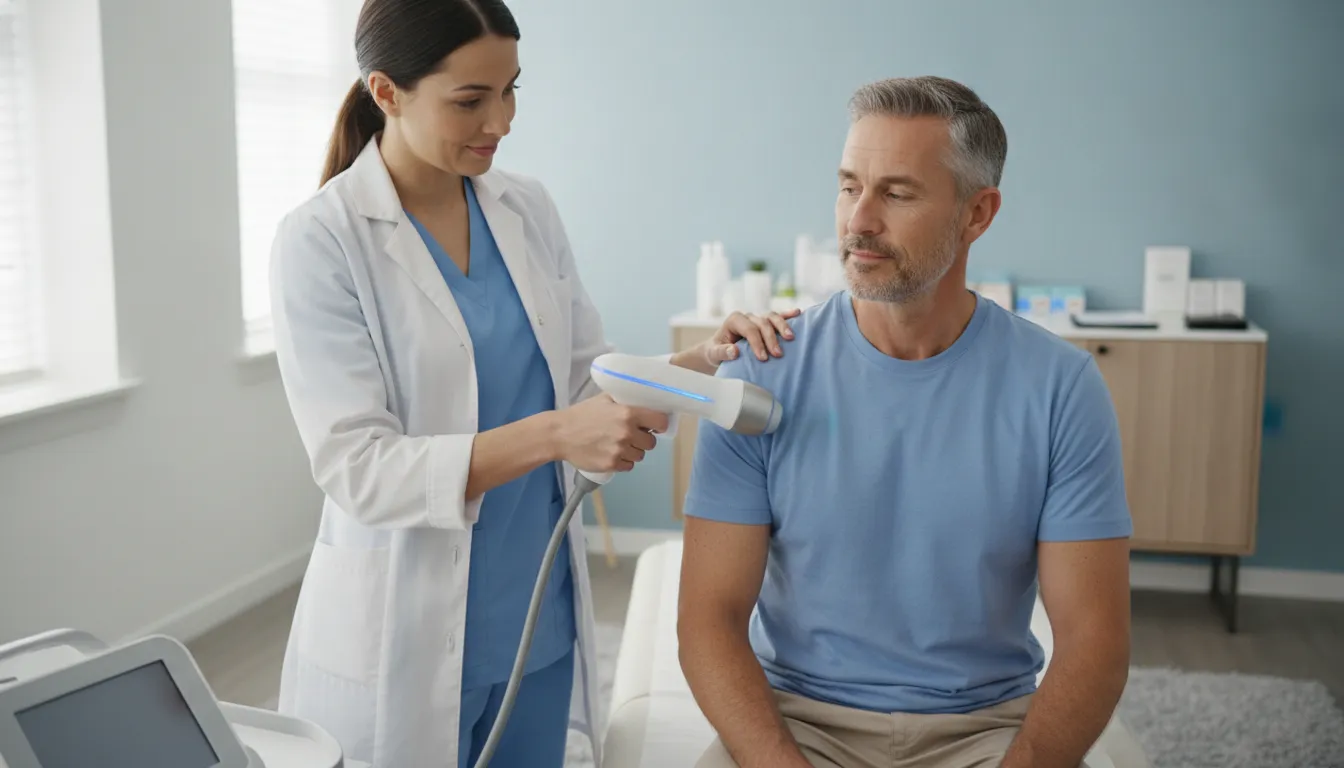
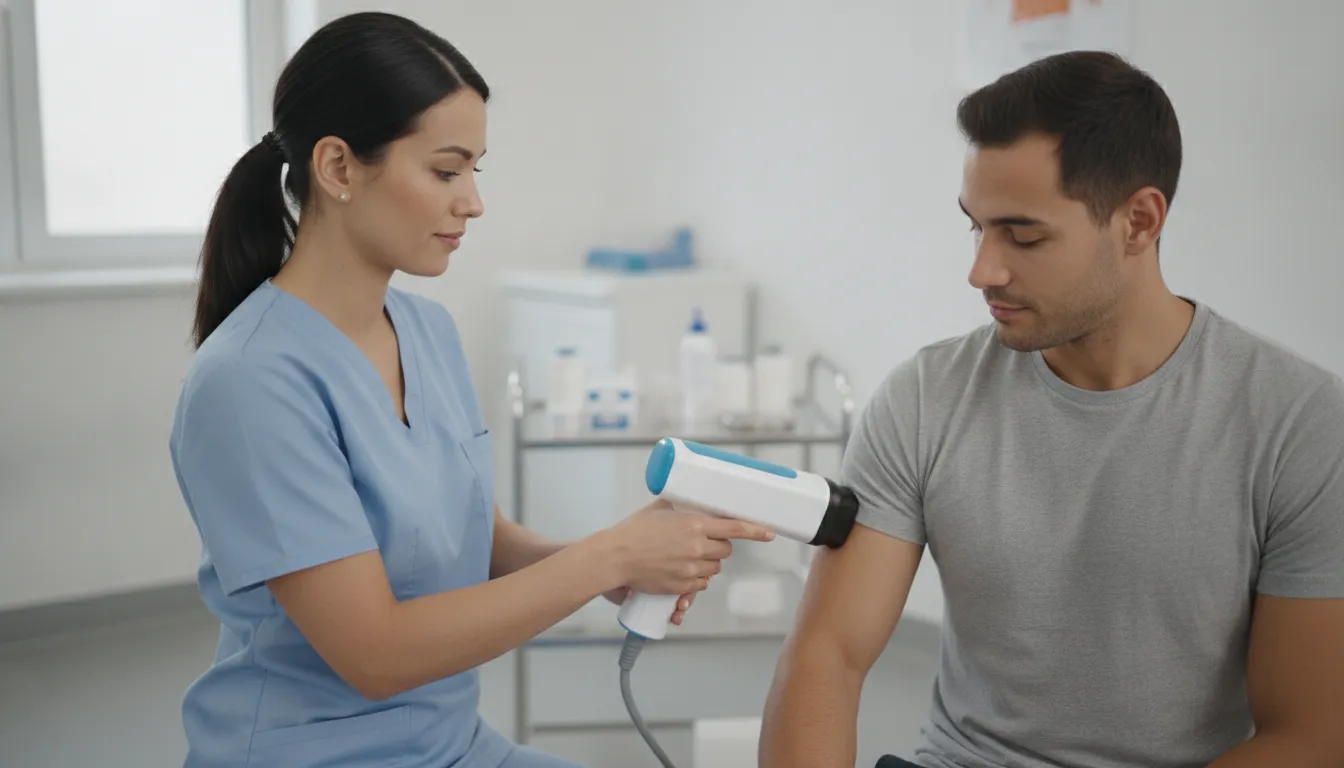
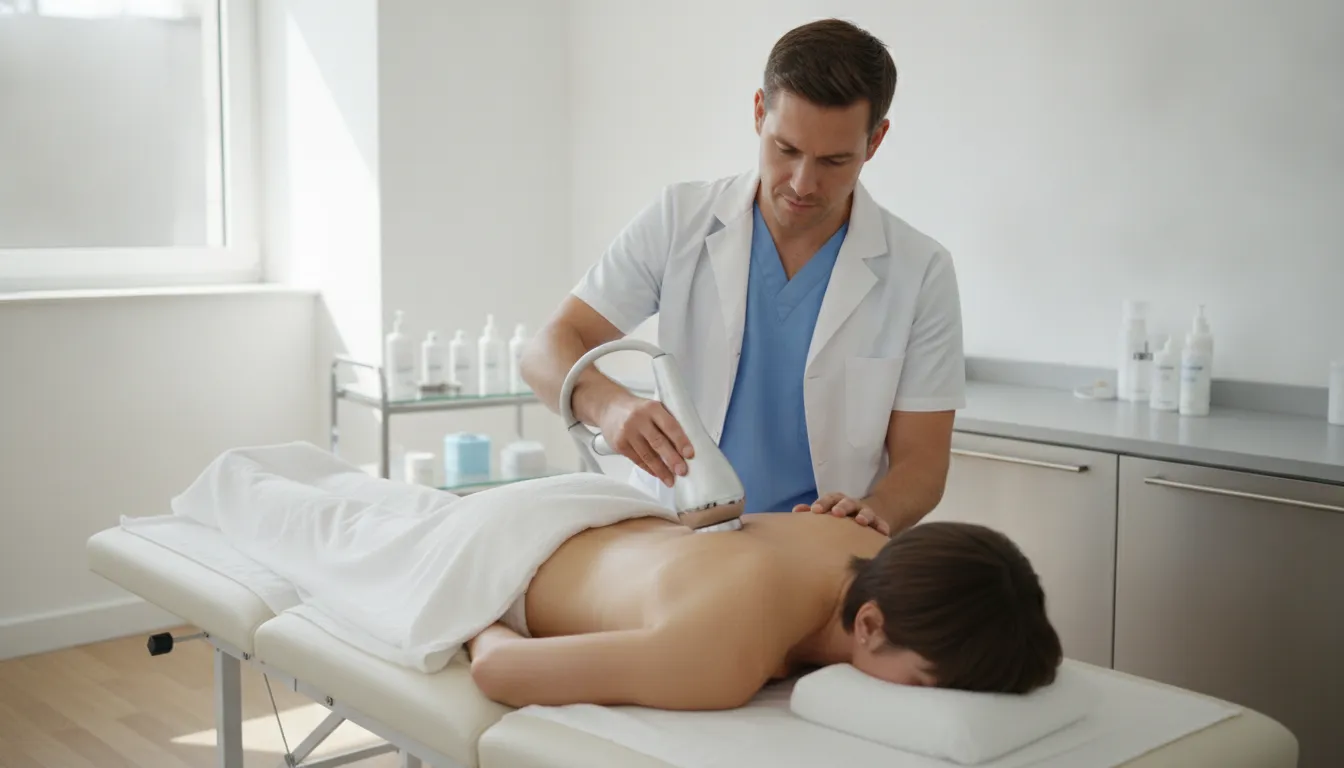
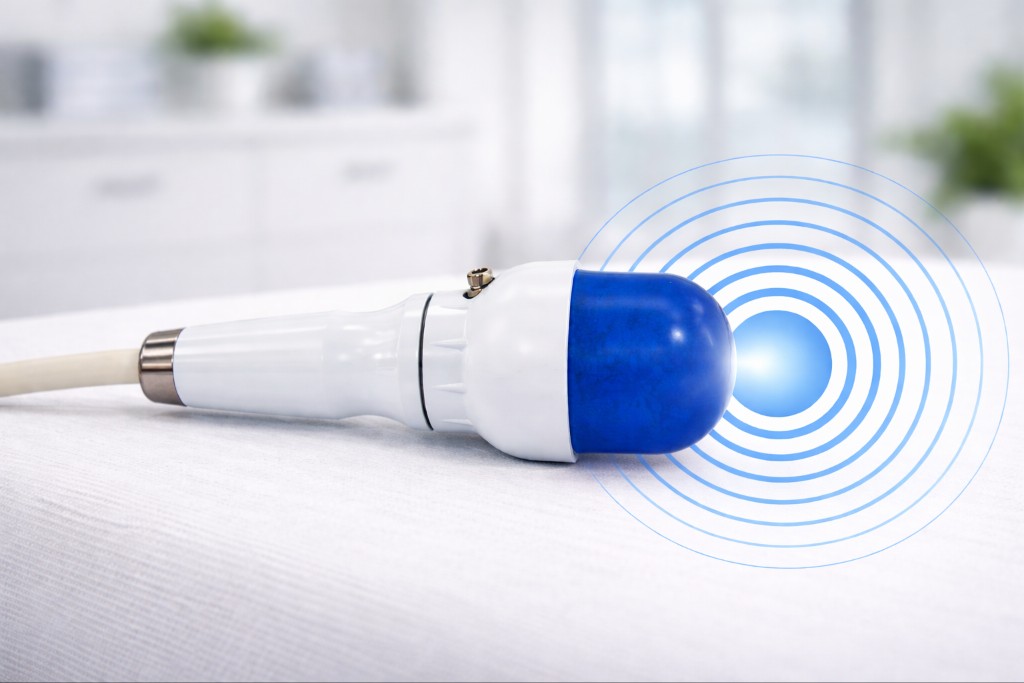
Orthospec is presented as an extracorporeal shockwave platform positioned for orthopedic and sports medicine workflows. In manufacturer descriptions, it is framed as an electrohydraulic system paired with a reflector design marketed under a Multi-Wave concept that is intended to distribute energy across a broader treatment zone.
Orthospec positioning centers on musculoskeletal use cases commonly seen in outpatient practice, with marketing that references tendon and fascia-related pain presentations across the lower and upper extremity. Device descriptions emphasize system design and application versatility, while the evidence base that clearly names Orthospec in peer-reviewed musculoskeletal studies appears concentrated in a limited set of shoulder-related cohorts.
Only a few points about Orthospec can be stated with confidence.
- Device-named studies in the past decade are present but narrow in scope, with named Orthospec use reported in shoulder stiffness with rotator cuff lesions, shoulder tendinosis cohorts, and calcific tendinitis datasets. Ko et al. (2020), Wu et al. (2019), Chou et al. (2024)
- These publications primarily report clinical and imaging outcomes, while independent characterization of treatment field geometry, depth distribution, tissue volume engagement, and output reproducibility is reported less consistently, which can limit protocol transfer across anatomical regions and practice settings.
- Orthospec marketing references a Multi-Wave field concept, yet open literature that independently characterizes the Multi-Wave distribution and the treated tissue volume for specific Orthospec applicators remains limited relative to the scope of orthopedic indications listed in manufacturer materials.
Clinical Evidence Supporting Focused Shockwave Therapy
Focused ESWT has been evaluated across multiple musculoskeletal populations, although outcomes vary across protocols, dose selection, co-interventions, and endpoint selection.
These effects have been described in peer-reviewed studies:
- Fascia and nociceptor-related mechanisms that may contribute to analgesia and symptom modulation in soft tissue presentations. Ryskalin et al. (2022)
- Angiogenesis and collagen-related responses observed in a soft tissue model following extracorporeal shock wave exposure. Alshihri et al. (2020)
- Plantar fasciopathy systematic review and meta-analysis reporting overall support for changes in pain and function, with parameters influencing effect size and tolerability. Lippi et al. (2024)
- Lateral epicondylitis randomized trial comparing focused shockwave with ultrasound therapy, using pain, function, and strength outcomes. Król et al. (2024)
- Rotator cuff tendinopathy systematic review and meta-analysis evaluating ESWT effects on pain and functional outcomes across included trials. Xue et al. (2024)
These findings reflect the broader focused ESWT literature. They do not confirm device-specific output or treatment field geometry unless a named system is independently characterized. Operational and study design constraints that can limit protocol transfer across clinics and anatomical regions include the following:
- Clinical response patterns can vary with energy level, pulse number, session spacing, imaging guidance, and the rehabilitation plan delivered alongside shockwave.
- Many publications report dose settings without describing the emitted field dimensions, depth profile, or estimated tissue volume exposed in practical terms.
- Outcomes are commonly anchored in pain and function measures, while imaging correlates or tissue-level measures are reported less consistently across cohorts.
- Follow-up is often limited to short or intermediate time points, which supports interpretation of near-term change while leaving longer-term durability less consistently defined.
Orthospec Shockwave Devices in Clinical Context and What Is Missing
Orthospec sits within the focused ESWT landscape and has a limited set of device-named musculoskeletal publications, with most discussion concentrated in specific orthopedic cohorts rather than across the full range of indications referenced in manufacturer materials.
For clinicians considering protocol development and cross-service line use, several gaps tend to matter most:
1. Evidence Concentrated in Narrow Musculoskeletal Cohorts
Device-named publications appear clustered in shoulder-related presentations, which can make it harder to translate expectations to other anatomical regions without additional corroborating data.
2. Follow-Up Windows That Limit Durability Assessment
Many studies in shockwave literature emphasize near-term pain and function outcomes, while longer follow-up that supports durability decisions is reported less consistently.
3. Limited Independent Characterization of Treatment Zone Behavior
Clinical papers often report impulses, energy settings, and session counts, yet practical reporting of emitted field dimensions, depth distribution, and estimated tissue volume engagement is less consistently available for protocol transfer across regions.
4. Limited Independent Data on Multi-Wave Field Claims
Orthospec marketing references a Multi Wave field concept, yet open literature that independently characterizes distribution patterns and treated tissue volume for Orthospec applicators remains limited relative to the scope of indications described in manufacturer materials.
These constraints do not diminish the reported improvements within the studied populations. They determine how confidently clinicians can generalize protocols to other regions and how consistent delivery may be in complex pain patterns.
Why Broad Focused Shockwave Design Matters for Regenerative Indications
Broad-focused shockwave systems are increasingly used in regenerative care because they engage a wider biological environment and reflect the layered nature of many musculoskeletal presentations. Clinicians often consider this approach when symptoms involve more than one tissue plane or when pain patterns extend across a region rather than at a single point.
A broader therapeutic field supports coverage across superficial and deeper tissues within the same application. In practice, this supports more consistent regional dosing, reduces dependence on pinpoint localization, and improves reproducibility when protocols are delivered across different providers and service lines.
Clinically relevant considerations associated with broad focused designs include:
- Engagement of a larger treatment area that supports mechanotransduction across interconnected tissues
- Patient tolerance that can support dosing without pronounced discomfort
- Reduced dependence on exact handpiece placement, which can improve consistency across providers
- Practical fit across multidisciplinary workflows in orthopedics, sports medicine, physiatry, podiatry, physical therapy, wound care, and pelvic health
SoftWave Therapy: A Broad Focused Shockwave System With Multidisciplinary Validation
SoftWave Therapy is a patented, broad-focused shockwave system designed for in-office clinical use. It uses an electrohydraulic source with a parabolic reflector to deliver a broad therapeutic field measuring roughly 7 cm by 12 cm. This field geometry supports simultaneous engagement of superficial and deeper tissues within a single application.
The electrohydraulic architecture is associated with biologic responses relevant to tissue repair, including modulation of inflammation, activation of connective tissue, and promotion of neovascularization. SoftWave protocols are commonly implemented with high patient tolerance, which supports completion of multi-session care plans in busy outpatient settings.
SoftWave has FDA 510(k) clearances for the following indications:
- Activation of connective tissue
- Treatment of chronic diabetic foot ulcers
- Treatment of acute second-degree burns
- Temporary increase in blood flow
- Temporary pain relief
SoftWave is designed exclusively for clinical settings and is not intended for home use. Its broad-focused field and indication profile support integration across orthopedics, podiatry, sports medicine, physical therapy, urology, wound care, and related regenerative service lines where regional tissue coverage and workflow consistency matter.
For clinicians, the distinction often comes down to coverage and platform efficiency. Focused devices generally treat smaller zones per application and require multiple treatment points to address regional presentations, while SoftWave is designed to engage a wider surrounding tissue environment during the same session using a single system, supported by FDA-cleared indications and device-specific clinical validation.
Read: SoftWave vs Shockwave Technology Explained
How Clinicians Compare Shockwave Devices When Selecting a Platform
When selecting a shockwave system, clinicians often focus on characteristics that influence reproducibility, workflow, and how well a platform supports the clinic’s service mix.
Common comparison criteria include:
- Therapeutic field size and shape, including how much tissue is covered per application
- Depth profile relative to target tissue planes, including consistency across superficial and deeper layers
- Patient tolerance at dosing used in real protocols, including the ability to complete full session parameters
- Evidence that is device-specific and relevant to intended indications, including study design and follow-up windows
- Regulatory status and indication breadth, including alignment between cleared indications and clinical use goals
- Operator dependence and training requirements, including localization demands and protocol standardization
- Fit for multidisciplinary scheduling and delegation models, including consistency across providers and service lines
- Practical workflow factors such as typical session duration and course length, including throughput considerations in busy clinics
Taken together, these criteria support a clear comparison between systems engineered for localized targeting and platforms designed for wider field engagement, helping clinicians choose technology that fits their most common presentations, staffing patterns, and practice workflow.
Selecting the Right Shockwave Platform For In-Office Regenerative Protocols
Orthospec is marketed as a focused ESWT option for musculoskeletal indications and is described with a Multi-Wave reflector concept in manufacturer materials. Device-named publications exist, though they appear concentrated in a limited set of orthopedic cohorts rather than spanning the full range of indications commonly listed in broader positioning.
Focused ESWT as a category has supportive evidence in defined musculoskeletal presentations, with outcomes influenced by protocol design and follow-up duration. Broad-focused electrohydraulic systems such as SoftWave are designed to engage larger and deeper tissue volumes using a single in-office platform and support multidisciplinary integration when protocols require regional tissue coverage, patient tolerance, and consistent delivery across providers, supported through FDA 510(k) clearances and device-specific clinical validation. These distinctions help clinicians select a shockwave technology aligned with regenerative goals and workflow efficiency.
Learn more about the Best Shockwave Therapy Machine for Providers.
Implement SoftWave Across Multidisciplinary Service Lines
SoftWave uses a patented broad-focused shockwave design with an electrohydraulic source and a patented parabolic reflector that supports wide field tissue engagement during a single session. For clinics building regenerative care pathways across orthopedics, sports medicine, physiatry, podiatry, physical therapy, wound care, and pelvic health, SoftWave supports consistent protocols, high patient tolerance, and multidisciplinary implementation, backed by FDA-cleared indications and device-specific clinical validation.
Learn more about SoftWave clinical research.