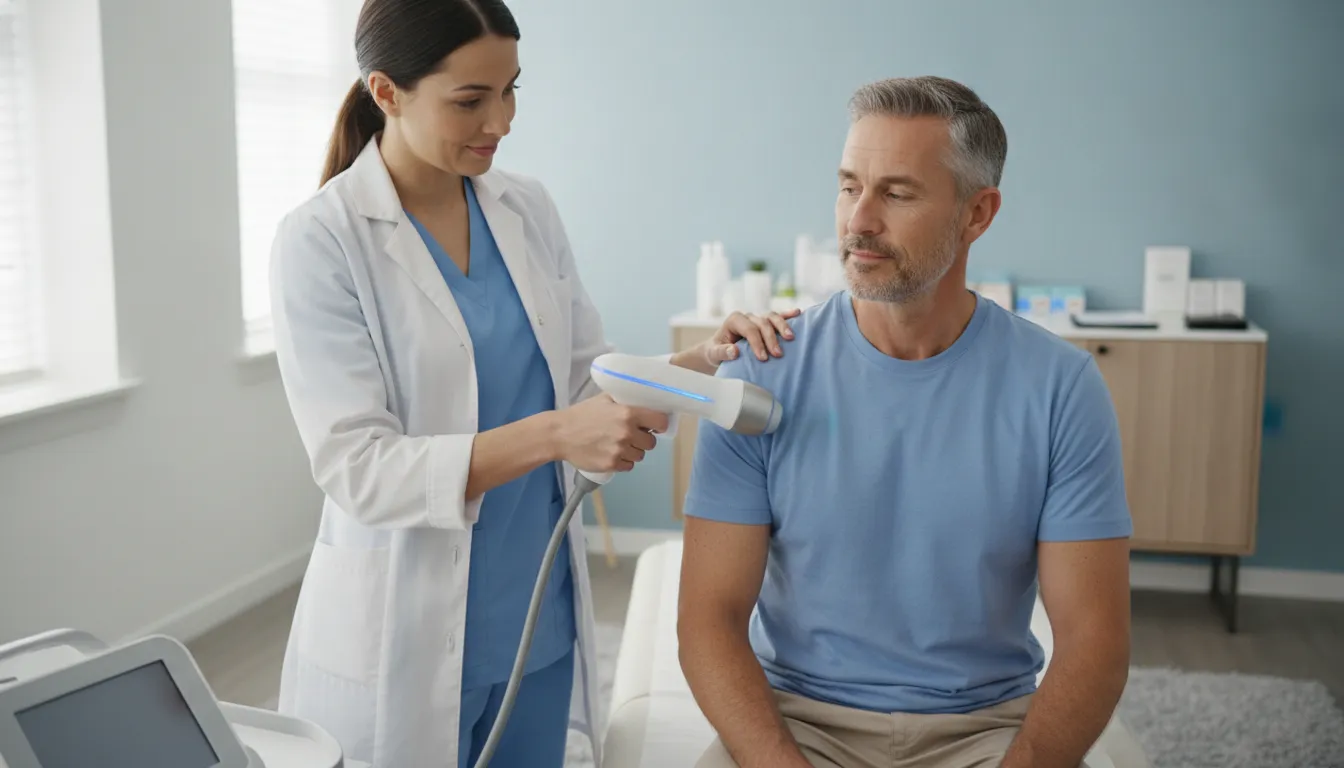
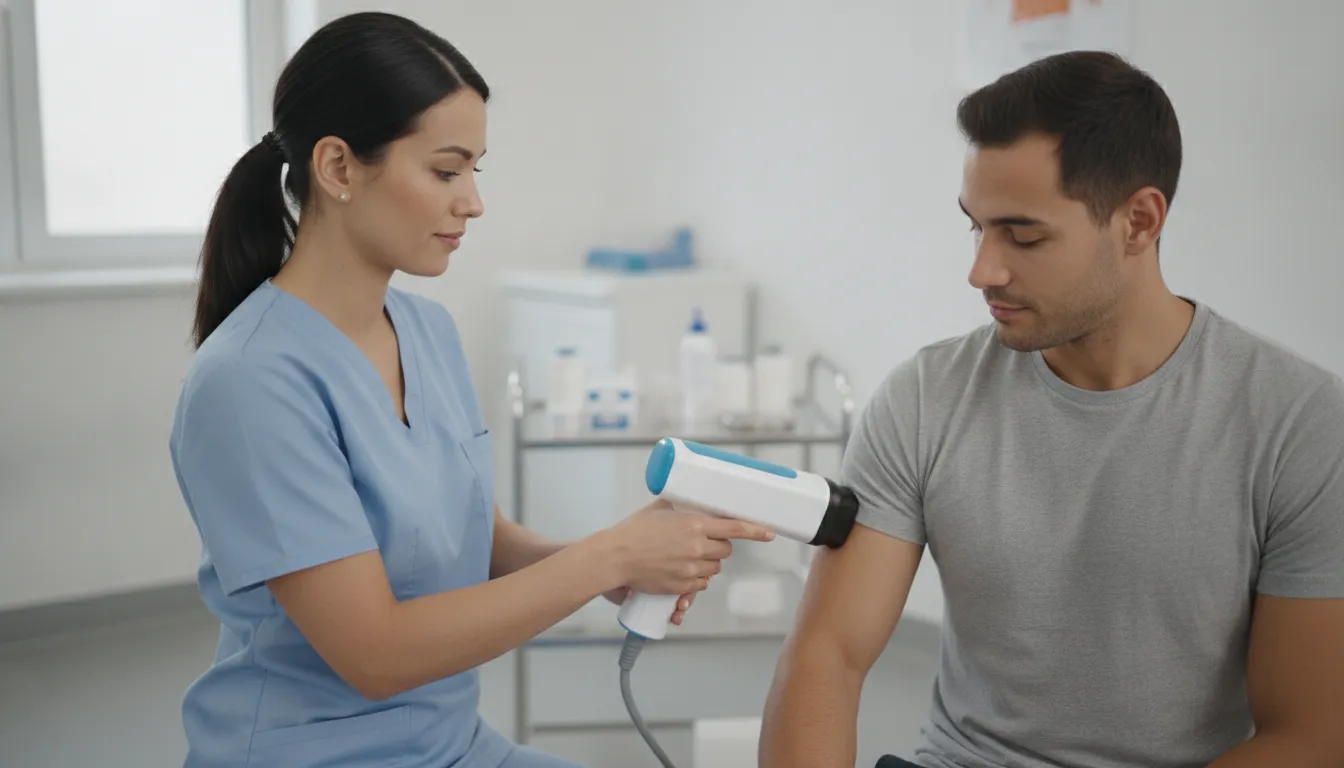
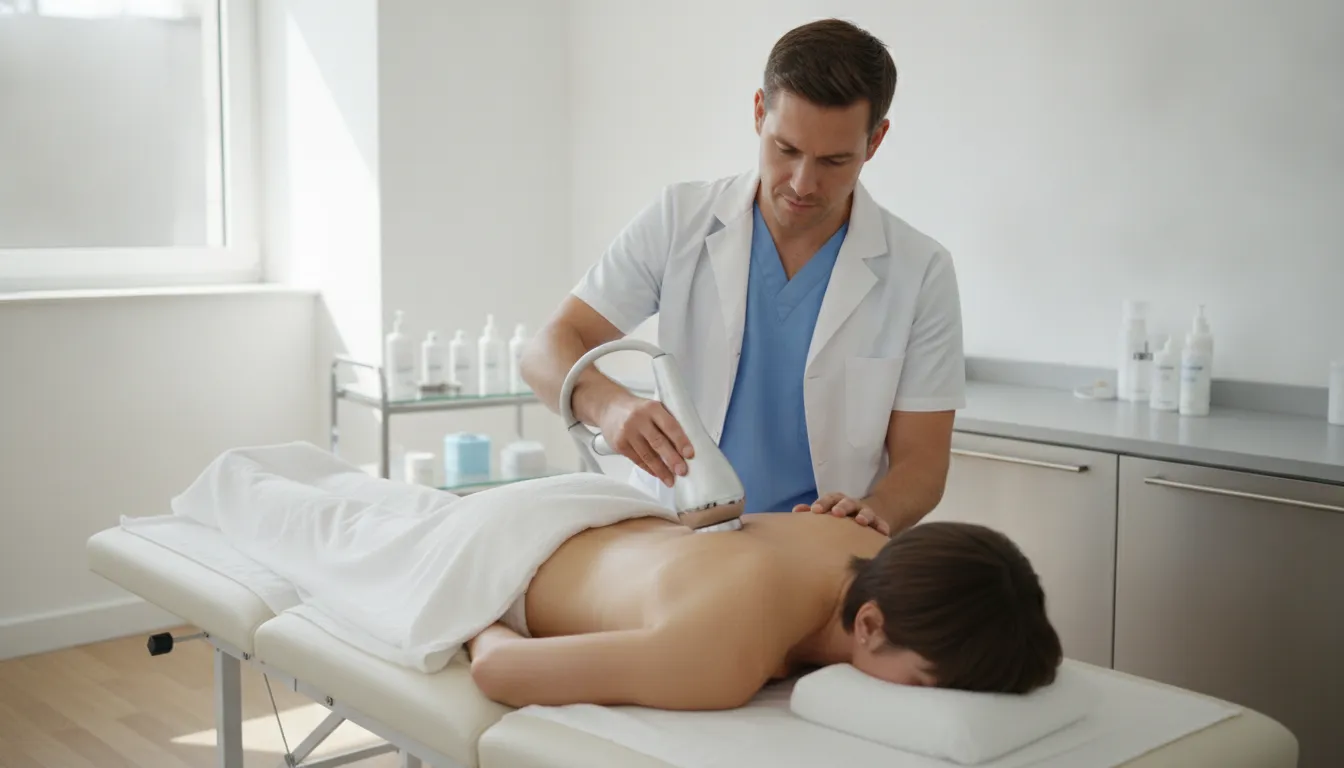
Shockwave therapy, or extracorporeal shockwave therapy (ESWT), is a non-invasive treatment that delivers short, high-energy shockwaves into injured or painful tissue. These shockwaves create rapid mechanical stress in the tissue, which can trigger biological responses involved in tissue regeneration, improved blood flow, and pain relief. It is widely used in musculoskeletal and regenerative medicine, especially when rest, medication, or manual therapy have not provided sufficient relief. Today, “shockwave therapy” is often used as an umbrella term, but not all devices deliver the same physics, depth, or treatment volume.
SoftWave represents a significant advancement in this field. While traditional shockwave devices like focused and radial devices have important clinical roles, SoftWave’s patented broad-focused technology allows providers to treat a larger, deeper biological region with consistent, well-tolerated energy.
This article distinguishes SoftWave from traditional shockwave modalities, summarizes key clinical evidence, and explains why many clinics are integrating broad-focused shockwaves into their practices.
What is SoftWave Therapy?
SoftWave uses electrohydraulic-generated true shockwaves delivered through a patented parabolic reflector. This unique geometry produces parallel shockwaves that travel across a wide activation zone, rather than converging at a small focal point or dispersing superficially.
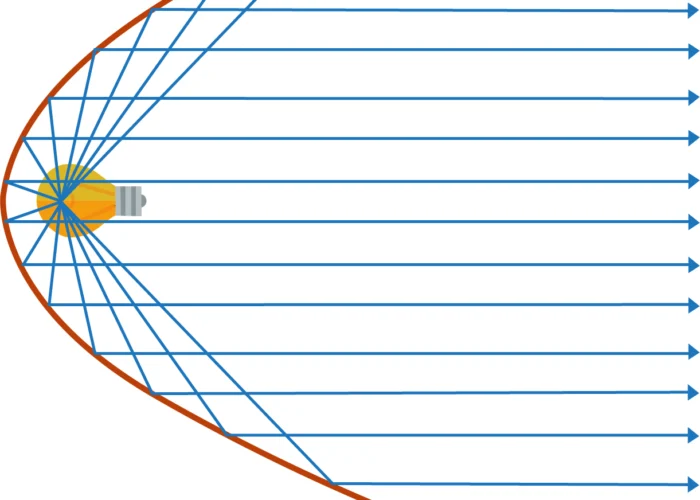
The result is a biologically active field approximately 7 cm wide and 12 cm deep, influencing superficial tissues, deeper musculature, fascia, and connective structures in a single treatment sweep.
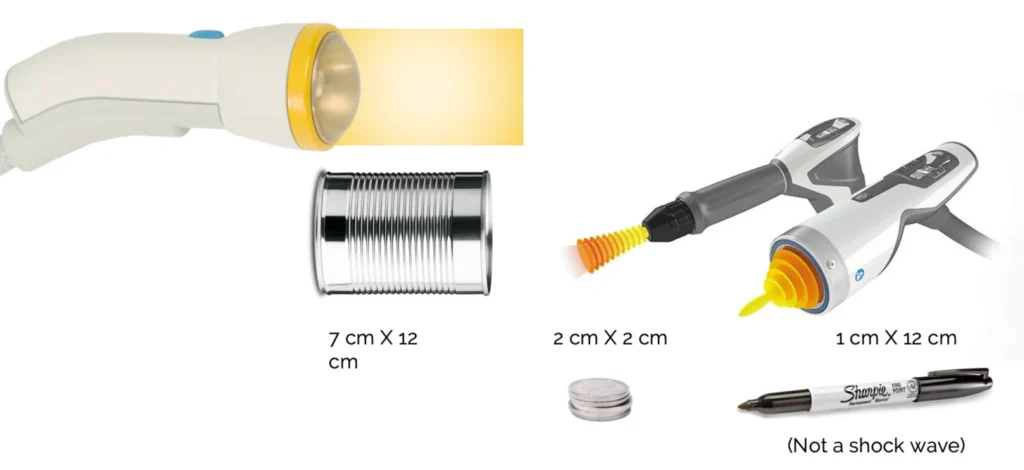
Unlike devices that require the provider to locate and repeatedly target a pinpoint lesion, SoftWave’s broader activation pattern supports treatment of complex or diffuse presentations, such as chronic tendinopathies, compensatory patterns, or multi-structure dysfunction.
SoftWave Mechanism of Action
SoftWave’s shockwaves initiate a cascade of regenerative events without causing microtrauma. These include:
- stimulation of angiogenesis
- modulation of chronic inflammatory signaling
- activation of dormant connective tissue cells
- increased perfusion
- enhanced tissue remodeling
Because SoftWave delivers consistent, low-intensity shockwaves across a larger volume of tissue, patients often experience meaningful tissue change with minimal discomfort.
FDA 510(k) Clearances
SoftWave holds multiple FDA 510(k) clearances, including:
- activation of connective tissue
- treatment of chronic diabetic foot ulcers
- treatment of acute second-degree burns
- temporary increase in blood flow
- relief of minor muscle aches and pains
These clearances distinguish SoftWave from Class I pressure-wave devices and align it with true medical-grade shockwave technology.
SoftWave vs. Traditional Shockwave
While both SoftWave and traditional shockwave therapies fall under ESWT, their clinical capabilities differ substantially due to differences in wave generation and energy distribution.
Focused Shockwave
Focused devices (electromagnetic or piezoelectric) concentrate energy at a small focal point. This is beneficial for discrete lesions such as calcifications or well-defined trigger points. However, the treatment zone is small, requires precision, and may be uncomfortable due to high local energy density.
Read more: What is Focused Shockwave Therapy
Radial Wave Devices
Radial devices generate mechanical pressure waves that disperse superficially. These tools are less intense, treat broader but shallower regions, and often require more sessions to achieve benefit. They are classified differently from true shockwave systems.
Read more: What is Radial Shockwave Therapy
SoftWave’s Broad-Focused Advantage
SoftWave therapy’s device produces a large, deep therapeutic field, making it valuable for conditions in which:
- pain is diffuse or multi-structured
- dysfunction involves both superficial and deep tissues
- vascularity, inflammation, or tissue quality need broad modulation
- patients require a comfortable, non-invasive treatment option
Clinicians often find that SoftWave allows them to treat underlying contributors, not just visible or palpable points of pain.
SoftWave Clinical Evidence Across Specialties
SoftWave and its legacy devices (OrthoGold, UroGold, DermaGold) have been evaluated across multiple medical disciplines. Below are just a few representative studies that illustrate how SoftWave’s broad-focused shockwave technology has been applied in different clinical settings.
Podiatry & Orthopedics
Electrohydraulic shockwave therapy has long been used in podiatry, particularly for chronic plantar fasciitis (Fansa et al., 2020). A clinical assessment involving 108 patients (119 heels) treated with the OrthoGold 100™ demonstrated significant reductions in pain and improved functional capacity following a series of weekly treatments. High patient satisfaction further supported the therapy’s value for stubborn heel pain that had not responded to conservative care.
Urology & Sexual Health
In a 2024 sham-controlled randomized trial, Goldstein et al. found significant improvements in erectile function and penile hemodynamics following low-intensity electrohydraulic shockwave therapy. The active treatment group demonstrated superior outcomes versus sham, underscoring the modality’s influence on vascular physiology in sexual health applications.
Dermatology, Burns & Wound Care
Ottomann et al., 2012 showed accelerated healing in superficial second-degree burns treated with shockwave therapy, with faster epithelialization compared to standard care. Wigley et al., 2022 reviewed multiple studies in wound and scar management, concluding that shockwave therapy supports improved healing dynamics and maintains a favorable safety profile. These findings highlight its utility as a non-invasive adjunct in acute and reconstructive care.
Lymphatic & Rehabilitative Medicine
Joos et al., 2020 documented reductions in limb volume and symptom severity in patients with late-stage breast cancer–related lymphedema following shockwave therapy. The study suggests a potential role for shockwaves in managing chronic edema and facilitating soft-tissue recovery in complex rehabilitative cases.
Why Clinics Choose SoftWave
Clinicians weigh three primary factors when evaluating technologies: technical capability, patient outcomes, and practice sustainability. SoftWave performs strongly in all three categories.
Advanced Technical Features
SoftWave is the only patented broad-focused electrohydraulic system on the market. Its parabolic reflector ensures stable, parallel shockwave delivery across a large volume of tissue, minimizing the need for pinpoint targeting.
The SmartTrode® electrode automatically adjusts energy delivery, maintaining consistent shockwave quality without the need for manual calibration or complex maintenance cycles. This distinguishes SoftWave from devices requiring frequent part replacements or meticulous daily upkeep.
Enhanced Patient Outcomes
SoftWave treatments are generally well tolerated, in part because broad-focused shockwaves distribute energy across a wider therapeutic field rather than concentrating it at a painful focal point. This design supports treatment of both superficial and deep tissues while avoiding the discomfort often associated with narrow focal devices.
Clinical use has shown that SoftWave’s non-invasive approach, its comfort profile, and its ability to activate connective tissue and modulate inflammation make it a practical option in musculoskeletal and regenerative care settings. Because no anesthesia or numbing agents are required, treatments are straightforward to perform and easily integrated into routine clinical workflows.
Clinical and Economic Benefits
SoftWave sessions are efficient, usually taking 10–15 minutes, and can be delegated to trained staff without compromising quality. With no consumables and predictable upkeep, the device integrates smoothly into cash-pay service models, often generating a strong return on investment once added to regular clinical workflow. For many practices, SoftWave becomes a consistently utilized and financially sustainable modality.
Training and Support
SoftWave technology is designed for ease of use in an office, clinic, or outpatient setting. SoftWave provides thorough onboarding, condition-specific protocols, and ongoing education to ensure clinics implement the technology effectively. Its intuitive interface and minimal maintenance requirements make it easy to integrate into orthopedic, podiatric, rehabilitation, or multidisciplinary settings.
U.S.-based service and support ensure clinicians have timely assistance when needed.
Advance Patient Care with SoftWaveTRT
The adoption of advanced modalities like SoftWave represents a meaningful step forward in modern patient care. Its broad-focused energy field allows clinicians across orthopedics, podiatry, sports medicine, physical therapy, urology, and wound care to influence larger therapeutic regions with a single device. By supporting tissue regeneration, modulating inflammation, and promoting pain relief, SoftWave offers a versatile, well-tolerated option for patients who have not achieved results through conventional care.
For clinics, integrating SoftWave brings state-of-the-art treatment capabilities, enhances patient experience, and strengthens practice reputation. It allows providers to offer a non-invasive, evidence-informed solution that aligns with today’s demand for effective and regenerative approaches.
Become a SoftWave Provider Today. Elevate your practice with the only patented broad-focused electrohydraulic shockwave technology.
SoftWave vs Shockwave – Frequently Asked Questions
Is SoftWave a type of shockwave therapy?
Yes. SoftWave is a form of extracorporeal shockwave therapy (ESWT). It uses electrohydraulic-generated true shockwaves that are redirected through a patented parabolic reflector. This design creates a broad-focused treatment field rather than a small focal point or purely superficial effect.
What is the difference between SoftWave and traditional shockwave therapy?
Traditional shockwave devices are typically either focused or radial. Focused systems concentrate energy at a specific point in deeper tissue, while radial devices deliver more superficial pressure waves. SoftWave is broad-focused: it spreads true shockwaves across a wider and deeper biological region, allowing clinicians to engage multiple tissue layers in a single treatment zone with well-tolerated energy.
Is SoftWave better than regular shockwave therapy?
“Better” depends on the clinical scenario. Focused and radial devices still have important roles, especially for small, well-defined lesions or very superficial complaints. Many clinicians prefer SoftWave when they need to influence a larger or deeper area, such as diffuse pain patterns, multi-structure involvement, or cases where patient comfort and tolerability are key. Its broad-focused field and electrohydraulic design give it a different clinical profile rather than simply replacing other technologies.
Is SoftWave still considered ESWT if it is broad-focused?
Yes. SoftWave delivers true extracorporeal shockwaves; what differs is the way those shockwaves are shaped and distributed in tissue. Broad-focused SoftWave maintains the defining characteristics of shockwaves while treating a larger therapeutic volume per pulse.