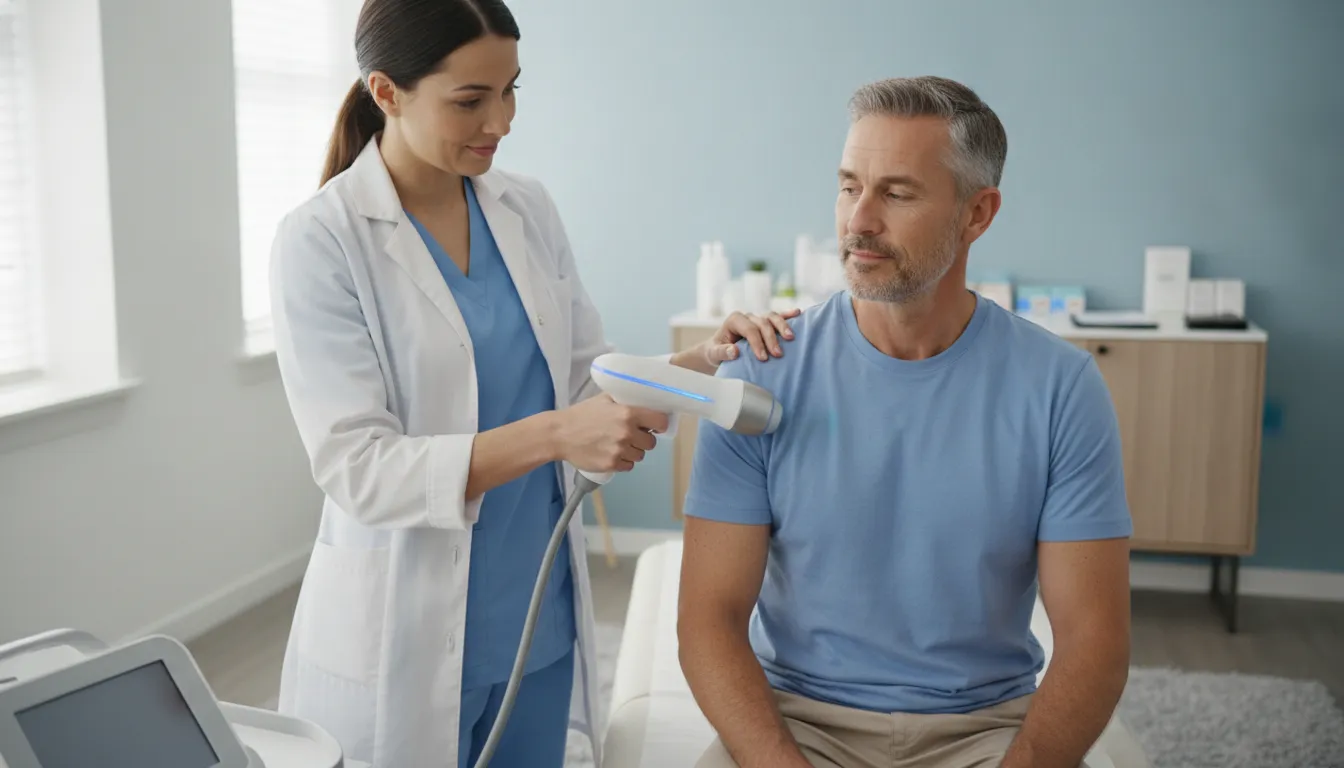
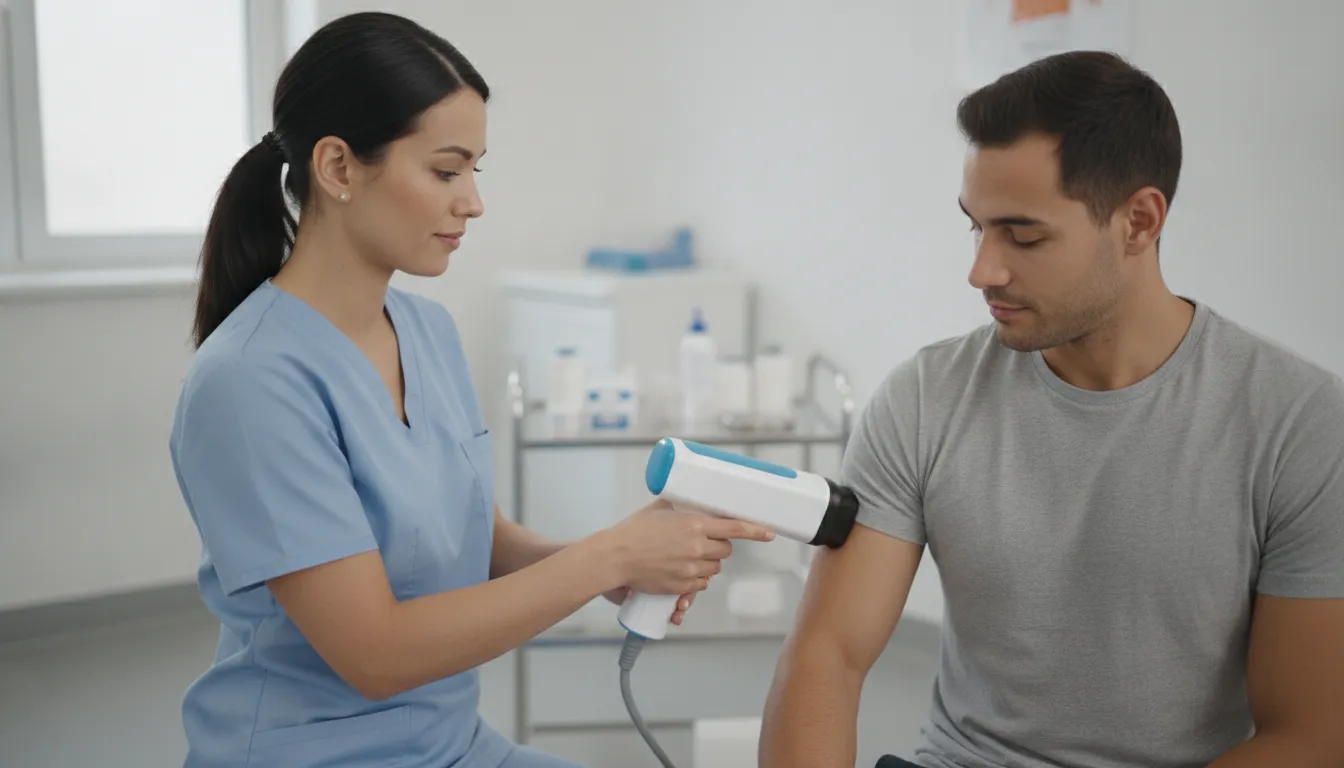
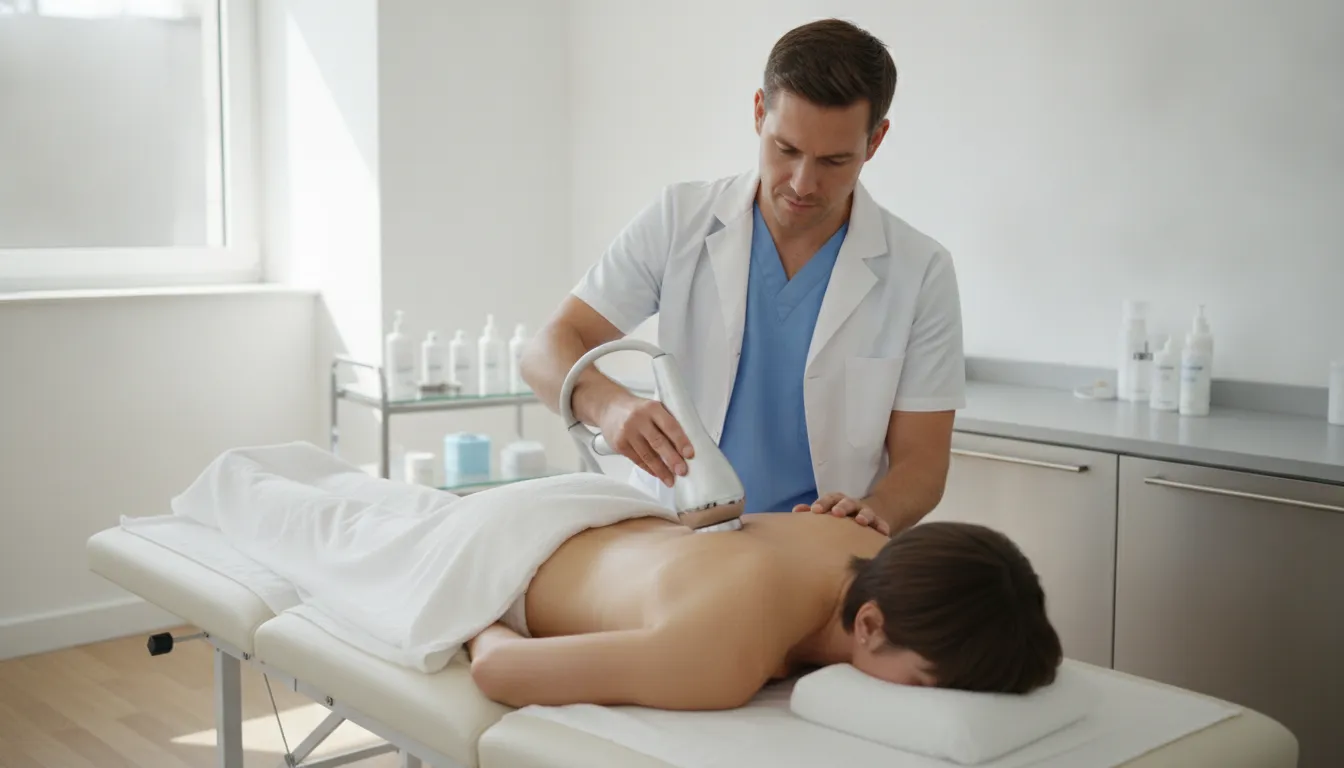
Pain can affect nearly every part of daily life, from walking and exercising to sleeping and working. When medication, rest, or standard rehabilitation has not provided enough relief, some patients ask about soft wave therapy. SoftWave Tissue Regeneration Technology uses electrohydraulic acoustic energy to create controlled mechanical forces in targeted tissue. A trained provider applies the treatment through the skin, without surgery or needles. The goal is to support the body’s natural healing response while helping patients work toward better comfort and function. This treatment may complement physical therapy, wound care, or orthopedic rehabilitation, but it does not replace diagnosis or medically necessary care. Learn how it works and what to discuss with a qualified provider.
Key Takeaways
- SoftWave TRT is a non-invasive treatment option: Acoustic wave therapy may support pain relief, mobility, and tissue healing for certain conditions, but results differ from person to person.
- Start with a qualified clinical assessment: Confirm the diagnosis, review safety factors, discuss alternatives, and ask how the proposed treatment relates to evidence for your condition.
- Set clear expectations before treatment: Understand the recommended sessions, possible short-term effects, progress measures, total cost, and insurance or payment requirements.
What Is SoftWave Therapy, and How Does It Work?
SoftWave Therapy is a non-invasive treatment that uses acoustic shock waves to deliver mechanical energy to targeted tissue. SoftWave calls its platform SoftWave Tissue Regeneration Technology, or SoftWave TRT. During a session, a trained provider places the applicator against the skin over an area affected by pain, reduced mobility, or tissue damage. The treatment does not require an incision, injection, anesthesia, or prescription medication.
Unlike a diagnostic ultrasound exam, SoftWave Therapy is designed to create controlled physical forces in the body. These forces may influence how cells communicate, how blood moves through local tissue, and how the body responds to an injury. The intended goal is to support the body’s natural healing process. Results can vary based on the condition, its severity, treatment settings, and the patient’s overall health. You can learn more about the company’s explanation of SoftWave technology.
SoftWave Therapy belongs to the broader category of extracorporeal shockwave therapy, often called ESWT. “Extracorporeal” means the energy is generated outside the body. A provider applies water-based gel to the skin, places the applicator over the treatment area, and delivers acoustic waves through the tissue. Sessions are usually brief, but the number of visits depends on the condition and the provider’s treatment plan.
It is important to distinguish proposed biological effects from guaranteed results. Some patients report less pain or better function after treatment, while others experience limited improvement or need additional care. Treatment should begin with an appropriate diagnosis and a discussion of other evidence-based options, particularly when symptoms could indicate a fracture, infection, nerve problem, or another condition requiring different care.
How SoftWave Tissue Regeneration Technology Works
SoftWave TRT uses electrohydraulic shock waves that travel through the skin and into underlying tissue. During treatment, the provider moves the applicator across the selected area and adjusts the location, intensity, and number of pulses according to the clinical goal. The energy is intended to reach a broad treatment zone instead of a single pinpoint location.
The approach is designed to support natural healing without surgery or medication. It does not repair every type of injury, however, and it cannot replace diagnosis, rehabilitation, wound care, or surgery when those options are medically necessary. Your provider should explain what the treatment is intended to address and how progress will be measured. SoftWave outlines its musculoskeletal applications by condition and treatment area.
How Electrohydraulic Acoustic Energy Creates Shock Waves
SoftWave says its device creates acoustic energy through a spark-initiated electrohydraulic process. In simple terms, an electrical spark produces a rapid pressure change in water, generating a shock wave. A specialized applicator then directs that energy toward the treatment area.
A patented parabolic reflector shapes and distributes the wave in what SoftWave describes as a broad, parallel pattern. This design aims to cover a wider area of tissue while delivering energy at depth. The experience is different from an electrical current passing through the body and from the low-intensity sound used in routine imaging.
Treatment response can vary with tissue depth, body region, device settings, and provider technique. SoftWave’s device information explains the platform, but patients should ask how the technology applies to their specific diagnosis rather than assume that one protocol fits every condition.
How Mechanotransduction Supports Blood Flow and Cell Signaling
Shock waves create mechanical forces as they pass through tissue. Cells can sense these forces and convert them into chemical signals, a process called mechanotransduction. These signals may affect processes related to inflammation, connective tissue activity, and local circulation.
SoftWave describes these effects as potentially supporting blood flow, cell communication, connective tissue activation, and the body’s repair response. Research also examines whether mechanical stimulation can influence new blood vessel formation and the activity of cells involved in tissue healing. SoftWave’s FAQ on TRT provides more information about these proposed mechanisms.
Mechanotransduction describes a biological pathway, not a guaranteed clinical outcome. A change in cell signaling does not automatically mean a tendon will heal, pain will disappear, or a wound will close. Results depend on the underlying condition, blood supply, metabolic health, activity level, and other treatments used alongside SoftWave Therapy.
How SoftWave TRT Differs From Radial and Focused Shockwave Therapy
Shockwave devices are not all designed in the same way. Radial systems generally send pressure waves outward from an applicator, with more energy concentrated closer to the skin. Focused systems direct energy toward a smaller target at a selected depth. SoftWave characterizes its TRT platform as broad-focused, meaning its treatment pattern is intended to cover a wider area while reaching deeper tissue.
SoftWave also uses an electrohydraulic energy source rather than pneumatic, electromagnetic, or piezoelectric technology. The company states that this combination may provide broad tissue coverage and a comfortable treatment experience. These comparisons require context, because device design, treatment settings, provider technique, and patient selection can all affect results. The label “radial” or “focused” does not determine which option is best for a particular patient.
Ask your provider why a specific device and protocol fit your diagnosis. Reviewing SoftWave’s comparison of shockwave options can help you prepare questions, but it should not replace an individualized clinical assessment.
What FDA Clearance Covers
SoftWave states that its technology has FDA 510(k) clearance for specific uses, including temporary increases in local blood circulation, relief of minor muscle aches and pains, activation of connective tissue, chronic diabetic foot ulcers, and superficial partial-thickness second-degree burns. These indications describe the cleared uses for the device. They should not be interpreted as clearance for every pain condition or regenerative claim.
FDA clearance is different from FDA approval. In general, 510(k) clearance means the FDA determined that a device is substantially equivalent to a legally marketed device for its intended use. It does not mean the agency guarantees that every patient will improve or validates every statement made about a treatment.
Patients and providers can review SoftWave’s listed indications and safety information and ask which cleared use applies to their situation. For wounds, burns, and other specialized applications, treatment should be part of appropriate medical evaluation and standard care.
What SoftWave Therapy Can and Cannot Promise
SoftWave Therapy may help some people experience less pain, improved movement, or better function. It may also have a role in selected tissue-healing plans when a provider identifies an appropriate condition and uses a protocol supported by available evidence. Conditions commonly discussed in connection with shockwave therapy include plantar fasciitis, tendinopathy, and certain chronic musculoskeletal complaints.
No responsible provider can promise a specific result, a fixed number of sessions, or permanent recovery. SoftWave cannot diagnose the source of pain, reverse every injury, or replace urgent medical care. It may also be inappropriate for some patients, including those with health risks that require additional screening.
Before treatment, ask what outcome the provider expects, when progress will be assessed, and what will happen if symptoms do not improve. A complete plan may include exercise therapy, activity changes, wound management, medication, imaging, or referral to another specialist. SoftWave’s specialty applications show how the technology is used across clinical fields, but the right treatment depends on the diagnosis and the patient’s complete medical history.
Which Conditions May SoftWave Therapy Help?
SoftWave Therapy may be considered for a range of musculoskeletal and soft-tissue concerns, including tendon pain, joint discomfort, muscle strains, ligament injuries, chronic wounds, and selected postsurgical conditions. Providers may use it in orthopedic care, physical therapy, sports medicine, podiatry, wound care, regenerative medicine, and urology. SoftWave’s musculoskeletal applications outline several treatment areas where providers may use the technology.
The word “may” matters. SoftWave Therapy is not appropriate for every diagnosis, and results can vary between patients. Pain can also come from different conditions that require different treatment. A healthcare professional should evaluate your symptoms, confirm the diagnosis, review your medical history, and determine whether SoftWave fits your care plan.
Treatment decisions should also account for symptom duration, injury severity, prior care, medications, activity level, and healing goals. For wounds, postsurgical concerns, severe pain, sudden swelling, or unexplained symptoms, medical evaluation should come first. SoftWave may form one part of care, but it does not replace rehabilitation, wound management, surgery when necessary, or treatment for an underlying medical condition.
Tendinopathy, Plantar Fasciitis, and Tendon Injuries
Tendinopathy describes pain and structural changes in a tendon, often related to repeated loading, sports, work, or gradual wear. Common examples include Achilles tendinopathy, patellar tendinopathy, tennis elbow, and rotator cuff tendon problems. Plantar fasciitis affects tissue along the bottom of the foot and commonly causes heel pain during the first steps after rest.
SoftWave Therapy may be included in care for persistent tendon or plantar fascia symptoms, especially when activity changes, therapeutic exercise, and other conservative measures have not provided enough improvement. A provider may pair treatment with physical therapy applications that address strength, flexibility, movement, and load management.
Diagnosis remains important. Heel pain may result from nerve irritation, a stress injury, or another condition rather than plantar fasciitis. Tendon pain may also involve a partial tear or significant degeneration requiring a different plan.
Knee, Hip, Shoulder, Elbow, and Other Joint Pain
Pain around the knee, hip, shoulder, elbow, ankle, or another joint may involve muscles, tendons, ligaments, bursae, cartilage, nerves, or the joint itself. SoftWave Therapy may be considered when a provider identifies a condition that could reasonably fit within a non-invasive treatment plan. SoftWave describes applications for several musculoskeletal concerns through its tissue regeneration technology.
A careful evaluation may include range of motion, strength, swelling, stability, nerve symptoms, and the events that preceded the pain. Imaging or additional testing may be appropriate when a clinician suspects a fracture, infection, major tear, or other structural problem.
For some patients, the goal is to reduce discomfort enough to participate more fully in rehabilitation. Others may focus on function, movement, or tissue recovery. Ask which outcome the provider will measure, such as walking tolerance, strength, pain during movement, or joint function.
Muscle Strains, Ligament Injuries, and Soft-Tissue Conditions
Muscle strains and ligament injuries can range from mild overstretching to significant tears. Other soft-tissue concerns may include overuse injuries, localized inflammation, scar tissue, and pain after a change in activity. SoftWave Therapy may be included in care for selected injuries after a provider determines that non-invasive treatment is appropriate.
Timing matters. Marked swelling, instability, deformity, bruising, or sudden loss of function may require prompt assessment before any device-based treatment. A clinician can determine whether imaging, bracing, rest, or another intervention should come first.
When appropriate, SoftWave may accompany progressive rehabilitation. That plan could include controlled loading, strengthening, balance work, manual therapy, or a gradual return to activity. The treatment does not replace these steps. Ask whether the goal is symptom relief, improved function, tissue healing, or support during rehabilitation, and how progress will be monitored between sessions.
Chronic Pain, Repetitive-Use Injuries, and Limited Mobility
Persistent pain can follow an injury, surgery, repeated activity, or changes in movement. Repetitive-use concerns may affect athletes, workers, musicians, and anyone whose routine places repeated stress on one area. Limited mobility can contribute to weakness, guarded movement, and difficulty with everyday activities.
SoftWave Therapy may be considered when a provider identifies a treatable musculoskeletal condition and wants to add a non-invasive option to the care plan. Some patients ask about it after medication, injections, or rehabilitation have not provided enough relief. That history is relevant, but it does not guarantee that SoftWave will work when another treatment has not.
A useful evaluation looks beyond pain intensity. Providers may track walking distance, sleep, lifting ability, range of motion, work tolerance, or exercise participation. Recovery may also depend on workload, sleep, strength, previous injuries, and other health conditions. A plan that combines symptom management with gradual movement is generally more informative than relying on one treatment alone.
Sports Medicine, Orthopedic Rehabilitation, and Postsurgical Care
Athletes may encounter SoftWave Therapy during care for tendon problems, muscle strains, ligament injuries, joint pain, or other sports-related concerns. Providers may also use it alongside orthopedic rehabilitation to manage symptoms and support a gradual return to activity. SoftWave’s specialty applications include sports medicine, orthopedic care, and physical therapy.
Postsurgical treatment requires additional caution. The procedure, stage of healing, incision status, implanted materials, and surgeon’s instructions all affect whether treatment is appropriate. SoftWave should not replace postoperative follow-up or override activity restrictions. The surgeon or another qualified provider should coordinate additional treatment.
For athletes, progress should involve more than reduced pain. Useful measures may include strength, movement quality, sport-specific tasks, training tolerance, and the ability to complete rehabilitation without a flare-up. A return-to-play decision should reflect objective progress and medical guidance, not a preset number of sessions or pain relief alone.
Wounds, Ulcers, and Tissue Healing
SoftWave Therapy may be used in certain wound-care settings, including care for selected chronic wounds and ulcers. Broader research on extracorporeal shockwave therapy has examined tissue repair and healing in different wound types. However, findings from one device, protocol, or patient group do not automatically apply to every SoftWave treatment. A systematic review of wound-healing research offers useful context.
Wound treatment requires clinical oversight. Before considering SoftWave, a provider should assess the wound’s cause, depth, circulation, infection status, pressure or friction, blood glucose control, nutrition, and other healing factors. Treatment may accompany wound cleansing, dressings, pressure relief, vascular care, or infection management.
Seek prompt medical attention for spreading redness, increasing warmth, foul drainage, fever, rapidly worsening pain, blackened tissue, or other signs of serious infection or damage. SoftWave is not a substitute for urgent wound care. The treating team should explain how healing will be documented and when the plan will change if progress is limited.
Podiatry, Physical Therapy, Regenerative Medicine, and Urology
SoftWave Therapy is used by providers in several specialties, including podiatry, physical therapy, regenerative medicine, sports medicine, wound care, and urology. A podiatrist may consider it for selected foot and ankle concerns, such as plantar fasciitis or tendon-related pain. A physical therapist may incorporate it into a program focused on strength, movement, function, and a safe return to activity.
Regenerative medicine practices may use SoftWave as one part of a broader plan. However, the term “regenerative” does not mean that every condition will regenerate or fully resolve. Ask what outcome the provider expects and what evidence supports that specific application. SoftWave’s discipline information describes specialties that may use the technology.
Urology applications require specialized evaluation and counseling. Urinary or sexual symptoms can have vascular, hormonal, medication-related, neurologic, or structural causes. A qualified urology provider should establish the diagnosis and explain available options. Be cautious of claims that promise one treatment will work for every patient.
Why Diagnosis and Condition-Specific Evidence Matter
The same symptom can result from different conditions, and each may respond differently to treatment. Shoulder pain, for example, could involve tendinopathy, bursitis, arthritis, instability, nerve irritation, or a tear. Treating the painful area without identifying the cause may delay appropriate care.
Evidence also needs to match the treatment being offered. Research on extracorporeal shockwave therapy may involve a different device, energy level, treatment schedule, patient group, or outcome measure than the protocol used at a particular clinic. Broader findings can inform a discussion, but they do not prove that every SoftWave treatment will produce the same result.
Before starting care, ask the provider to explain the diagnosis, why SoftWave is being considered, expected benefits, possible risks, alternatives, and the plan for measuring progress. SoftWave describes its technology as FDA cleared, but clearance does not guarantee a specific outcome for every patient or application. A careful decision connects the diagnosis with relevant evidence and a complete treatment plan.
What Does the Evidence Say About SoftWave Therapy?
Research on SoftWave Therapy deserves a careful, condition-specific review. SoftWave Tissue Regeneration Technology is a form of extracorporeal shock wave therapy, but studies of one device, treatment setting, or diagnosis do not automatically apply to every other protocol. Results may differ based on the condition, energy delivered, number of sessions, treatment area, and the patient’s overall health.
SoftWave’s research library includes clinical and scientific resources related to its technology and applications. These materials can help providers understand how the platform has been studied, but they should be considered alongside independent research, clinical guidelines, and a complete patient evaluation. FDA clearance describes a device’s permitted use. It does not guarantee a specific result for every patient.
Review SoftWave-Specific Studies and Research Libraries
Start with research that evaluates SoftWave TRT directly. SoftWave’s technology overview describes its electrohydraulic acoustic wave system and how it is designed to deliver energy to tissue. The company also provides research resources covering musculoskeletal care, wound care, and other specialty applications.
Look beyond the study headline. Check the condition researchers examined, the number of participants, the comparison group, the treatment protocol, and the follow-up period. A case report or case series may identify promising outcomes, but it cannot establish effectiveness as strongly as a well-designed randomized controlled trial.
It is also helpful to distinguish company-sponsored research from independent research. Industry support does not automatically make a study unreliable, but funding and methods should be clearly reported. Providers can use available findings to guide patient conversations without making claims that extend beyond the population or protocol studied.
Understand Broader Extracorporeal Shockwave Therapy Research
Research on extracorporeal shock wave therapy, or ESWT, offers useful context when SoftWave-specific evidence is limited. Studies have examined conditions such as plantar fasciitis, tendinopathy, calcific shoulder problems, chronic wounds, and other musculoskeletal disorders. However, ESWT includes different devices, wave-delivery methods, energy levels, and treatment protocols.
A systematic review of shock wave therapy for soft-tissue wounds found potential benefits compared with conventional wound care, while also identifying limitations in the available evidence. You can review the wound-care meta-analysis to see how researchers assessed effectiveness, safety, and study quality.
These findings suggest that acoustic wave therapies may have value for selected conditions, but they do not prove that SoftWave will produce identical outcomes. The most accurate interpretation is that related therapies show potential, while SoftWave should be evaluated through its own clinical data and patient outcomes.
Examine Systematic Reviews and Randomized Trials
Systematic reviews collect and assess findings from multiple studies, offering a broader view than a single trial. Randomized controlled trials are especially useful because participants are assigned to different treatment groups. This design helps researchers compare outcomes while reducing some sources of bias.
A review is only as strong as the studies it includes. Researchers may find major differences in device type, treatment dose, follow-up period, outcome measures, and patient characteristics. These differences can make results difficult to combine and may explain why findings vary between studies.
When reading a review, check the number of participants, quality of the included trials, size of the reported benefit, and whether researchers tracked adverse events. Statistical significance does not always mean a patient experienced a meaningful improvement in daily life. Resources such as the Cochrane Library’s ESWT reviews can help readers examine both findings and limitations.
Review Evidence for Plantar Fasciitis, Tendinopathy, Joint Pain, and Wound Healing
ESWT research has explored several conditions that affect movement and function. Plantar fasciitis and certain tendinopathies have received substantial attention, with studies often measuring pain, walking ability, activity levels, and function. Results are not consistent across every study, but some patients may improve when shock wave therapy is part of a broader care plan.
Research has also examined joint pain, muscle and ligament injuries, and chronic wounds. Wound-care studies may measure closure rates, wound size, infection, and tissue quality. Orthopedic studies may focus on pain scores, strength, range of motion, and functional ability. These outcomes are not interchangeable. A change in pain does not necessarily confirm structural repair, and wound healing may require several additional treatments.
Providers should match the available evidence to the diagnosis. SoftWave’s musculoskeletal applications describe areas in which the technology may be used, but each treatment plan still requires diagnosis, screening, and clinical judgment.
Understand Why Broader ESWT Findings May Not Apply to Every SoftWave Protocol
Shock wave therapy protocols can differ in several important ways. Devices may deliver focused, radial, or unfocused acoustic waves. They may also use different energy levels, pulse rates, applicators, treatment areas, and session schedules. Patient positioning and provider technique can affect how energy reaches the target tissue.
For this reason, a study involving one ESWT device should not be presented as direct evidence for every SoftWave treatment. Even when two studies examine the same diagnosis, their results may differ because the treatment dose, patient population, or outcome measures were not the same.
SoftWave describes TRT as a non-invasive acoustic wave technology used across multiple specialties. Its device information can help providers review available systems and intended applications. Patients should ask which evidence supports the specific device and protocol being recommended, rather than relying only on the general term “shock wave therapy.”
See How Settings, Treatment Dose, and Outcomes Affect Results
Treatment dose involves more than the number of appointments. It may include energy level, pulse count, treatment frequency, applicator selection, session spacing, and treatment-area size. A protocol for a localized tendon problem may differ from one used for a larger region or a wound-care application.
Outcomes also need clear definitions. Pain scores can show symptom changes, but providers may also track range of motion, strength, walking tolerance, return to activity, wound dimensions, or validated function questionnaires. Recording the same measures before and after treatment creates a more useful basis for judging progress.
Timing matters too. Some patients notice changes during a treatment series, while tissue remodeling and functional improvements may take longer. SoftWave’s explanation of SoftWave and shock wave therapy notes that responses vary by condition and patient. A provider should explain when reassessment will occur and what findings would change the care plan.
Assess Study Quality, Follow-Up, and Adverse-Event Reporting
A credible study gives readers enough information to understand what happened. Important details include a defined patient population, clear treatment protocol, appropriate comparison group, meaningful outcome measures, and follow-up long enough to show whether improvements lasted.
Safety reporting deserves equal attention. Studies should describe discomfort, redness, swelling, bruising, temporary soreness, and any serious events. They should also report how many participants completed treatment and whether anyone stopped because of side effects.
Short follow-up periods can make a therapy appear more effective than it is over time. Small studies may also miss uncommon adverse events. The wound-care meta-analysis cited earlier found potential benefits while calling for larger, better-controlled randomized trials. Encouraging results can support continued research, but they do not replace careful screening, informed consent, and patient monitoring.
Compare Reported Benefits With Proven Outcomes
Patients may hear that SoftWave Therapy can reduce pain, improve mobility, support tissue healing, and help them return to activity. These are appropriate areas for discussion, but they should be tied to measurable outcomes and evidence for the specific condition.
For example, a patient with plantar fasciitis might track morning pain, walking distance, and tolerance for standing. Someone recovering from a tendon injury might monitor strength, range of motion, and a gradual return to exercise. In wound care, a provider may measure wound size, drainage, tissue appearance, and healing progression.
Patient testimonials can describe personal experiences, but they cannot replace controlled research. Improvement may result from several factors, including rehabilitation, activity changes, natural recovery, or other treatments provided at the same time. A responsible provider acknowledges reported benefits while explaining what is established, what remains uncertain, and how progress will be measured.
Understand What Current Research Can and Cannot Establish
Current evidence may support SoftWave Therapy as a non-invasive option for selected patients and clinical applications. It does not establish that the therapy works for every diagnosis, replaces surgery in every situation, or produces the same result for every person. An FDA clearance and positive testimonials alone cannot confirm a specific outcome.
Research can answer practical questions, including whether a treatment has been studied for a particular condition, how outcomes were measured, how long benefits lasted, and which side effects were reported. It can also show where evidence remains limited or inconsistent.
A condition-specific conversation with a qualified provider can help put the research into context. Review the diagnosis, treatment goal, supporting evidence, alternatives, expected timeline, and follow-up plan. SoftWave’s specialty applications provide information for different clinical fields, while a provider’s evaluation determines whether the technology fits the individual patient.
What Happens During a SoftWave Therapy Session?
A SoftWave therapy session is designed to be straightforward and non-invasive, but the exact process depends on your diagnosis, treatment area, symptoms, and provider’s clinical judgment. SoftWave Tissue Regeneration Technology uses acoustic energy delivered through a handheld applicator. The provider places the applicator over selected areas of the body as part of care for musculoskeletal conditions and other specialty applications.
Before treatment begins, your provider should explain what the therapy is intended to address, how the session may feel, and how it fits into your broader care plan. SoftWave’s technology overview explains how the platform is used, but it does not replace an individualized medical evaluation. Ask questions before consenting, especially if you have another health condition, take prescription medication, or are receiving care for a wound or postsurgical problem.
Complete an Evaluation, Diagnosis, and Informed Consent
Your appointment should begin with an evaluation, not simply the application of acoustic energy to a painful area. The provider may ask when your symptoms started, what makes them better or worse, and how they affect movement, work, exercise, or sleep. They may also assess your range of motion, strength, gait, swelling, tenderness, and other signs related to your condition.
A clear diagnosis helps the provider select the treatment area and set realistic goals. Pain can come from several sources, and the area that hurts is not always the only area that requires attention. Your evaluation may include imaging, previous diagnoses, or other clinical findings.
Before treatment, the provider should discuss the intended benefits, possible short-term effects, alternatives, and uncertainties. SoftWave’s musculoskeletal applications describe conditions for which providers may use the technology, but the treating professional must decide whether it fits your situation.
Review Medical History, Medications, and Treatment-Area Risks
Tell your provider about current and past health conditions, surgeries, injuries, allergies, medications, and supplements. Be especially clear about medicines that affect bleeding or clotting, immune-system conditions, pregnancy, cancer, active infections, and unexplained swelling or wounds. These details may affect whether treatment is suitable, how it should be delivered, or whether another evaluation should happen first.
Your provider should also ask about implanted devices or hardware and examine the proposed treatment area. A non-invasive procedure is not automatically appropriate for every person or body part. The provider should explain any condition-specific precautions and give you an opportunity to raise concerns.
If you are receiving care for a wound, ulcer, postsurgical problem, or urologic condition, expect more specialized questions and follow-up. SoftWave lists specialty applications across several clinical fields, but your provider should explain the protocol, risks, and goals that apply to your case.
Prepare the Skin With Water-Based Gel
Before treatment, the provider typically exposes and cleans the area being treated. They then apply a water-based gel to the skin. The gel helps the applicator move smoothly and supports the transfer of acoustic energy between the device and the treatment area.
You may be asked to remove clothing, jewelry, lotions, or other items that interfere with access to the skin. Comfortable clothing can make the appointment easier, particularly when the provider needs to treat a joint, limb, or larger area. If you are receiving care for a wound or sensitive body part, ask how the area will be protected.
The gel itself should not usually cause a strong sensation. Tell your provider if you notice burning, irritation, or an unexpected reaction. SoftWave’s device information describes the handheld applicator, while the provider determines how and where to use it during your appointment.
Experience a Typical 10- to 15-Minute Treatment
A treatment application may take about 10 to 15 minutes, although the full appointment can last longer. Your visit may include an evaluation, preparation, questions, treatment, and post-session instructions. Session length can vary based on the size of the treatment area, the condition being addressed, and the provider’s protocol.
During treatment, the provider moves the applicator across selected areas rather than leaving it in one position. They may ask what you are feeling and adjust the location, pressure, or settings for comfort and clinical goals. Good communication allows the provider to respond to tenderness or sensitivity as it occurs.
The treatment time is only one part of the care plan. A short appointment does not mean the condition will resolve immediately, and a longer appointment is not automatically more effective. Ask how progress will be assessed and what exercises, activity changes, or other care you should complete between sessions.
Expect Tapping, Pulsing, Warmth, and Sensitivity
Many patients describe the sensation as tapping, pulsing, vibration, or pressure. You may also notice warmth or sensitivity over areas that are already tender. The experience can change as the applicator moves across different tissues, and some spots may feel more sensitive than others.
A tolerable sensation may be expected, but severe or sharp pain should not be ignored. Tell your provider if the treatment becomes uncomfortable, if the intensity feels too high, or if you experience unusual symptoms. The provider may pause, change the treatment area, or adjust the approach.
Your experience can depend on the condition being treated, the tissue involved, and your individual sensitivity. Do not judge the treatment solely by how intense it feels. More discomfort does not necessarily indicate a better response, and you should not feel pressured to tolerate significant pain to complete a session.
Learn Why Treatment Usually Requires No Anesthesia, Incisions, or Extended Downtime
SoftWave therapy is delivered through the skin, so it does not involve an incision or the insertion of a needle into the treatment area. It is generally provided without anesthesia, and many patients return to routine activities after the appointment. This may make it a practical option within a broader plan that includes rehabilitation, exercise, or other conservative care.
However, non-invasive does not mean risk-free or appropriate for everyone. Temporary tenderness, redness, or soreness may occur after treatment, particularly when the area is already irritated. Your provider should explain which effects are expected for your condition and when you should ask for help.
The SoftWave technology overview describes the platform as non-invasive acoustic therapy. Your provider should still give you individualized activity instructions, especially if you are recovering from an injury, surgery, or wound.
Follow the Recommended Three- to Six-Session Schedule
Providers often recommend a series of treatments rather than one appointment. A commonly cited plan includes three to six sessions, but the appropriate number depends on your diagnosis, symptom duration, treatment goals, response to care, and overall treatment plan. Some patients may need a different schedule, while others may not benefit from continuing if progress is limited.
Ask how often appointments should occur and when your provider expects to reassess you. A useful plan includes measurable goals, such as improved walking tolerance, range of motion, strength, wound measurements, or the ability to complete daily activities. Pain scores can help, but they should not be the only measure of progress.
Your provider should review your response before recommending additional sessions or a package. If symptoms remain unchanged or worsen, ask whether the diagnosis should be revisited and whether another treatment approach is more appropriate.
Resume Activity, Rehabilitation, and Follow-Up as Advised
Many patients can resume normal activities after a session, but your instructions should match your condition and treatment goals. Someone receiving care for an overuse injury may follow a different plan from someone recovering from surgery, managing a chronic tendon problem, or receiving wound care.
Follow-up may include stretching, strengthening, mobility work, footwear changes, a gradual return to sport, wound dressing instructions, or other clinical care. These steps matter because symptom relief alone does not restore strength, coordination, or tissue tolerance. Ask which activities to continue, which to pause, and how quickly to increase physical demand.
Keep track of changes between appointments, including pain, swelling, movement, sleep, function, skin changes, and new symptoms. Contact your provider if you develop significant or worsening pain, spreading redness, drainage, fever, unusual swelling, or another concern. Consistent communication helps the care team adjust treatment safely and decide whether SoftWave therapy remains useful for your plan.
What Are SoftWave Therapy’s Benefits, Side Effects, and Safety Considerations?
SoftWave therapy is designed to support healing without incisions, anesthesia, or medication. Some patients report less pain, improved movement, and better function after a treatment series, particularly when SoftWave is paired with rehabilitation or another condition-specific care plan. Results vary, so treatment should follow a confirmed diagnosis, appropriate screening, and realistic goals.
SoftWave therapy is not a guarantee of tissue regeneration or a replacement for every form of medical care. Before treatment begins, a qualified provider should explain potential benefits, possible side effects, alternatives, and signs that require follow-up. SoftWave’s musculoskeletal applications cover several conditions involving pain, mobility, and soft-tissue function, but the appropriate protocol depends on the patient, diagnosis, and treatment area.
Track Changes in Pain, Mobility, Function, and Tissue Healing
Pain is only one way to measure progress. During a SoftWave treatment plan, patients and providers can also track range of motion, strength, walking tolerance, work or sports activity, sleep, and daily function. For wound-care cases, useful measures may include wound size, tissue appearance, drainage, and healing time.
Some patients notice changes gradually rather than immediately. Conditions such as plantar fasciitis, tendinopathy, and chronic joint pain may require repeated treatments and continued rehabilitation before improvements become clear. A simple symptom and activity log can help distinguish short-term fluctuations from meaningful progress. Providers can then adjust the care plan using measurable changes instead of general impressions. Patient education from orthopedic practices commonly describes potential improvements in pain, mobility, and tissue healing, but individual outcomes are not guaranteed.
Use Drug-Free and Surgery-Free Care Within a Broader Treatment Plan
One potential benefit of SoftWave therapy is that it offers a non-invasive option that does not rely on prescription pain medication or surgery. The treatment uses electrohydraulic acoustic energy, and providers may use it to support the body’s healing response in selected musculoskeletal and soft-tissue conditions. Patients should ask how this approach fits their diagnosis and existing care.
Drug-free and surgery-free does not mean treatment should stand alone. A complete plan may also include physical therapy, strength work, movement changes, footwear adjustments, wound care, nutrition support, or treatment for an underlying condition. SoftWave should not delay urgent evaluation for a serious injury, infection, neurological symptoms, or unexplained pain. Providers can review SoftWave’s technology when determining whether it belongs in a broader treatment plan.
Set Realistic Timelines and Expectations
SoftWave therapy may not provide instant relief, and early changes do not always predict the final result. Some patients feel a difference after one session, while others need a full series before noticing meaningful improvement. The timeline can depend on the condition, symptom duration, overall health, activity level, treatment settings, and participation in rehabilitation.
Ask the provider how many sessions they recommend, when progress will be assessed, and which outcomes will determine whether treatment continues. Healing and tissue remodeling can take time, so a responsible plan should include checkpoints rather than promises of a specific result. If symptoms remain unchanged after the expected evaluation period, the provider may need to revisit the diagnosis, treatment approach, or need for additional testing.
Recognize Common Short-Term Effects, Such as Redness and Tenderness
SoftWave treatment is generally well tolerated, but the treated area may feel different for a short time afterward. Mild redness, tenderness, warmth, or sensitivity can occur as the tissue responds to treatment. These effects are usually temporary and may resolve within a few hours.
Providers should explain which sensations are expected during and after a session. Patients can ask whether they should modify exercise, apply ice or heat, or avoid pressure on the treatment area. Following the provider’s instructions can reduce unnecessary irritation and make it easier to identify an unusual response. Treatment discomfort should remain manageable, and patients should tell the provider if the intensity feels excessive during a session.
Watch for Temporary Swelling, Soreness, Sensitivity, or Bruising
Mild swelling or soreness may appear after treatment and last longer than the initial redness. Some patients also notice temporary sensitivity or bruising, especially when the treatment area is already irritated or has experienced repeated stress. These effects generally improve within 24 to 48 hours, although the exact response varies by patient and treatment area.
Monitor the intensity and duration of symptoms rather than assuming that more discomfort means better healing. Rest from aggravating activity may be appropriate, but complete inactivity is not always necessary. Ask the treating provider how to manage exercise and daily activities during the treatment series, particularly when SoftWave is part of a sports-medicine or physical-therapy program.
Contact Your Provider if Symptoms Worsen
Contact the treating provider if pain becomes severe, swelling increases, bruising spreads, the skin changes significantly, or symptoms do not improve within the expected timeframe. New weakness, numbness, fever, drainage, or loss of function also warrants prompt medical advice.
Do not wait for the next scheduled session if something feels concerning. The provider can determine whether the reaction may be related to treatment or whether another condition needs attention. Severe symptoms, signs of infection, or symptoms after a major injury may require urgent medical evaluation instead of continued SoftWave therapy. When in doubt, describe what changed, when it started, and whether it affects movement or daily activities.
Review Pregnancy, Bleeding Risks, Medications, and Implanted Devices
Before treatment, share a complete medical history, including pregnancy or possible pregnancy, bleeding disorders, blood-thinning medication, implanted electronic devices, recent procedures, active infections, and medications that may affect healing. Do not stop a prescribed medication without speaking with the clinician who manages it.
Safety can depend on the location and type of device, the condition being treated, and the provider’s protocol. Patients with an implanted device or complex medical history should receive individualized guidance before a session. A careful screening process helps the provider decide whether SoftWave is appropriate, whether treatment should be modified, or whether another option makes more sense. Bring an updated medication list to the evaluation and mention supplements as well as prescriptions.
Screen for Active Infection, Malignancy, Severe Injury, and Unexplained Wounds
SoftWave therapy should not replace an evaluation for unexplained pain, swelling, skin changes, or wounds. Providers should assess for active infection, suspected or known malignancy, severe acute injury, and other conditions that require medical treatment first. Patients with active cancer or tumors should discuss treatment with their oncology team before considering SoftWave.
An unexplained, rapidly changing, deeply infected, or poorly healing wound needs a thorough evaluation. The same applies to pain after a significant fall, collision, or other trauma. The provider may recommend imaging, laboratory testing, referral, or another intervention before using acoustic therapy. Patients should report new symptoms, changes in an existing condition, and any diagnosis that could affect treatment safety.
Use Specialized Screening for Wound-Care and Urology Applications
Wound-care and urology applications require condition-specific evaluation rather than a general musculoskeletal screening. For wounds, the provider may review circulation, infection, tissue depth, pressure, diabetes management, and the underlying cause of delayed healing. SoftWave should complement, not replace, wound cleaning, pressure relief, infection management, or vascular care when those services are needed.
For urology applications, the provider should review the diagnosis, symptoms, relevant medical history, medications, and procedure-specific risks. Patients should choose a clinician trained for the intended application and ask how outcomes and safety will be monitored. SoftWave’s specialty applications and published research resources can help providers and patients understand where specialized protocols may apply.
What Does SoftWave Therapy Cost, and Does Insurance Cover It?
The cost of SoftWave Therapy depends on several factors, including the clinic’s location, the provider’s training, the treatment area, your condition, and the number of sessions in your care plan. Many clinics offer SoftWave as a cash-pay service. Typical pricing ranges from $150 to $300 per session, although SoftWave’s frequently asked questions report that many clinics charge approximately $150 to $250.
Insurance coverage can vary considerably. Some patients pay for treatment themselves because their plan does not cover SoftWave Therapy for their diagnosis or treatment setting. Before scheduling care, ask the clinic for a written estimate that explains what the price includes. Confirm whether the fee covers an evaluation, treatment, follow-up visits, rehabilitation, or other services.
You should also contact your insurer directly. Ask about coverage for your specific diagnosis, the provider’s credentials, prior authorization, deductibles, coinsurance, and out-of-network costs. If insurance does not cover the service, compare the total cost with other appropriate treatment options and review the clinic’s payment policies before making a commitment.
Expect Typical Cash-Pay Pricing of $150 to $300 per Session
SoftWave Therapy commonly costs between $150 and $300 per session, although each clinic sets its own fees. Some providers charge toward the lower end of this range, while others charge more for specialized care, complex conditions, or treatment in areas with higher operating costs. The SoftWave FAQ notes that many clinics charge approximately $150 to $250 per session.
The first appointment may include an evaluation, while later visits may have a different price. Ask whether the quoted fee covers one treatment area or several, and whether services such as physical therapy, wound care, or progress assessments cost extra. A written estimate can help you compare providers and understand the likely cost before treatment begins.
See How Location, Provider Expertise, Treatment Area, and Condition Affect Cost
The clinic’s location can affect pricing because rent, staffing, and operating expenses vary by region. Provider training and experience may also influence fees, particularly when a clinic focuses on orthopedic rehabilitation, sports medicine, wound care, or another specialty. These factors do not determine whether treatment is appropriate, so ask how the provider’s qualifications relate to your care plan.
The treatment area and diagnosis matter as well. A small, accessible area may require a different plan than multiple body regions, a chronic tendon problem, a wound, or a postsurgical concern. Review the musculoskeletal applications offered by SoftWave to understand the conditions providers may evaluate, then ask your clinician to explain the recommended approach for your diagnosis.
Compare Single Visits, Treatment Series, and Package Pricing
Some clinics charge for each appointment, while others offer a treatment series or prepaid package with a lower per-session price. A package may reduce the overall rate, but it makes sense only when the number of visits fits your provider’s recommendation and you can use the sessions within the stated terms.
Before paying, ask how many treatments the package includes, when it expires, and whether you can pause, transfer, or modify it. Find out what happens if your symptoms improve early, your provider changes the plan, or you need to stop treatment. Also ask whether the package includes an initial assessment, progress checks, or related services.
Compare the total price, not only the per-session rate. A clinic may bundle SoftWave Therapy with physical therapy, exercise instruction, or wound care, which can make comparisons difficult. Request an itemized explanation so you know which services are included and which may lead to additional charges.
Estimate the Total Cost of Your Treatment Plan
To estimate your total cost, multiply the session price by the expected number of visits, then add evaluation, follow-up, rehabilitation, or supply fees. For example, four sessions at $200 each would cost $800 before additional services or discounts. Your provider may recommend a different schedule based on your condition, symptoms, goals, and response to treatment.
Ask when your progress will be reassessed and which outcomes the provider will track, such as pain, mobility, function, or wound changes. Patients with similar symptoms may have different care plans. SoftWave’s technology information describes the platform, but it does not establish the number of sessions an individual patient needs.
When requesting an estimate, ask for a likely range rather than one fixed figure. Confirm whether missed appointments, additional treatment areas, or a change in diagnosis could affect the final cost. This information can help you decide whether the plan is practical and financially manageable.
Understand Why Insurance Coverage Varies or May Be Unavailable
SoftWave Therapy is often provided on a cash-pay basis, and insurance may not cover it for every condition or setting. Coverage depends on your plan language, diagnosis, provider credentials, billing requirements, and the insurer’s medical policy. A plan may classify a service as investigational, not medically necessary, or outside its covered benefits.
Do not rely only on a clinic’s general statement about insurance. Contact your insurer before treatment and ask whether your specific plan covers the service. Request details about deductibles, coinsurance, prior authorization, claim submission, and out-of-network costs. Ask for written confirmation when available.
Your provider can explain whether SoftWave is being used with another covered service, but combining treatments does not guarantee coverage for SoftWave itself. If the insurer does not pay, the clinic should explain the cash price and any payment arrangements before care begins.
Ask Your Insurer About Medical Necessity and Billing Codes
When speaking with your insurer, provide your diagnosis and ask whether the treatment may qualify as medically necessary under your plan. Ask which provider types may bill for it, whether prior authorization is required, and what clinical records the insurer needs. You can also ask how the service should be submitted and whether your provider is in network.
SoftWave’s FAQ references billing codes 0864T and 0512T. These codes may be relevant to reimbursement in certain circumstances, but a billing code does not guarantee coverage. The insurer’s policy and your individual benefits determine whether a claim is paid.
Ask the clinic whether its billing team can provide the relevant code, diagnosis information, and a written estimate. If a claim is denied, review the explanation of benefits and ask about the appeal process. Keep copies of your diagnosis, treatment plan, receipts, and insurer correspondence.
Verify HSA and FSA Eligibility Before Treatment
You may be able to use Health Savings Account or Flexible Spending Account funds for SoftWave Therapy, but eligibility depends on your plan administrator and applicable tax rules. A clinic’s payment policy does not confirm that your account will reimburse the expense. Ask your HSA or FSA administrator before scheduling treatment or purchasing a package.
The IRS guidance on medical and dental expenses explains how qualified medical expenses are generally evaluated. Your administrator may request a prescription, letter of medical necessity, diagnosis, itemized receipt, or other documentation. Requirements can differ between plans.
Save receipts that identify the provider, date, amount paid, and service received. If you are considering a prepaid package, ask whether your administrator accepts the full purchase or requires documentation for each visit. Confirm the rules before using account funds for a large payment.
Review Cancellation, Follow-Up, Package, and Refund Policies
Request the clinic’s financial policies before your first appointment. Important details include cancellation deadlines, late-arrival charges, package expiration dates, refunds, transfers, and what happens if your provider changes or stops the treatment plan. Ask whether follow-up evaluations are included or billed separately.
A prepaid package may offer a lower per-session price but limit refunds after treatment begins. That arrangement may suit some patients, but you should understand the terms before paying. Request a copy of the policy and keep it with your receipt and treatment estimate.
Also ask what happens if you experience increased pain, need to pause care, or receive a different diagnosis. The provider should explain both the clinical and financial steps for changing your plan. Clear policies can prevent unexpected charges and make it easier to decide whether a package is right for you.
Compare Costs With Medication, Injections, Rehabilitation, and Surgery
When reviewing the cost of SoftWave Therapy, compare the complete plan with other options recommended for your condition. Depending on your diagnosis, alternatives may include medication, injections, physical therapy, home exercises, bracing, activity changes, or surgery. Each option has different costs, risks, time requirements, and insurance rules.
Consider more than the initial price. Include the number of visits, travel, time away from work, rehabilitation, prescriptions, follow-up appointments, and the possibility of additional treatment. Ask your clinician which options are appropriate and how progress would be measured with each one.
Cost should be one part of the decision, not the only factor. Discuss expected timelines, possible side effects, and what happens if your symptoms do not improve. For clinics considering SoftWave as part of their services, the specialty applications provide context for the clinical fields that may use SoftWave TRT devices, while patient evaluation and clinical judgment should guide each treatment plan.
How Can You Evaluate SoftWave Therapy for Your Condition?
Evaluating SoftWave Therapy starts with your diagnosis, treatment goals, and the evidence available for your condition. SoftWave Tissue Regeneration Technology uses electrohydraulic acoustic waves, also known as extracorporeal shockwave therapy, to deliver energy through the skin and into targeted tissue. A qualified provider can help determine whether this approach fits your symptoms and broader care plan.
Ask what the treatment is intended to address, how progress will be measured, how many sessions may be appropriate, and which alternatives are available. SoftWave Therapy may complement rehabilitation, wound care, or other treatments, rather than replace every part of your care. Your provider should explain how the therapy fits into the full plan.
The clinic itself also deserves careful review. Look for licensed providers who use SoftWave TRT equipment and have completed relevant training. Ask about experience with your condition, the research supporting the proposed application, and the clinic’s informed-consent process. SoftWave’s musculoskeletal applications page offers an overview of several conditions and care areas associated with the technology.
Confirm Your Diagnosis and Treatment Goals
Before scheduling treatment, make sure you have a clear diagnosis or well-defined clinical concern. Pain may result from a tendon problem, joint condition, nerve irritation, muscle injury, or underlying illness. Treatment directed at one type of tissue may not address another source of symptoms.
Ask your provider what SoftWave Therapy is expected to do in your case. Your goal might be to reduce pain, improve mobility, support tissue healing, return to sport, or assist with wound care. Define the goal clearly so you can track whether treatment is helping.
SoftWave Therapy is non-invasive and sends broad-focused acoustic waves through the skin and into injured tissue, but it does not replace a complete medical evaluation. Your provider may recommend a physical examination, imaging, laboratory testing, or referral before treatment begins.
Match Your Condition With the Available Evidence
Evidence should relate to your diagnosis, not only to shockwave therapy in general. Research may focus on a particular condition, body area, treatment setting, or SoftWave protocol. Findings from one application cannot automatically be applied to every injury or symptom.
Ask which studies support the proposed treatment and whether they measured outcomes that matter to you. Relevant measures may include pain, walking distance, range of motion, strength, wound size, or return to activity. You can also review SoftWave’s technology and research information to learn how the company describes its approach.
A responsible discussion includes uncertainty. Some conditions have more published research than others, and study results can vary. Your provider should explain what is known, what remains unclear, and how your response will influence the next step.
Consider Symptom Duration, Prior Care, Activity, and Healing Needs
Tell your provider when your symptoms began, what makes them better or worse, and how they affect work, exercise, sleep, or daily tasks. A recent muscle strain may call for a different plan than long-standing tendinopathy or a chronic wound.
Share the treatments you have already tried, including medication, injections, physical therapy, bracing, rest, or surgery. This information helps your provider decide whether SoftWave Therapy is a reasonable addition and whether another evaluation is needed first.
Your activity level and healing needs matter, too. An athlete preparing to return to competition may need structured rehabilitation, while someone with limited mobility may focus first on walking tolerance and basic function. For persistent or complex symptoms, ask how SoftWave Therapy fits into longer-term care.
Ask About Results, Timelines, Alternatives, and Outcome Measures
Ask what improvement might look like and when your provider expects to assess it. Some patients report changes after an early session, while others may need several treatments before noticing a difference. A commonly recommended plan involves weekly sessions over three to five weeks, although timing varies by condition and clinical judgment. The SoftWave TRT FAQ provides additional information about treatment planning.
Request a clear way to measure progress. Your provider might use a pain rating scale, evaluate range of motion, record walking or exercise tolerance, or document wound changes with measurements and photographs. Agree on when you will review the results and what would prompt a change in care.
Ask about alternatives, including continued rehabilitation, medication, injections, surgery, wound-care procedures, or referral to another specialist. Before committing to treatment, make sure you understand the expected benefits, limitations, risks, and costs.
Plan for Rehabilitation, Wound Care, or Complementary Treatment
SoftWave Therapy may be one part of a broader plan. For musculoskeletal conditions, your provider may pair it with strengthening, stretching, mobility work, activity changes, footwear adjustments, or gradual return-to-sport guidance. Following the recommended rehabilitation can be important for restoring function and reducing the risk of reinjury.
Wound-care patients may need cleansing, dressings, pressure relief, infection monitoring, nutrition support, or vascular assessment. SoftWave Therapy should not delay urgent evaluation for a wound that is infected, rapidly worsening, or associated with serious circulation problems.
Ask which activities are appropriate between sessions and whether anything should be limited temporarily. SoftWave’s specialty applications include sports medicine, podiatry, physical therapy, wound care, regenerative medicine, and urology. Your provider should explain how the proposed application fits your diagnosis.
Choose a Provider With SoftWave TRT Equipment and Relevant Training
Ask whether the clinic uses SoftWave TRT equipment and whether the treating professional is licensed for the services provided. SoftWave states that providers and staff complete certification before administering the therapy, but you can still ask about the clinician’s experience with your specific condition.
A thorough consultation should include a medical history, examination, discussion of risks, and realistic expectations. The provider should explain where treatment will be applied, how long a session may take, what you may feel, and how follow-up will work. Be cautious if a clinic recommends treatment without asking about your symptoms or reviewing your health history.
Use SoftWave’s provider and clinic information as a starting point, then verify the clinician’s credentials directly. Ask how the clinic handles complications, referrals, records, and communication between visits. A qualified provider should welcome questions rather than rush you into a package.
For Clinics: Review Devices, Specialty Applications, Training, and Research Support
Clinics evaluating SoftWave should look beyond the device itself. Review which SoftWave TRT devices fit your patient population, treatment rooms, workflow, and intended applications. Consider how the equipment may be used across orthopedic care, physical therapy, sports medicine, podiatry, wound care, regenerative medicine, or other specialties.
Training is another important consideration. Ask what certification includes, how staff learn condition-specific protocols, and whether continuing education or clinical support is available. A sound implementation plan should cover patient selection, contraindication screening, documentation, consent, treatment settings, and follow-up.
Review the research library and define the outcomes your clinic will track. These may include pain, function, tissue healing, patient satisfaction, and adverse effects. Consistent measures can help your team assess care and communicate clearly with patients. Before purchasing, compare equipment costs, service requirements, training resources, and support available after installation.
Watch for Guaranteed Results, Package Pressure, and One-Size-Fits-All Plans
No responsible provider can guarantee the same result for every patient. Be cautious of claims that SoftWave Therapy will cure all pain, replace every surgery, or work after a fixed number of sessions. Treatment response can vary with diagnosis, symptom duration, tissue health, activity, medical history, and participation in rehabilitation.
Ask what happens if you do not improve. The clinic should explain when your plan will be reassessed, whether you may receive a referral, and which alternatives could be considered. It should also describe possible short-term effects, such as tenderness or sensitivity in the treated area.
You should not feel pressured to purchase a large package before an evaluation or initial treatment. Request an itemized price, cancellation terms, expiration dates, refund policy, and follow-up costs in writing. A personalized plan should reflect your diagnosis and goals, rather than assigning every patient the same number of sessions or treatment settings.
Frequently Asked Questions
Is SoftWave Therapy the same as regular ultrasound treatment?
No. Diagnostic ultrasound uses sound waves to create images of internal structures. SoftWave Therapy delivers controlled acoustic shock waves into targeted tissue, with the goal of supporting circulation, cell signaling, and the body’s natural healing response.
How many SoftWave Therapy sessions might I need?
Many providers recommend a short series of treatments, often three to six sessions. The right schedule depends on your diagnosis, symptom duration, treatment area, health history, and response to care. Your provider should reassess your progress instead of automatically recommending more sessions.
Is SoftWave Therapy painful or associated with side effects?
Patients may feel tapping, pulsing, pressure, warmth, or sensitivity during treatment. Temporary redness, tenderness, swelling, soreness, or bruising may occur afterward. Severe pain, worsening swelling, numbness, weakness, fever, drainage, or major skin changes should be reported promptly.
Does FDA clearance mean SoftWave Therapy will work for my condition?
No. FDA 510(k) clearance applies to specific intended uses and does not guarantee a particular result. SoftWave may not be appropriate for every diagnosis, so a qualified provider should confirm the condition, discuss relevant evidence, and explain other treatment options.
How can I tell whether SoftWave Therapy is right for me?
Start with a proper evaluation and a clear treatment goal. Ask your provider how SoftWave fits your diagnosis, which research supports the proposed application, how progress will be measured, what alternatives are available, and what the total cost will be. Choose a licensed professional with SoftWave TRT equipment, relevant training, and experience treating your condition.