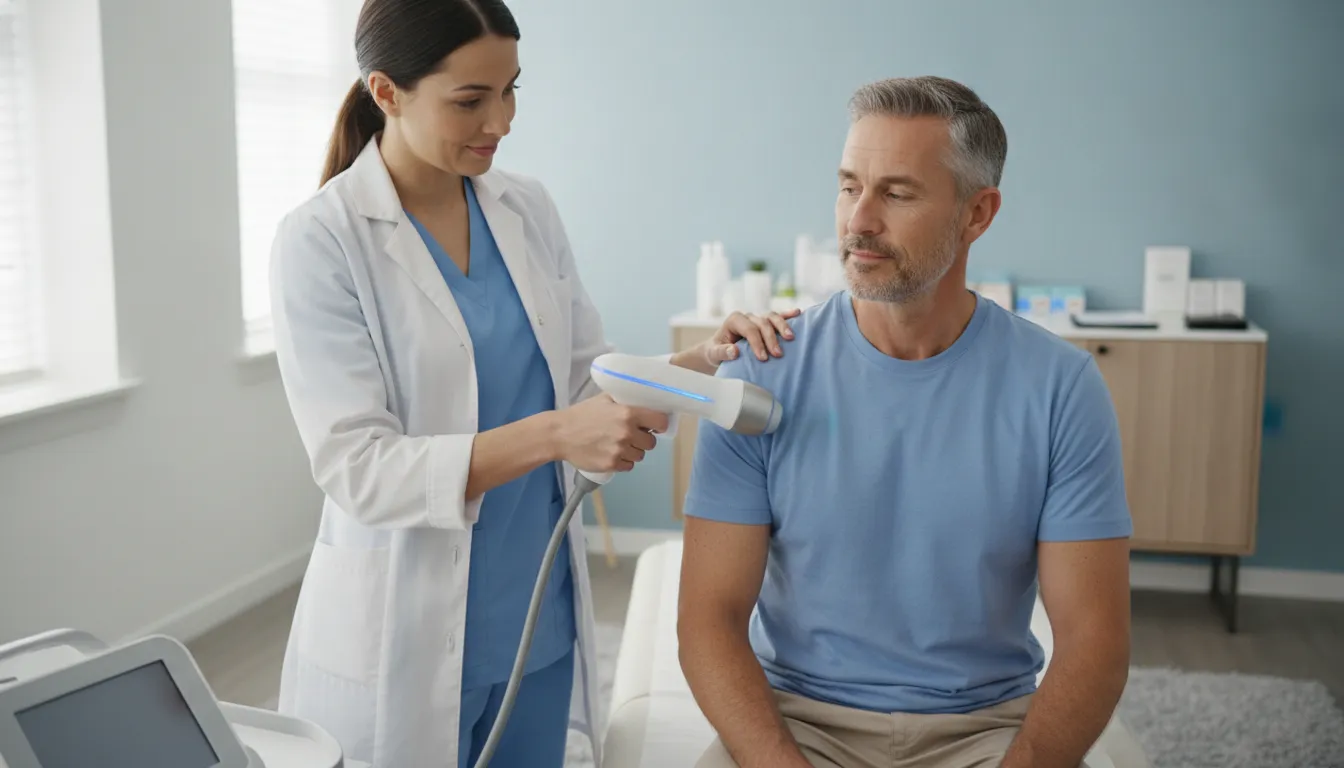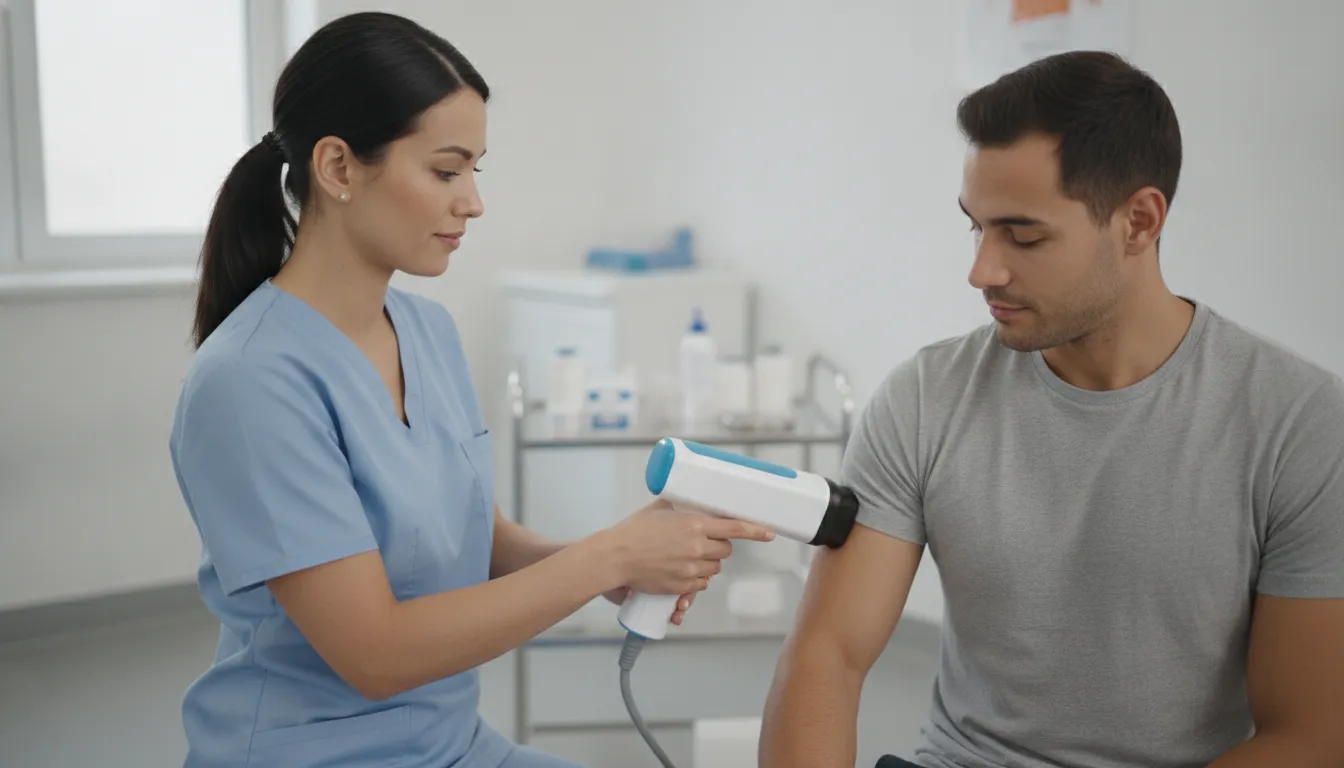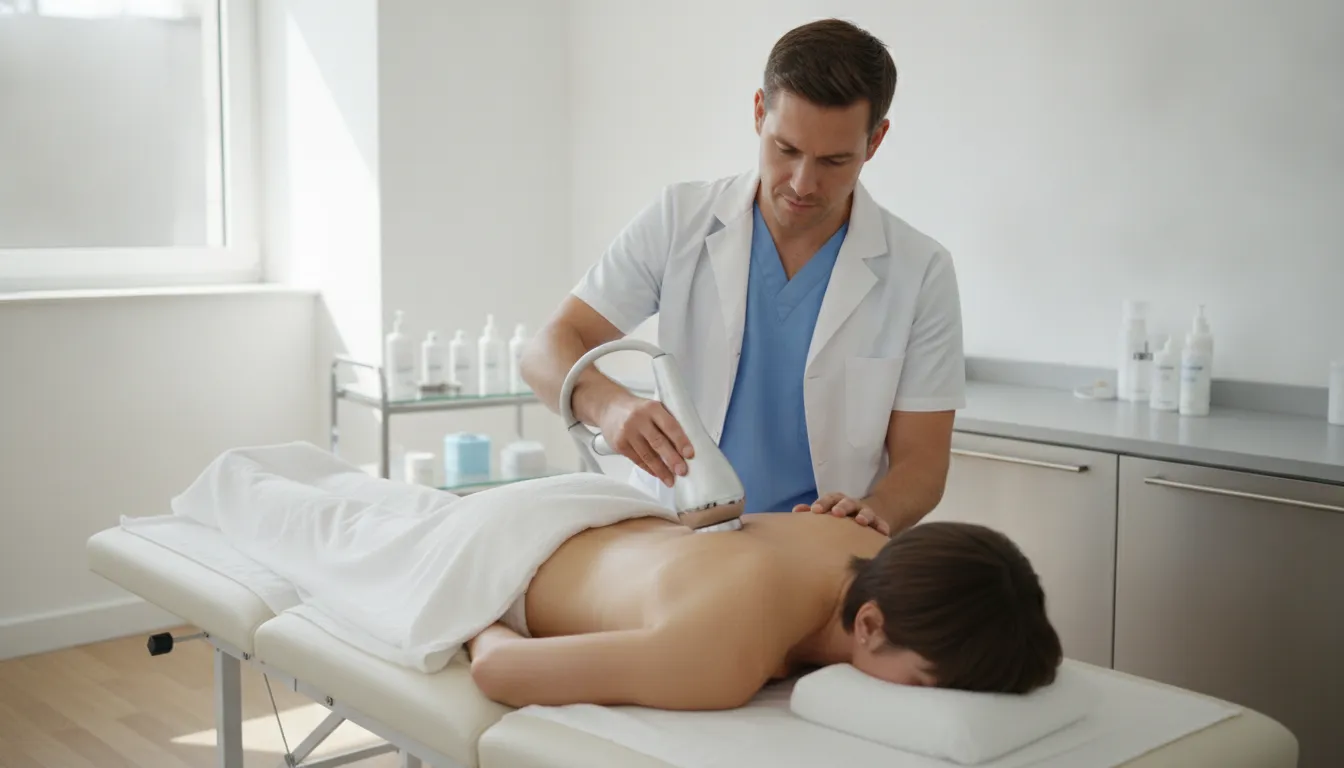
Across multiple medical specialties like orthopedics and urology, clinicians are increasingly turning to regenerative technologies that promote tissue repair through noninvasive approaches. Among these innovations, shockwave therapy has become a scientifically validated option for activating biological healing and improving functional recovery.
With multiple technologies now available, grasping the differences in safety, performance, and evidence has become essential for medical professionals seeking reproducible outcomes. Developing a clear framework for evaluating these systems helps clinicians identify the most effective solutions within the field of best shockwave therapy.
What Is Shockwave Therapy and How Does It Work
Shockwave therapy, also known as Extracorporeal Shockwave Therapy (ESWT), is a noninvasive treatment that delivers high-energy acoustic pulses into tissue to stimulate natural healing. The mechanical energy triggers a process called mechanotransduction, where cells convert mechanical signals into biochemical activity that drives angiogenesis, collagen formation, and inflammation modulation. These biological mechanisms support tissue regeneration and pain reduction in both acute and chronic conditions.
True shockwave systems generate a distinct waveform with a rapid rise in pressure followed by a brief negative phase, known as the tensile tail. This rapid pressure change travels faster than the speed of sound, allowing deep tissue penetration and a broad therapeutic effect without structural damage. These physical characteristics distinguish genuine shockwave therapy from sound-based modalities and form the basis of its regenerative potential.
What Makes Shockwave Therapy Devices Clinically Effective
Clinicians evaluating shockwave therapy systems should look beyond marketing claims and focus on measurable treatment parameters. The best shockwave therapy devices are defined by how effectively they deliver biological stimulation with precision, comfort, and consistency.
Key factors that define clinical effectiveness include:
- Depth and Coverage of Tissue Activation: A wider treatment field engages more tissue per pulse, enhancing angiogenesis and collagen remodeling while reducing the total number of sessions.
- Energy Precision and Stability: Consistent energy output maintains predictable biologic effects and prevents overstimulation or patient discomfort during treatment.
- Patient Comfort and Compliance: Even energy distribution minimizes focal pain and improves treatment tolerance, helping patients complete full therapeutic protocols.
- Reproducibility of Treatment Parameters: Reliable systems deliver uniform energy across sessions, ensuring consistency and minimizing operator variability.
True shockwave devices with narrow focal zones or unstable energy often require higher settings or longer sessions to achieve similar effects. These limitations increase time per session, reduce patient compliance, and compromise consistency. For clinicians choosing shockwave therapy equipment, prioritizing tissue coverage, energy precision, comfort, and reproducibility is what separates typical devices from those that deliver consistent, evidence-based regenerative outcomes.
For a deeper screening framework, see 10 Questions Every Provider Should Ask Before Choosing a Shockwave Medical Device.
Grasping the Difference Between Real Shockwave Therapy and Marketing Hype
As regenerative medicine grows, many products are being marketed as “shockwave,” even when they do not meet the scientific definition of the term. Manufacturers often use phrases such as “acoustic wave” or “pressure wave” to imply similarity, but these devices lack the physical properties required to generate true shockwaves.
Many of these systems create slower mechanical vibrations that spread energy only at the surface and dissipate quickly in tissue. Because they do not reach high velocity or generate the tensile phase, they fail to induce the cellular responses associated with true shockwaves. The result is shallow energy distribution, reduced cell signaling, and inconsistent clinical outcomes. For clinicians evaluating regenerative technology, this distinction is critical since only devices that produce authentic shockwave physics can stimulate angiogenesis and durable tissue repair.
A quick reference checklist for clinicians selecting technology:
- Confirm FDA Class II clearance by asking for a copy of the 510(k) cleanance rather than simple registration.
- Review peer-reviewed studies that evaluate the specific device.
- Examine waveform and energy data to confirm actual shockwave parameters.
- Verify institutional or global recognition from respected medical organizations.
Having clarity on these differences helps clinicians protect patient outcomes and maintain trust in their practice. Selecting systems that meet validated scientific and regulatory standards is what defines the best shockwave therapy in evidence-based care.
For guidance on recognizing problematic claims and specs, review 7 Red Flags That Signal a Risky Shockwave Device.
Introducing SoftWave Therapy: Why It Represents the Best Shockwave Technology
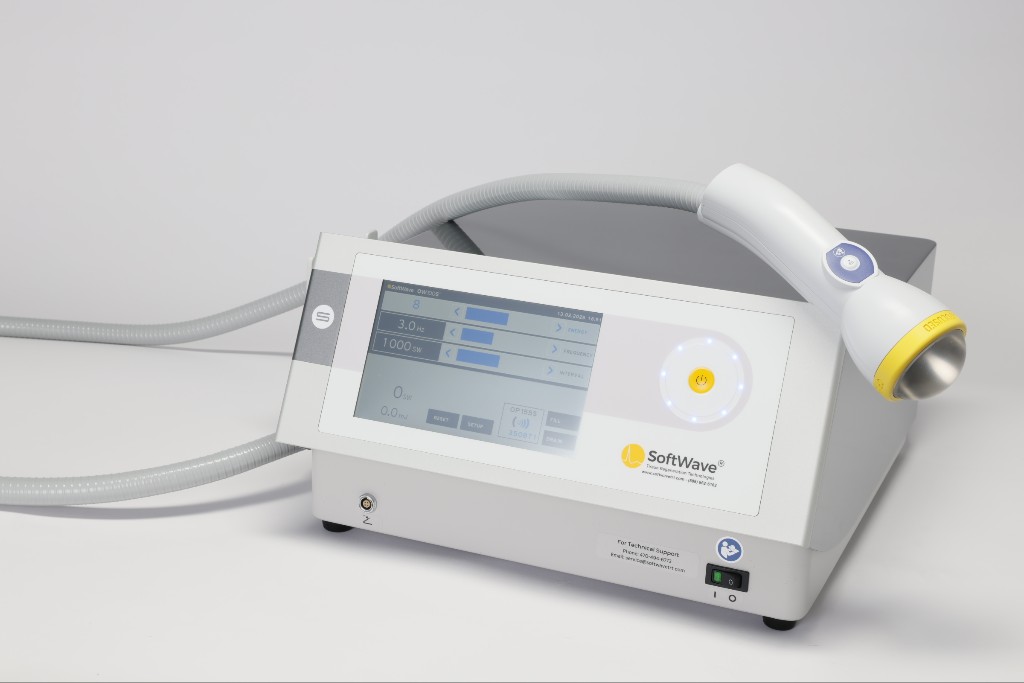
Among technologies available for regenerative treatment, SoftWave is distinct for its true electrohydraulic design and broad-focused energy field. Each pulse is generated by a plasma discharge in water, creating parallel waves that travel faster than sound and spread across a wide and deep therapeutic area. This design allows consistent energy delivery and uniform tissue activation without producing microtrauma.
SoftWave’s patented reflector geometry produces an energy field that extends approximately seven centimeters wide and twelve centimeters deep, covering more tissue per pulse than traditional focused or radial devices. The broad treatment zone initiates multiple biological responses simultaneously, including angiogenesis, connective tissue activation, and modulation of inflammation. These effects accelerate recovery and reduce the total number of treatments required for long-term improvement. Read more about SoftWave technology.
At the cellular level, SoftWave Therapy enhances the release of growth factors, recruits progenitor cells, and improves vascularization, which supports natural repair mechanisms across musculoskeletal, wound care, and urologic applications. These processes explain its consistent outcomes in both acute and chronic tissue conditions.
If you are evaluating technology for your practice, learn more about the Best Shockwave Therapy Machine for Providers.
SoftWave Therapy FDA Clearances and Global Safety Validation
Regulatory clearance and consistent performance define the reliability of any medical technology. The following elements show how SoftWave Therapy meets the standards of safety, clinical evidence, and institutional trust that characterize the best shockwave therapy systems in modern practice.
Clinical Effectiveness
SoftWave Therapy holds multiple FDA 510(k) clearances confirming its use for medical indications, such as:
- Activation of connective tissue
- Treatment of chronic diabetic foot ulcers
- Treatment of acute second-degree burns
- Temporary increase in local blood circulation
- Relief of minor muscle aches and pains
Each clearance reflects documented therapeutic performance safety data and compliance with U.S. regulatory standards across these applications.
Safety
Operating within a precise regenerative energy range is necessary to preserve tissue integrity. Energy flux densities at or below 0.18 mJ/mm² promote angiogenesis and tissue repair, while levels above 0.22 mJ/mm² are considered catabolic and may cause cellular damage. SoftWave Therapy maintains consistent output within the regenerative range, enabling biologic activation and healing responses without compromising surrounding tissue.
Global Validation
Clinical adoption and ongoing research confirm the reliability of SoftWave Therapy worldwide. The technology is utilized in major institutions, including Mayo Clinic, Cleveland Clinic, UCLA, and Baylor College of Medicine. It is also recognized within international clinical guidelines and shockwave registries as a trusted platform for regenerative and orthopedic applications, reinforcing its place among the best shockwave therapy solutions available.
To see how these elements come together in practice, read Why SoftWave Is the Proven Standard in Regenerative Medicine.
Why Energy Precision Matters in Patient Safety and Comfort
Energy precision determines both the biological effectiveness and patient experience of shockwave therapy. Delivering energy within the correct therapeutic window activates regenerative processes such as angiogenesis and connective tissue repair while minimizing discomfort and risk. Maintaining this balance is what differentiates the best shockwave therapy systems from devices that rely on higher, less controlled energy output.
Accurate dosing is critical to avoid overexposure. Excessive intensity can cause microtrauma, leading to inflammation or delayed recovery. Controlled systems that sustain energy output within the regenerative range support tissue repair without creating unwanted stress. This allows consistent outcomes across multiple indications.
From a procedural perspective, safety and comfort depend on system design. SoftWave Therapy employs a closed-loop water system and automated degassing to stabilize energy transmission, along with SmartTrode® electrodes that self-adjust for consistent wave quality. These engineering features reduce operator variability, shorten preparation time, and provide predictable results with high patient tolerance. Precision in energy delivery allows clinicians to achieve reliable outcomes and positive patient experiences with confidence.
Grow Your Practice with Proven SoftWave Clinical Outcomes
Integrating shockwave therapy into clinical practice supports both patient outcomes and sustainable growth. As regenerative medicine advances, offering evidence-based, noninvasive treatments positions clinics to meet rising patient demand. The best shockwave therapy systems combine biological effectiveness with operational efficiency.
Clinics using advanced technology achieve consistent results in pain relief, mobility, and soft tissue recovery. Faster improvement and fewer sessions increase patient satisfaction, encourage referrals, and optimize provider time. Because SoftWave Therapy is effective across orthopedics, sports medicine, physical therapy, urology, and podiatry, one system can serve multiple specialties. This versatility reduces external referrals and strengthens a clinic’s internal care network.
Implementing the best shockwave therapy enhances reputation, supports consistent outcomes, and contributes to steady, evidence-based practice growth. See SoftWave pricing and ROI.
Become a SoftWave Provider Today
Precision, consistency, and safety define the most effective regenerative technologies. In shockwave therapy, these qualities determine the depth of tissue activation, patient comfort, and reliability of outcomes. The combination of accurate energy control, broad therapeutic coverage, and scientific validation establishes the foundation of the best shockwave therapy used in modern practice.
SoftWave Therapy integrates these principles through its patented broad-focused electrohydraulic design, maintaining energy within the regenerative range to stimulate biologic healing safely and effectively. Its FDA clearances and widespread use in institutions such as Mayo Clinic, Cleveland Clinic, and leading sports organizations reflect its credibility and clinical trust.
If you are evaluating new technology based on evidence, safety, and reliability, contact us today to schedule a demo and become a SoftWave provider to experience the difference in clinical performance.