Rotator cuff, impingement, and overuse shoulder injuries are among the most common causes of pain and mobility limitation in clinical practice. Microtrauma and impaired tendon healing contribute to persistent dysfunction that often proves resistant to conservative interventions. As a result, regenerative shoulder treatment has gained attention for its ability to activate biological repair rather than suppress symptoms.
Evidence-based modalities that stimulate healing at the cellular level, such as shockwave therapy, offer physicians a more comprehensive approach to managing shoulder pathology, particularly in cases involving chronic tendon degeneration or limited vascularity.
Causes of Rotator Cuff and Overuse Injuries
Rotator cuff and shoulder overuse injuries are often the result of repetitive microtrauma and limited tendon vascularity. Overhead movement and load-bearing stress create microtears that can progress to tendinosis or partial-thickness tears, particularly in athletes and labor-intensive patients. Conservative care, such as rest, NSAIDs, physical therapy, or corticosteroid injections, may reduce pain temporarily but often fails to restore tendon integrity or halt degenerative changes.
At the cellular level, these injuries involve collagen disorganization, extracellular matrix breakdown, and chronic inflammation that impair healing. Regenerative shoulder treatment helps address these deficits by promoting angiogenesis, improving circulation, and modulating inflammatory activity. In essence, these therapies create a more favorable biologic environment for tendon healing where conventional treatments fall short.
How Regenerative Treatments Restore Shoulder Function
Regenerative therapies activate biological repair mechanisms that target the root causes of chronic tendon injuries. In the shoulder, treatments such as platelet-rich plasma (PRP), stem cell therapy, and low-intensity shockwave therapy have been shown to support healing through improved vascularization, inflammation modulation, and stimulation of collagen remodeling (Hamid & Sazlina, 2021). These processes can improve tissue quality and reduce symptoms without relying on surgical intervention.
Evidence shows that regenerative approaches can help restore tendon integrity in rotator cuff and overuse injuries. PRP has been associated with reductions in pain and improved range of motion in patients with tendinopathy (Dadgostar et al., 2021). Stem cell augmentation during rotator cuff repair has also been linked to better structural healing and fewer retears (Hernigou et al., 2014). Similarly, studies on shockwave therapy report measurable improvements in shoulder function and pain reduction, reinforcing its utility in musculoskeletal rehabilitation (Xue et al., 2024). Though different in technique, these treatments share a common goal: to help injured tendons recover by stimulating the body’s own repair pathways.
Read: Alternatives to Rotator Cuff Surgery
Shockwave Therapy as a Regenerative Shoulder Treatment
Shockwave therapy has demonstrated regenerative effects in tendon tissue, making it a relevant option for treating rotator cuff and shoulder overuse injuries. This modality supports biologic healing through stimulation of angiogenesis, modulation of inflammation, and remodeling of the extracellular matrix (Chen et al., 2022).
Preclinical and clinical data support these mechanisms. Electrohydraulic shockwave therapy has been shown to increase neovascularization and improve tissue organization at the tendon-bone interface in rotator cuff injury models (Feichtinger et al., 2022). These effects occur without inducing damage to surrounding structures.
In broader reviews, low-intensity shockwaves have also been associated with improved tenocyte activity, enhanced collagen synthesis, and regulation of pro-inflammatory cytokines in tendon healing (Poenaru et al., 2023). These findings reinforce the role of shockwave therapy in facilitating biologic repair in injured shoulder tissues, where healing is often limited.
SoftWave Therapy for Rotator Cuff and Overuse Shoulder Injuries
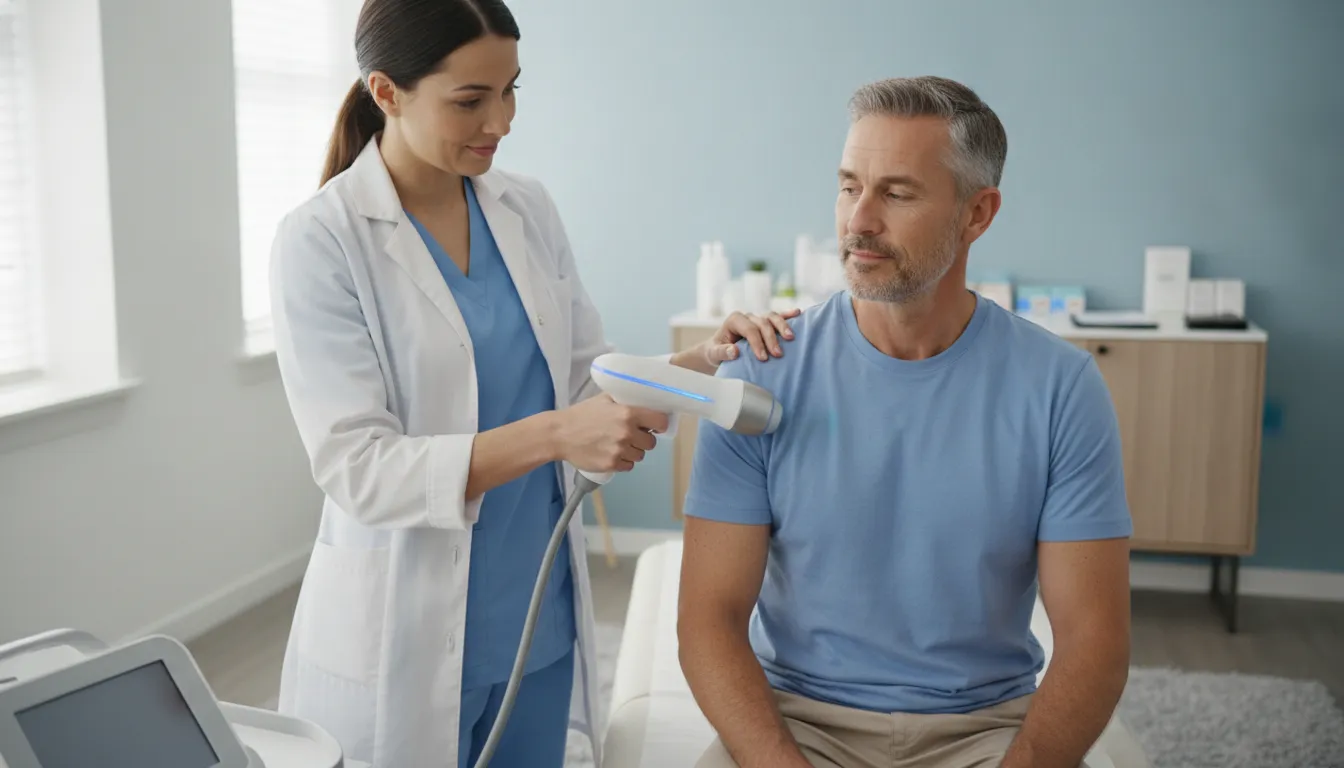
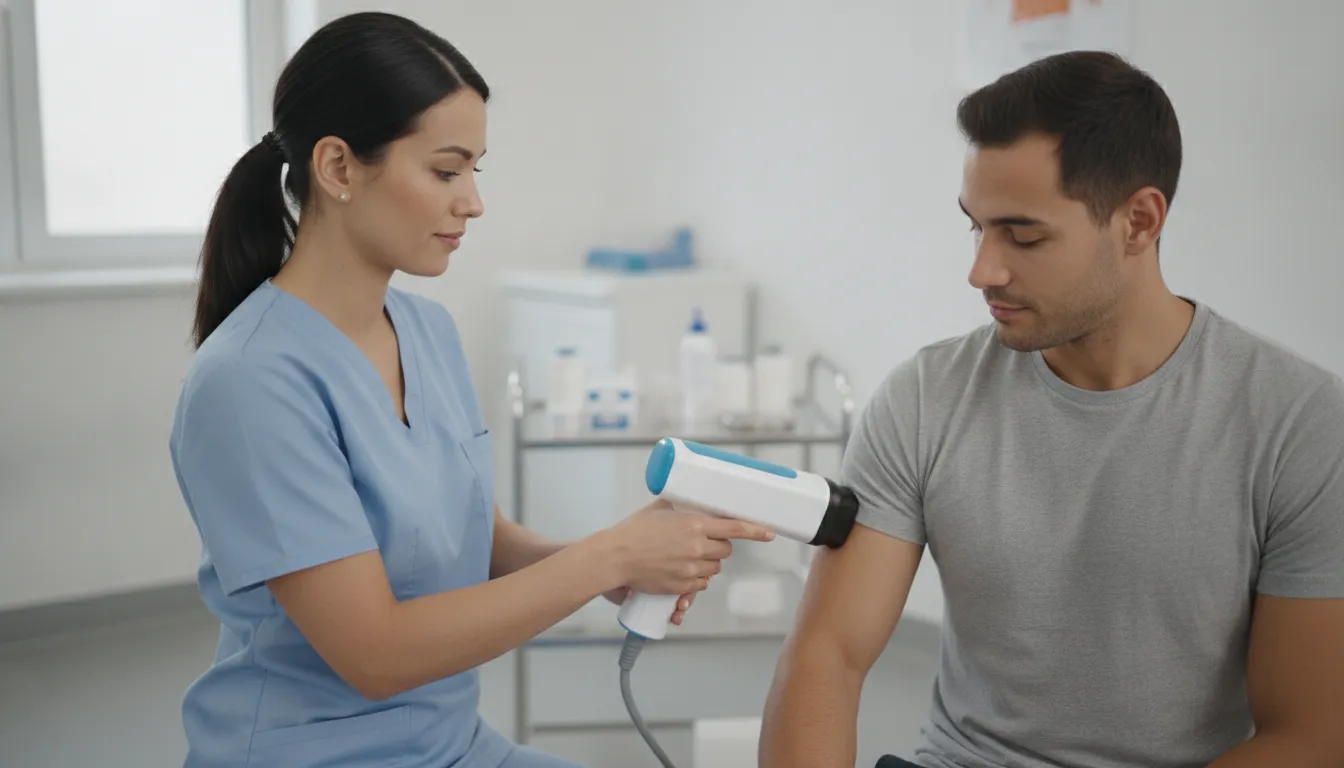
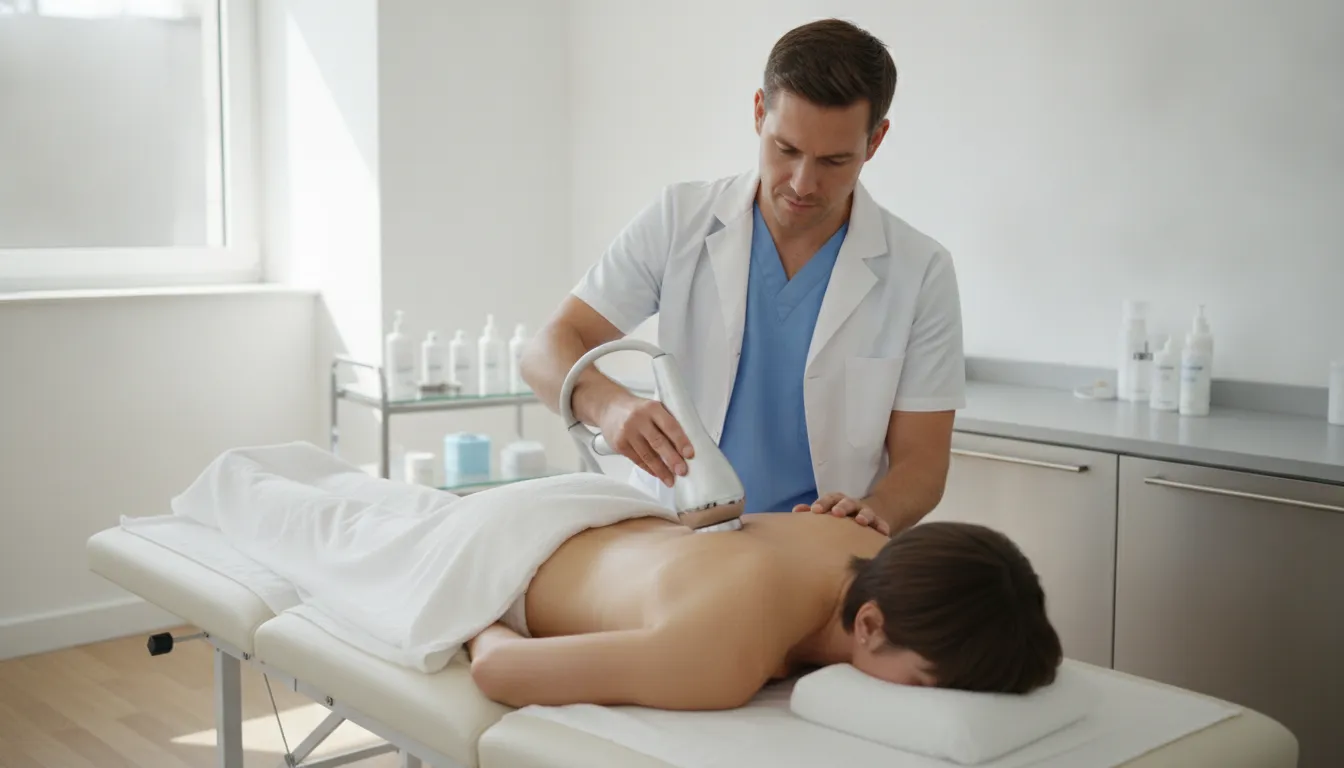
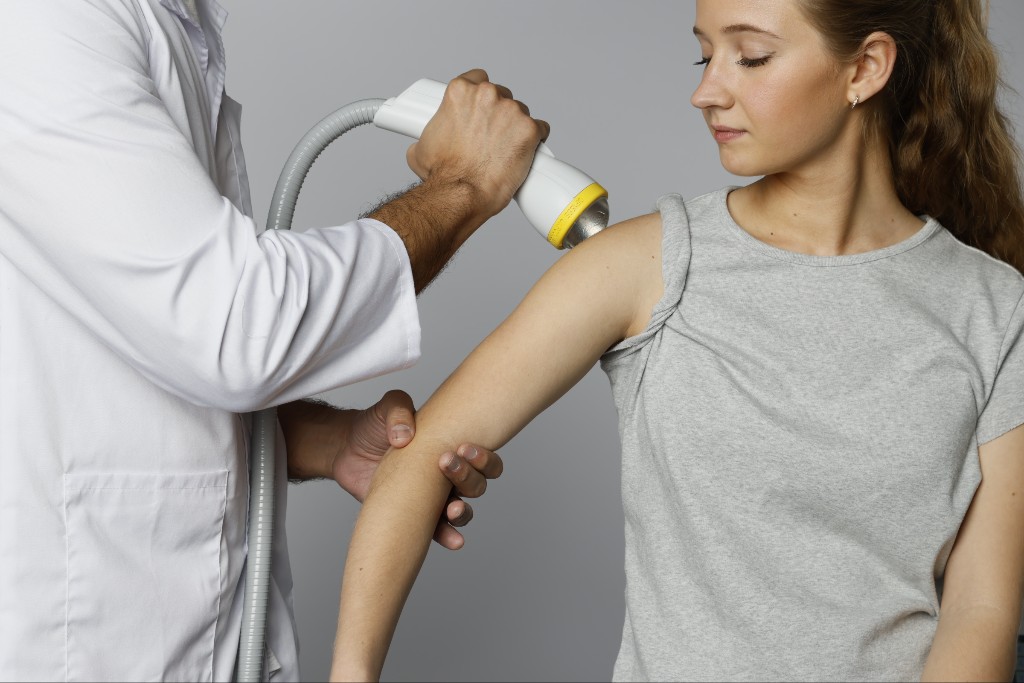
SoftWave Therapy is a shockwave modality that utilizes electrohydraulic technology to deliver low-intensity, broad-focused energy across both superficial and deep tissue layers. Its patented parabolic reflector produces parallel waveforms that distribute energy up to 7 cm wide and 12 cm deep, allowing for effective treatment of complex or hard-to-localize tendon pathology often seen in rotator cuff and overuse shoulder injuries.
Through this broad-focused energy delivery, SoftWave stimulates angiogenesis, modulates inflammation, and activates connective tissue to support tendon regeneration. These biological responses help restore vascularity and promote cellular repair in areas of chronic microtrauma where traditional interventions often fall short, making it an effective approach for clinicians seeking reliable options for shoulder pain relief and recovery. Learn more about how SoftWave supports shoulder healing. With its superior depth of biological effect SoftWave can reach often difficult to reach structures necessary for accelerated healing and improved function.
In clinical settings, SoftWave Therapy provides physicians with a non-invasive, efficient approach to managing shoulder overuse, impingement, and degenerative tendon conditions. Its design enables consistent outcomes across diverse patient presentations and is supported by clinical adoption at leading academic centers such as Mayo Clinic, UCLA, and Jefferson Health.
See why leading physicians are choosing the best shockwave therapy machine for providers for musculoskeletal care.
Enhance Clinical Outcomes with SoftWave Therapy
Rotator cuff and overuse injuries are difficult to resolve when conventional treatments fail to stimulate lasting tissue repair. SoftWave Therapy provides a non-invasive, clinically validated alternative that supports healing by activating biologic processes directly at the source of tendon degeneration. It helps restore structural integrity without the limitations of focused or radial devices.
Used in orthopedics, sports medicine, physical therapy, urology, and podiatry, SoftWave is recognized for its broad clinical utility and consistency in outcomes. Its effectiveness is supported by published research demonstrating biological improvements across a range of soft-tissue conditions.
Join the growing network of physicians using SoftWave. Become a provider or schedule a demo to explore its clinical value today.