Regenerative back treatment applies biologically active methods to stimulate tissue repair, modulate inflammation, and improve functional outcomes without invasive delivery. These approaches aim to engage cellular pathways involved in structural recovery, rather than masking symptoms alone. As demand for techniques that minimize procedural risk and downtime increases, noninvasive regenerative modalities have gained relevance in musculoskeletal practice. Among these, several treatment options have demonstrated measurable clinical effects on back-related conditions without the use of injections.
How Regenerative Back Treatment Supports Tissue Repair and Healing
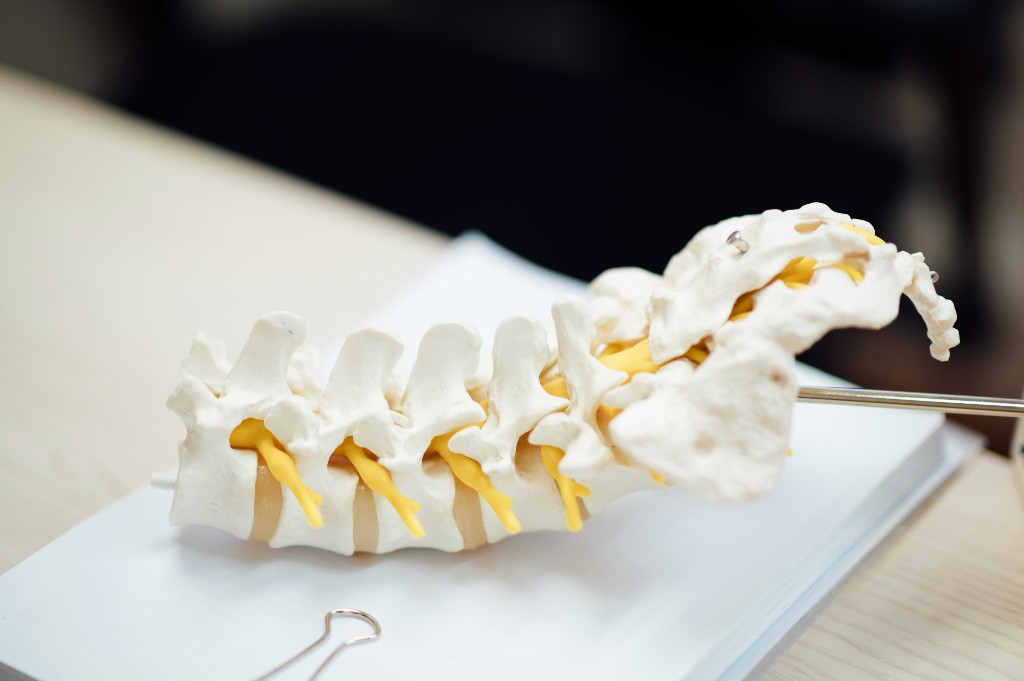
Regenerative treatments for the spine activate key biological processes, such as angiogenesis, tissue remodeling, and modulation of inflammation, to restore damaged structures. Unlike steroid injections that suppress inflammation, these therapies stimulate the body’s intrinsic capacity for tissue repair. Targets in back pain include tendons, ligaments, intervertebral discs, paraspinal muscles, and connective tissues that often experience repetitive stress or degeneration.
Injection-based methods like platelet-rich plasma and stem cell therapy introduce biologic material directly into affected tissues to promote healing, but they require invasive delivery and variable patient tolerance. In contrast, noninvasive regenerative modalities achieve comparable or enhanced biological effects externally, reducing procedural risk and improving patient comfort.
These noninvasive approaches stimulate angiogenesis, collagen synthesis, and growth factor release to repair tissue damage and improve function in chronic back conditions such as myofascial pain, ligament strain, and early degenerative disc disease (Wang et al., 2023).
Noninvasive Regenerative Back Treatment Options for Clinical Use
Several noninvasive regenerative modalities are now available for clinicians seeking to improve outcomes in patients with chronic back conditions. These technologies activate cellular and vascular repair processes through different forms of energy, promoting recovery without injection-based intervention.
Shockwave Therapy
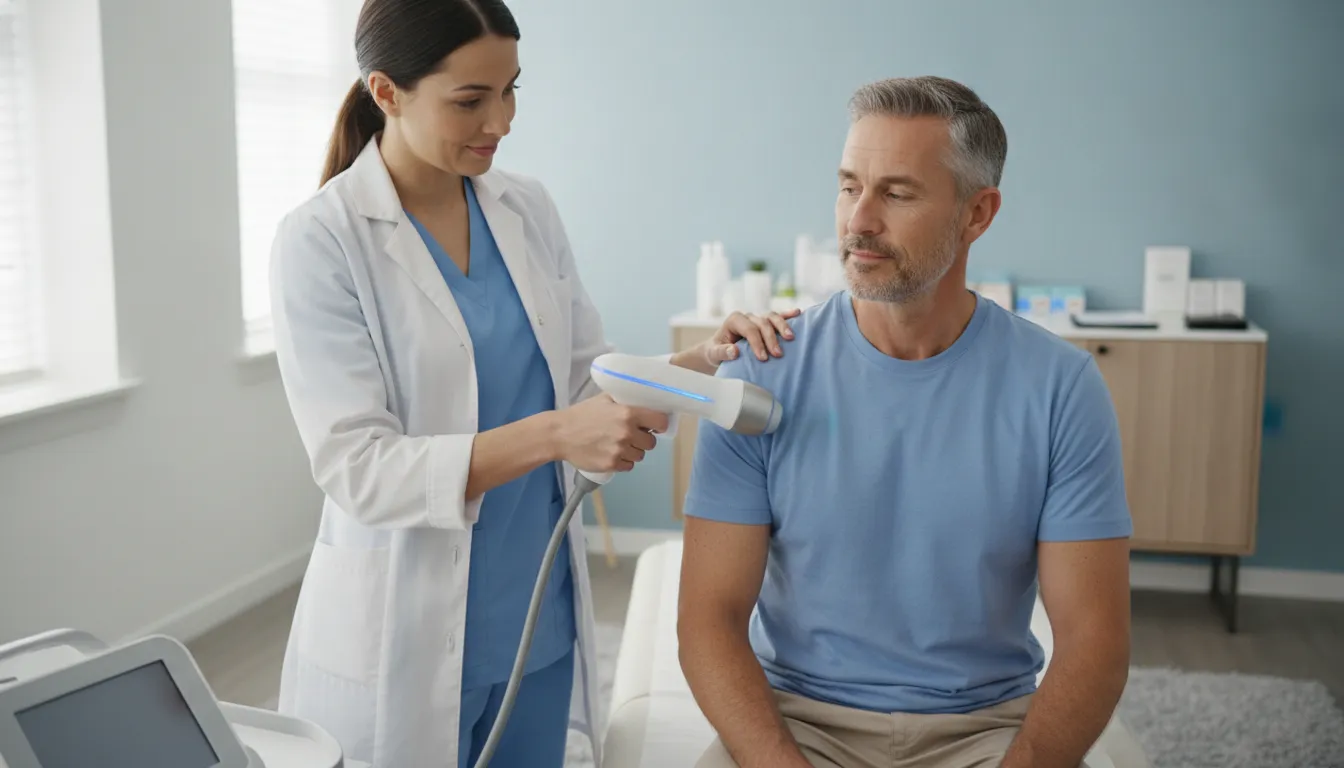
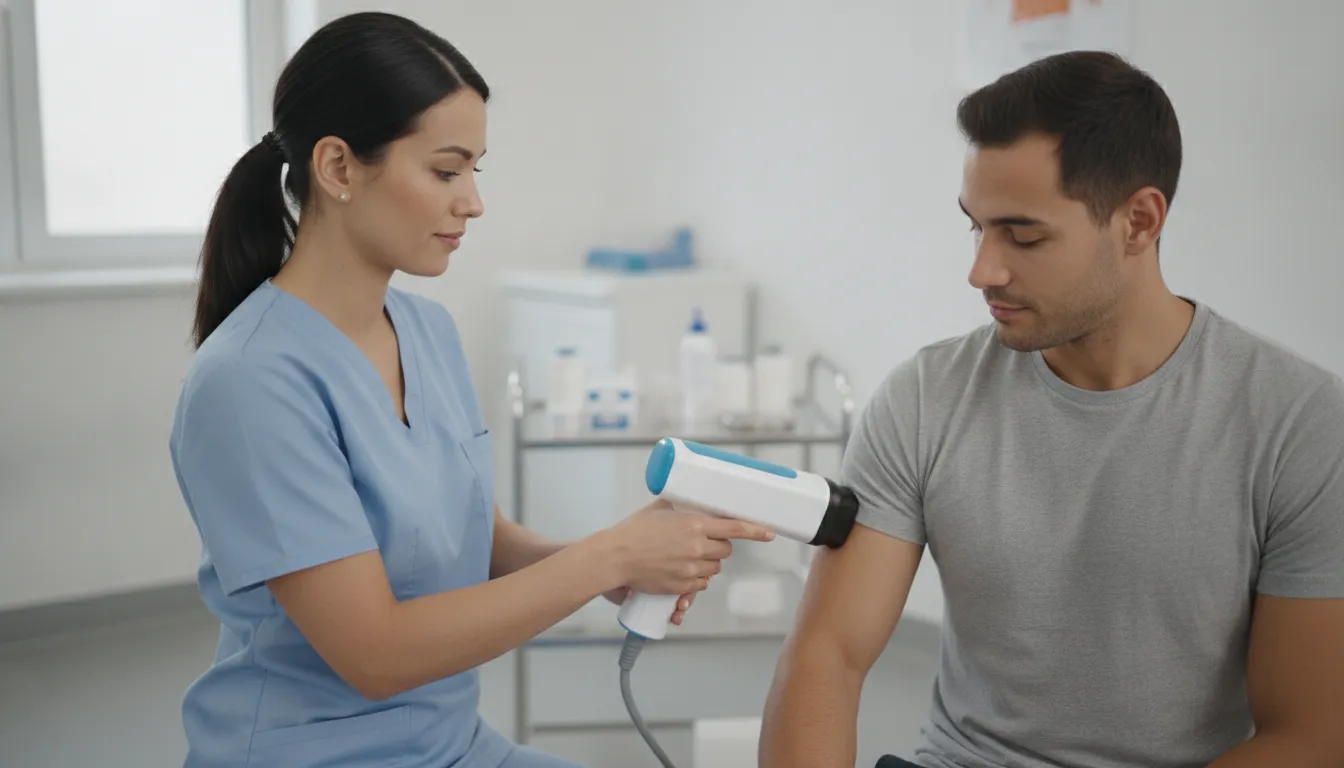
Shockwave therapy delivers controlled shock waves into soft tissues, generating mechanical stress that stimulates angiogenesis, fibroblast activity, and modulation of inflammatory mediators. This biological response supports vascular formation and collagen reorganization, thereby improving tissue integrity. Clinical research indicates that shockwave therapy can help improve pain and function in chronic low back pain. A systematic review by Liu et al., (2023) found measurable improvements in pain and mobility compared with control interventions. These outcomes reflect the capacity of shockwave therapy to initiate tissue-level repair responses noninvasively, helping restore function in patients with chronic low back pain. Read: Extracorporeal shock wave therapy (ESWT) for the treatment of spasticity in persons with spinal cord injury.
SoftWave Therapy for Regenerative Treatment of Back Conditions
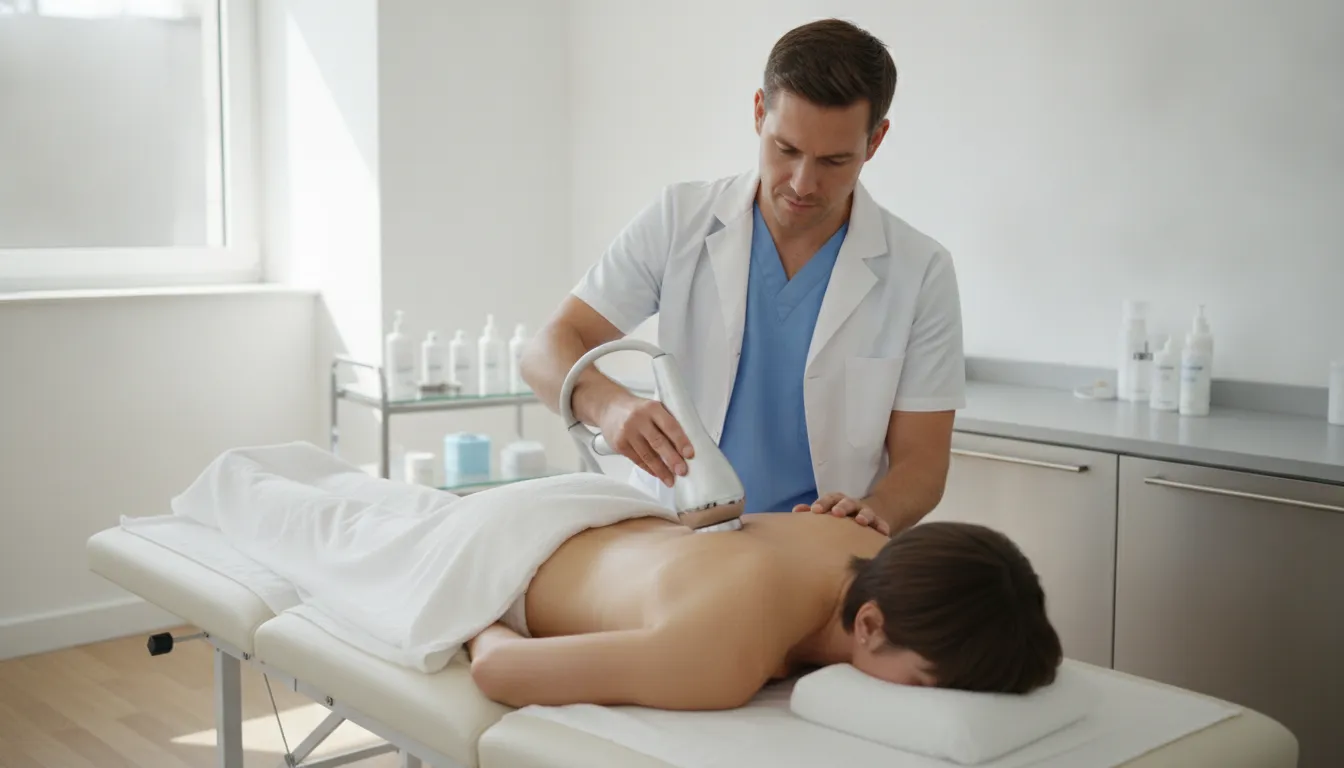
SoftWave Therapy is an advancement in shockwave technology that uses a patented broad-focused applicator to deliver energy over a wide 12 cm by 7 cm treatment zone. The system produces electrohydraulic shockwaves that reach both superficial and deep back tissues, helping to activate connective tissue, promote angiogenesis, and modulate inflammation without creating microtrauma. This FDA-cleared approach supports healing in spinal and paraspinal conditions while providing a comfortable, efficient treatment experience in the clinical setting.
See how clinics are expanding treatment capabilities using the best shockwave therapy machine for providers.
Low-Level Laser Therapy (LLLT)
Low-Level Laser Therapy, also known as photobiomodulation, applies red or near-infrared light to the skin to influence mitochondrial activity within cells. The absorbed light energy increases ATP synthesis and enhances local circulation. Clinical data indicate that LLLT provides mild to moderate improvement in pain and function among patients with chronic nonspecific low back pain when used consistently (Glazov et al., 2016). The treatment is typically painless and requires brief application periods, making it suitable as a supportive modality in rehabilitation programs.
Transcutaneous Electrical Nerve Stimulation (TENS)
Transcutaneous Electrical Nerve Stimulation delivers low-voltage electrical impulses through surface electrodes placed on the skin. These impulses alter pain perception by influencing neural transmission, helping relax the surrounding musculature. Evidence from a large meta-analysis shows that active TENS use results in measurable pain score reductions in acute and chronic pain cases compared with placebo (Johnson et al., 2022). While its effects are temporary, it can be integrated as an adjunct to promote patient tolerance during physical therapy and exercise interventions.
Pulsed Electromagnetic Field (PEMF) Therapy
Pulsed Electromagnetic Field Therapy uses time-varying electromagnetic fields to influence ion movement and membrane activity at the cellular level. This mechanism supports oxygenation and metabolic activity in soft tissues. In a randomized controlled trial involving patients with chronic low back pain, PEMF used alongside standard physiotherapy was associated with reductions in pain and disability scores compared to physiotherapy alone (Elshiwi et al., 2019). Treatment is well-tolerated and noninvasive, providing clinicians with a supplementary option for managing long-term spinal conditions.
Enhance Patient Recovery and Results with SoftWave Therapy
Regenerative back treatment is advancing toward methods that restore function through biological activation rather than invasive procedures. Among these, shockwave therapy has shown strong regenerative capacity through mechanical stimulation that enhances tissue remodeling and supports structural recovery, contributing to sustained pain relief and improved mobility, making it a dependable noninvasive option for chronic back conditions.
SoftWave Therapy expands on this clinical foundation with a technology that refines the delivery of true shockwaves to achieve consistent regenerative effects. It is applied across disciplines, including orthopedics, sports medicine, physical therapy, urology, and podiatry, to address a broad range of musculoskeletal and soft tissue indications. Supported by ongoing research, SoftWave Therapy continues to advance evidence-based regenerative care within modern clinical practice.
See how SoftWave Therapy is advancing regenerative care in clinical practice. Become a provider to integrate this technology into your treatment approach.