Non-surgical regenerative treatments are designed to stimulate the body’s natural repair processes and restore function without the need for surgery. Increasingly, these therapies are being integrated into physical therapy programs to support exercise and manual rehabilitation for musculoskeletal disorders. They activate mechanisms that modulate inflammation, improve circulation, and promote tissue regeneration, resulting in faster recovery, reduced pain, and greater tolerance for therapeutic exercise. For clinicians, these modalities represent an important way to expand treatment options and strengthen outcomes in rehabilitation practice.
Non-Surgical Regenerative Treatments That Complement Physical Therapy
Innovative regenerative therapies can serve as powerful adjuncts to conventional rehabilitation. Below, we explore several non-surgical regenerative treatments that integrate well with PT:
SoftWave Therapy
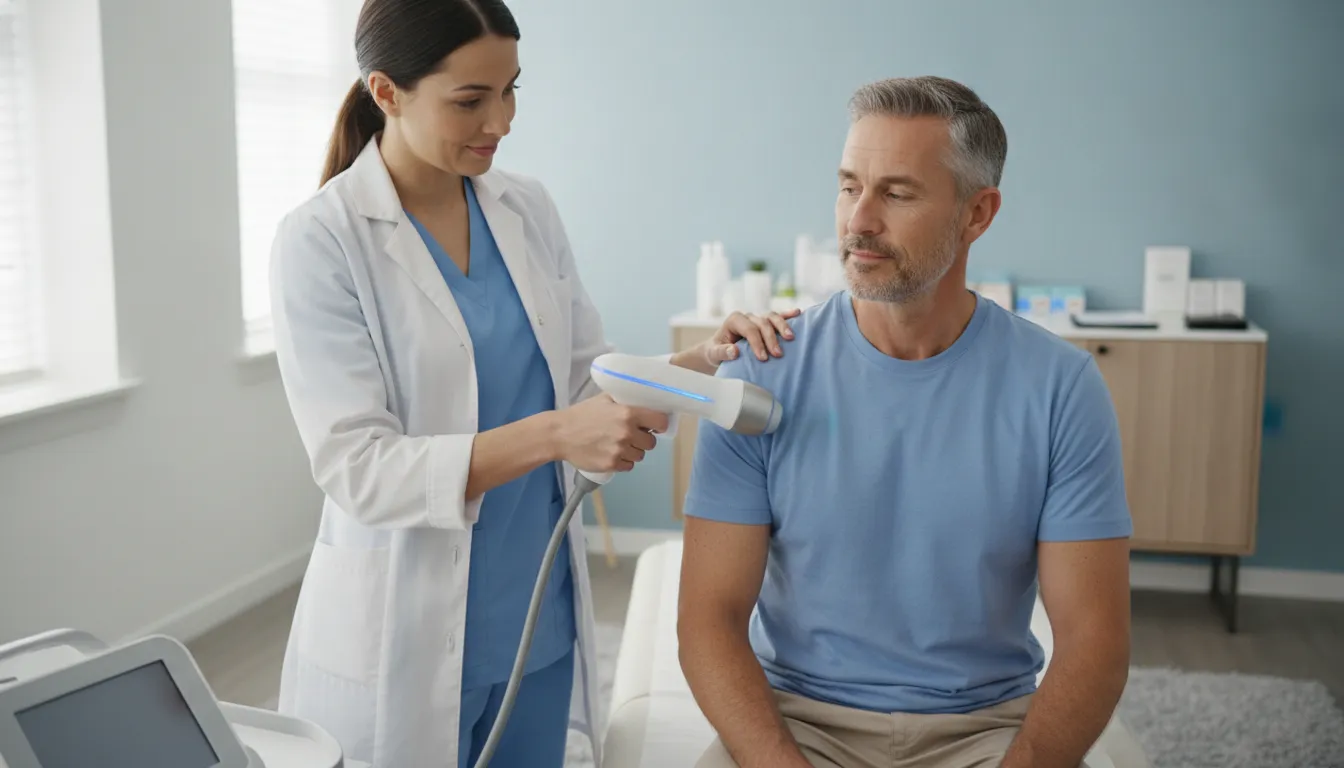
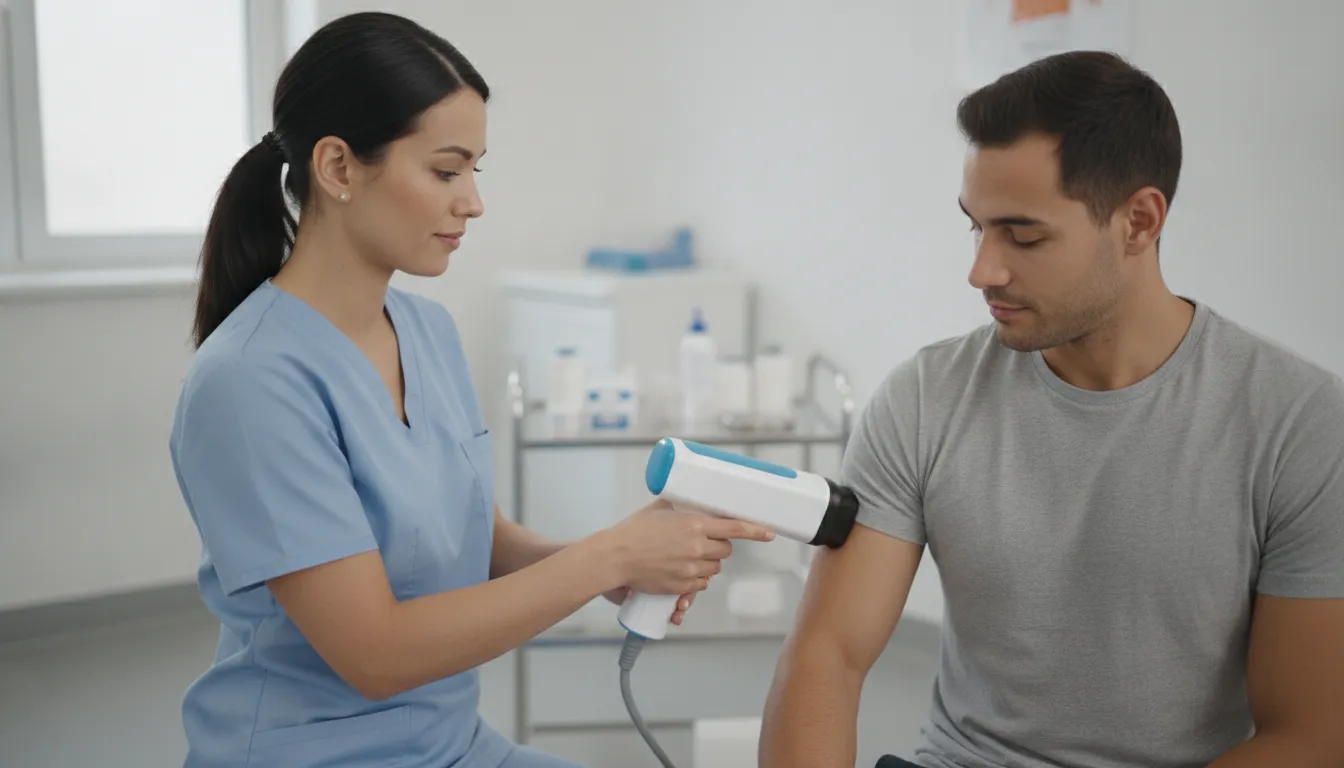
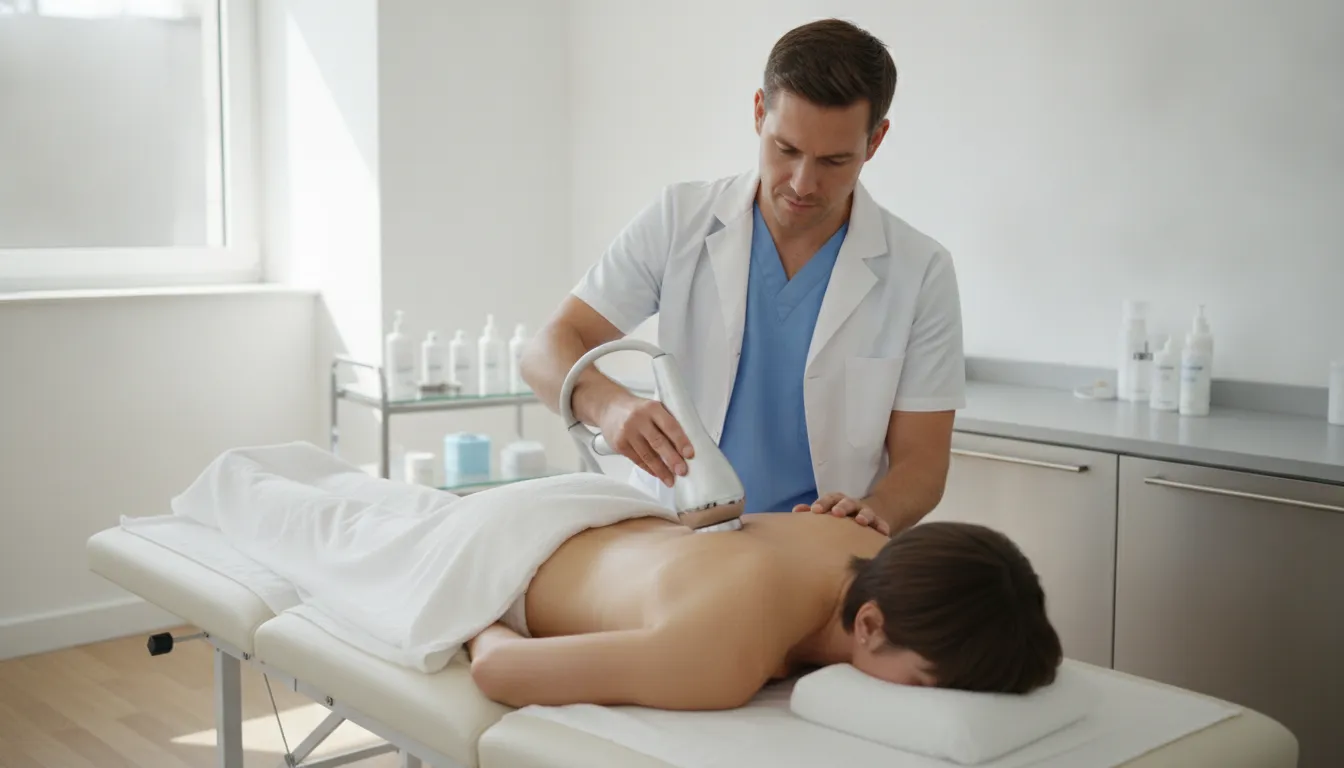
SoftWave Therapy is an advanced form of shockwave treatment that uses broad-focused shock waves generated through a patented parabolic reflector applicator. This energy distribution engages both superficial and deep tissues, activating biological responses such as angiogenesis, cytokine release, and stem cell activation. Treatments are non-invasive, typically lasting around 10 minutes, and are FDA-cleared for activating connective tissue, increasing local blood circulation, and relieving minor aches and pains, as well as treating additional wound and burn indications.
When paired with PT, SoftWave modulates pain and inflammation, helping patients better tolerate therapeutic exercise. In a randomized clinical trial on rotator cuff tendinopathy, shockwave therapy combined with exercise achieved greater improvements in pain and function than exercise alone (Santamato et al., 2016). This makes SoftWave a valuable first-line regenerative option that integrates efficiently into rehabilitation programs.
See how clinicians use the Best Shockwave Therapy Machine for Providers.
Low-Level Laser Therapy (LLLT)
Laser therapy, also called photobiomodulation, uses specific light wavelengths to stimulate tissue repair and reduce inflammation. The absorbed energy boosts mitochondrial activity, increasing ATP production and nitric oxide release, which helps reduce pain and swelling in superficial conditions like tendonitis, arthritis, and muscle strains. Sessions are brief and usually well tolerated, making laser therapy a practical addition before therapeutic exercise. Mild skin reactions such as redness, swelling, warmth, pigmentation changes, or itching may occur.
Evidence supports its integration with PT. In a randomized controlled trial, patients with plantar fasciitis who received laser therapy alongside stretching and orthotics had greater improvements in pain and walking ability than those treated without laser (Cinar et al., 2018). This demonstrates how laser therapy can reduce discomfort and support more effective rehabilitation.
Platelet-Rich Plasma (PRP)
PRP involves injecting a concentrated sample of the patient’s own platelets into an injured site, where released growth factors and cytokines stimulate tissue repair. It is often used in chronic tendinopathies or mild osteoarthritis that have not responded fully to standard rehabilitation, and is typically followed by a tailored PT program to strengthen the healing tissue.
A systematic review showed that PRP injections combined with exercise therapy reduced pain and disability in rotator cuff tendinopathy compared with placebo plus therapy (Masaracchio et al., 2022). Combining PRP with rehabilitation has been shown to improve outcomes, though it requires procedural preparation and patient counseling that differ from non-invasive approaches.
Stem Cell Therapies
Stem cell therapies involve injecting mesenchymal stem cells, typically from bone marrow or adipose tissue, into injured tissues to promote regeneration. These cells release growth factors, modulate inflammation, and potentially differentiate into repair tissue. Such treatments are considered for advanced osteoarthritis, chronic tendon injuries, and other refractory musculoskeletal conditions.
Studies suggest that outcomes improve when regenerative interventions are combined with rehabilitation. A scoping review in patients with knee osteoarthritis reported that integrating regenerative therapies, including stem cell approaches, with exercise therapy was associated with greater improvements in pain and function compared to regenerative treatment alone (Oka et al., 2025). These findings indicate potential value in pairing stem cell therapy with structured PT, though considerations such as regulatory status, costs, and the evolving nature of the evidence remain important.
Which Non-Surgical Regenerative Treatment Integrates Better with Physical Therapy
Each therapy has value, but its applicability varies with clinical scenarios. SoftWave therapy offers broad tissue activation, quick sessions, and strong patient tolerability, making it a practical first-line modality for many conditions seen in PT. Laser therapy is effective for superficial pain and inflammation. PRP provides targeted biologic enhancement in specific chronic injuries. Stem cells are reserved for advanced degeneration but remain investigational.
In practice, selecting the right regenerative treatment is key to supporting rehabilitation. For many clinicians, SoftWave Therapy is a strong first choice because of its non-invasive profile, broad biological effects, and established regulatory clearance. Its ability to stimulate both superficial and deep tissue repair while remaining easy to integrate into PT workflows makes it especially valuable. While other options exist, careful consideration of evidence, patient needs, and clinical indications often positions SoftWave as the most practical treatment to initiate within a physical therapy program.
Enhance Patient Recovery with SoftWave Therapy
Non-surgical regenerative treatments are transforming rehabilitation by offering new ways to repair tissue and support exercise-based care. Integrated with PT, they reduce pain, improve mobility, and accelerate functional recovery. Among these, SoftWave Therapy aligns especially well with rehabilitation goals, providing a non-invasive regenerative option that enables patients to progress more effectively.
SoftWave Therapy is applied across orthopedics, sports medicine, physical therapy, urology, and podiatry. Its patented technology and growing body of clinical research reinforce its value as a versatile and scientifically supported treatment. For clinics aiming to expand their regenerative services while streamlining rehabilitation protocols, SoftWave represents a forward-looking option.
Become a SoftWave Provider and enhance patient outcomes today.