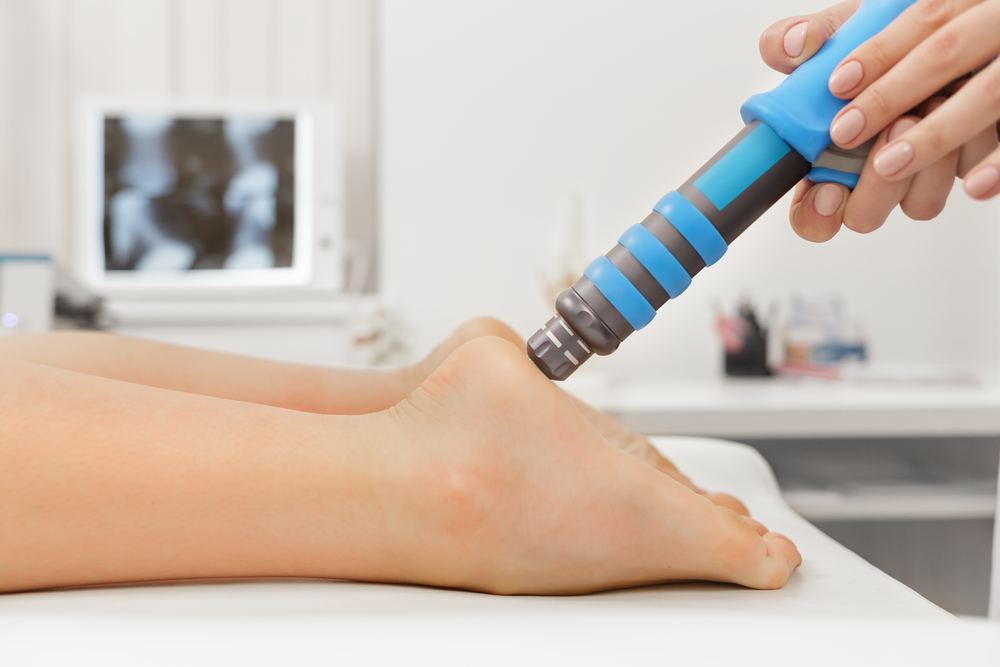
In the realm of erectile dysfunction treatment, where innovation is key and patients seek effective solutions, “shockwave therapy” has emerged as a promising avenue. Understanding Shockwave Therapy: “Shockwave therapy” utilizes acoustic pulses characterized by high positive pressure and rapid rise time, followed by a relatively smaller negative pressure. These pulses trigger biological regeneration processes at...Read More
In the field of prostatitis treatment, patients yearn for relief from the burdensome symptoms of this condition, and new treatment offers exciting promise for healing: “shockwave therapy”. With its gentle yet effective approach and impressive track record, shockwave therapy is an optimistic treatment option for those navigating the complexities of prostatitis. At the forefront of...Read More
In the dynamic world of healthcare, where every breakthrough counts, we present to you an unparalleled opportunity to revolutionize your practice: “shockwave therapy”. Shockwave Therapy: “Shockwave therapy” utilizes acoustic pulses characterized by high positive pressure and rapid rise time, followed by a relatively smaller negative pressure. These pulses trigger biological regeneration processes at the cellular...Read More
In the realm of pelvic health, where comfort and vitality are crucial for overall well-being, pelvic congestion syndrome (PCS) poses a significant challenge. This condition, characterized by chronic pelvic pain due to venous congestion, can profoundly affect individuals’ daily lives and intimate relationships. Fortunately, SoftWave Urogold introduces a groundbreaking solution, transforming the landscape of PCS...Read More
Arthritis stands as a prevalent chronic joint condition, significantly impacting the quality of life for millions globally. Traditional non-surgical management strategies predominantly focus on alleviating pain and decelerating the progression of the disease. However, these conventional approaches often fall short in providing a comprehensive solution, leading to an urgent need for innovative treatment modalities. Enter...Read More
Extracorporeal Pulse Activation Technology (EPAT) has carved a significant niche in various medical fields, offering an innovative approach to pain management and tissue regeneration. Its evolution from initial use to its current diverse applications reflects a growing interest in non-invasive therapeutic modalities. However, the medical landscape is dynamic, and alternative therapies like SoftWave therapy, potentially...Read More
In the dynamic world of medical advancements, SoftWave and Shockwave technologies stand out as pivotal contributions to the realm of patient treatment. Each, while rooted in shockwave therapy, presents distinct mechanisms and applications, setting them apart in clinical use. Technology Overview Clinical Efficacy SoftWave & Shockwave Applications In Podiatry In Urology In Orthopedics In Physical...Read More
Plantar fasciitis, a prevalent foot condition, often manifests as persistent heel pain, particularly acute in the mornings or after periods of rest. This discomfort stems from inflammation of the plantar fascia, a crucial band of tissue in the foot’s arch. We recognize that living with this condition can be a daily struggle, and finding the...Read More
Dealing with pain can be incredibly frustrating, especially when OTC pain medications don’t help much but surgery isn’t a viable option. Whether you have a torn rotator cuff or plantar fasciitis, extracorporeal shock wave therapy (ESWT) may be a great option to provide lasting relief and help facilitate the healing process. So what is ESWT...Read More
Knee pain is a widespread condition that affects a significant portion of the adult population in the United States. In fact, it’s estimated that anywhere from 20% to 25% of adults in the United States suffer from chronic knee pain, which accounts for approximately 4 million primary care visits every year. Perhaps even more worrying...Read More