Knee pain affects millions of adults in the United States, with estimates suggesting 20–25% of adults experience chronic knee discomfort each year. As the population ages and osteoarthritis and degenerative conditions rise, demand for noninvasive solutions continues to grow. When searching online, many patients and providers use the term “stem wave therapy for knees.” But this phrase has caused confusion: some devices marketed as “stem wave” or “acoustic wave” are not FDA-cleared shockwave technologies. This page clarifies the difference and explains why SoftWave® Therapy is the trusted, research-backed solution for knee pain.
What Is SoftWave Therapy?
SoftWave therapy — also known as extracorporeal shock wave therapy (ESWT) — is an FDA-cleared, electrohydraulic shockwave therapy that delivers broad-focused acoustic shockwaves into tissue.
- Wide, deep coverage (~7 cm × 12 cm in some applications), reaching structures many devices cannot.
- Biologic activation: stimulates mesenchymal cells, promotes angiogenesis, increases growth factor signaling, and supports tissue repair.
- Comfortable delivery: broad-focused energy avoids microtrauma while still triggering regenerative processes.
- Proven research: Supported by peer-reviewed studies for musculoskeletal applications.
SoftWave’s engineering enables regenerative stimulation across a wide zone, improving comfort and outcomes compared to surface-level devices. It is an advanced treatment that holds significant promise for addressing knee pain and promoting tissue regeneration. Stem wave therapy gained its distinct terminology with the introduction of the SoftWave Gold Li Series, a revolutionary device that has redefined the capabilities of shock wave therapy.
Utilizing this particular device, this type of stem wave therapy operates by employing broad focused sound waves to initiate a regenerative response within the affected tissues. These sound waves penetrate deep and wide (7 cm x 12 cm) into the tissue, surpassing the limitations of traditional shockwave therapy devices.
The treatment stimulates the recruitment and activation of mesenchymal cells within the targeted area, triggering a cascade of cellular events. The cells, once activated, contribute to tissue regeneration and repair processes. Additionally, the therapy promotes neovascularization, enhanced blood flow, and the migration of growth factors to the affected area, all of which help facilitate the healing process. By harnessing the regenerative potential of these “worker” cells and optimizing tissue repair mechanisms, SoftWave therapy offers a promising approach for addressing knee pain and promoting functional recovery.
READ MORE about SoftWave Research
What Is Shockwave Therapy for Knees?
As mentioned above, SoftWave therapy holds particular promise for effectively addressing knee injuries and other chronic knee conditions. This treatment safely delivers shockwaves to the affected area, promoting healing at the cellular level. SoftWave therapy stimulates and recruits stem cells deep within the knee tissue, triggering a cascade of regenerative activity that helps repair damaged structures, reduce inflammation, and restore joint function. As a result, many patients experience noticeable pain relief, improved mobility, and a better overall quality of life.
Why “Stem Wave” or “Acoustic Wave” Devices Differ
The term “stem wave therapy” has been used in marketing by our competitors, but it generally refers to acoustic or pressure wave devices. While “stem wave,” “acoustic wave,” and “pressure wave” devices are often grouped together in marketing by our competitors, they differ in several critical ways from SoftWave’s electrohydraulic shockwave technology. Below is a side-by-side comparison of key features:
| Feature / Characteristic | Acoustic / “Stem Wave” / Pressure Wave Devices | SoftWave (Electrohydraulic Shockwave) |
|---|---|---|
| Wave Type / Mechanism | Acoustic or pressure wave technology (non-shockwave) SoftWave | Electrohydraulic shockwave, broad-focused waveforms SoftWave |
| Focusing / Coverage | Narrow or focused delivery (smaller treatment zone) SoftWave | Broad-focused, wide and deep penetration across a larger treatment zone SoftWave |
| Depth / Tissue Reach | More surface or shallow tissue effects | Designed for deeper tissue stimulation that is harder for low-energy devices to reach |
| Regulatory Clearance / Inspection | Often registered only, without FDA shockwave clearances or formal inspection SoftWave | Multiple FDA clearances, inspection of U.S. facilities, and stringent regulatory compliance SoftWave |
| Patents / Innovation Features | May lack advanced applicator design features (e.g. no clear membrane) SoftWave | Features such as a clear applicator membrane (to detect gas bubbles) and patented reflector geometries SoftWave |
| Device Practicalities / Usability | Heavier, manual adjustments (manual water filling, bubble clearing) SoftWave | Lightweight applicators, closed water-loop systems, more ergonomic design, less manual intervention SoftWave |
| Comfort & Side Effects | Focused delivery may cause more focal discomfort or risk of microtrauma in the converging point region SoftWave | Broad delivery optimizes patient comfort and reduces risk of pain from high energy concentrations SoftWave |
How SoftWave Differs from Traditional Shockwave Therapy for Knees
While traditional shockwave devices typically deliver focused energy to a small, surface-level area, SoftWave uses broad-focused, electrohydraulic sound waves that penetrate deeper and cover a wider treatment zone. This allows for more extensive stem cell recruitment and enhanced tissue regeneration. SoftWave’s unfocused energy field is designed to initiate healing without causing microtrauma, making it a gentler yet more effective approach. Through its ability to harness the regenerative capabilities of mesenchymal cells, SoftWave therapy offers a compelling alternative to conventional pain management and is helping reshape how providers treat chronic knee conditions.
READ: SoftWave vs Shockwave Technology Explained
Does Shockwave Therapy Work for Knee Pain?
The October 2023 issue of the International Journal of Surgery featured an enlightening article that reviewed 14 different studies and clinical trials, encompassing a total of 782 participants. Findings showed:
- Significant reductions in pain (VAS scores)
- Improved functionality (WOMAC index)
- Moderate improvements in range of motion and walking tests
This supports the potential of true shockwave therapy, like SoftWave, to relieve chronic knee pain and restore mobility.
The studies assessed the outcomes using various validated measurement tools, including the visual analogue scale (VAS) to assess pain levels and the Western Ontario and McMaster Universities Osteoarthritis Index (WOMAC) to evaluate functionality. The findings demonstrated a significant decrease in knee pain and a notable improvement in functionality for those who underwent shockwave therapy. Moreover, shockwave therapy showed moderate enhancement in knee range of motion and walking tests.
This extensive review underscores the potential of shockwave therapy as an effective treatment option for knee injuries and conditions. By harnessing the regenerative capacity of stem cells and utilizing the power of “broad-focused” sound waves, shockwave therapy offers a promising approach to improving the overall quality of life for individuals grappling with knee-related challenges.
Explore the BEST Shockwave Therapy Machine for Providers
What Can Patients Expect from a SoftWave Appointment?
Typically, a SoftWave therapy session is only 5 to 10 minutes long, making it a convenient option for individuals who need to fit treatments into busy schedules. The procedure is typically performed in an outpatient setting, allowing patients to resume their daily activities without significant disruption.
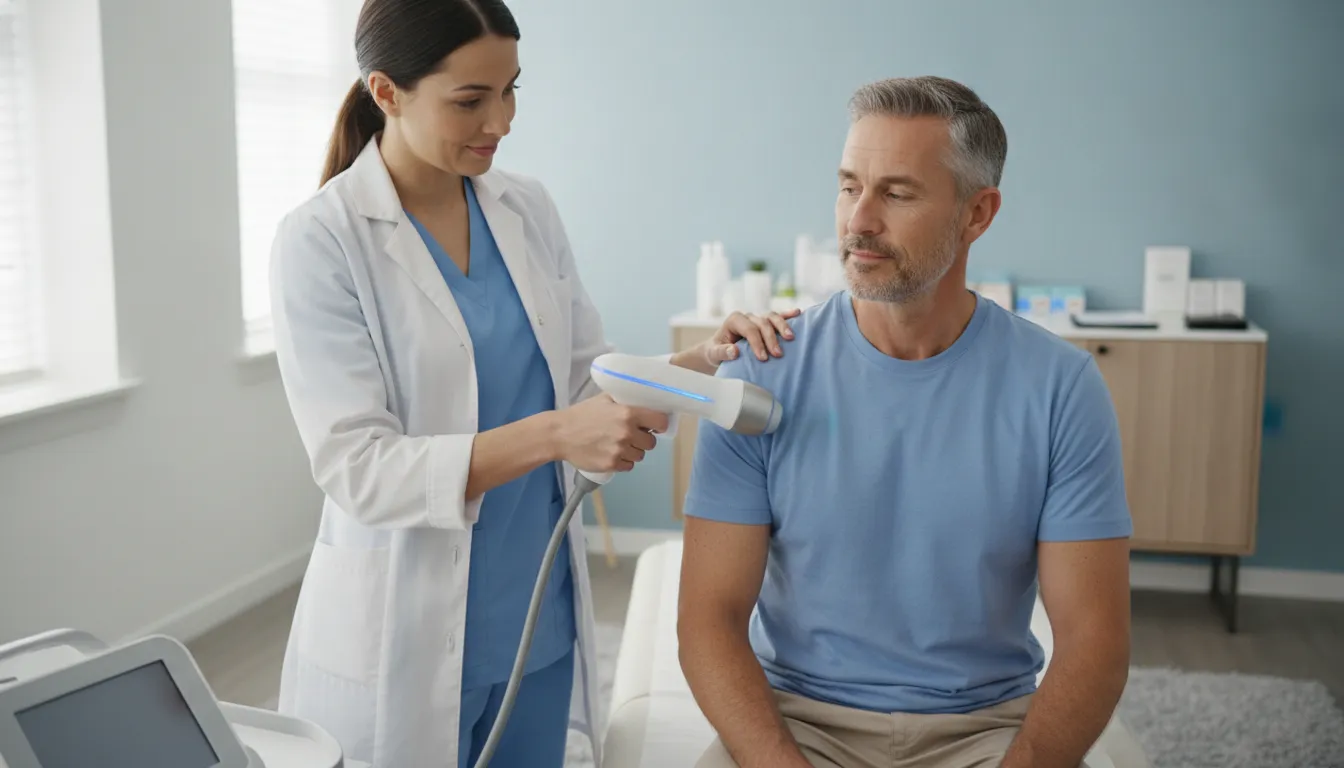
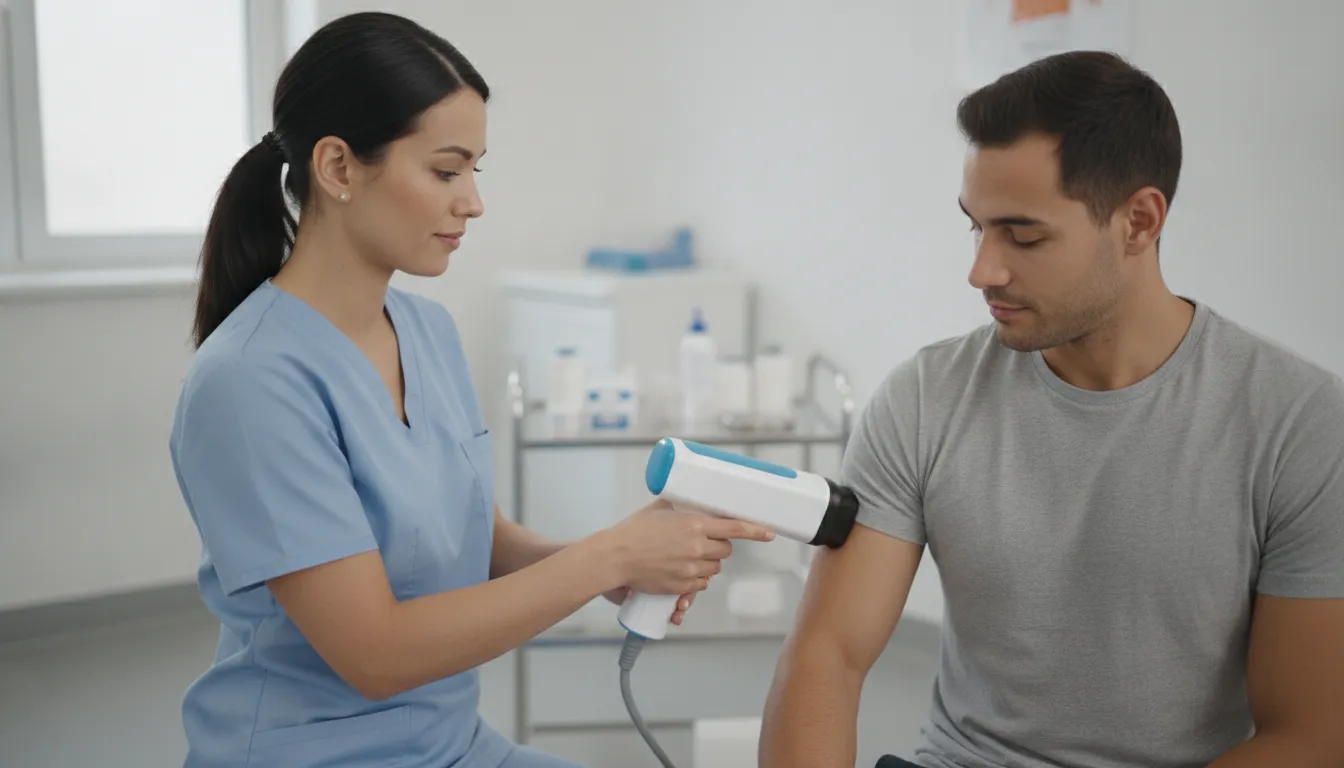
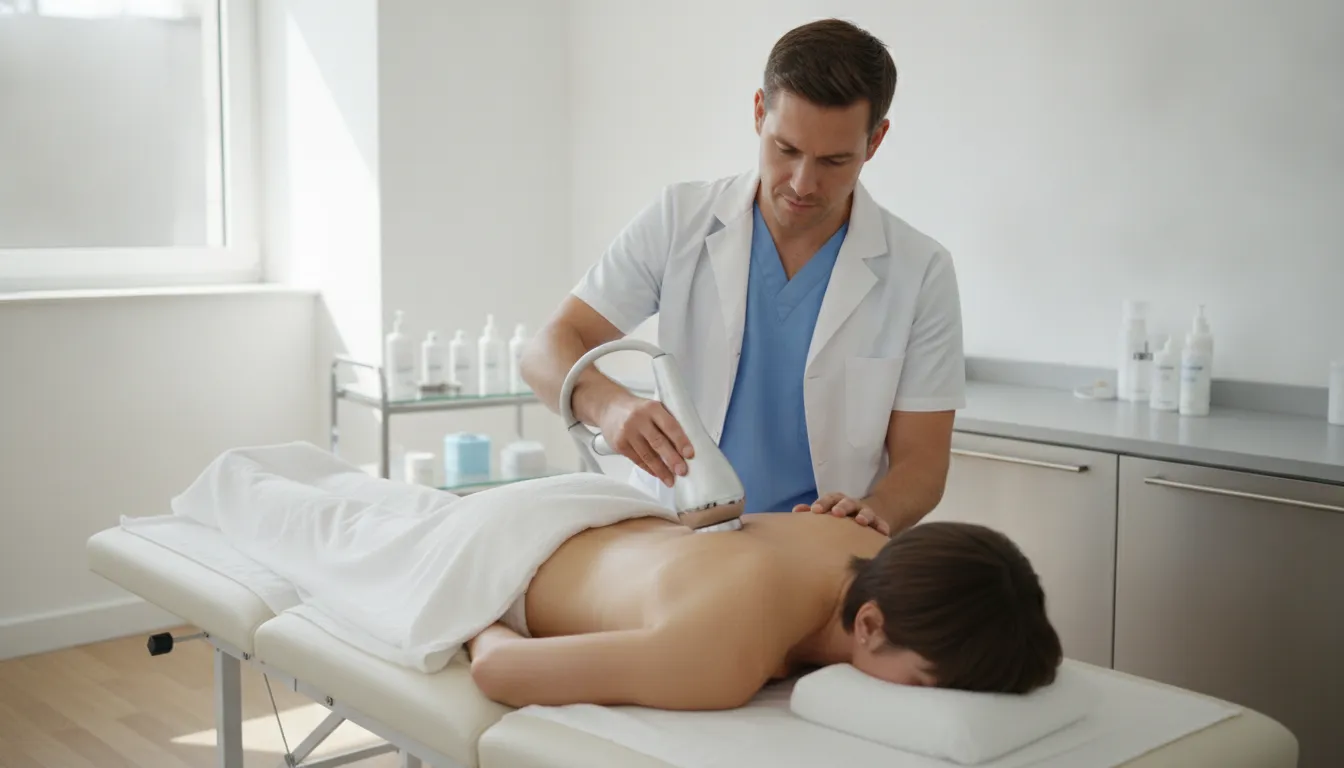
During the session, a trained healthcare professional applies the specialized SoftWave Gold Li Series device patented applicator to the knee. These sound waves penetrate deep into the knee tissue, research suggests this stimulates mesenchymal cells and initiates the regenerative process. The treatment focuses on targeting the underlying causes of knee pain, promoting tissue repair, and modulating inflammation. Patients generally report minimal discomfort or sensation during the procedure. Additionally, SoftWave therapy typically does not produce any significant side effects, allowing for a safe and well-tolerated treatment option.
Following the SoftWave appointment, patients may be advised to follow specific post-treatment instructions, which can vary depending on the individual case and the healthcare provider’s recommendations. These instructions may include managing any temporary soreness or swelling, avoiding strenuous activities for a brief period, and maintaining a healthy lifestyle to support the regenerative process.
Searching for “Stem Wave Therapy Near Me”?
If you searched for “stem wave therapy near me,” you’re likely looking for SoftWave Therapy. Use our Provider Locator to find qualified, FDA-cleared SoftWave providers in your area. Be cautious: some clinics advertise “stem wave” or “acoustic wave” but do not use FDA cleared shockwave technology. Always ask about FDA clearance and supporting evidence.
SoftWave Therapy for Knees: FAQ
How long do the effects of SoftWave therapy for knees last?
For some patients, the results of SoftWave therapy can be long-lasting, with sustained pain reduction and improved functionality. These individuals may experience a considerable period of relief without the need for any additional therapy sessions. However, it’s important to acknowledge that each person’s response to treatment can differ based on various factors, such as the severity of the condition and individual healing patterns.
It’s not unheard of for some patients to experience a return of discomfort or symptoms at a later date, particularly if the underlying condition or factors contributing to knee pain persist or progress. The good news is that SoftWave therapy is a flexible and accessible treatment option, allowing for additional therapy sessions as needed.
If symptoms resurface, scheduling additional SoftWave therapy sessions can help combat the returning pain and provide relief. The ease of scheduling and relatively short treatment duration make it convenient for patients to undergo additional sessions as required. The duration of the treatment’s effectiveness can depend on individual factors and the specific condition being treated. Many patients find that the benefits of SoftWave therapy last for months or even years, while others may benefit from periodic maintenance sessions to manage recurring or progressive knee pain.
How much does SoftWave therapy for knees cost?
In most cases, SoftWave therapy is an extremely cost-effective option, particularly when compared to more invasive surgical options. That said, the cost of SoftWave therapy for knees can vary depending on several factors, including geographic location, the specific healthcare provider or clinic offering the treatment, and individualized treatment plans. Patients must consult with healthcare professionals or clinics directly to obtain accurate and up-to-date pricing information.
When considering the cost of SoftWave therapy, it is important to weigh it against the potential benefits, including pain relief, improved functionality, and enhanced quality of life. Patients should also inquire about any available financing options or payment plans that can help make the treatment more accessible and manageable.
Is SoftWave therapy covered by insurance?
SoftWave therapy is not consistently covered by insurance, as coverage often depends on the provider, diagnosis, and individual policy terms. While some insurance plans may reimburse part of the treatment cost under regenerative or physical medicine categories, many consider it an out-of-pocket service. However, many clinics offer flexible payment plans or financing options to make SoftWave therapy more accessible. It’s always a good idea to check with both your healthcare provider and insurance company before beginning treatment. Verifying pre-authorization and documentation requirements in advance can help avoid unexpected costs.
What Knee Problems Can SoftWave Therapy Help With?
SoftWave therapy can support a wide range of knee-related conditions, particularly those involving inflammation, degeneration, or injury. These include:
- Osteoarthritis
- Meniscus tears
- Patellar tendinitis (jumper’s knee)
- Patellar tendinopathy
- Ligament injuries (such as sprains or partial tears)
- Iliotibial (IT) band syndrome
- Post-surgical healing support
- Chronic knee pain with no clear structural cause
By promoting blood flow, stimulating cell regeneration, and reducing inflammation, SoftWave helps target the root causes of these conditions rather than masking symptoms.
Can SoftWave therapy prevent knee surgery?
SoftWave therapy often helps delay or even prevent the need for invasive knee surgery. It stimulates the body’s natural healing response, helping damaged tissue repair, easing inflammation, and reducing pain. Many patients notice improved joint function and mobility as a result. This makes SoftWave a strong option for those who want to avoid the risks, recovery time, and high costs of surgery. While it may not replace surgery in every case, it’s commonly used as an early or supportive treatment to manage symptoms and encourage healing.
Where can I find SoftWave therapy?
To find “stem wave therapy near me”, check our qualified healthcare providers or clinics in our list of SoftWave Therapy providers. Simply search by city or zip code to locate the nearest SoftWave provider quickly.
Patients should consider speaking with their primary care physician, orthopedic specialist, or physical therapist. This way, these professionals may direct patients to local providers who offer SoftWave therapy and provide valuable recommendations based on their understanding of the patient’s specific situation.
Softwave: The Trusted Solution for Shockwave Knee Therapy
Shockwave therapy offers a promising and innovative approach to managing knee pain and improving functionality. By harnessing the regenerative potential of stem cells and utilizing electrohydraulic sound waves, this treatment targets the underlying causes of knee conditions and promotes natural, healthy tissue repair for reduced pain, enhanced mobility, and the potential for long-lasting relief.
When exploring shockwave therapy, choosing a trusted and experienced provider makes all the difference. SoftWave is a leading name in stem wave treatment, known for its innovative Gold Li Series device. This advanced technology has redefined the standard of care, delivering more effective treatments and supporting better healing outcomes.
SoftWave is committed to delivering safe, effective, and patient-friendly shockwave therapy. If you’re a medical provider ready to offer innovative, research-backed, non-invasive knee treatments, take the next step and become a SoftWave provider today. Join a network of providers transforming patient care through excellence and proven results.
Disclaimer
“Stem wave therapy” is a search term commonly used online but does not represent an FDA-cleared therapy. Some devices marketed under this phrase are acoustic or pressure wave devices without FDA clearance for shockwave therapy. SoftWave® Therapy is distinct, FDA-cleared shockwave technology supported by research.