 Summarize with ChatGPT
Piezowave is a non-invasive shockwave therapy device used to treat chronic musculoskeletal and urologic conditions. As more clinics adopt shockwave treatments, it becomes increasingly important to compare how different systems perform. Devices vary in wave generation, treatment depth, and energy distribution, factors that directly influence patient comfort, tissue response, and treatment efficiency. This comparison outlines how Piezowave stacks up against other focused, radial, and broad-focused technologies, helping providers choose the right solution for their clinical goals.
What Is Piezowave Shockwave Therapy and How Does It Work?
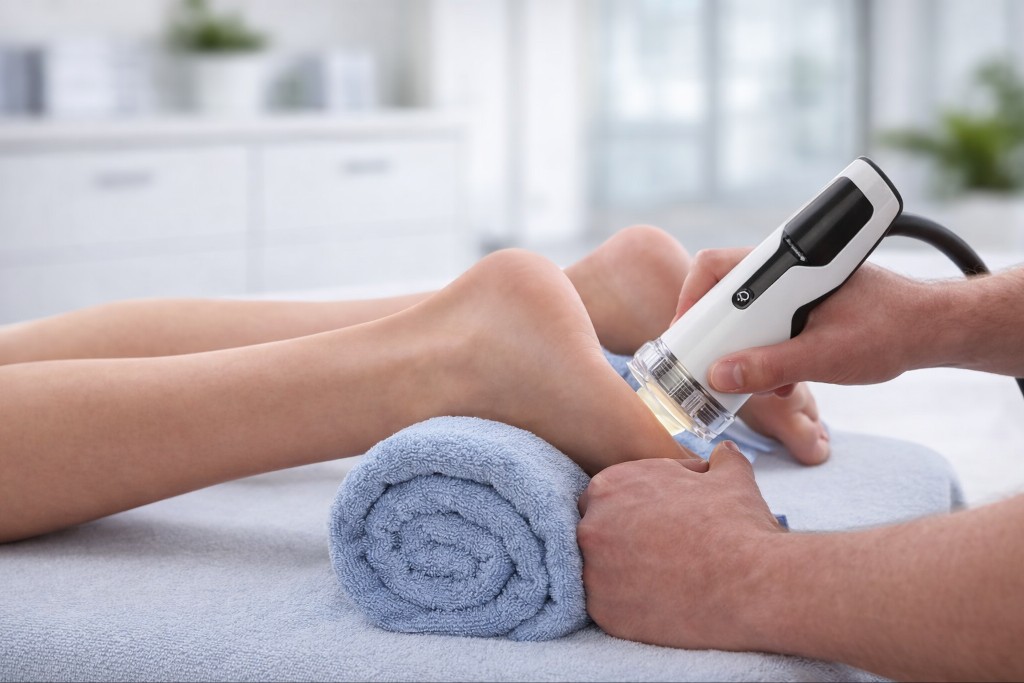
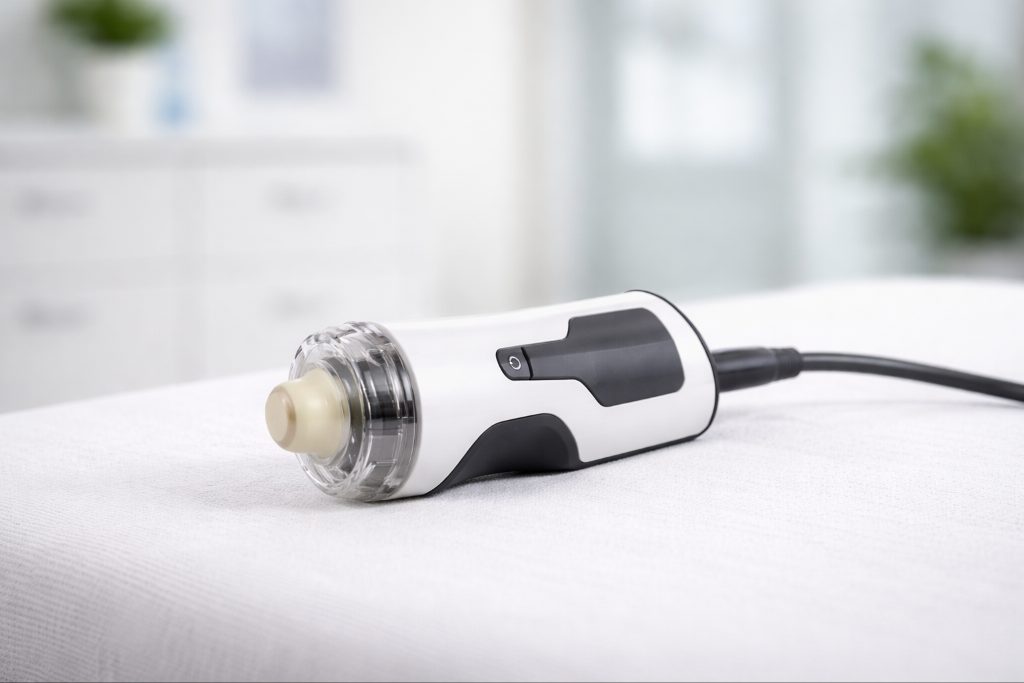
Piezowave is a focused extracorporeal shockwave therapy (ESWT) system that uses piezoelectric crystals to generate high-pressure acoustic pulses. These crystals deform under electrical stimulation and produce shockwaves that self-focus to a defined point, typically up to 6 cm deep, without requiring a reflector. This design delivers a precise, high-energy focal zone, ideal for targeting localized injuries such as tendon insertions or scar tissue, while minimizing energy spread to surrounding areas. The result is a controlled mechanical stimulus that reaches therapeutic depths efficiently.
Once delivered, the focused shockwaves stimulate angiogenesis and modulate inflammation, thereby accelerating tissue regeneration and reducing pain (Motil et al., 2016). This mechanism is particularly useful in chronic, treatment-resistant conditions. In one study, patients with plantar fasciitis experienced sustained improvements in pain and function six months after receiving piezoelectric shockwave therapy (Vaamonde-Lorenzo et al., 2019). Piezowave has also shown benefit in treating vasculogenic erectile dysfunction by promoting neovascularization. These effects make it a valuable modality for localized tissue repair across multiple specialties.
Medical Indications of Piezowave Shockwave Therapy
Piezowave shockwave therapy is utilized across multiple specialties for conditions characterized by chronic inflammation, poor wound healing, or persistent pain. Key indications include:
- Plantar Fasciitis: Helps resolve chronic heel pain by inducing vascularization in the plantar fascia and breaking up calcific spurs. Patients often experience reduced pain and improved foot function within weeks of treatment.
- Achilles Tendinopathy: Stimulates tendon healing in chronic Achilles injuries. Shockwaves trigger collagen regeneration and reduce fibrosis in the tendon, relieving pain and improving ankle mobility.
- Lateral Epicondylitis (Tennis Elbow): Targets the common extensor tendon attachment to decrease inflammation and encourage repair. Many patients report improved grip strength and reduced elbow pain after a few sessions.
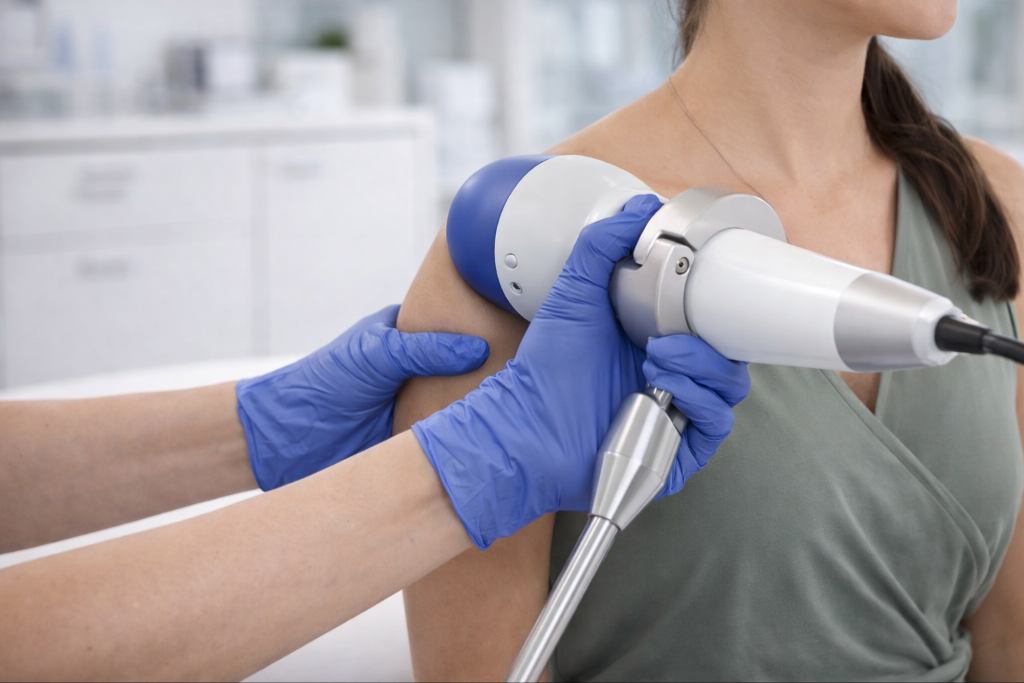
- Calcific Rotator Cuff Tendinitis: Focused waves can help fragment calcium deposits in the rotator cuff tendons and increase blood flow. This leads to better shoulder range of motion and pain relief in calcific tendonitis of the shoulder.
- Erectile Dysfunction (Vasculogenic ED): Low-intensity Piezowave therapy applied to the penile tissues promotes new blood vessel growth and improves penile hemodynamics. Over several weeks, men with mild-to-moderate ED can see improved erectile function without medications.
- Chronic Wounds and Ulcers: Enhancing microcirculation and growth factor release allows shockwave therapy to aid in the healing of stubborn diabetic foot ulcers or pressure sores. It is often used alongside standard wound care to accelerate tissue regeneration in non-healing wounds.
Reviewing Alternatives to Piezowave Shockwave Therapy
When evaluating shockwave therapy devices, it is crucial to understand how different technologies differ in terms of wave generation, treatment depth, and clinical application. Several widely used systems offer distinct mechanisms and therapeutic profiles, each with implications for efficacy, patient comfort, and overall utility in practice:
SoftWave Therapy
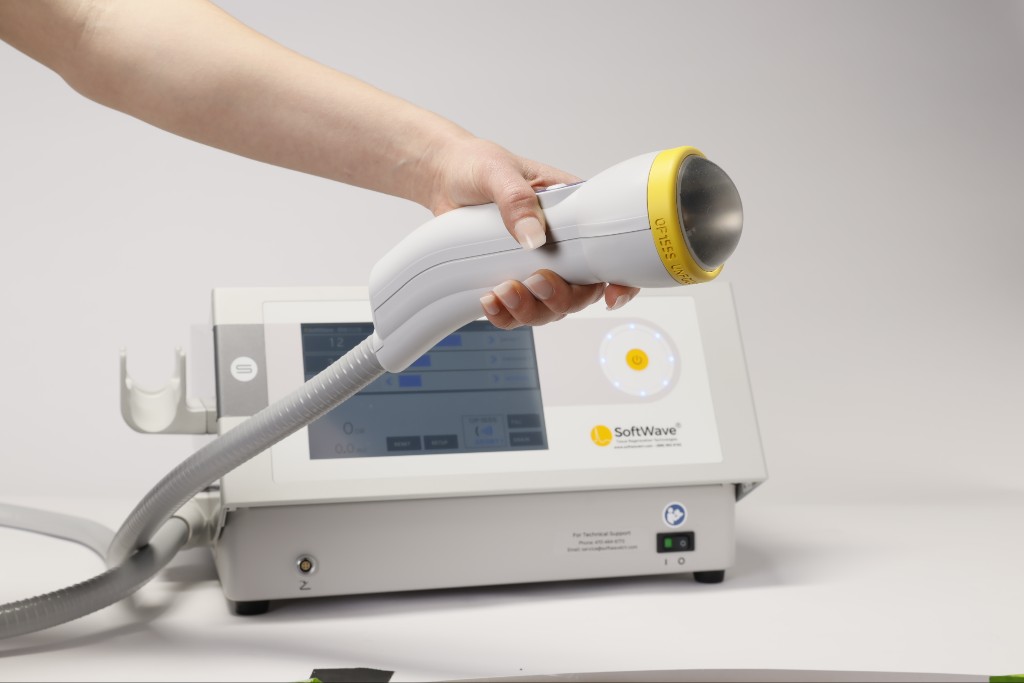
SoftWave Therapy devices, such as the SoftWave Gold Li Series, use an electrohydraulic generator with a patented parabolic reflector to create broad-focused shockwaves that treat both superficial and moderately deep tissues. Each pulse disperses energy over a 7 cm x 12 cm area with approximately 30 mm of penetration, allowing for large anatomical coverage without precision point targeting. This makes it efficient for treating conditions such as plantar fasciitis, tendinopathies, stress fractures, and chronic wounds, while also being FDA-cleared for modulating pain and inflammation, as well as improving blood flow and tissue activation.
Patient tolerance is typically high due to the distributed nature of energy delivery, reducing focal discomfort. In a clinical trial for erectile dysfunction, SoftWave demonstrated significant improvements in erectile function with no reported adverse effects, and most participants responded positively (Goldstein et al., 2024). Providers value its ability to treat broader regions with fewer shocks, which can reduce treatment time and fatigue. SoftWave’s broad-focus technology distinguishes it as a versatile, non-invasive option for clinics managing a wide range of regenerative and musculoskeletal indications.
Providers looking to expand their clinical capabilities can explore the advantages of the Best Shockwave Therapy Machine for Providers.
Storz Radial Device
Storz Medical’s radial shockwave systems, like the D-Actor and Masterpuls lines, generate pressure waves via a pneumatic mechanism that disperses energy outward into soft tissue. These waves typically penetrate up to 3–4 cm and are not focused at a single point, making them suitable for broad, superficial applications such as plantar fasciitis, lateral epicondylitis, and myofascial trigger points.
While less intense than focused waves, radial ESWT has shown clinical efficacy. A multicenter RCT by Ibrahim et al., (2017) reported significant pain relief in chronic plantar fasciitis using Storz radial therapy, with pain scores dropping from 8/10 to 1/10 at 6 and 12 months. Storz units are compact, user-friendly, and typically more affordable than focused systems. Treatments are well tolerated, often described as a firm tapping sensation with minimal post-treatment discomfort.
BTL Shockwave Device
BTL’s 6000 series provides radial ESWT using pneumatic ballistic technology, targeting superficial to mid-depth tissue (up to ~3 cm). These devices are widely used for treating tendonitis, shin splints, and musculoskeletal pain, and are often bundled with other modalities, such as ultrasound, for added versatility.
In a recent clinical study by Islam et al., (2023), the BTL-6000 SWT demonstrated improvement in erectile function after eight sessions, suggesting radial waves can trigger angiogenesis even in vascular tissues. BTL units are moderately priced, feature preset protocols, and are well tolerated by patients. Treatment feels percussive but generally requires no anesthesia and allows for immediate return to activity.
Zimmer enPuls Pro
The Zimmer enPuls Pro delivers radial shockwaves using electromagnetic propulsion, offering consistent energy output with tissue penetration of a few centimeters. Its compact design and high-frequency pulse rate (up to 15 Hz) make it suitable for treating large areas like muscle bellies. Common clinical applications include plantar fasciitis, patellar tendinopathy, and myofascial pain syndromes.
In a randomized controlled trial, electromagnetic radial shockwave therapy significantly improved pain and function in patients with chronic Achilles tendinopathy, supporting its clinical use (Gollwitzer et al., 2015). Treatments are quick and generally well tolerated, described by patients as strong tapping with minimal discomfort. The enPuls Pro’s durability and ease of integration make it a practical option for high-volume sports rehab settings.
Comparing Shockwave Devices: Depth, Comfort, and Clinical Utility
The table below highlights key differences among the five leading shockwave therapy devices. It compares their technology type, treatment depth, primary indications, patient comfort, and estimated cost range to help clinicians evaluate options based on clinical needs and practice goals:
| Device (Model Name) | Technology Type | Energy Delivery & Depth | Primary Indications | Patient Comfort | Estimated Cost Range |
| SoftWave Therapy (SoftWave Gold Li Series) | Broad-focused (Electrohydraulic) | ~30 mm depth; 7×12 cm coverage area | Tendinopathies, MSK pain, diabetic ulcers, burns, ED | High; low-peak pressure, no anesthesia | $19,000 to $39,100 |
| Piezowave Therapy (Piezowave2) | Focused (Piezoelectric) | Adjustable focus up to ~6 cm | Plantar fasciitis, calcific tendinitis, ED, chronic wounds | Moderate; pinpoint sensation | $25,000 to $45,000 |
| Storz Radial Device (Masterpuls Series) | Radial (Pneumatic) | ~3–4 cm; energy disperses from surface | Plantar fasciitis, lateral epicondylitis, trigger points | Good; tapping or thumping sensation | $15,000 to $25,000 |
| BTL Shockwave Device (BTL-6000 SWT) | Radial (Pneumatic) | ~3 cm; surface-level energy | Tendonitis, chronic pain, aesthetic applications, ED (off-label) | Adjustable; typically well tolerated | $20,000 to $40,000 |
| Zimmer enPuls Pro (enPuls Pro) | Radial (Electromagnetic) | Few cm depth; consistent radial spread | Myofascial pain, plantar fasciitis, enthesopathies | Good, smooth wave rise for comfort | $12,000 to $45,000 |
Note: Device features and cost estimates are based on publicly available research and clinical sources. Prices may vary depending on geographic location, distributor, and included accessories or service agreements. For exact pricing and product specifications, clinicians should contact each manufacturer or authorized distributor directly.
Expand Your Treatment Capabilities with SoftWave Therapy
Piezowave and other shockwave systems offer value depending on the clinical goal. Focused devices like Piezowave excel at treating small, targeted areas, while radial options work well for superficial, diffuse pain. However, SoftWave Therapy provides a broader treatment zone with deeper penetration, allowing providers to address complex conditions more efficiently and with greater patient comfort.
With applications across orthopedics, sports medicine, physical therapy, urology, and podiatry, SoftWave combines versatility with strong clinical outcomes. Learn more about this promising research-backed shockwave alternative.
Become a SoftWave Provider today and take the first step to elevate your clinical practice.