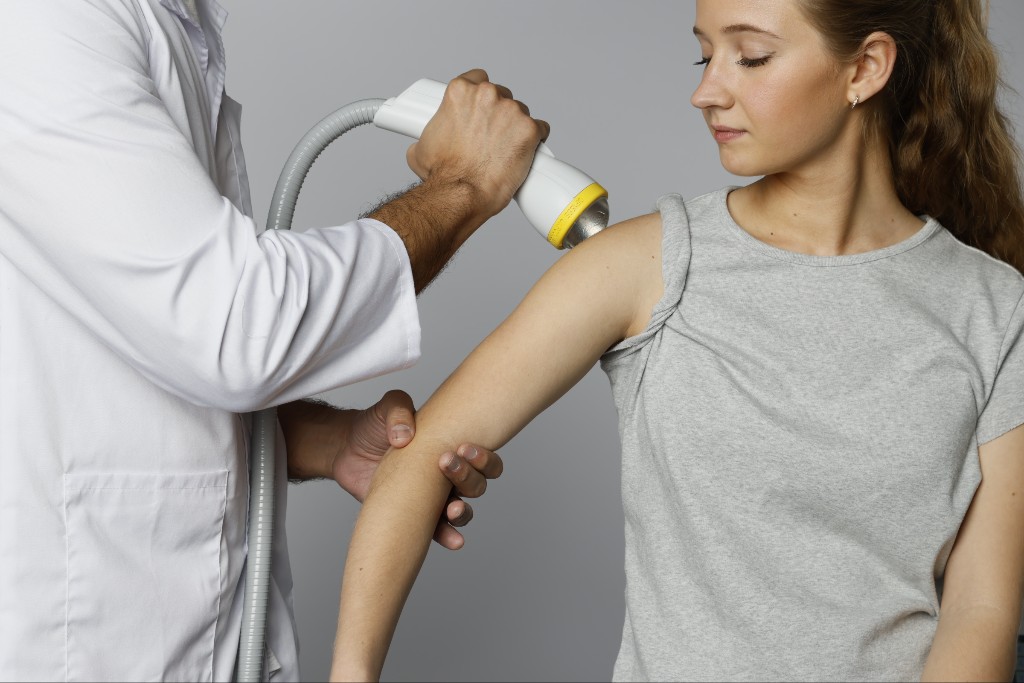
Rotator cuff, impingement, and overuse shoulder injuries are among the most common causes of pain and mobility limitation in clinical practice. Microtrauma and impaired tendon healing contribute to persistent dysfunction that often proves resistant to conservative interventions. As a result, regenerative shoulder treatment has gained attention for its ability to activate biological repair rather than...Read More
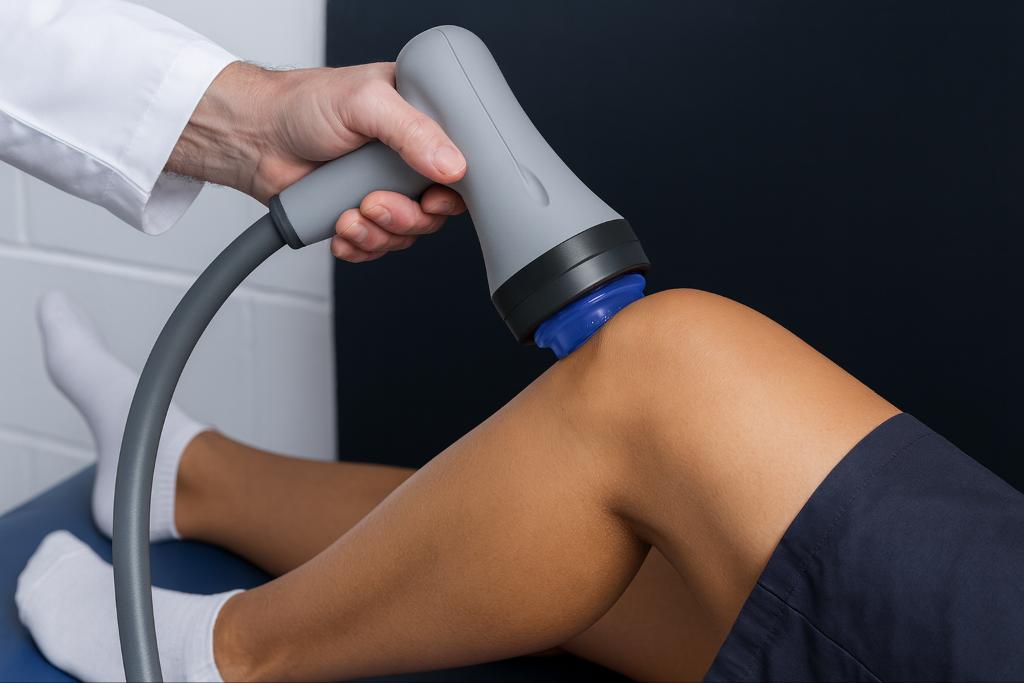
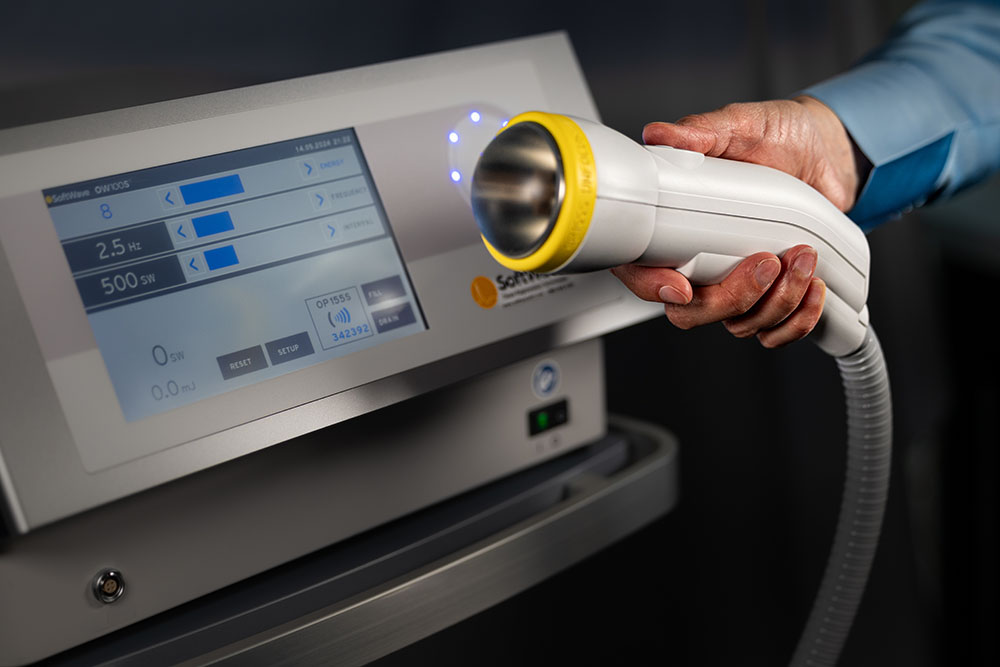
Shockwave therapy has expanded rapidly across orthopedic and regenerative care, yet the technology behind each device differs significantly. Many platforms are promoted as if they deliver comparable biological effects when their mechanisms vary in depth, field size, and energy architecture. HydroWave enters this landscape as a device that is marketed as a focused shockwave system,...Read More
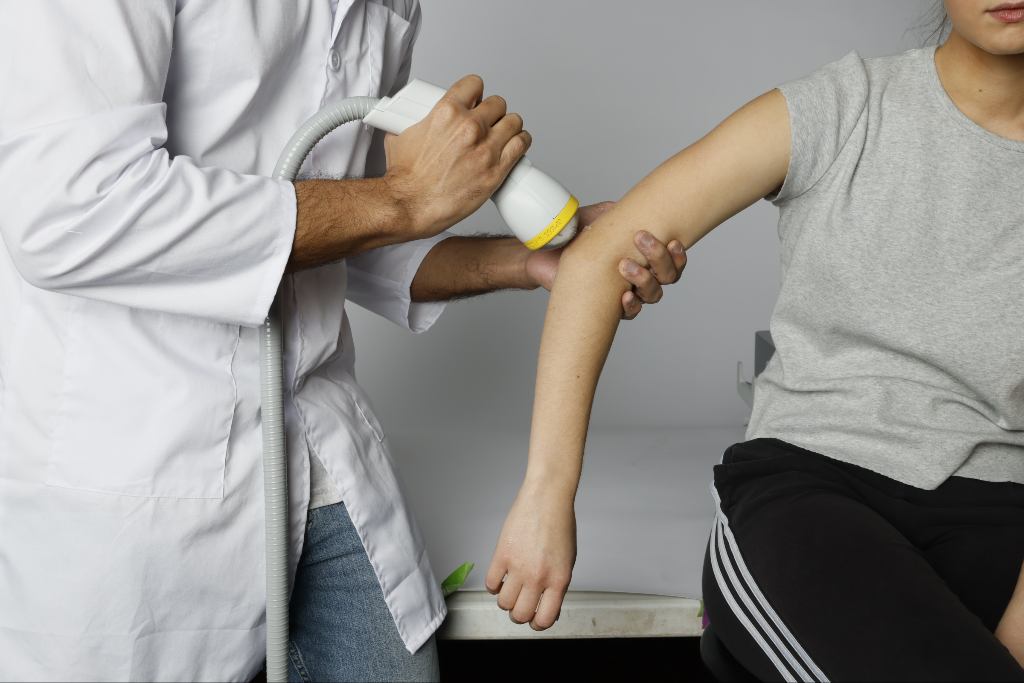
Chronic tendonitis, or tendinopathy, is a degenerative condition marked by ongoing pain and reduced function. Repeated strain and incomplete healing often disrupt tendon structure, leaving patients with persistent inflammation and limited mobility. While injections are frequently used as a chronic tendonitis treatment, their impact is usually short-lived. This gap in lasting care highlights the need...Read More
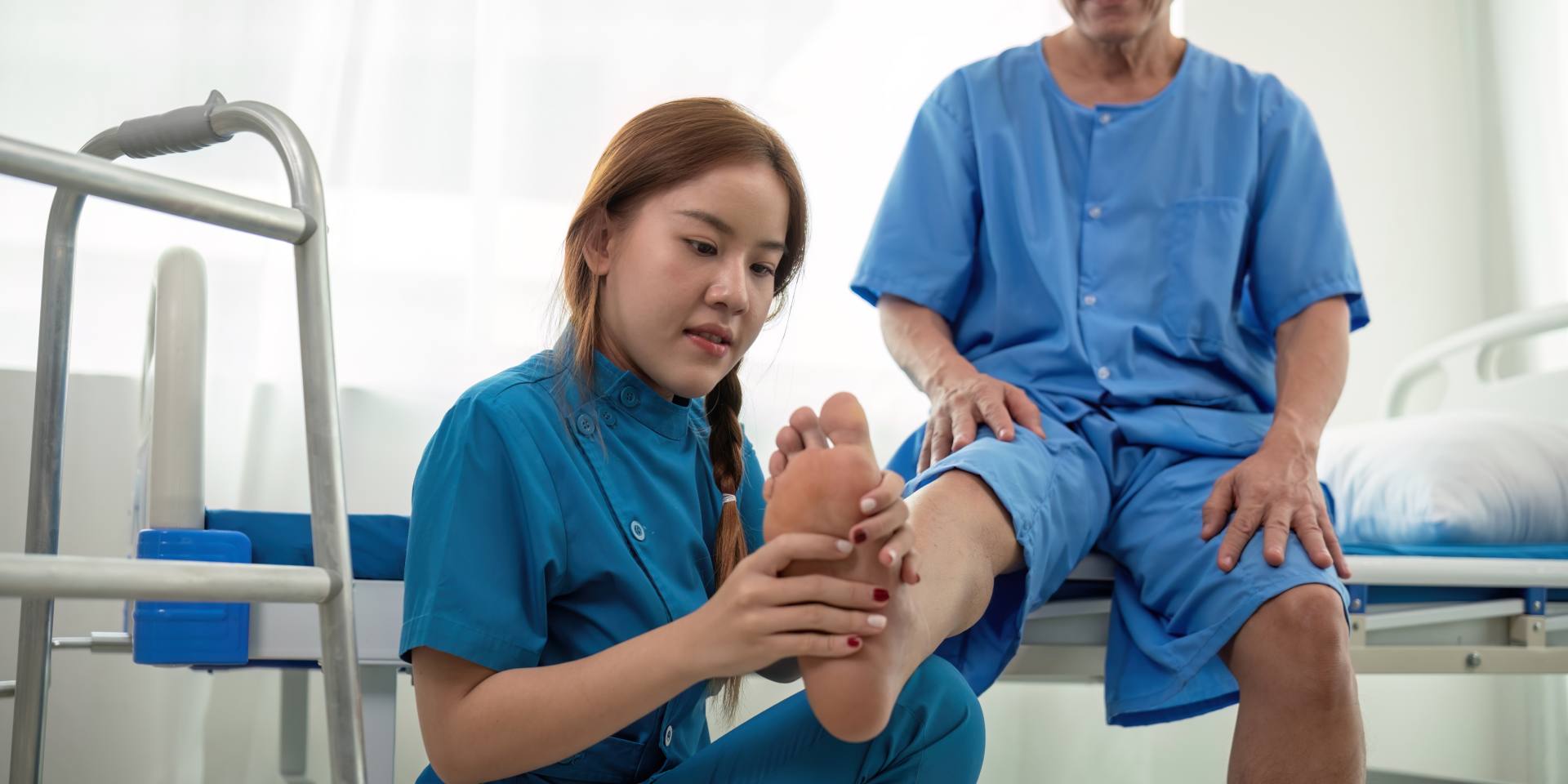
Tarsal Tunnel Syndrome (TTS) is a compression neuropathy of the posterior tibial nerve as it passes through the tarsal tunnel, a fibro-osseous canal located posterior to the medial malleolus. This condition is often underdiagnosed and can lead to chronic neuropathic pain, sensory disturbances, and functional impairment if not managed appropriately. What is Tarsal Tunnel Syndrome?...Read More
Carpal tunnel syndrome (CTS) is a prevalent condition affecting millions worldwide, characterized by pain, numbness, and weakness in the hand and wrist. Left untreated, CTS can lead to significant functional limitations, impacting quality of life and daily activities. Fortunately, advancements in medical devices have revolutionized the way clinicians manage this condition. From modulating inflammation to...Read More
Shockwave therapy has emerged as a powerful non-invasive treatment modality for a wide range of musculoskeletal conditions. Clinicians and medical professionals use two primary types of shockwave machines: focused shockwave therapy machines and radial shockwave therapy machines. Though they both operate on the principle of delivering acoustic energy to the body’s tissues, their mechanisms of...Read More
Cardiac shockwave therapy leads to the regeneration of heart tissue after coronary bypass surgery, a study published in the prominent European Heart Journal showed.Read More
Extracorporeal Pulse Activation Technology (EPAT) is a non-invasive treatment that uses pressure waves to stimulate metabolism, enhance blood circulation, and accelerate healing processes. By delivering acoustic pneumatic pulses into affected tissues, EPAT promotes repair and regeneration. It is applied across various musculoskeletal conditions such as plantar fasciitis, Achilles tendinopathy, lateral epicondylitis (tennis elbow), shoulder tendinitis,...Read More
Extracorporeal Shock Wave Therapy (ESWT) is broadly used as a non-surgical therapy in various diseases for its pro-angiogenic and anti-inflammatory effects. However, the molecular mechanisms translating tissue exposure to shock waves (SW) in a biological response with potential therapeutic activity are largely unknown. As macrophages take part in both the onset and amplification of the...Read More
For almost 30 years, extracorporeal shock wave therapy has been clinically implemented as an effective treatment to disintegrate urinary stones. This technology has also emerged as an effective noninvasive treatment modality for several orthopedic and traumatic indications including problematic soft tissue wounds. Delayed/nonhealing or chronic wounds constitute a burden for each patient affected, significantly impairing...Read More