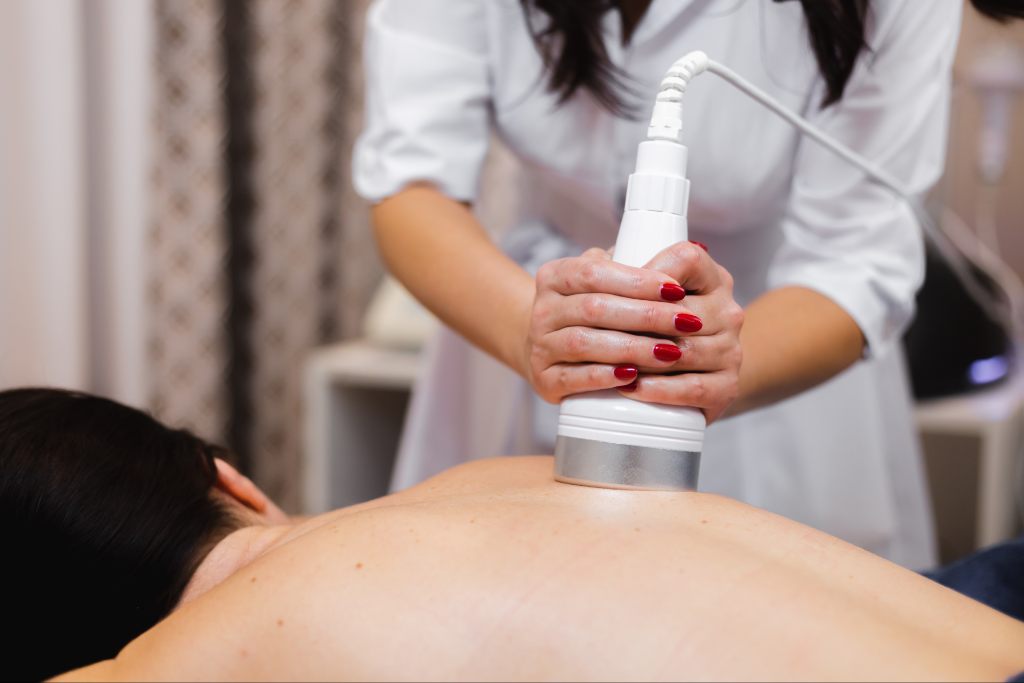
Extracorporeal Shockwave Therapy (ESWT) is a non-invasive modality employed across various medical disciplines, including orthopedics, sports medicine, and physical therapy. It utilizes acoustic waves to stimulate healing, promote tissue regeneration, and alleviate pain in musculoskeletal tissues. While ESWT offers numerous therapeutic benefits, understanding its contraindications is paramount to ensure patient safety and optimize treatment outcomes....Read More
The field of physical therapy has undergone significant advancements, with clinics increasingly integrating medical devices to enhance patient care. These physical therapy devices improve diagnostic precision, treatment effectiveness, and patient adherence to therapy regimens. Implementing such devices in clinical settings is instrumental for optimizing therapeutic outcomes, streamlining clinical operations, and ensuring comprehensive patient rehabilitation. How Physical...Read More
SoftWave Therapy, an FDA-cleared modality in regenerative medicine, offers a non-invasive approach to treating various musculoskeletal and soft tissue conditions. Utilizing electrohydraulic-generated acoustic waves stimulates biological responses that promote tissue regeneration and healing. Delving into the side effects of SoftWave Therapy, the mechanism of action, clinical indications, and safety profile provides insights for healthcare professionals...Read More
Musculoskeletal disorders are among the most common clinical challenges, necessitating interventions that address both symptoms and underlying pathology while minimizing adverse effects. Two prominent treatment modalities are extracorporeal shockwave therapy (ESWT) and corticosteroid injections. Shockwave therapy is a non-invasive technique that employs acoustic waves to stimulate cellular responses, promoting tissue regeneration without pharmacological agents. Conversely,...Read More
Patellar tendinitis represents a significant degenerative condition affecting active individuals, characterized by inflammation and microtrauma to the patellar tendon connecting the kneecap to the tibia. This pathology manifests predominantly in athletes participating in jumping-intensive sports such as basketball and volleyball, where repetitive loading stresses the tendon apparatus. Appropriate therapeutic intervention utilizing patellar tendinitis medical devices...Read More
Shockwave therapy represents a significant advancement in non-invasive medical treatment modalities. This therapeutic approach has demonstrated expanding applications across multiple medical specialties, including orthopedics, urology, and rehabilitative medicine. Zimmer shockwave therapy has emerged as a treatment option for physicians seeking effective non-surgical interventions for various musculoskeletal disorders and chronic pain conditions. The technology utilizes acoustic...Read More
Neuropathy, a common condition affecting a significant proportion of the population, especially in diabetic patients, presents substantial clinical challenges. Shockwave treatment, particularly Soft Wave Therapy for neuropathy, offers a promising non-invasive solution for managing peripheral nerve disorders. Neuropathy is characterized by pain, numbness, and functional limitations that often fail to respond adequately to traditional treatments...Read More
The short answer is no, a true shockwave therapy machine is not for home use. Can I Use a SoftWave Therapy Machine at Home? No, the absence of professional diagnosis and oversight presents significant concerns. Shockwave therapy as produced by a SoftWave device requires precise targeting of pathological tissues, and it is contraindicated in certain...Read More
Shockwave therapy continues to expand across orthopedics, sports medicine, podiatry, and rehabilitation. With that growth, numerous systems have entered the market, often described using similar terminology despite very different engineering and biological effects. OmniWave is one such name clinicians may encounter when researching shockwave devices. This article provides a balanced, evidence-based explanation of what OmniWave...Read More
Degenerative Disc Disease (DDD) is a common etiology of chronic low back pain that leads to persistent discomfort and diminishes quality of life by restricting mobility and daily activities. While surgical interventions are often considered to treat this condition, there are numerous non-surgical alternatives that can effectively manage and alleviate patients’ symptoms. What Is Degenerative...Read More