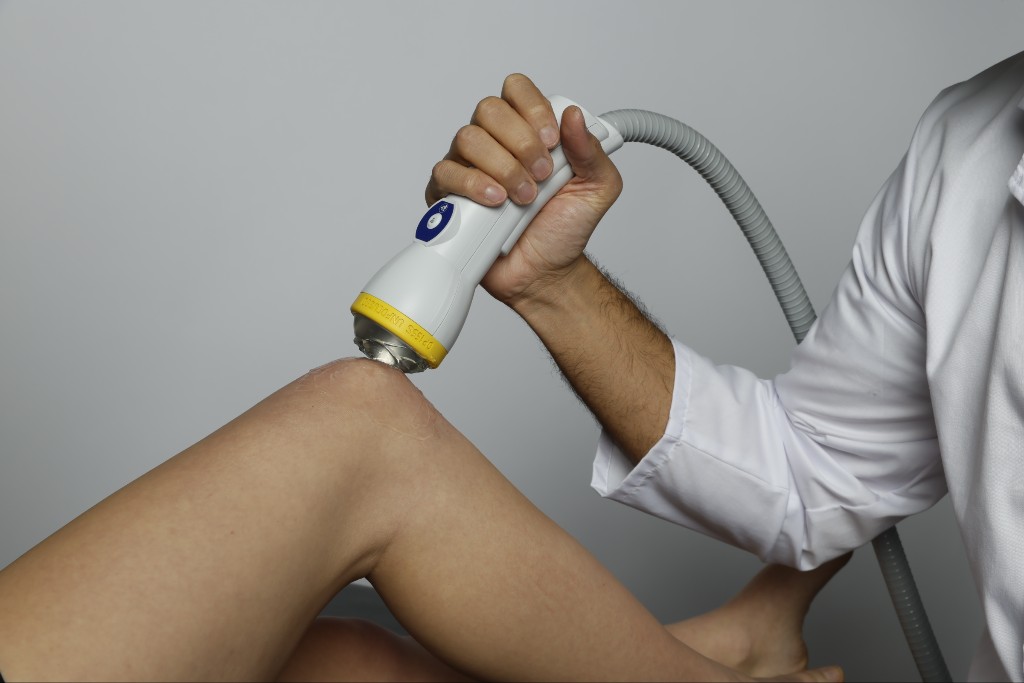
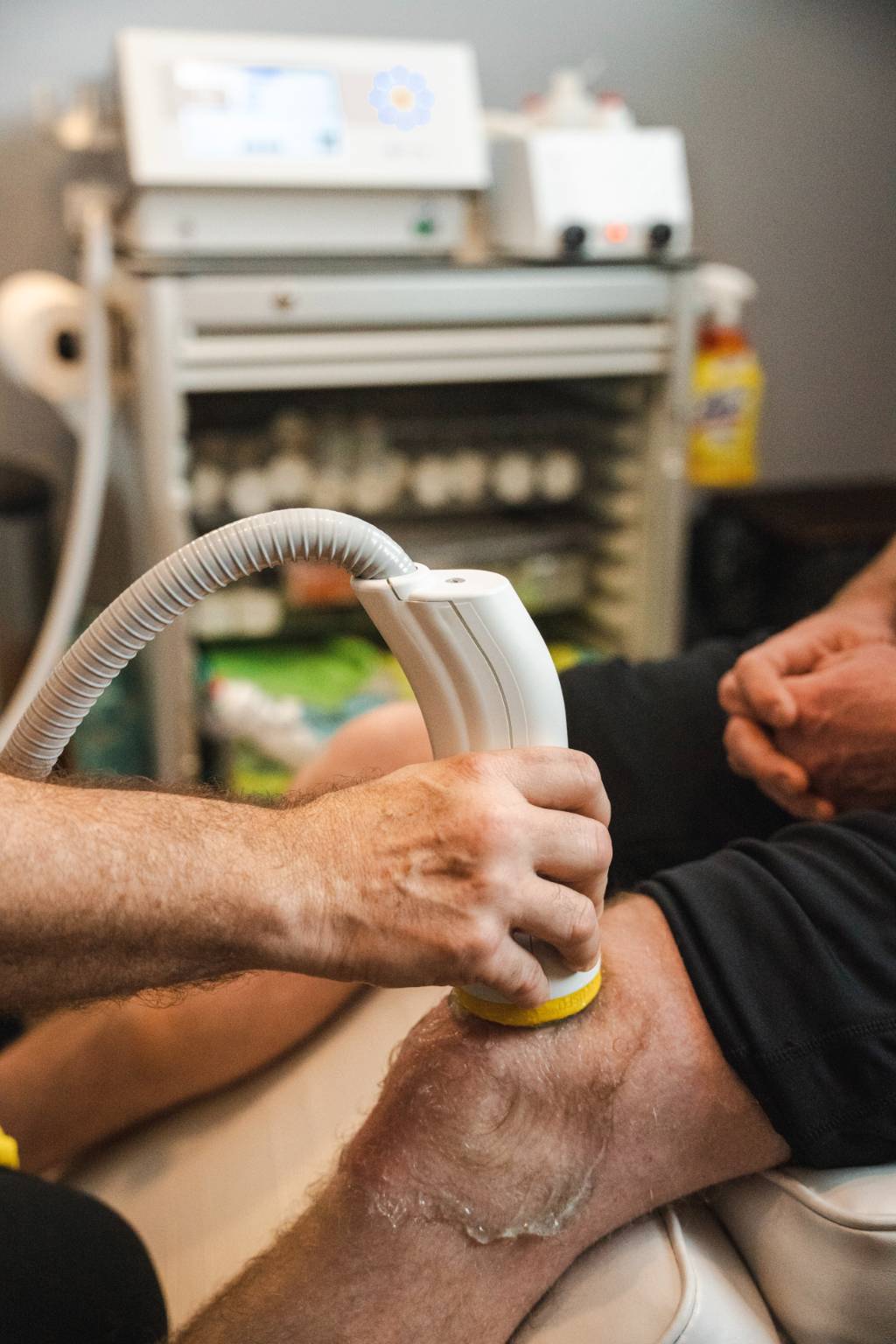
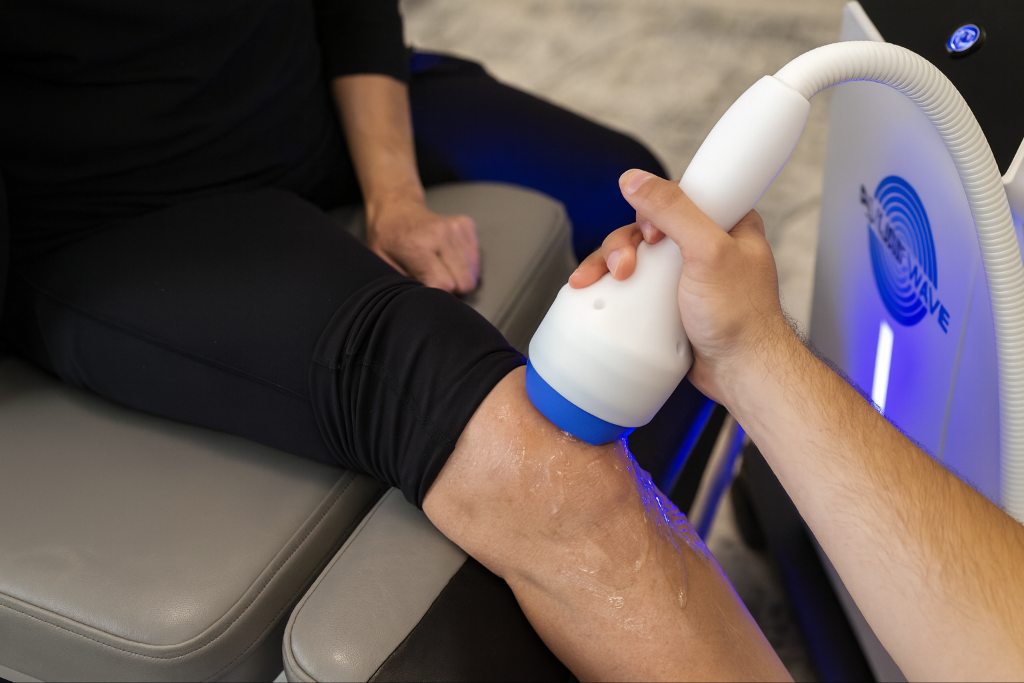
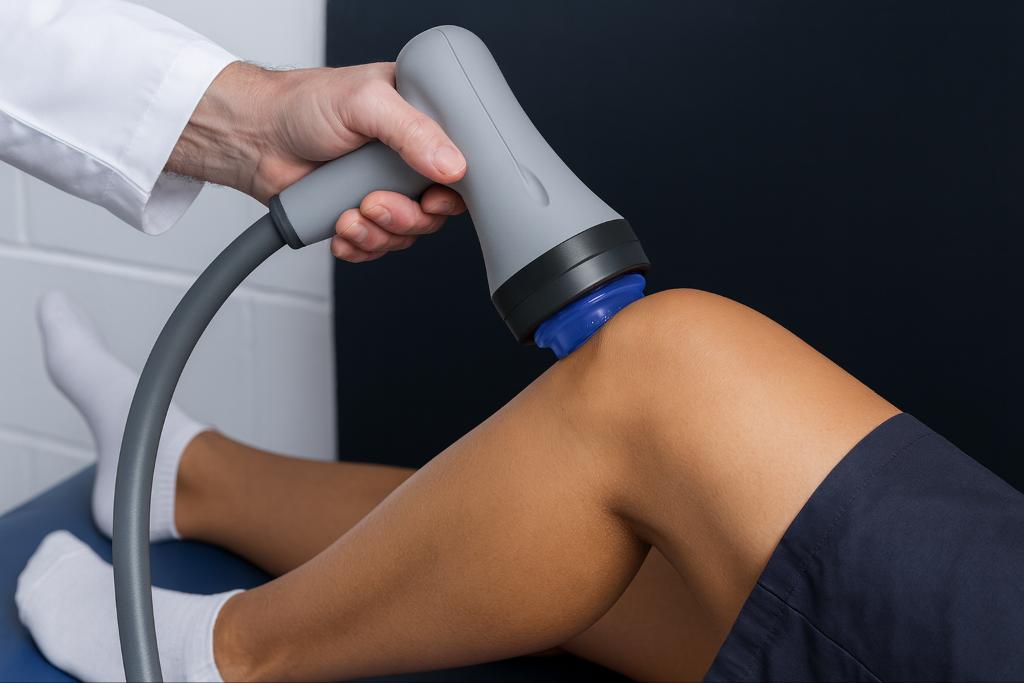
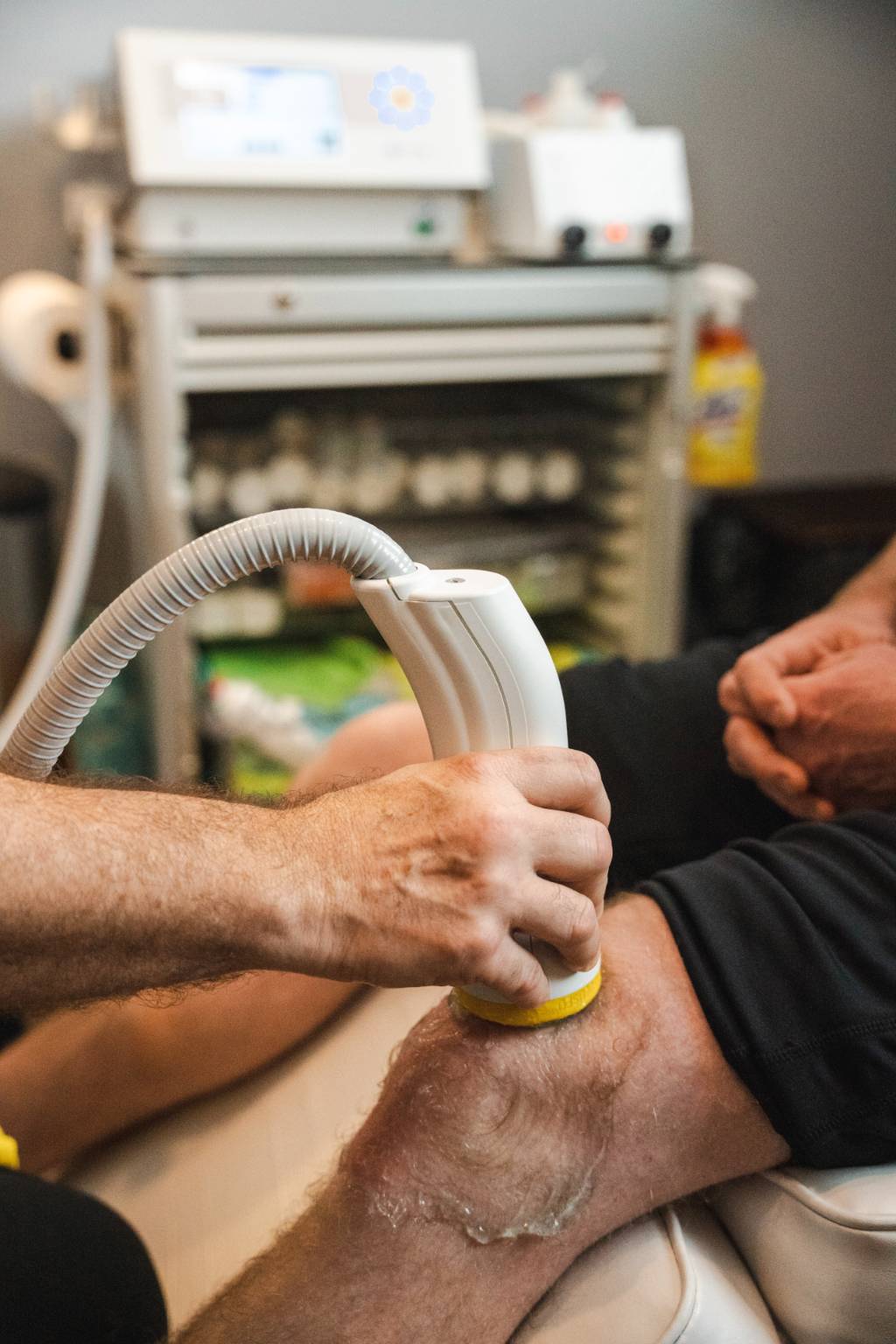
Knee pain affects approximately 25% of adults. Initial management typically includes physical therapy, oral or topical NSAIDs, and corticosteroid injections, but these measures provide only partial relief, leaving many patients with pain or functional limitations after months of standard care. As a result, clinicians are turning to evidence-based regenerative treatment for knees to promote tissue...Read More
Shockwave therapy has become an evidence-based approach for stimulating tissue repair and improving pain outcomes across orthopedics, physical medicine, and regenerative medicine. As more shockwave medical devices enter the market, differences in technology and clinical validation have created uncertainty among providers. Some systems marketed as shockwave technology produce only surface-level mechanical pulses with limited depth...Read More
Regenerative pain medicine continues to reshape patient care by promoting tissue repair rather than simply masking symptoms. Today’s clinicians have access to multiple regenerative pathways — including shockwave therapy and biologic injections — that activate healing through different mechanisms yet share the same goal: restoring healthy structure and function. SoftWave Therapy — an evidence-based extracorporeal...Read More
New devices enter the shockwave market each year with claims of improved efficiency and technical refinement. Pulsewave is one of these recent introductions. It is marketed as an electromagnetic-focused system, designed and assembled in the United States, and presented with statements about rapid symptom improvement, consistent performance, and minimal maintenance requirements. However, these points remain...Read More
Shockwave therapy has expanded rapidly across orthopedic and regenerative care, yet the technology behind each device differs significantly. Many platforms are promoted as if they deliver comparable biological effects when their mechanisms vary in depth, field size, and energy architecture. HydroWave enters this landscape as a device that is marketed as a focused shockwave system,...Read More
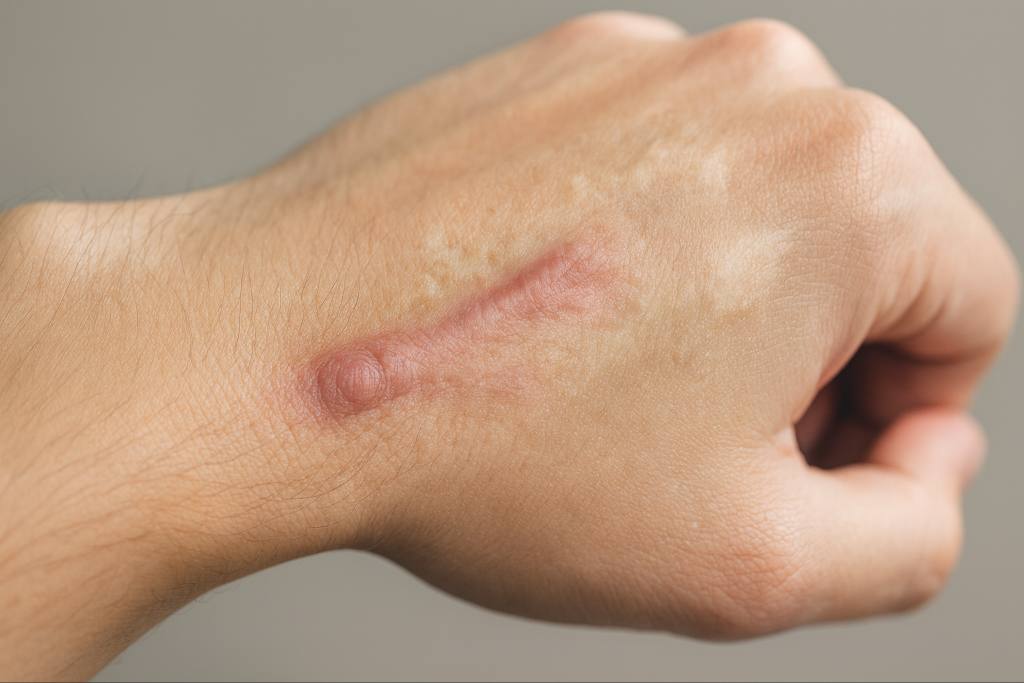
Regenerative skin treatment refers to advanced therapies that stimulate the body’s healing processes for tissue repair. Unlike conventional wound care, these methods promote the regrowth of healthy tissue in complex cases such as severe burns, hypertrophic scars, and chronic non-healing wounds. Extracorporeal shockwave therapy (ESWT) illustrates this approach, using shock waves to repair tissues without...Read More
Pickleball has become the fastest-growing sport in America, attracting both professional athletes and recreational players. Alongside the rise in participation, pickleball injuries are becoming more common, placing new demands on clinics and providers who manage musculoskeletal conditions. Riley Newman’s season nearly ended in July after a severe adductor strain, an injury that often sidelines athletes...Read More
Regenerative pain medicine is reshaping the way clinicians address musculoskeletal conditions. Rather than masking symptoms, these therapies aim to stimulate the body’s natural repair mechanisms and promote tissue regeneration that restores healthy structure and function. Exploring regenerative pain treatments such as injection-based options and shockwave therapy enables physicians to evaluate their distinct advantages and decide...Read More
Many meniscus tears do not require surgery and can be managed successfully with non-surgical meniscus tear treatment approaches. Avoiding an operation spares patients the risks associated with surgery and can accelerate their return to normal function. Recent evidence has increasingly favored conservative management for appropriate meniscus injuries, noting that outcomes from non-invasive treatments often match...Read More
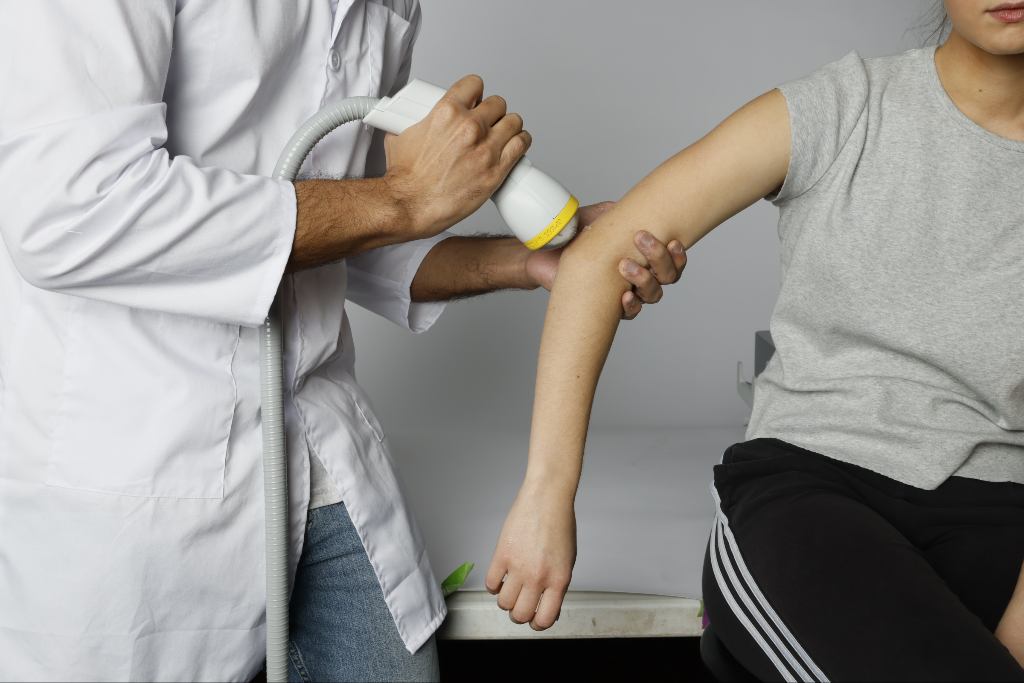
Chronic tendonitis, or tendinopathy, is a degenerative condition marked by ongoing pain and reduced function. Repeated strain and incomplete healing often disrupt tendon structure, leaving patients with persistent inflammation and limited mobility. While injections are frequently used as a chronic tendonitis treatment, their impact is usually short-lived. This gap in lasting care highlights the need...Read More