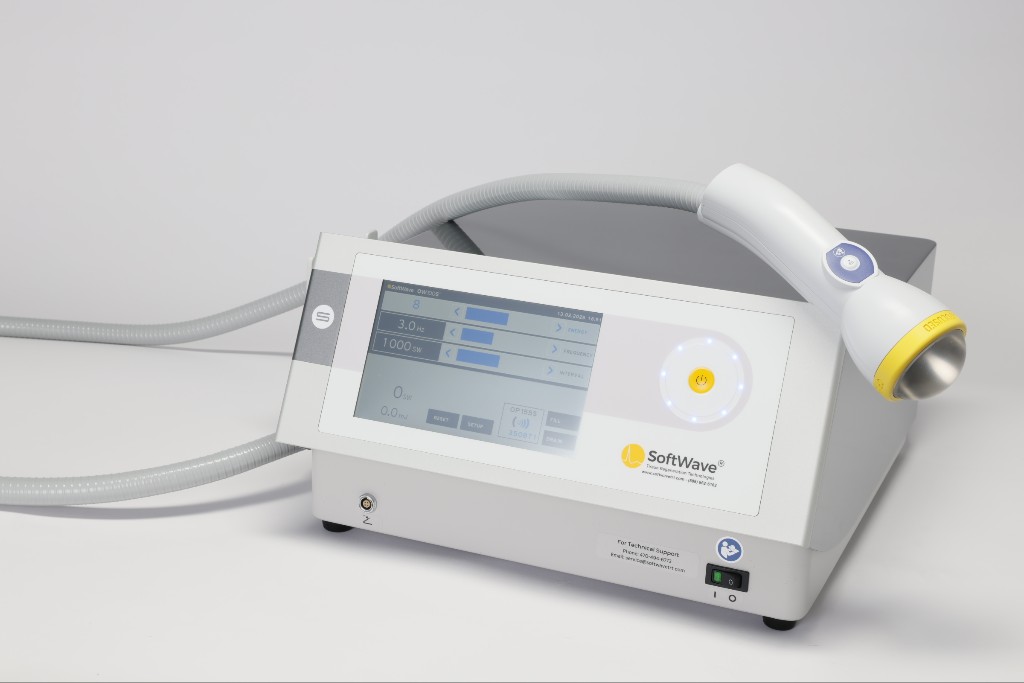
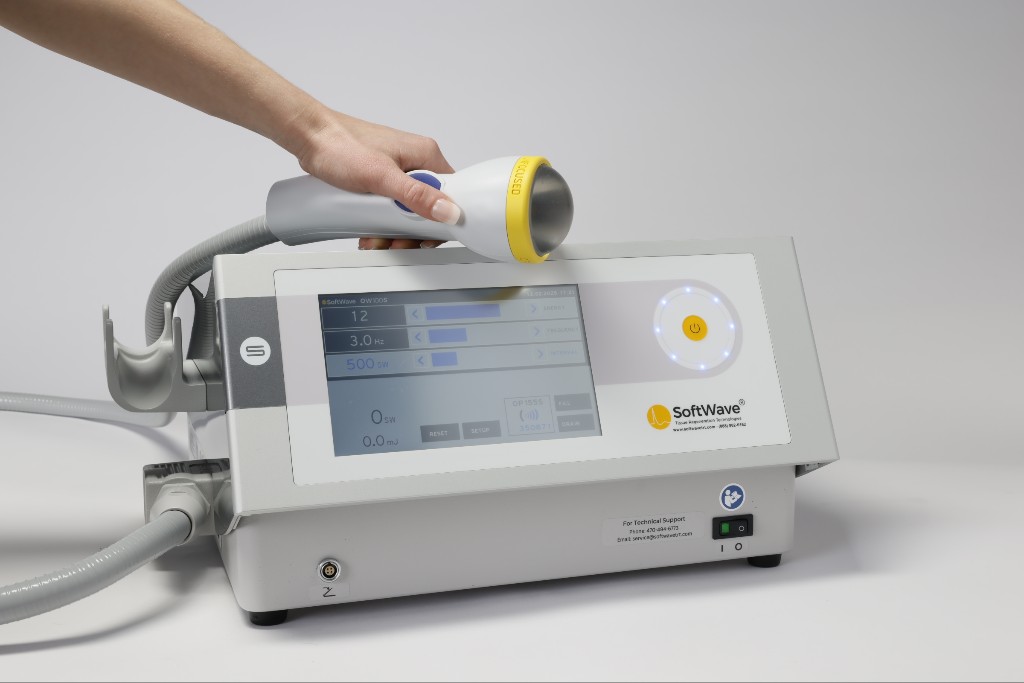
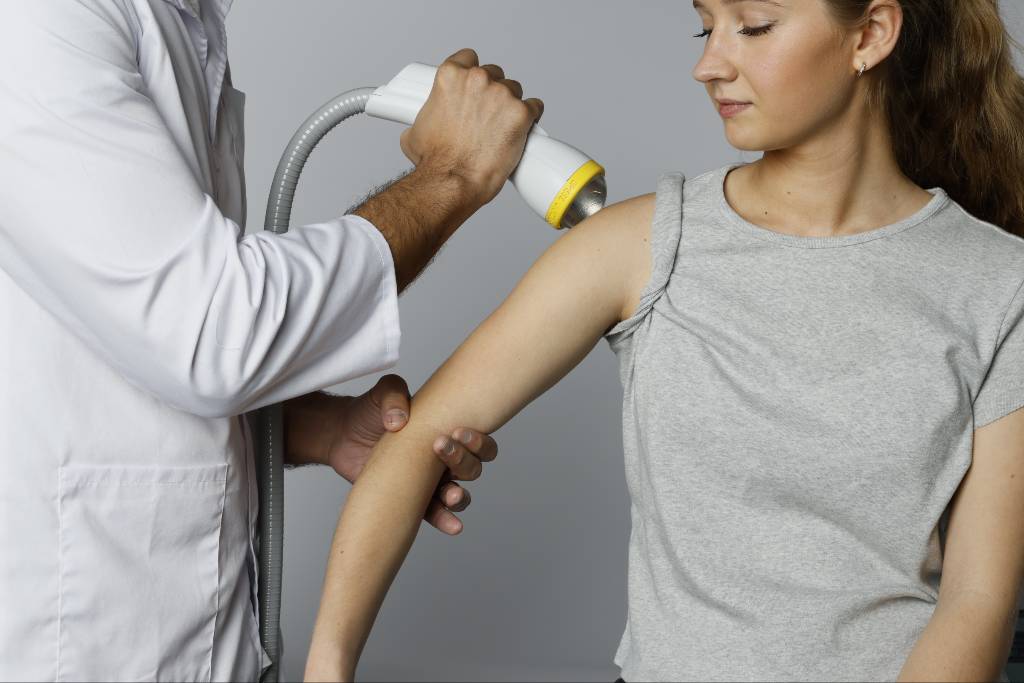
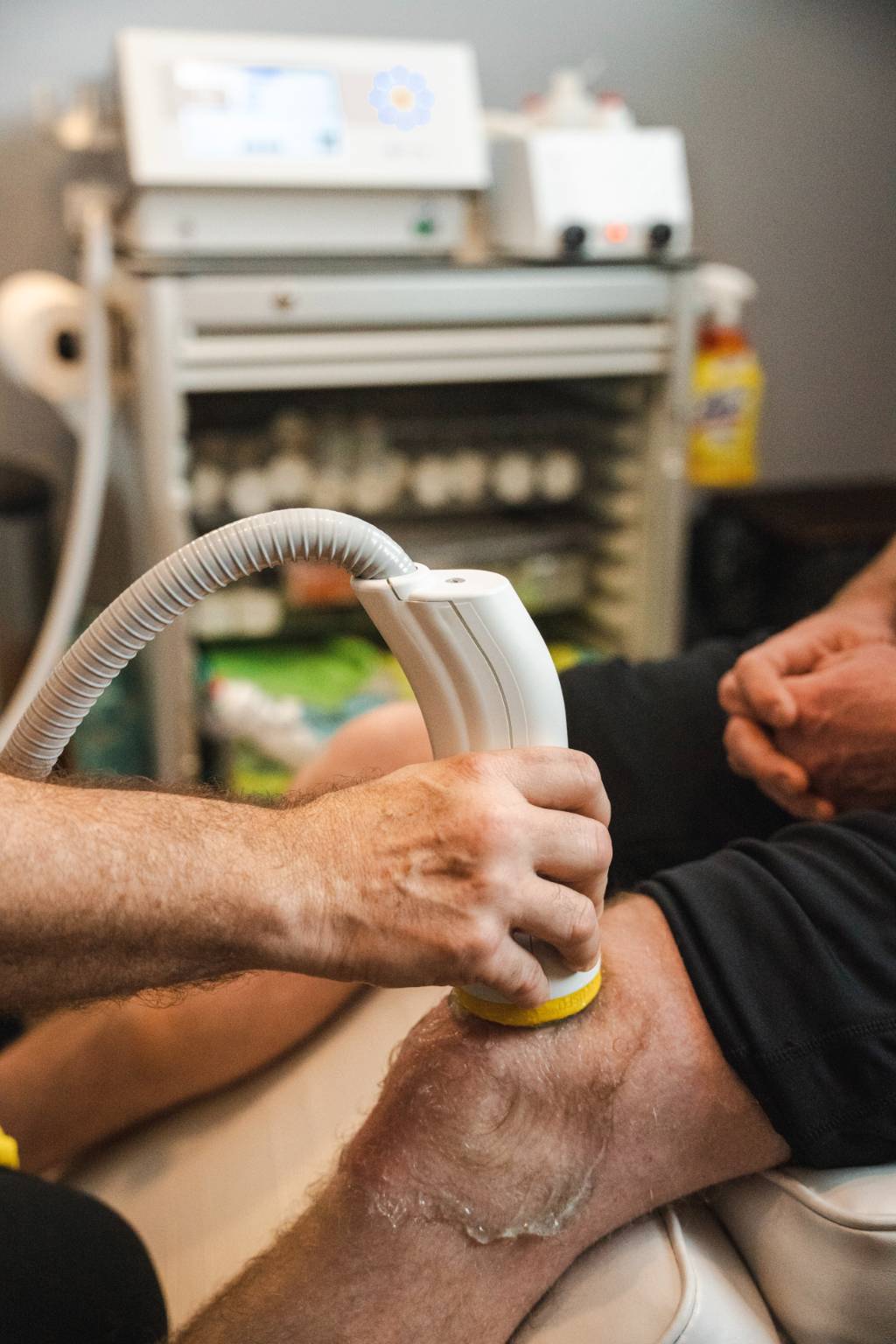
Clinicians evaluating shockwave therapy encounter a range of systems, including the Storz Duolith. While marketing terms can make devices sound interchangeable, the underlying technology, biological engagement, and clinical performance differ significantly. Understanding these distinctions supports more informed decisions about therapeutic value, workflow efficiency, and patient outcomes. This article provides a clear, evidence-based comparison between SoftWave...Read More
Regenerative treatments in sports and orthopedic medicine continue to reshape how clinicians approach musculoskeletal healing. These therapies focus on stimulating biologic processes such as angiogenesis and cellular repair to restore tissue function without invasive procedures. Orthopedic and sports medicine specialists are integrating these approaches to meet growing clinical demands for non-surgical solutions that support durable...Read More
Non-surgical regenerative treatments are designed to stimulate the body’s natural repair processes and restore function without the need for surgery. Increasingly, these therapies are being integrated into physical therapy programs to support exercise and manual rehabilitation for musculoskeletal disorders. They activate mechanisms that modulate inflammation, improve circulation, and promote tissue regeneration, resulting in faster recovery,...Read More
Across multiple medical specialties like orthopedics and urology, clinicians are increasingly turning to regenerative technologies that promote tissue repair through noninvasive approaches. Among these innovations, shockwave therapy has become a scientifically validated option for activating biological healing and improving functional recovery. With multiple technologies now available, grasping the differences in safety, performance, and evidence has...Read More
Shockwave therapy has become a well-established regenerative treatment in multiple medical specialties, supported by extensive research and consistent clinical validation. Yet as its use grows, so does marketplace confusion, with many devices promoted as “shockwave” that differ widely in technology, safety, and biological performance. SoftWave represents the clinically validated standard among these technologies, recognized for...Read More
Shockwave therapy is widely used across musculoskeletal and soft tissue medicine to stimulate repair and support functional recovery, but questions sometimes arise about its safety in clinical use. Evaluating whether shockwave therapy can cause damage starts with understanding that the therapy itself is not harmful when administered through a regulated, low-intensity medically engineered device. Problems...Read More
Shockwave therapy has become an evidence-based approach for stimulating tissue repair and improving pain outcomes across orthopedics, physical medicine, and regenerative medicine. As more shockwave medical devices enter the market, differences in technology and clinical validation have created uncertainty among providers. Some systems marketed as shockwave technology produce only surface-level mechanical pulses with limited depth...Read More
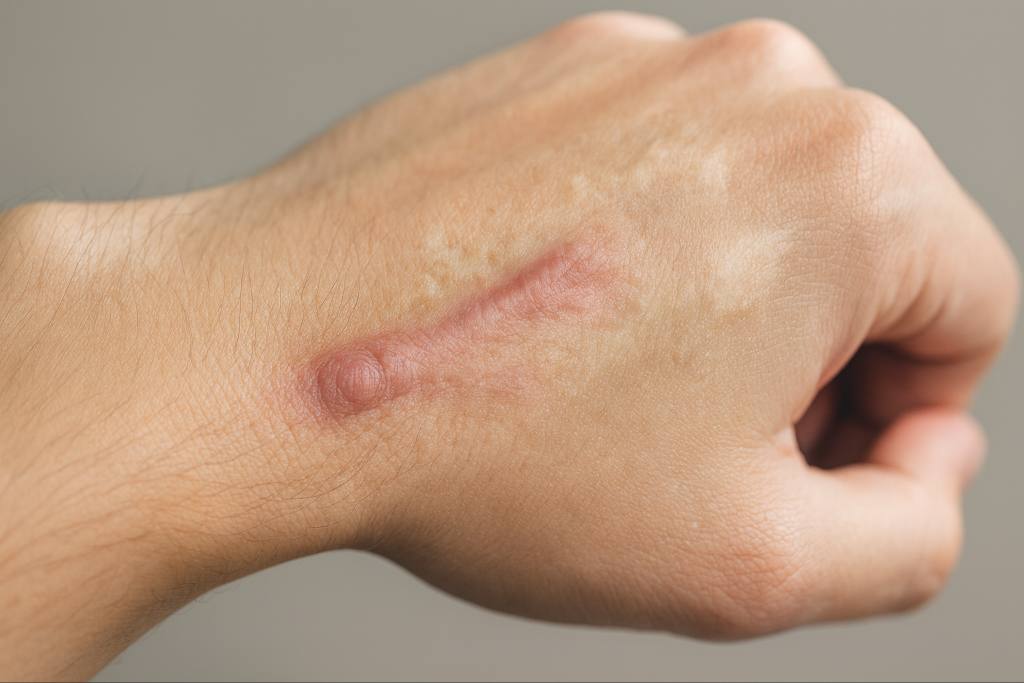
Regenerative skin treatment refers to advanced therapies that stimulate the body’s healing processes for tissue repair. Unlike conventional wound care, these methods promote the regrowth of healthy tissue in complex cases such as severe burns, hypertrophic scars, and chronic non-healing wounds. Extracorporeal shockwave therapy (ESWT) illustrates this approach, using shock waves to repair tissues without...Read More
Pickleball has become the fastest-growing sport in America, attracting both professional athletes and recreational players. Alongside the rise in participation, pickleball injuries are becoming more common, placing new demands on clinics and providers who manage musculoskeletal conditions. Riley Newman’s season nearly ended in July after a severe adductor strain, an injury that often sidelines athletes...Read More
Regenerative pain medicine is reshaping the way clinicians address musculoskeletal conditions. Rather than masking symptoms, these therapies aim to stimulate the body’s natural repair mechanisms and promote tissue regeneration that restores healthy structure and function. Exploring regenerative pain treatments such as injection-based options and shockwave therapy enables physicians to evaluate their distinct advantages and decide...Read More