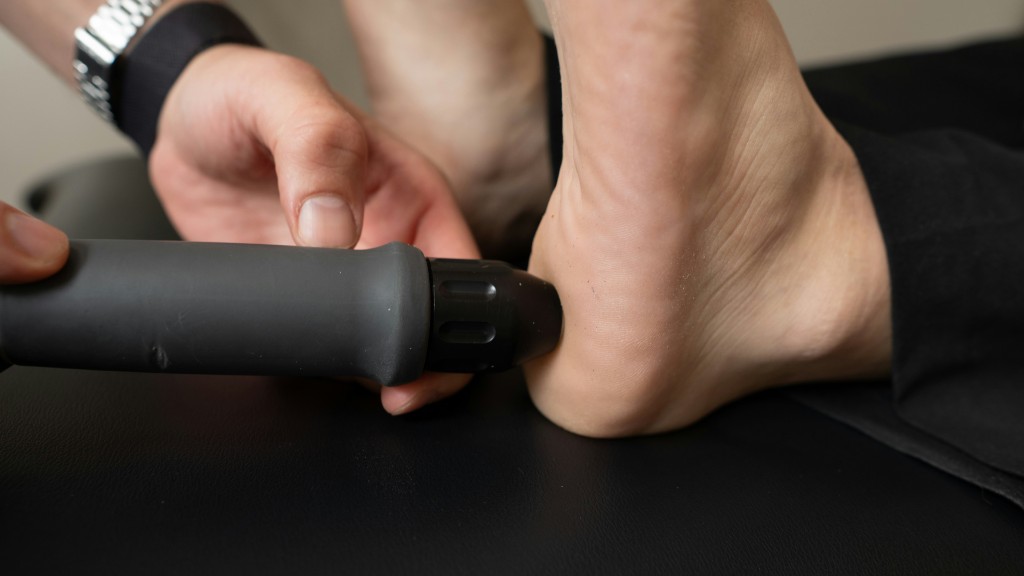
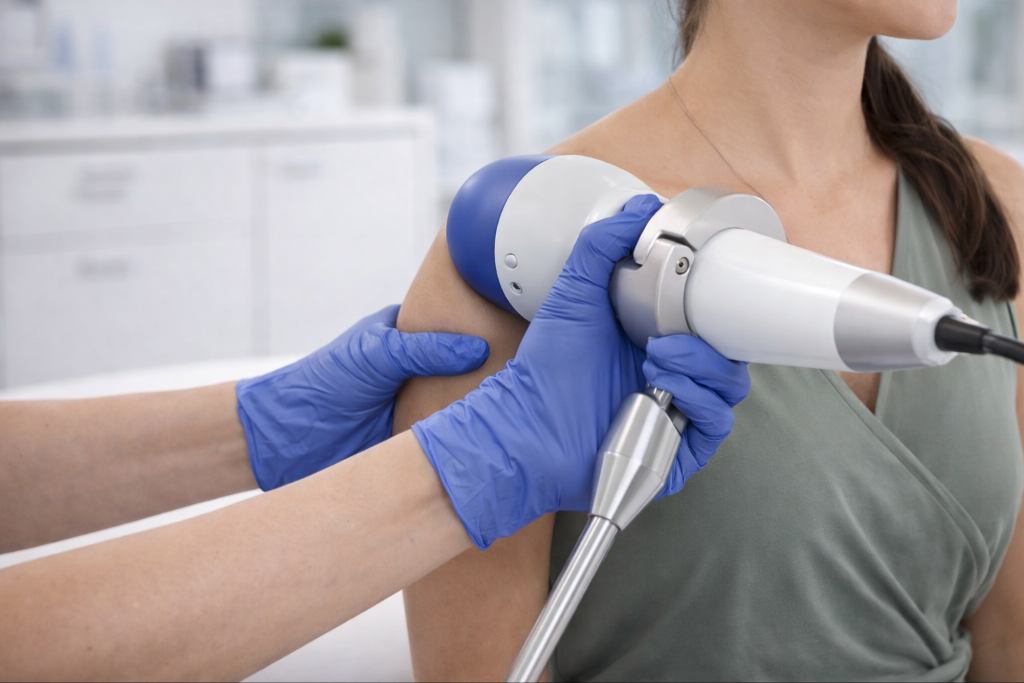
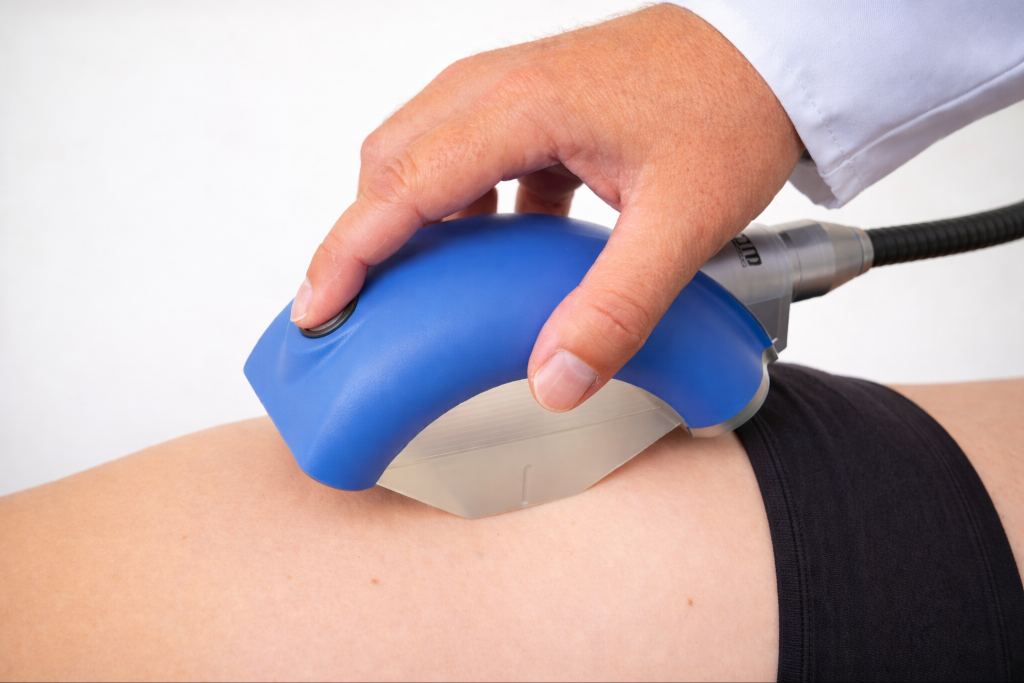
Shockwave therapy has moved from a fringe modality into a standard tool in soft tissue-focused chiropractic care, and chiropractors evaluating it now face a different problem than they did five years ago. The chiropractic shockwave therapy clinical evidence is solid, the category is crowded, and a sizable share of devices marketed as “shockwave” are not...Read More
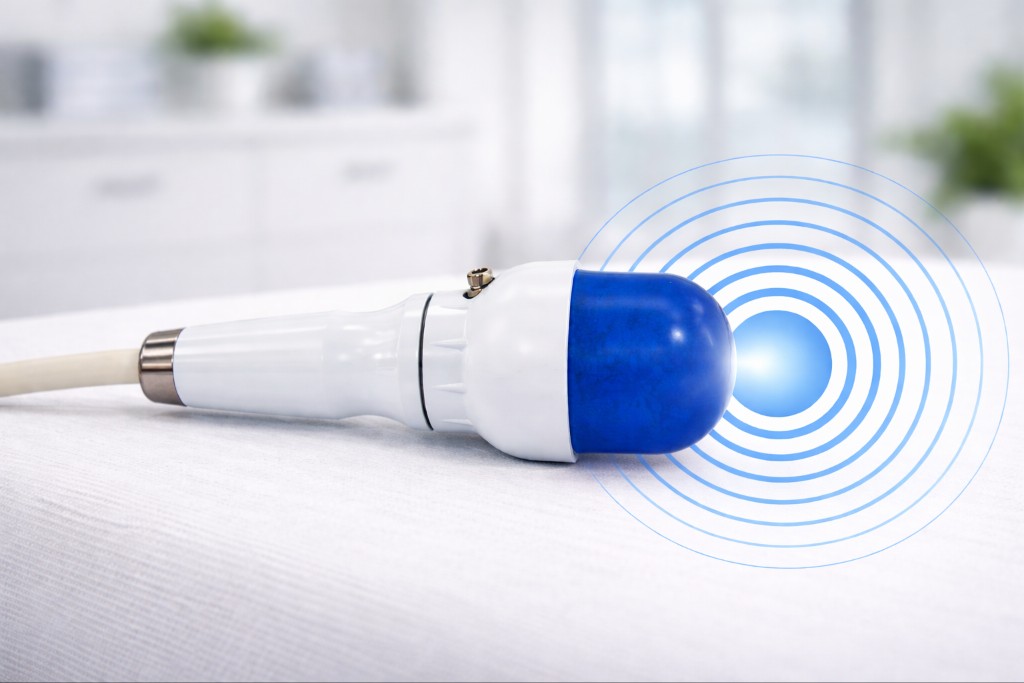
Not all shockwave devices produce the same type of energy, and the differences are not cosmetic. Radial and focused shockwave therapies diverge in how waves are generated, how deep energy travels into tissue, and which conditions each modality is best positioned to address. For clinicians adding extracorporeal shockwave therapy (ESWT), ESWT to practice or evaluating...Read More
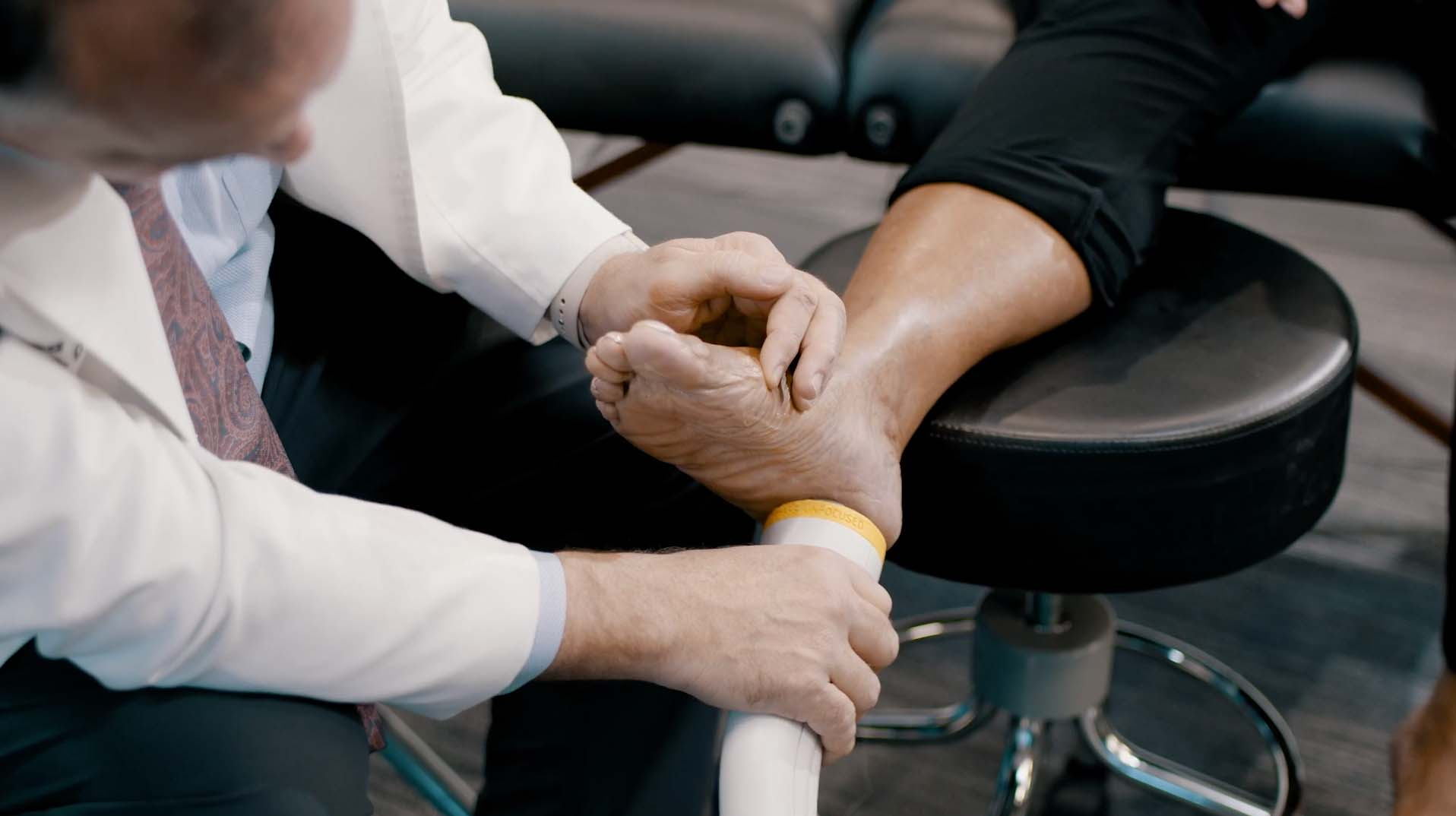
Shockwave therapy for podiatrists is most useful when framed as a clinical tool for chronic heel pain, tendinopathy, diabetic wound care, and other foot and ankle conditions that do not respond well to standard conservative care. SoftWave TRT and other ESWT systems are part of a broader move toward non-invasive regenerative treatment pathways. For podiatric...Read More
The discussion around Traditional reimbursement vs hybrid practice models has become increasingly relevant as extracorporeal shockwave therapy (ESWT) continues to expand across podiatry, orthopedics, wound care, and regenerative medicine. For providers working with SoftWave TRT-enabled systems, this directly affects how shockwave therapy is delivered, documented, and sustained within real-world clinical workflows. While shockwave therapy has...Read More
StemWave therapy is part of a broader category of extracorporeal acoustic wave technologies used in musculoskeletal and regenerative medicine. It is classified as a focused electrohydraulic system designed to deliver localized acoustic energy to targeted soft tissue structures. Within clinical practice, StemWave therapy is most often evaluated alongside radial and broad-focused shockwave platforms. These systems...Read More
Shockwave therapy has become a core modality in non-invasive musculoskeletal care, enabling clinicians to stimulate biologic repair, reduce pain, and restore function without surgical intervention. As adoption expands across orthopedics, sports medicine, urology, and rehabilitation, physicians are increasingly evaluating not just clinical efficacy, but also how device design impacts workflow, treatment consistency, and patient experience....Read More
Focal shockwave therapy often refers to focused extracorporeal shockwave therapy, where energy is concentrated into a small treatment zone at a defined depth. The focused ESWT literature includes substantial musculoskeletal research, yet clinical translation can vary because devices differ in energy generation, focal zone geometry, and output stability across contact and coupling quality. For clinicians,...Read More
Shockwave therapy has expanded across orthopedic, regenerative, and urologic care, yet devices differ in energy generation, treatment field size and shape, and dosing reproducibility. Many platforms are described as if they deliver comparable biological effects even when depth and tissue coverage vary across designs. Medispec shockwave devices are marketed across multiple service lines, with device-named...Read More
Shockwave therapy has expanded across orthopedic and regenerative care, yet devices vary in energy generation, treatment field size and shape, and dosing reproducibility. Many platforms are described as if they deliver comparable biological effects even when depth, tissue coverage, and output stability differ across designs. Orthospec is marketed as a focused extracorporeal shockwave system for...Read More
Shockwave therapy has expanded across sexual medicine and regenerative practice, yet device design differences still shape how energy is delivered into tissue. Platforms are often discussed as if they produce comparable biological effects, even when energy generation and treatment-field geometry vary in ways that can influence dosing, tolerance, and reproducibility. Renova enters this landscape as...Read More