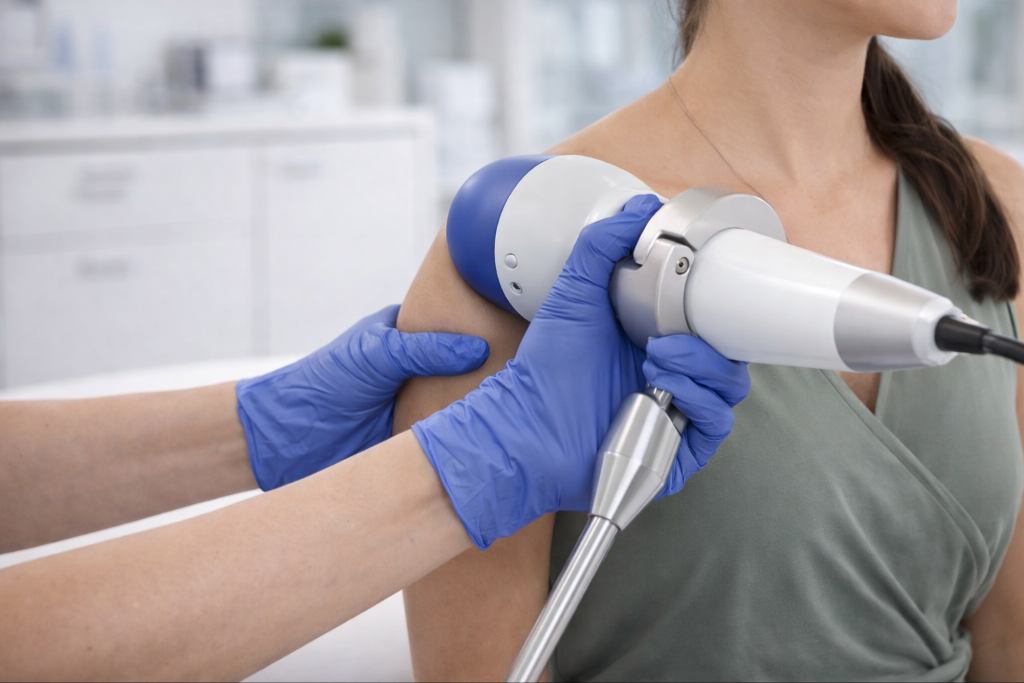
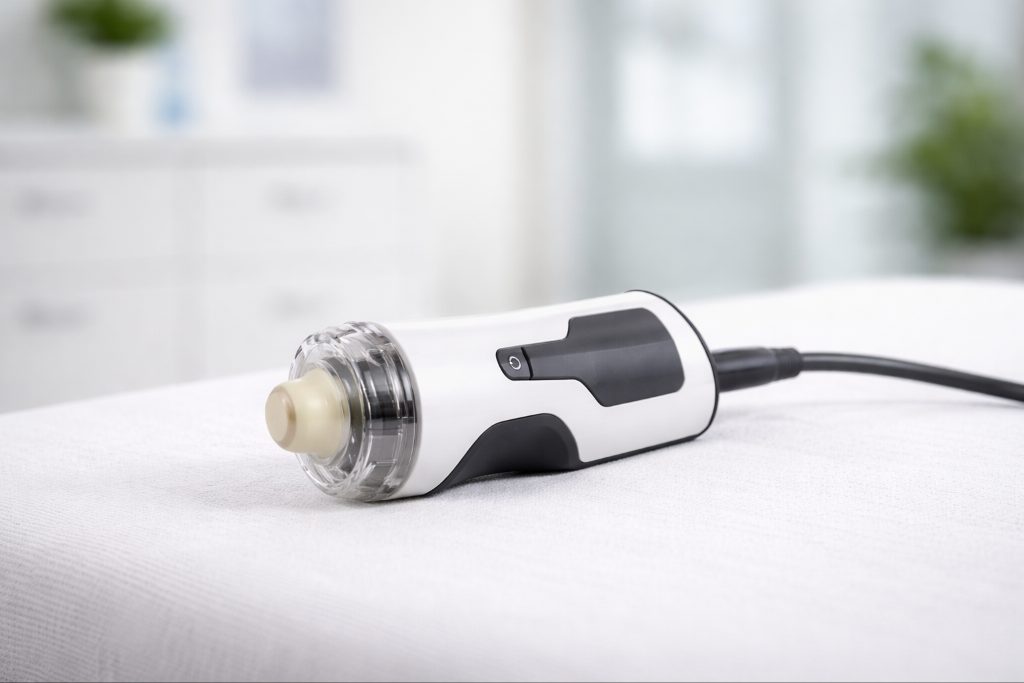
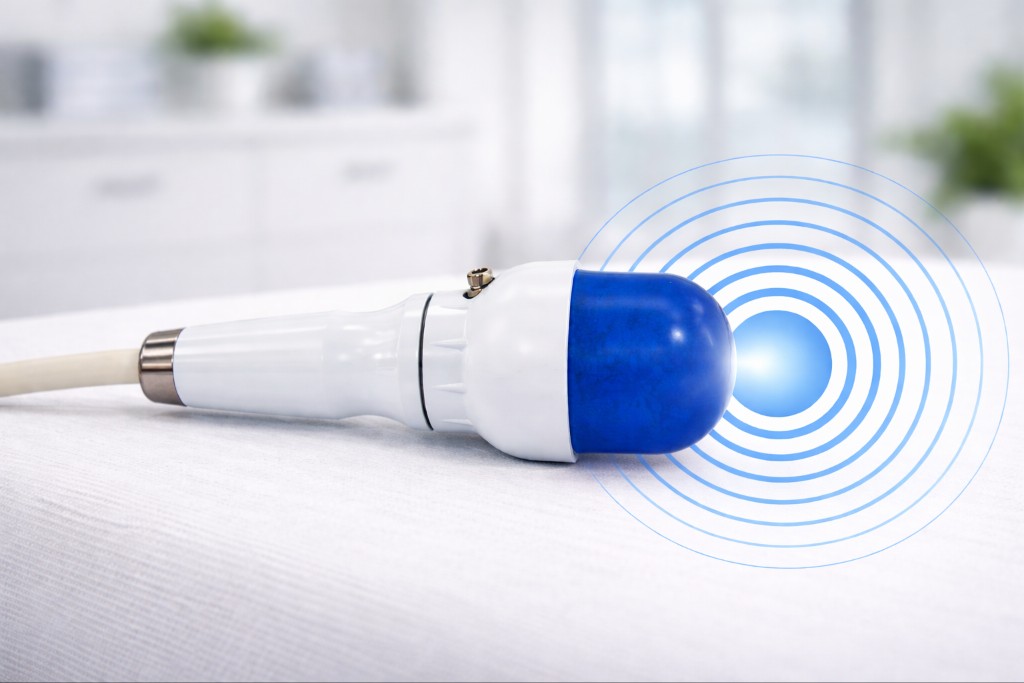
Shockwave therapy has expanded across orthopedic, regenerative, and urologic care, yet devices differ in energy generation, treatment field size and shape, and dosing reproducibility. Many platforms are described as if they deliver comparable biological effects even when depth and tissue coverage vary across designs. Medispec shockwave devices are marketed across multiple service lines, with device-named...Read More
Shockwave therapy has expanded across orthopedic and regenerative practice, yet devices differ in how they generate energy and how that energy distributes across tissue. Platforms are often described with similar terminology even when treatment field size and dosing characteristics vary in clinically meaningful ways. Chattanooga Intelect enters this landscape as a commonly used shockwave option...Read More
Shockwave therapy has expanded across orthopedic and regenerative care, yet devices vary in energy generation, treatment field size and shape, and dosing reproducibility. Many platforms are described as if they deliver comparable biological effects even when depth, tissue coverage, and output stability differ across designs. Orthospec is marketed as a focused extracorporeal shockwave system for...Read More
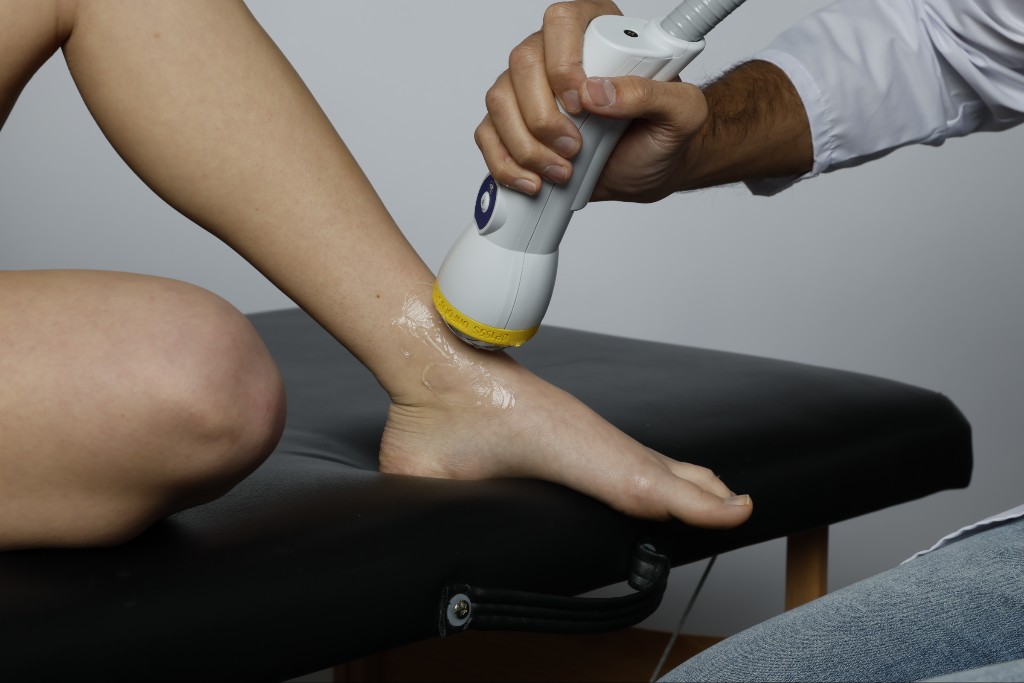
Active patients frequently experience recurrent ankle pain due to tendinopathy, ligament injury, mechanical overload, or early degenerative change, which can limit performance and delay return to activity. Conventional management, such as rest, immobilization, analgesics, or rehabilitation, reduces symptoms but does not always restore tissue quality or prevent chronic recurrence. Interest in regenerative treatments for ankle...Read More
Linear shockwave therapy is discussed widely across regenerative and urologic care, yet the underlying device-specific technology is not consistently defined in the scientific literature. Many devices are promoted as though they deliver uniform biological effects, even though their mechanisms differ in terms of treatment field, depth profile, and energy distribution. Linear configurations are presented as...Read More
Shockwave therapy is widely used in orthopedic and rehabilitative care, yet device designs differ in ways that affect biological response and clinical consistency. Gymna ShockMaster is marketed as a radial shockwave system for musculoskeletal indications, but the peer-reviewed literature that identifies this platform is limited and based on small studies in specific conditions. Existing reports...Read More
Shockwave technologies are used across varied clinical settings, yet the devices themselves differ substantially in energy generation, treatment field, and intended application. Storz Modulith systems are positioned as focused shockwave devices and are most commonly associated with urologic lithotripsy, with more limited investigation in select cardiovascular applications. The device-specific, peer-reviewed literature for Modulith platforms remains...Read More
Shockwave platforms in musculoskeletal and regenerative care differ in mechanism and tissue engagement, even when marketed with similar terminology. Zimmer enPulsPro is marketed as a radial shockwave system, but its positioning relies mostly on manufacturer descriptions and a small number of device-named studies in sexual medicine, such as erectile dysfunction, rather than the musculoskeletal conditions...Read More
Tissue healing after knee procedures such as ligament reconstruction, meniscal repair, or joint resurfacing is influenced by both structural repair and the surrounding biological environment. Regenerative restorative care treatments are increasingly incorporated to support cellular signaling, improve vascular response, and guide tissue organization throughout recovery. These approaches are being applied across post-surgical protocols to help...Read More
Regenerative treatments for athletes have gained relevance as clinicians seek strategies that support biologic healing with limited procedural burden. These therapies aim to stimulate tissue remodeling in ways distinct from surgical repair, which restores structure mechanically. Athletes often prefer methods that preserve native tissue, reduce downtime, and maintain performance capacity, prompting clinicians to compare biologic...Read More